 Bắc Ninh


ESG standards offer opportunities to reposition Vietnam’s electronics firms
The 2025-2027 period will be a critical turning point, as exporters to the European market will be required to strictly comply with ESG standards, including net-zero emissions roadmaps, labour standards, corporate governance and transparency requirements. As a key export sector, the electronics industry is being directly and strongly affected by this shift.
As international “rules of the game” grow increasingly stringent, environmental, social and governance (ESG) standards are becoming an essential “passport” for Vietnamese electronics enterprises seeking to integrate more deeply into global supply chains.
 |
|
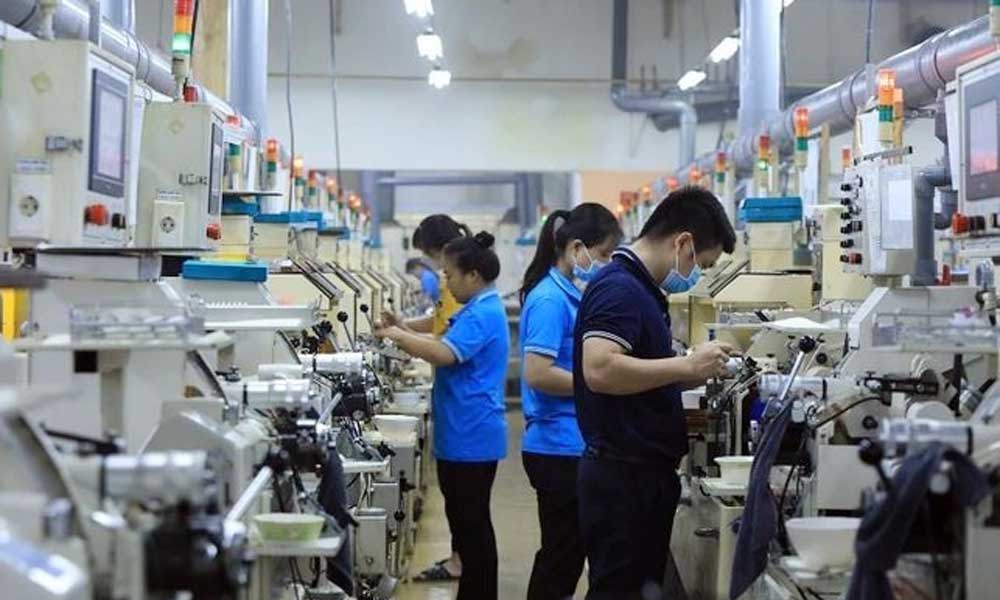
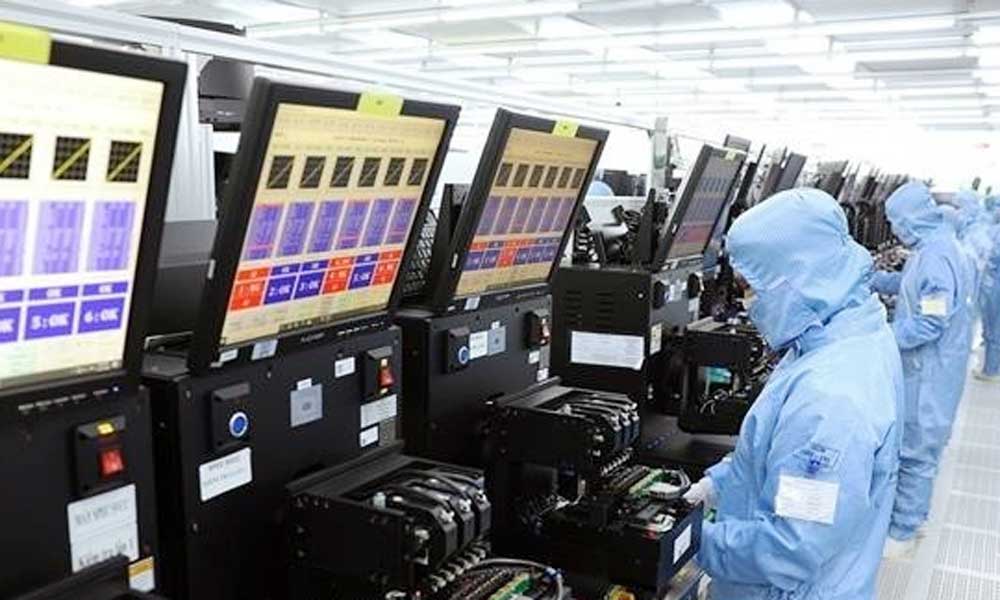
Vietnam is strengthening its position in the technology value chain, becoming a major manufacturing hub for complete consumer electronics products. |
Meeting these new requirements not only poses significant challenges, but also opens up opportunities for domestic firms to reposition their competitive capabilities and gradually move up the value chain.
For many years, they have mainly participated in global supply chains on the basis of cost advantages and order-fulfilment capacity. However, this model is coming under growing pressure as major markets simultaneously tighten ESG requirements.
According to Do Thi Thuy Huong, a member of the executive committee of the Vietnam Electronic Industries Association (VEIA), ESG has now become a cross-cutting requirement throughout corporate operations, particularly for electronics and high-tech enterprises.
Compliance with environmental, labour, governance and information-transparency standards is no longer voluntary, but a mandatory condition for participation in global supply chains or exports to international markets.
The VEIA notes that the 2025-2027 period will be a critical turning point, as exporters to the European market will be required to strictly comply with ESG standards, including net-zero emissions roadmaps, labour standards, corporate governance and transparency requirements.
As a key export sector, the electronics industry is being directly and strongly affected by this shift.
Pham Thi Ngoc Thuy, director of the office of the Private Economic Development Research Board (Board IV) under the Prime Minister’s Advisory Council for Administrative Procedure Reform, said enterprises involved in export supply chains are feeling the most immediate impact of ESG requirements, while firms focused mainly on the domestic market are less affected.
Nevertheless, amid rapidly changing global and domestic policies, businesses cannot stand aside from international trends if they wish to achieve sustainable development and expand markets over the medium and long term.
Vietnam’s legal framework on environmental protection and sustainable development is also being rapidly strengthened. Under the Law on Environmental Protection, more than 1,000 enterprises were required to conduct greenhouse-gas emissions reporting by the end of 2025.
The net-zero target is not only an international commitment of the Government, but is also emphasised in many key resolutions of the Politburo, creating clear pressure for transformation across the business community.
From practical ESG implementation, a major bottleneck at present lies in corporate awareness. Many enterprises believe the main difficulties stem from a lack of capital, technology or information.
However, experts argue that if ESG is viewed merely as an add-on to production and business activities, it will be difficult to achieve substantive change.
Only when ESG is embedded in core strategy and becomes part of the business model can the transition be carried through effectively.
At the industry level, the VEIA has submitted a proposal to the Ministry of Industry and Trade to develop ESG guidelines for the electronics sector that are suited to domestic conditions.
At the same time, the association is rolling out specialised ESG training programmes and working with international organisations to help businesses access and meet new standards.
As the world moves towards sustainability, ESG has become a litmus test of corporate governance capacity and resilience. Vietnamese electronics enterprises can only successfully reposition themselves by treating ESG as the foundation of long-term strategy, thereby shifting from low-cost suppliers to value-added partners in global supply chains.







Reader's comments (0)