 Bắc Ninh


FDI businesses look for deeper administrative reforms
While appreciating the progress, FDI firms said the next stage of reforms should go beyond putting procedures online. They want administrative processes to be simplified on digital platforms, data systems to be better connected, information to be provided only once and regulations to be applied consistently.
Foreign-invested businesses have welcomed Vietnam’s efforts to improve the investment environment and reform administrative procedures, particularly in taxation, customs and digital transformation, while calling for further reforms in the coming period.
 |
|
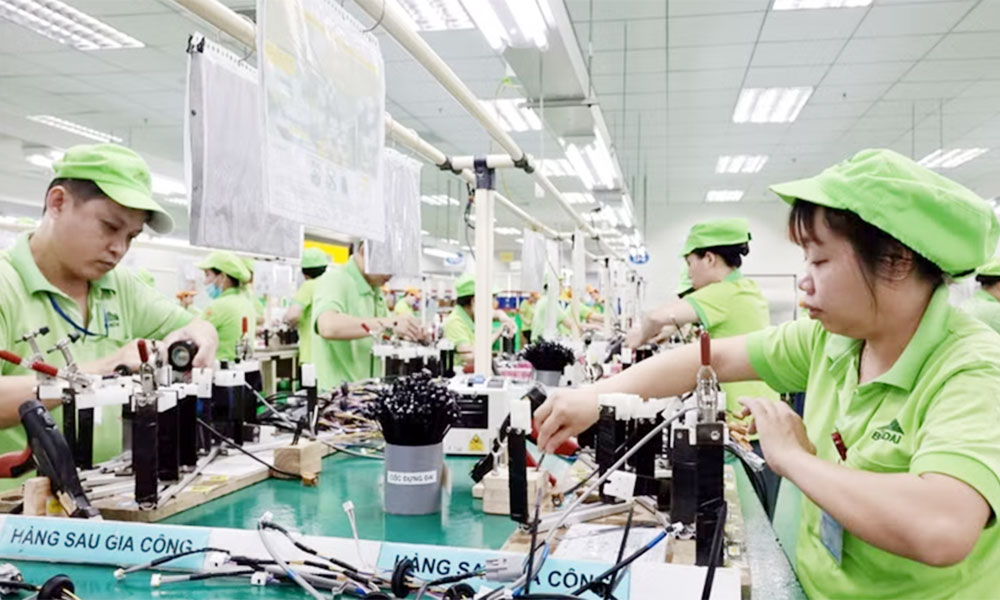
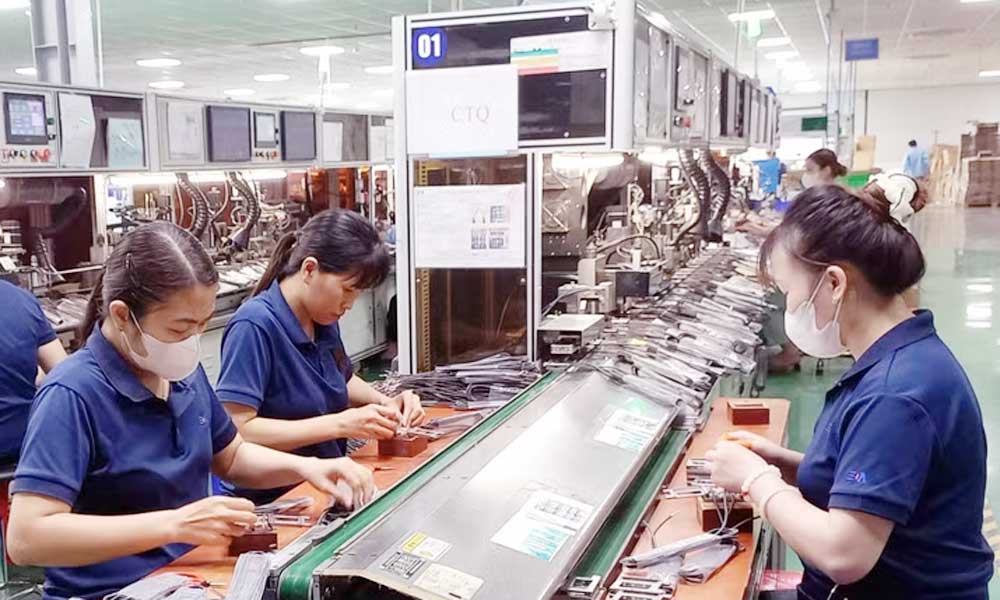
Illustrative image. |
Pham Quang Long, Business Development Manager at US-based Allied Movers in Vietnam, said the quality of reform should not be measured simply by the number of new regulations, but by the changes businesses actually experience in their daily operations.
For companies in logistics and international relocation services, tax, customs and banking procedures are routine matters.
Long said the effectiveness of reform could therefore be measured by how many documents a company has to print for the same application, how many times it must visit an agency, and how long it has to wait.
From a business perspective, he said the most visible improvements in recent years have been in taxation and customs. By the end of June 2026, about 99.4% of businesses had filed taxes electronically, while most customs declaration procedures had also moved online.
For standard applications, businesses can now submit documents and track their progress from their offices, significantly reducing travel, processing time and costs.
Tran Thanh Quyet, Executive Director of the Italian Chamber of Commerce in Vietnam (ICHAM), also highlighted improvements in tax procedures, customs, e-invoices and online public services, saying they had helped shorten processing times, reduce face-to-face procedures and gradually cut administrative costs.
Nguyen Van Toan, Vice Chairman of Vietnam's Association of Foreign-Invested Enterprises, said the Ministry of Finance had made a clear contribution to the investment and business environment through both institutional and practical reforms.
Reforms in administrative procedures, e-taxation, e-invoices, e-customs and the National Single Window have helped businesses save human resources, time, travel expenses and compliance costs, he said.
Toan also noted the Ministry of Finance’s implementation of measures related to the Politburo's Resolution No. 10-NQ/TW on developing the foreign-invested economic sector and amendments to the Investment Law, as well as the development of digital infrastructure in taxation and customs.
From digital procedures to connected data
While appreciating the progress, FDI firms said the next stage of reforms should go beyond putting procedures online.
They want administrative processes to be simplified on digital platforms, data systems to be better connected, information to be provided only once and regulations to be applied consistently.
Quyet said digitalisation would not reach its full potential if businesses still had to provide the same information to different agencies or if online procedures continued to require extensive manual processing.
He called for better interoperability among government systems, more effective data sharing, clearer guidance and faster support when problems arise.
Long shared the view that Vietnam had made good progress in moving procedures and transactions online, but said the more difficult task was ensuring that different systems could actually communicate with one another.
He also pointed to difficulties with non-standard applications, specialised product codes and cases requiring different interpretations of regulations, in which electronic systems cannot always resolve applications automatically.
Beyond administrative procedures and digital transformation, FDI businesses expect institutional reforms to create a more transparent, stable and competitive legal environment.
For FDI companies, faster procedures alone are not enough, Quyet said. Regulations must also be consistent and their implementation predictable.
Businesses therefore proposed further simplification of regulations, more consistent interpretation and enforcement, and greater consultation with the business community before major policy changes are introduced.


















Reader's comments (0)