 Bắc Ninh


First national semiconductor chip prototyping support centre makes debut
Vietnam's semiconductor ecosystem now comprises around 60 chip design companies, some 7,000 chip design engineers and 166 universities offering semiconductor-related training programmes. Initial registrations from 12 organisations indicate demand for the prototyping of approximately 30,000 chips.
The Ministry of Science and Technology (MoST) on June 26 unveiled the Vietnam National Multi-Project Wafer Coordination Centre (VNMPW/CC) - the first national centre dedicated to supporting semiconductor chip prototyping, marking a key step in connecting domestic chip research and design with the global semiconductor manufacturing ecosystem.
 |
|
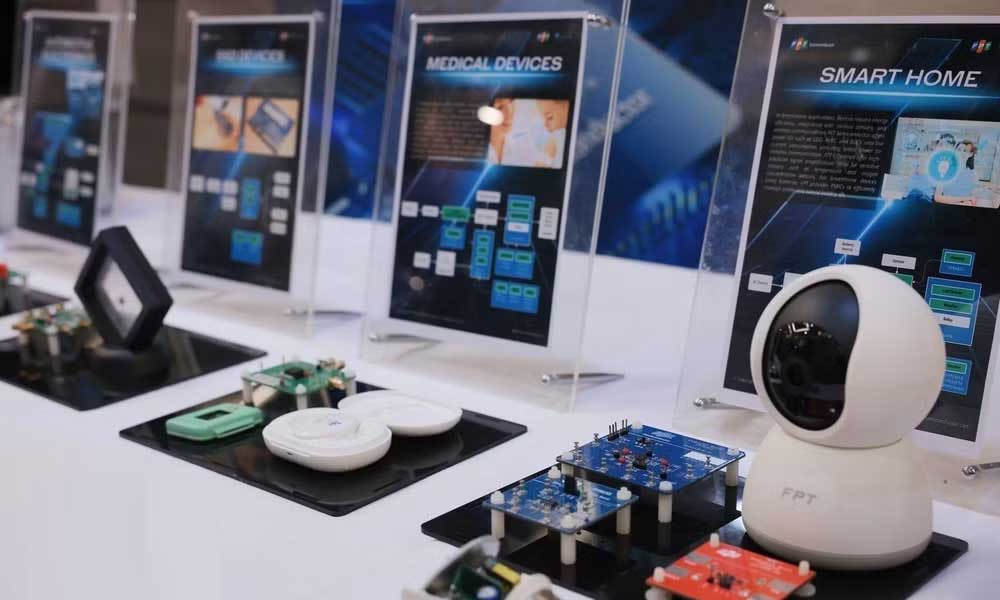
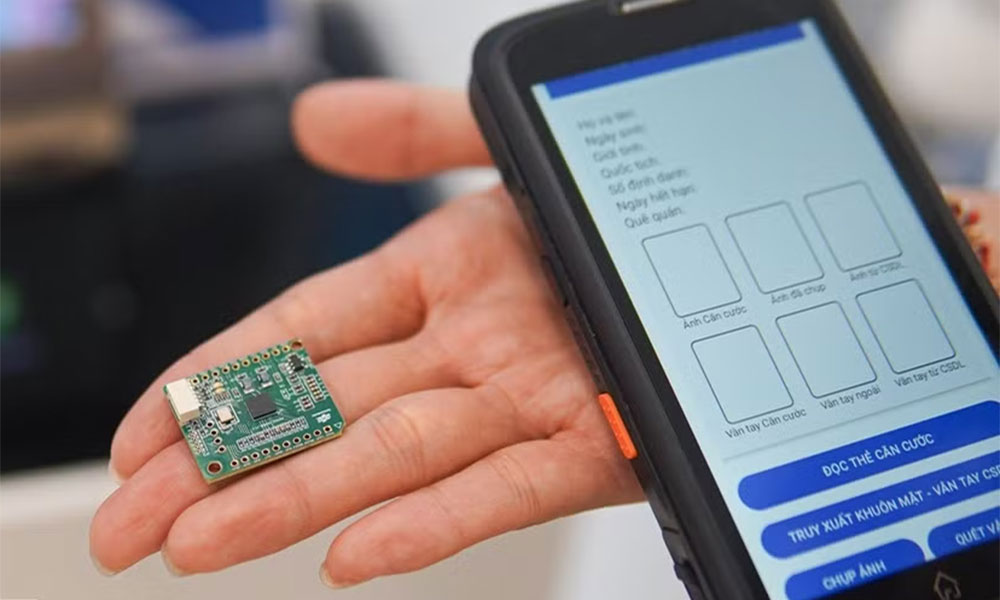
Smart products, chips and semiconductor materials on display on the sidelines of the launch ceremony of the Vietnam National Multi-Project Wafer Coordination Centre (VNMPW/CC) on June 26. |
Addressing the event, Minister of Science and Technology Vu Hai Quan said the centre demonstrates the ministry's determination to implement Vietnam's semiconductor industry development strategy through 2030 with a vision to 2050.
He stressed that building a competitive semiconductor industry requires close collaboration among the Government, businesses, research institutes, universities, domestic and foreign experts, international partners, investors and the start-up and innovation community.
The minister described the centre as a bridge that will gradually strengthen Vietnam's technological self-reliance and help position the country as an important link in the global semiconductor supply chain.
Vietnam currently lacks industrial-scale semiconductor manufacturing capacity, while domestic research and prototyping infrastructure remains limited.
Research institutions, universities and chip design companies have therefore had to rely on overseas foundries for prototype fabrication, resulting in higher costs, longer development cycles and slower commercialisation.
According to the ministry, tape-out costs currently range from 30,000 USD to 200,000 USD per chip design, with production lead times typically lasting between 12 and 24 months.
Vietnam's semiconductor ecosystem now comprises around 60 chip design companies, some 7,000 chip design engineers and 166 universities offering semiconductor-related training programmes.
Initial registrations from 12 organisations indicate demand for the prototyping of approximately 30,000 chips.
Nguyen Khac Lich, Director of the ministry's Authority of Information Technology Industry (AITI), said the centre is expected to address these bottlenecks through the Multi-Project Wafer (MPW) model, which combines multiple chip designs in a single fabrication run to reduce costs and shorten product development time, thereby accelerating the development of "Make in Vietnam" semiconductor products.
According to Lich, Vietnam must address a fundamental bottleneck in order to move deeper into the global semiconductor value chain - the ability to turn chip designs into physical semiconductor products.
The centre’s establishment marks an important first step, reflecting the determination of the MoST, the AITI, and the domestic semiconductor community to gradually master strategic technologies, remove development bottlenecks, and build a competitive and sustainable semiconductor ecosystem, he said.
Operating under the AITI, the centre will provide shared infrastructure covering the entire semiconductor development process, from chip design and prototyping to packaging, testing and commercialisation.
It will also offer design tools and verification services while coordinating with foundries, packaging and testing providers, and international technology partners to organise prototype production for domestic universities, research institutes and enterprises.
Following fabrication, the centre will support chip quality assessment and connect projects with the State’s support programmes and investment funds to accelerate commercialisation. It also plans to establish a post-silicon laboratory for testing and analysis.
From 2030, the centre aims to master advanced semiconductor technologies, expand international cooperation, and gradually establish itself as a reputable semiconductor chip prototyping support hub in Southeast Asia, towards strengthening Vietnam’s position in the regional and global semiconductor value chains.
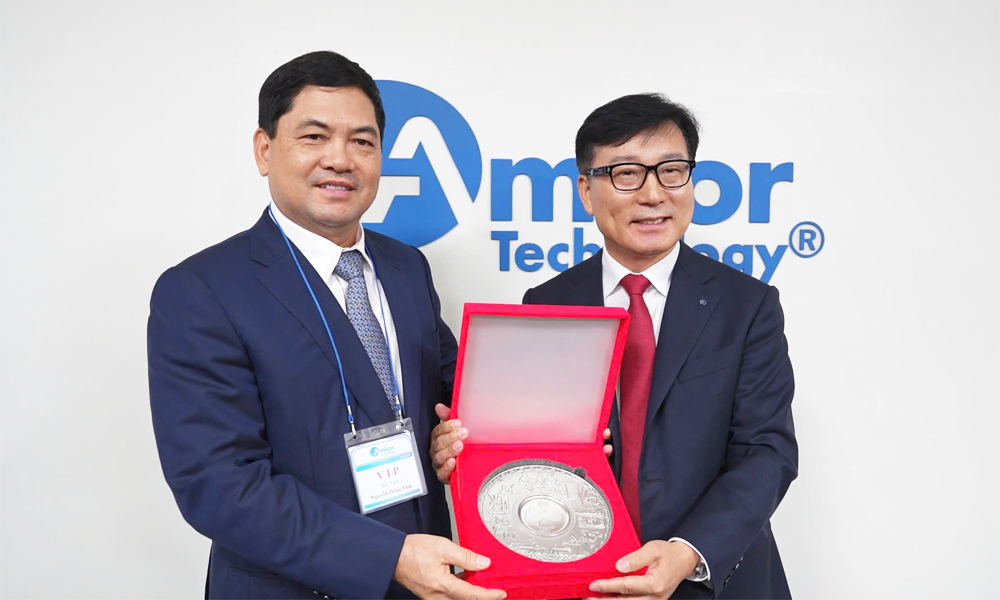
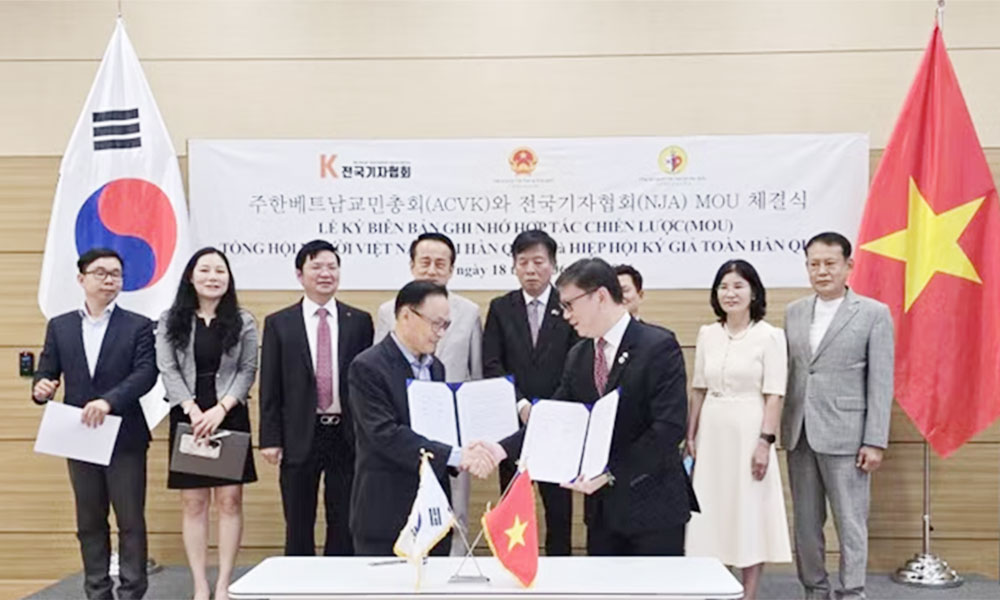
At the launch ceremony, the centre signed memoranda of understanding with 19 domestic and international partners, including technology giants such as Intel, Infineon, Amkor, Cadence and Synopsys, major foundries TSMC and GlobalFoundries, leading Vietnamese universities, and domestic technology firms including Viettel, FPT and VSAP Lab.
It also announced the establishment of a 21-member advisory panel comprising semiconductor experts from technology companies, universities and research institutes in Vietnam and abroad.



























Reader's comments (0)