 Bắc Ninh


Lawmakers discuss measures to develop affordable rental housing
The amendments to the 2023 Housing Law aim to further institutionalise the Party and State's policies on improving the socialist-oriented market economy, creating a favourable, transparent and secure legal environment with lower compliance costs, improving the investment and business climate, and simplifying administrative procedures for construction investment.
The National Assembly convened a plenary session on August 21 to discuss policy orientations for amendments to the 2024 Land Law and the 2023 Housing Law as part of the agenda of its first extraordinary sitting.
 |
|
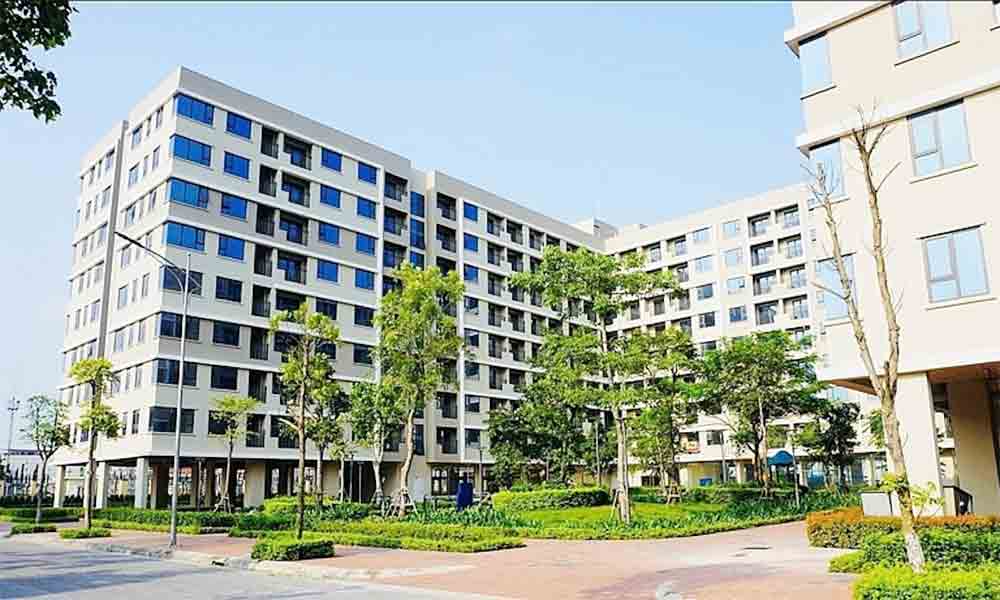
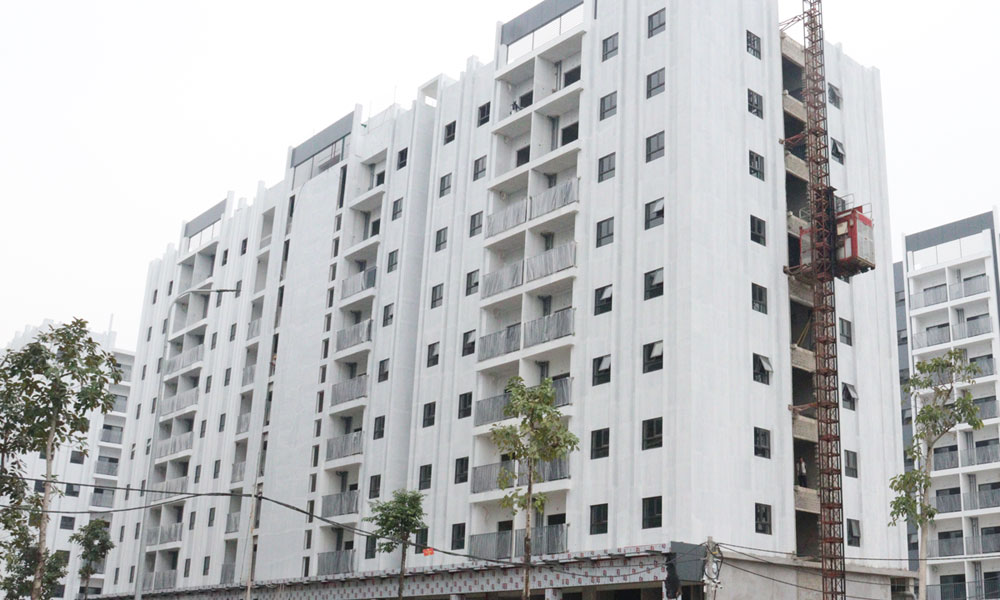
Illustrative image. |
The amendments to the 2023 Housing Law aim to further institutionalise the Party and State's policies on improving the socialist-oriented market economy, creating a favourable, transparent and secure legal environment with lower compliance costs, improving the investment and business climate, and simplifying administrative procedures for construction investment.
They also seek to develop policies towards the goal of ensuring everyone has access to housing, creating equal opportunities for people and businesses, addressing shortcomings arising in practice, and ensuring consistency and uniformity across the legal system.
The draft amended Housing Law retains relevant existing provisions while introducing amendments and supplements to fully institutionalise the Party and State's viewpoints and policies.
Housing development would focus on ensuring that everyone has a place to live while strengthening social welfare, with priority given to affordable rental housing to meet people's housing needs.
The draft also seeks to minimise the subdivision and sale of plots in urban areas and prioritise apartment buildings.
The State will neither subsidise housing across the board nor leave the housing market entirely to market forces.
Instead, it will play an enabling role through institutions, policies, planning and financial-credit tools to ensure a healthy and transparent market, attract businesses with reasonable profit margins and enable people to access stable, long-term, safe housing that matches their ability to pay.
The draft calls for diversified sources of funding beyond the State budget, including greater mobilisation of private capital and long-term funds from investment funds and credit institutions.
State resources would be optimised to guide and stimulate the market and encourage private investment in rental housing development.
The draft law adds provisions covering four types of housing, along with corresponding policies for each: commercial housing; rental housing, including rental housing developed with State and non-State capital, accommodation for workers in industrial parks, and experts and workers outside industrial parks; official housing; and policy-based housing, including housing for senior Party officials, social housing, housing for the people's armed forces, housing supported through national target programmes and resettlement housing.
A new chapter on rental housing development is also included, covering rental housing developed with and without State funding.
Under the draft, Vietnamese citizens facing housing difficulties or in need of rental accommodation would be eligible to rent housing developed with State funding.
The State would invest in and develop rental housing through housing funds, while the Vietnam General Confederation of Labour would serve as the managing body for rental housing investment projects funded by trade union finances.
The draft law also introduces the concept of “fixed-term apartment buildings”, whose use period would be determined in accordance with construction regulations.
At the same time, it will safeguard property rights by allowing apartment owners to fulfil their financial obligations to rebuild the apartment building in accordance with regulations once its designated service life expires.













Reader's comments (0)