 Bắc Ninh


Modern logistics hubs expected to drive Vietnam's supply chain ambitions
Rather than expanding logistics infrastructure indiscriminately, the MoIT plans to establish a tiered network comprising national, regional and local logistics centres, specialised logistics hubs and cargo consolidation points.
As Vietnam moves to integrate more deeply into regional and global supply chains, the development of modern, green and smart logistics hubs is expected to become a new growth driver by reducing logistics costs, improving supply chain efficiency and enhancing the country's competitiveness, said insiders.
 |
|
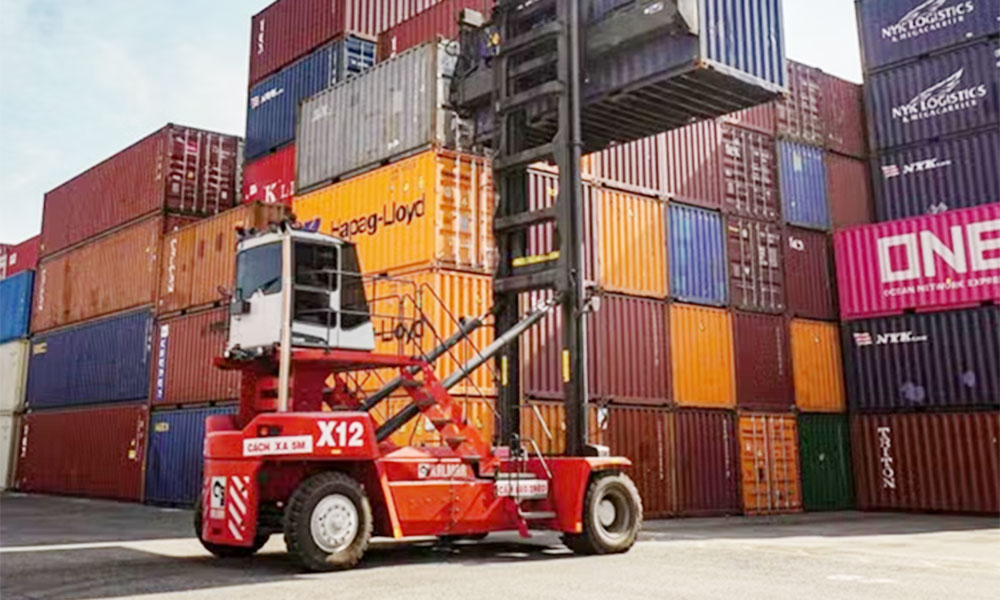
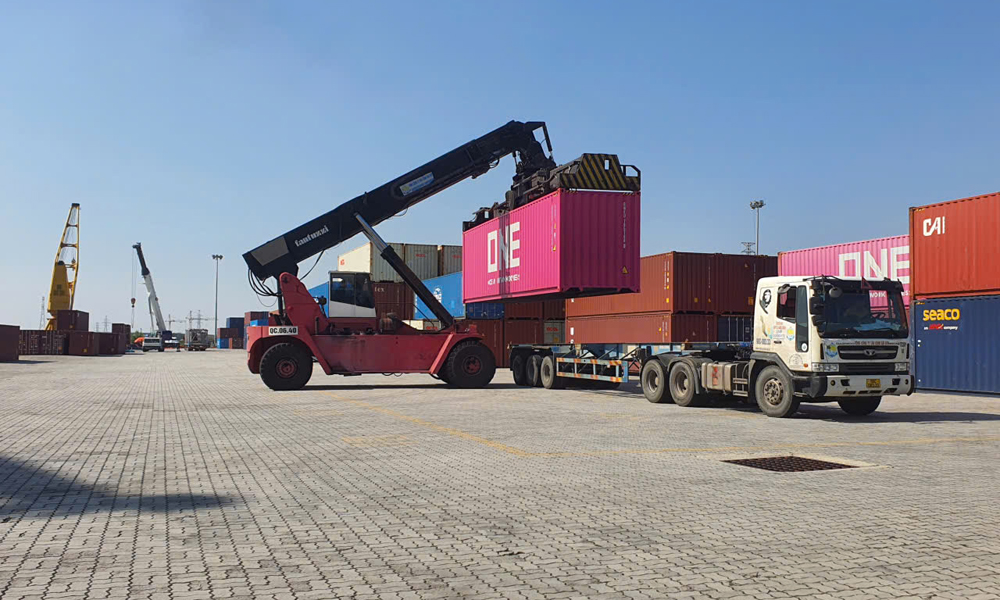
Containers are loaded at the Cai Mep – Thi Vai port complex in Ho Chi Minh City. |
Vietnam's Logistics Services Development Strategy to 2035, with a vision to 2050, aims to build a sustainable, efficient and high-value-added logistics industry with stronger competitiveness.
A central pillar of the strategy is forming large-scale and modern logistics hubs linked to seaports, cross-border railways, border gates and multimodal transport networks to optimise supply chains and lower logistics costs, thus increasing the competitiveness of Vietnamese goods.
Vital link in supply chains
With total import – export turnover exceeding 930 billion USD in 2025 and an extensive network of free trade agreements (FTAs), Vietnam holds an opportunity to evolve from a transit point for goods into a supply chain organiser.
Dr. Bui Ba Nghiem, a senior specialist from the Ministry of Industry and Trade (MoIT)'s Agency of Foreign Trade, said the strategy marks a new development phase in which logistics is no longer merely a supporting service but a strategic component of national competitiveness.
If implemented comprehensively across institutional reforms, infrastructure investment, business competitiveness enhancement and the development of green, smart logistics hubs and free trade zones, Vietnam could become an important logistics link in ASEAN and integrate more deeply into global logistics networks.
However, logistics activities in Vietnam remain fragmented, said Bui Nguyen Anh Tuan, Deputy Director of the MoIT’s Agency for Domestic Market Surveillance and Development.
He stressed the need to reorganise logistics services into a more integrated, professional and cost-efficient system.
A breakthrough solution, he said, is developing regional and inter-regional logistics hubs connected to seaports, cross-border railways, border gates and multimodal transport infrastructure.
Northern hubs could be centred in Hai Phong and Quang Ninh, leveraging deep-water ports and major international border crossings. Meanwhile, southern hubs could be developed around Ho Chi Minh City, linked with the Cai Mep – Thi Vai port complex, Long Thanh International Airport and the southeastern industrial region.
Tuan said rather than expanding logistics infrastructure indiscriminately, the MoIT plans to establish a tiered network comprising national, regional and local logistics centres, specialised logistics hubs and cargo consolidation points.
Such an approach will avoid overlapping investment, improve efficiency and create logistics hubs capable of connecting Vietnam to regional and global supply chains.
At this stage, logistics hubs are evolving into strategic infrastructure for manufacturing and international trade, rather than being viewed merely as warehouses or cargo transshipment facilities, he noted.
Opportunities from green, smart logistics
Tuan noted that a network of modern, green, smart and interconnected logistics hubs will help significantly strengthen Vietnam's national competitiveness.
Lower logistics costs will reduce production, distribution and export expenses, an important factor as Vietnam pursues ambitious growth targets for 2026–2030.
Faster and more efficient logistics will also improve product quality management, traceability and compliance with stringent export market standards.
Improved logistics infrastructure is expected to attract more investment to industry, retail, e-commerce and agricultural processing, while enhancing inter-regional connectivity by linking production zones, processing centres, consumer markets, border gates and seaports into an integrated network.
Meanwhilee, green and smart logistics are expected to strengthen Vietnam's position in global supply chains.
Nguyen Le Hang, external affairs director at SLP Vietnam, said developing logistics hubs and green logistics represents an inevitable trend and offers Vietnamese companies significant opportunities.
By investing in modern and environmentally friendly logistics infrastructure and digital technologies, businesses can move beyond price competition to compete by service quality, delivery speed and compliance with international standards, she said.
They can also expand into fast-growing sectors such as e-commerce, cold storage and express delivery. Besides, green investment strategies are expected to improve access to financing by making firms more attractive to investors and financial institutions, Hang noted.



Reader's comments (0)