 Bắc Ninh


Resolution No. 70 expands corporate access to green electricity
Direct power purchase agreements (DPPAs) and battery energy storage systems (BESS) are gaining prominence as tools to secure stable green electricity for production and trade while boosting corporate competitiveness.
A wave of policy changes is accelerating Vietnam’s energy transition and widening manufacturers’ access to green electricity.
 |
|
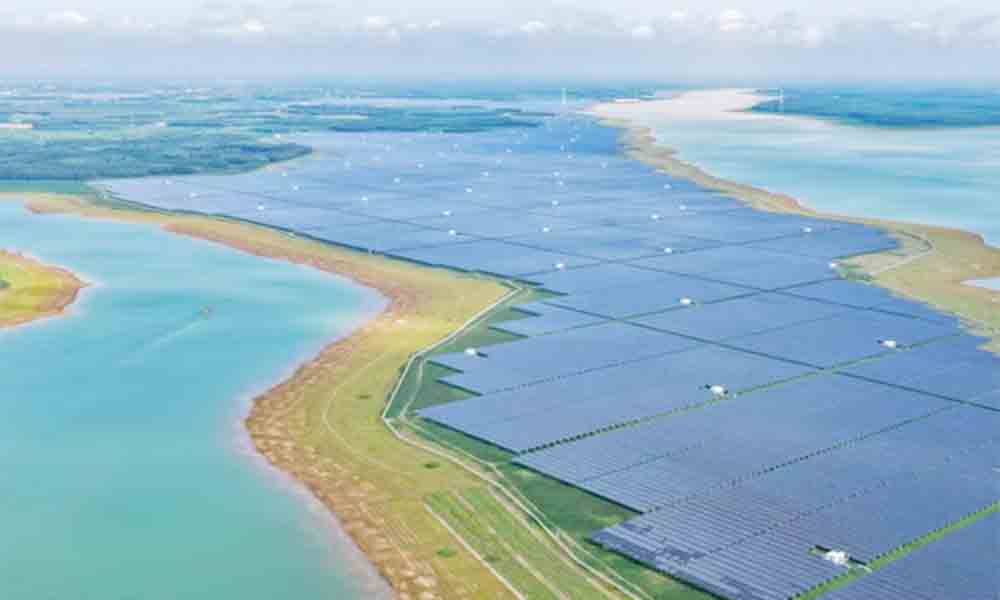
The Dau Tieng 1, Dau Tieng 2 and Dau Tieng 3 solar power plants are built on a total area of around 720 ha and once formed the largest solar power complex in Southeast Asia. |
The Politburo’s Resolution No. 70-NQ/TW, issued on August 20, 2025, requires energy development to guarantee sufficient supply for socio-economic growth.
It calls for expanding renewables, diversifying energy sources and completing a modern, transparent and efficient power market, a step seen as critical to attracting renewable energy investment and sharpening electricity market competitiveness.
Against that backdrop, direct power purchase agreements (DPPAs) and battery energy storage systems (BESS) are gaining prominence as tools to secure stable green electricity for production and trade while boosting corporate competitiveness. The legal framework is being refined to match market needs.
The International Energy Agency (IAE) calls BESS a “master key” for a secure renewables transition.
It recommends pilot incentives, including financial support, tax and fee breaks, and interest-rate subsidies, to spur investment, along with a cross-sector single-window mechanism spanning industry and trade, electricity, construction and fire safety authorities.
Experts view BESS as an important part of modern energy infrastructure, improving grid stability, maximising renewable output and strengthening supply reliability.
For companies, it is more than a technology fix, but also an energy management tool that reduces production disruption risk and lowers operating costs over time.
Nguyen Huu Khoa, a lecturer at the Ho Chi Minh City Electric Power College, said Power Development Plan VIII targets 10–16GW of battery storage capacity.
The North is prioritised for early deployment to meet demand growth, while Ho Chi Minh City and southern provinces have been piloting storage models for years.
Beyond cost optimisation, BESS can provide ancillary services such as frequency and voltage regulation.
Assoc. Prof. Pham Trung Kien, head of the Materials Research Department at the Ho Chi Minh City University of Technology under Vietnam National University, Ho Chi Minh City, said pairing BESS with fuel-loading technology could offer an indirect transmission route that avoids high grid investment.
Power could be stored and moved as energy dense pellets by road to factories for on-site generation.
Nguyen Vo Truong An, General Director of the ASEAN Carbon Credit Exchange JSC, proposed the early creation of a digital power exchange.
The platform would standardise pricing and management of contracts for difference, spot and futures contracts, and storage services, while digitising generation and consumption data to improve transparency and protect all parties involved.
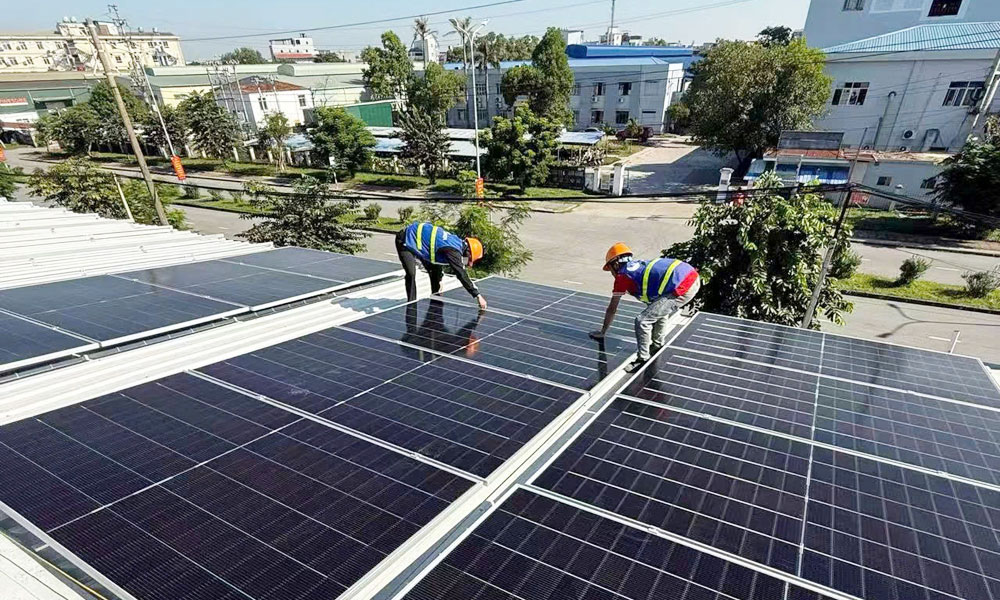
On June 26, 2026, the Government issued a decree amending and supplementing regulations on the DPPA mechanism and rooftop solar power for self-production and self-consumption.
Earlier on December 11, 2025, the National Assembly adopted a resolution on mechanisms and policies for national energy development during the 2026–2030 period, setting the policy base to accelerate energy transition, build a competitive power market and pool investment.
Nguyen Xuan Quy, Vice Chairman of the Vietnam Clean Energy Association, said DPPAs and BESS can only reach full potential if the policy ecosystem is built coherently.
He also called for transparent grid-use and system-service tariffs, standard contract templates in line with international practice, stronger metering and payment systems, and wider DPPA participation.
Quy also suggested completing renewable power certification, boosting transmission investment and ensuring coordination among DPPAs, rooftop solar and BESS.
That should include transparent rules for two-component electricity pricing and a clear path to a competitive retail power market.





Reader's comments (0)