 Bắc Ninh


Semiconductors are more than clean rooms and chips
BAC NINH - Bac Ninh is moving beyond traditional electronics assembly to high-end semiconductor packaging and is building an ecosystem to support semiconductor equipment manufacturing. Yet a shortage of highly skilled workers remains one of the biggest obstacles to the province's ambitions.
To discuss Bac Ninh's position in the global semiconductor supply chain and the challenges of developing a qualified workforce, Bac Ninh Newspaper and Radio-Television spoke with Dr. Vu Quang Khue, Principal of Bac Ninh College of Industry (BCi), an education leader with years of research experience in semiconductor materials.
 |
|
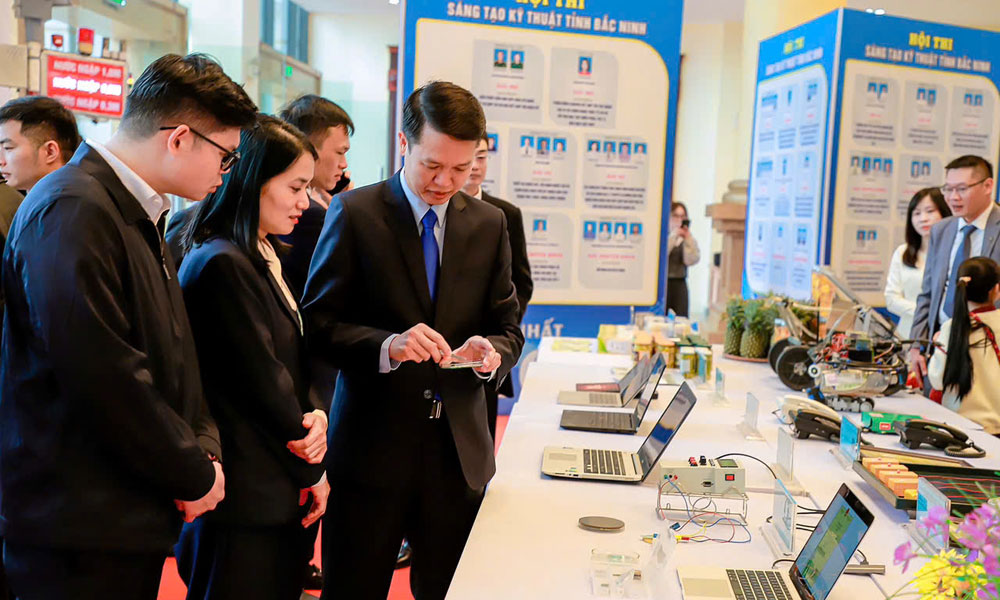
Dr. Vu Quang Khue presents applications of biosensor chips in food technology and infectious disease control at the 2025 Bac Ninh Technical Innovation Contest. |
Where does Bac Ninh currently stand in this global value chain?
Vietnam has yet to establish large-scale capabilities in chip design and wafer fabrication because both require enormous investment and highly specialized expertise.
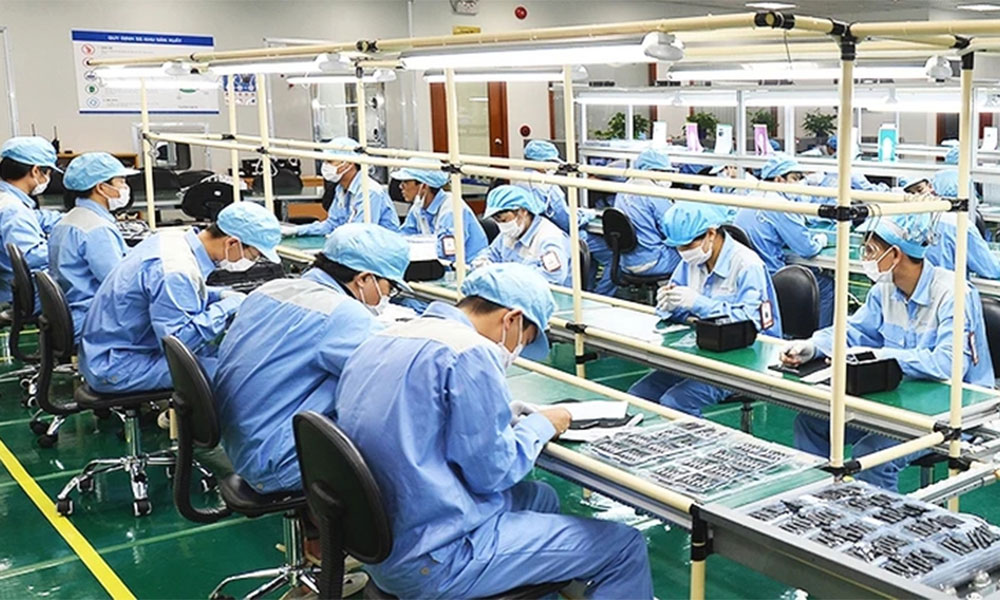
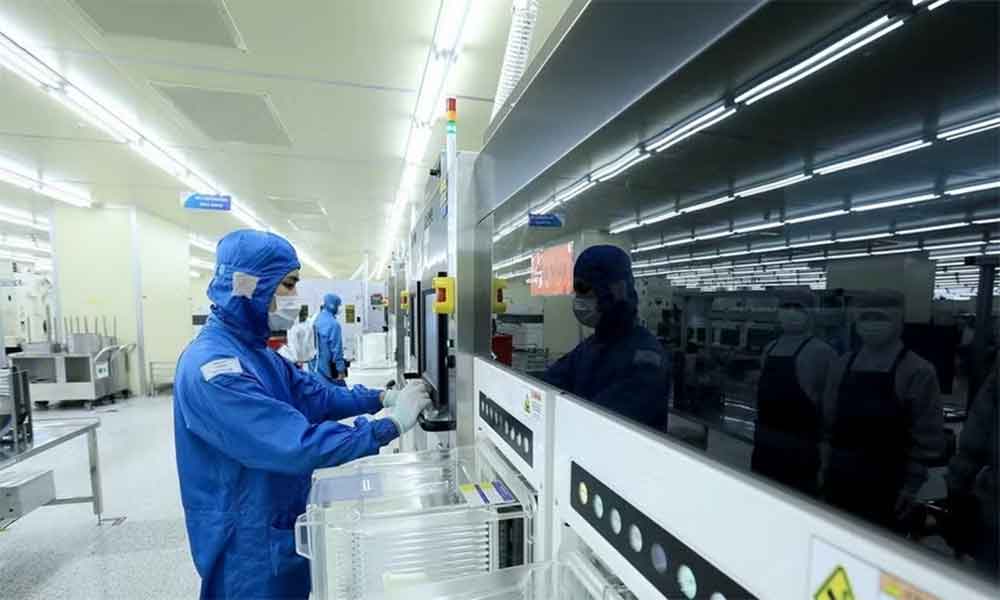
Bac Ninh, despite being one of Vietnam's leading industrial centers, currently participates mainly in the back-end segment of the industry through semiconductor packaging and testing.
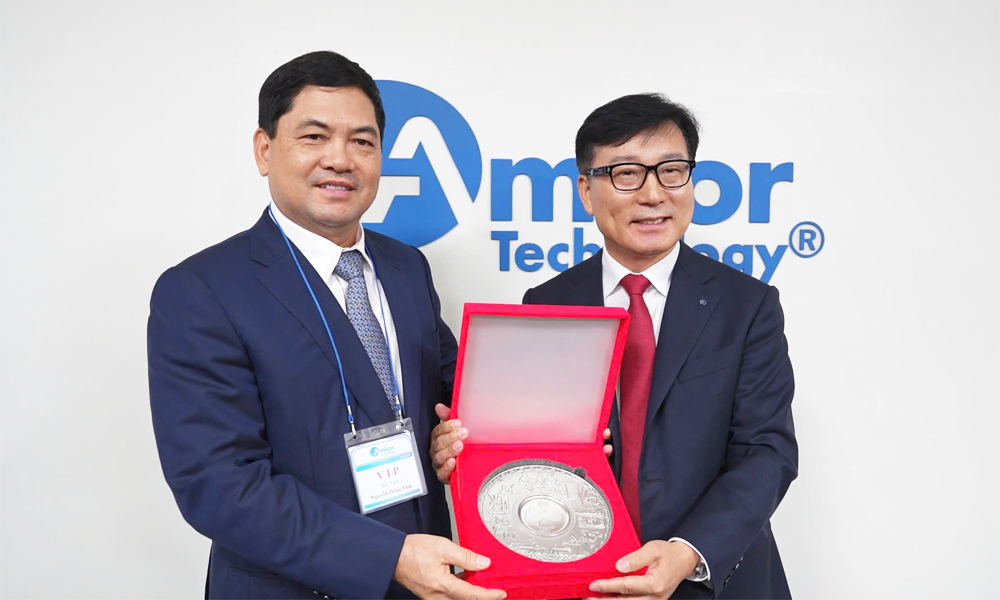
A key example is Amkor Technology's advanced semiconductor packaging facility at Yen Phong II-C Industrial Park, one of the company's most modern operations worldwide.
| Dr. Vu Quang Khue has more than eight years of research experience in electronic materials and the development of smart electronic devices, with a particular focus on semiconductor biosensors. He holds a Vietnamese patent for a rapid food-testing device granted by the National Office of Intellectual Property and won third prize at the Techfest Vocational 2019 competition for the Red River Delta and Northern Midlands and Mountainous region. He has also received numerous provincial awards and recognition for scientific and technological innovation. |
The province has also attracted satellite suppliers producing high-tech semiconductor components. These investments provide an important foundation for Bac Ninh to gradually expand into higher-value activities, including chip design and manufacturing in the future.
How is this industrial transition changing demand for skilled workers?
As the province shifts from traditional electronics assembly toward semiconductor packaging and testing, demand for highly skilled workers is rising rapidly.
Certainly, the industry requires engineers capable of chip design and advanced manufacturing. But it is important to recognize that not everyone working in semiconductors is a design engineer.
The most pressing need today is for highly trained technicians and practice-oriented engineers who can operate sophisticated semiconductor production equipment.
They are responsible for running automated production lines, operating robots, maintaining mechatronic systems, conducting vision-based inspections of circuit boards and semiconductor components, and managing production processes inside semiconductor plants.
With more semiconductor projects expected to arrive in Bac Ninh, demand for this workforce will continue growing significantly.
How is Bac Ninh College of Industry preparing workers for these new opportunities?
Following the province's strategy of becoming Vietnam's semiconductor and high-tech manufacturing hub, our college has redesigned its training programmes in close cooperation with industry partners.
Beginning with the 2025-2026 academic year, we introduced specialized programmes in smart factories, semiconductor integrated circuits, machine vision, intelligent manufacturing systems, micro-electromechanical systems (MEMS), the Internet of Things (IoT), industrial robotics and artificial intelligence.
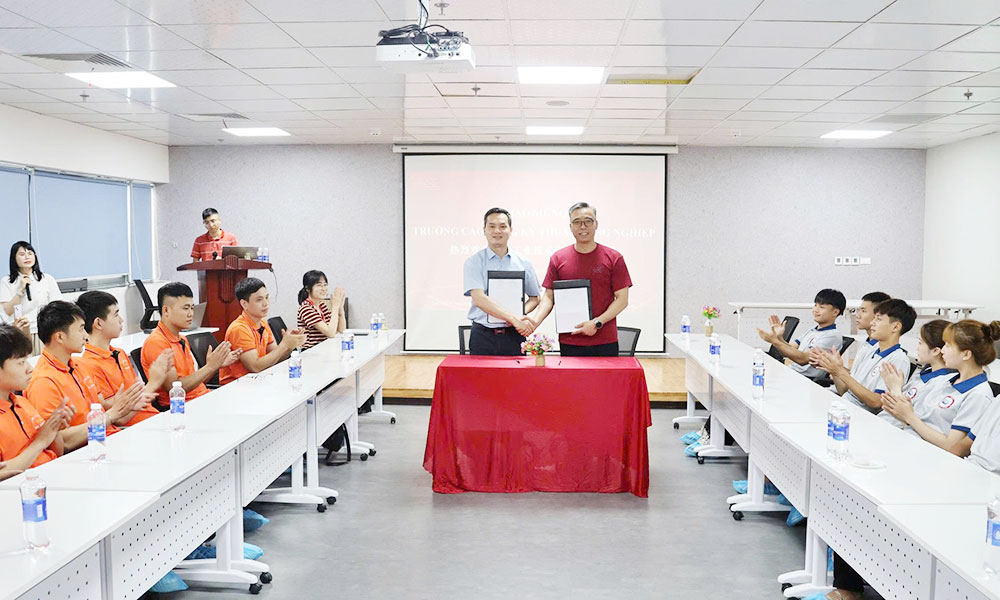
Beyond classroom education, we are working directly with companies to deliver training programmes tailored to their recruitment needs, ensuring graduates possess practical skills that match industrial demand.
What are the main opportunities and challenges in developing a workforce for the semiconductor industry?
Bac Ninh has already established an important policy framework. The provincial People's Council has issued Resolution No.113/2025/NQ-HDND stipulating financial support for vocational education and workforce development in semiconductors, artificial intelligence and digital technologies through 2030. This provides a strong foundation for building long-term human resources.
 |
|
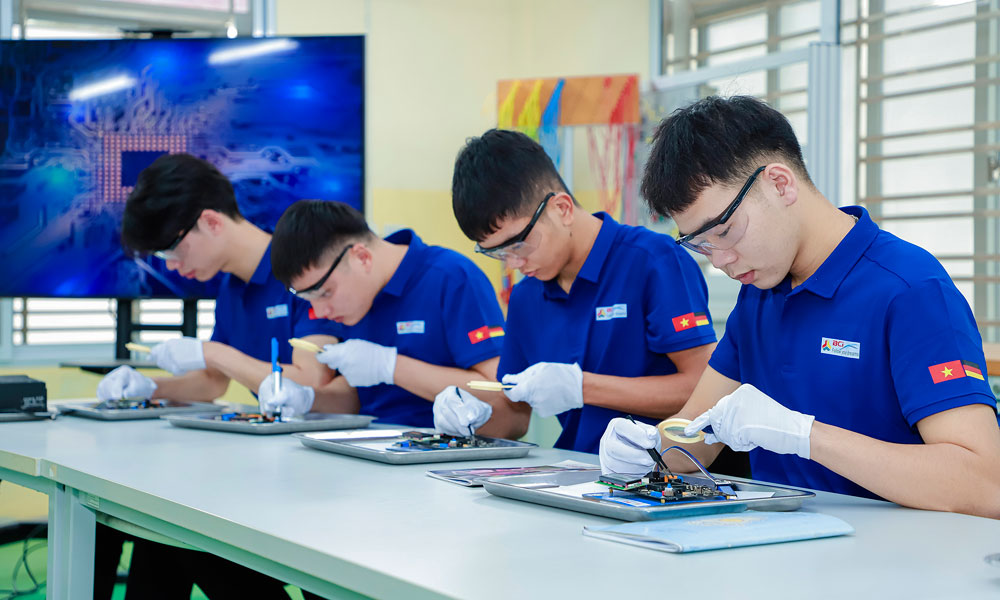
Students study semiconductor integrated circuits at Bac Ninh College of Industry. |
The greatest challenge remains investment in training equipment. Vocational colleges cannot independently purchase the full range of expensive semiconductor packaging and chip-testing systems required for practical instruction.
Another issue is student preparation. Semiconductor technology demands solid foundations in mathematics, physics and other natural sciences, making high-quality recruitment increasingly important.
That is why an effective partnership among government, educational institutions and businesses is essential.
Government should coordinate policy and connect training providers with employers, while schools must continuously improve their programmes, companies should actively participate in workforce development, and students, parents and secondary schools all have important roles in career guidance.
Despite the remaining challenges, Bac Ninh's expanding semiconductor ecosystem, clear industrial strategy and supportive policies give the province a strong opportunity to upgrade its workforce and move into higher-value segments of the global semiconductor supply chain.
Thank you very much!













Reader's comments (0)