 Bắc Ninh


Seven-month economy stays on growth track, eyes double-digit expansion
According to the National Statistics Office (NSO) under the Ministry of Finance, inflation remained under control, with the consumer price index (CPI) edging down 0.1% in July from the previous month. Average CPI in the January–July period rose an estimated 4.39% year-on-year, staying within the yearly target.
Vietnam's economy maintained solid momentum in the first seven months of 2026, supported by resilient trade, robust foreign investment, stronger public investment disbursement and a recovery in manufacturing, although significant challenges remain in achieving the Government's double-digit GDP growth target this year.
 |
|
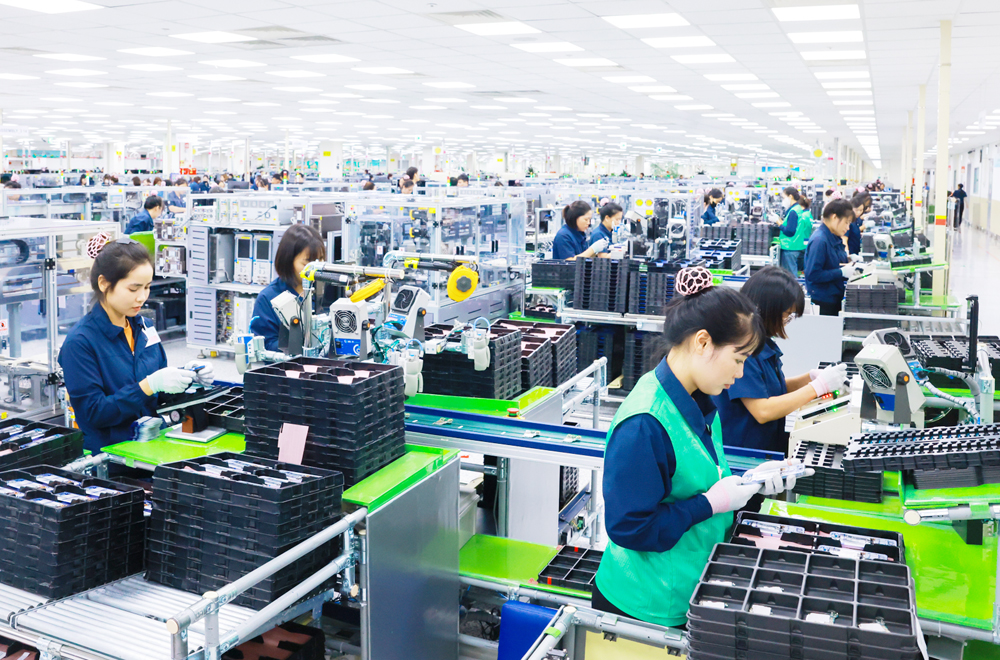
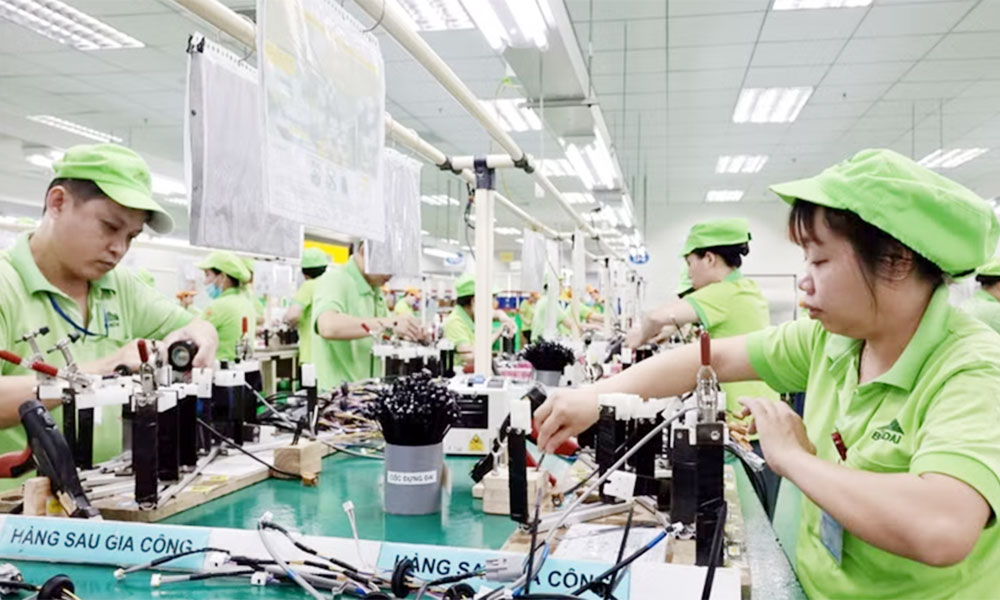
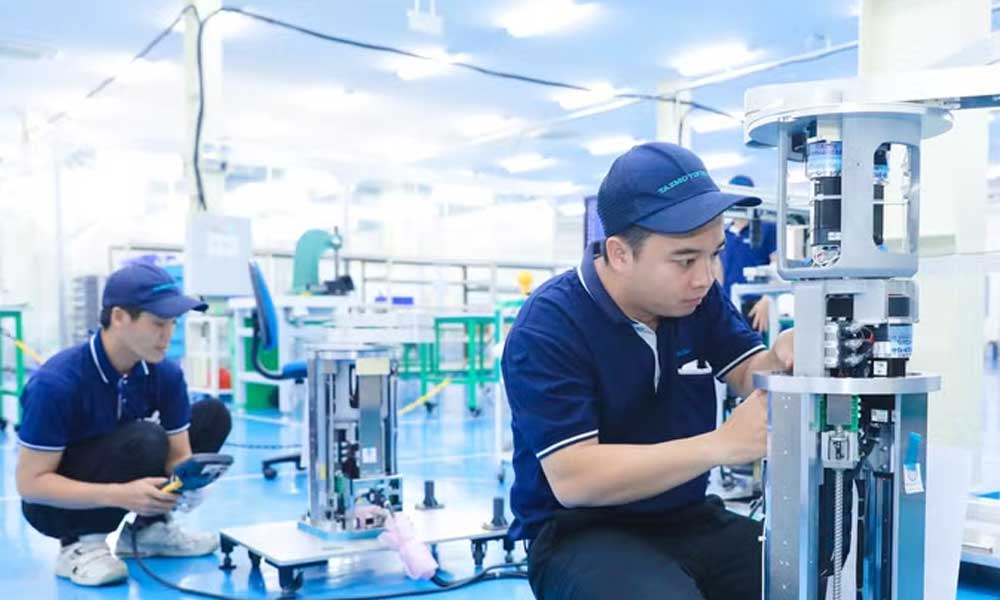
The production line at Samsung Electronic Vietnam Company Limited. |
According to the National Statistics Office (NSO) under the Ministry of Finance, inflation remained under control, with the consumer price index (CPI) edging down 0.1% in July from the previous month. Average CPI in the January–July period rose an estimated 4.39% year-on-year, staying within the yearly target.
State budget revenue reached an estimated 1.83 quadrillion VND, equivalent to 72.5% of the annual target, up 16% from a year earlier.
During the period, tax and fee reductions amounted to about 131.6 trillion VND, while around 42 trillion VND in taxes and fees were deferred to support businesses and people.
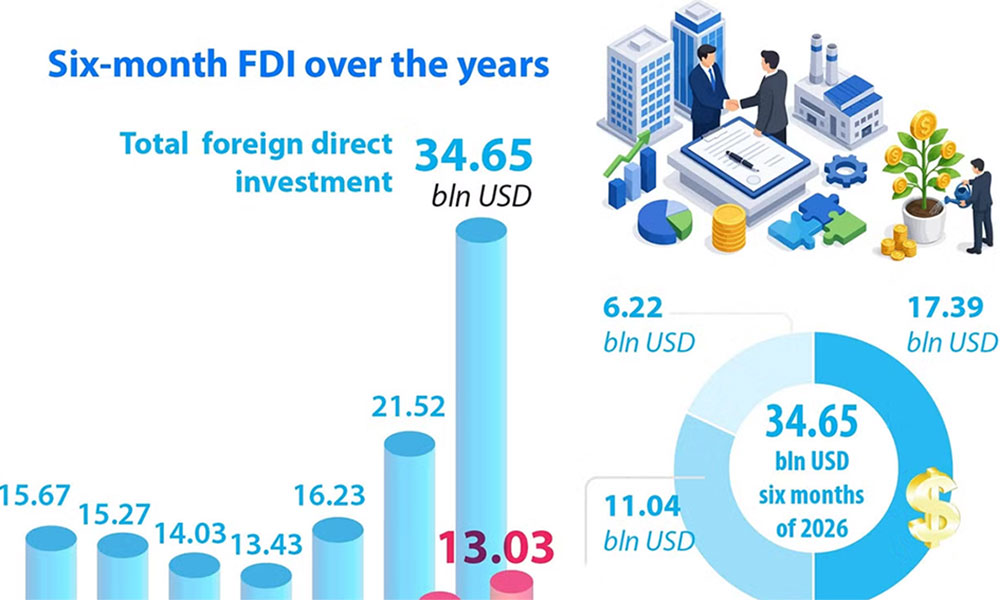
Foreign direct investment (FDI) remained a bright spot in the reviewed period. Total registered FDI, including direct and indirect investment, exceeded 38 billion USD in the last seven months, up 58% year-on-year.
Disbursed FDI was estimated at more than 15 billion USD, nearly 12% higher than a year earlier – the highest level recorded in the past five years.
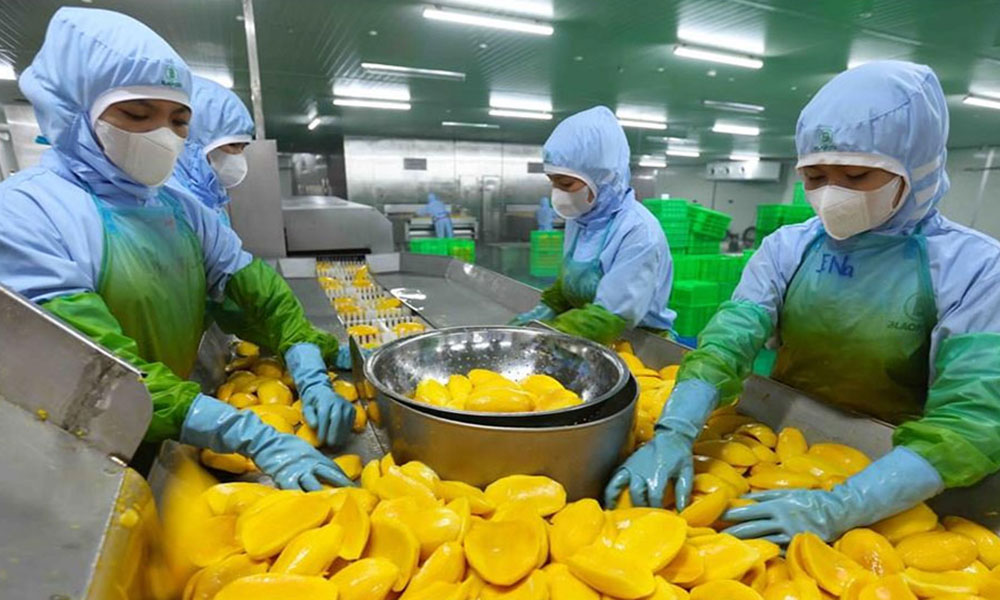
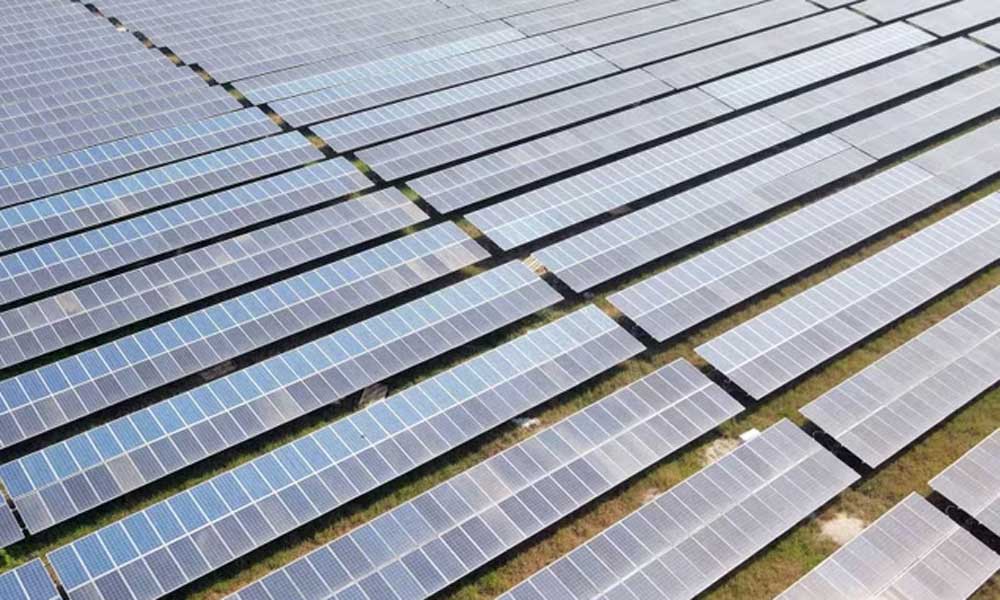
Manufacturing and processing attracted nearly 13 billion USD, accounting for almost 83% of total disbursed FDI, followed by real estate with 1.1 billion USD, and production and distribution of electricity, gas, hot water and air conditioning with 549 million USD.
Public investment disbursement also improved, reaching 425.3 trillion VND as of July 31, equivalent to 41.9% of the plan assigned by the Prime Minister.
Nguyen Thi Mai Hanh, head of the National Accounts Department at the NSO, said public investment is expected to become a stronger growth driver in the second half as major infrastructure projects gather pace.
Business activity showed further recovery, with more than 187,000 newly established and resumed enterprises in the January–July period, up nearly 8% year-on-year. Meanwhile, over 155,000 firms exited the market, also up nearly 8%.
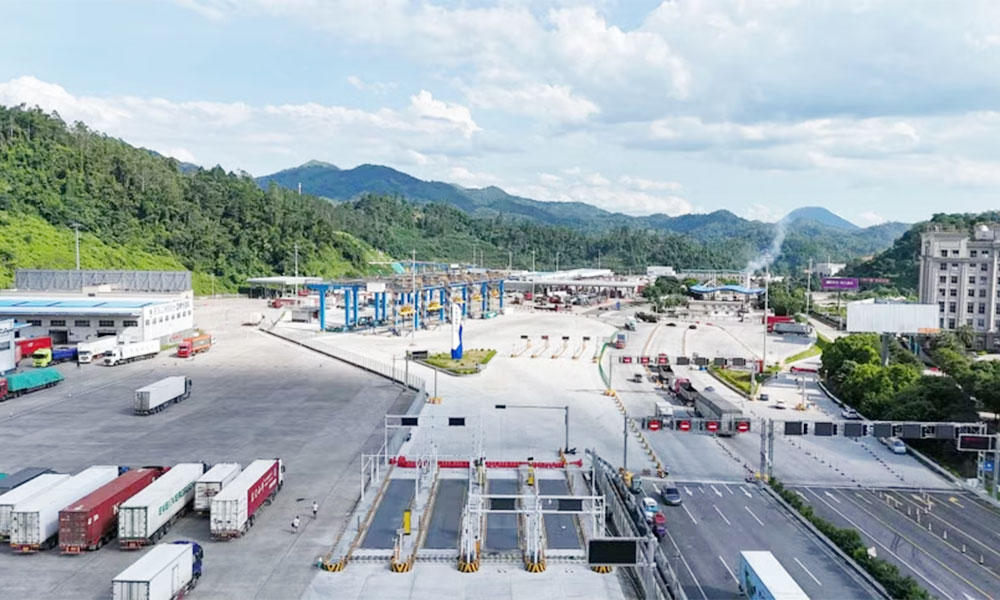
Trade remained a key pillar of growth. Total import-export turnover approached 660 billion USD, up more than 28% year-on-year. Exports reached nearly 320 billion USD, rising almost 22%, while imports climbed nearly 35% to about 340 billion USD.
Deputy Minister of Industry and Trade Nguyen Sinh Nhat Tan said the country's total trade value may surpass 1 trillion USD in 2026, driven by more effective use of new-generation free trade agreements (FTAs).
Meanwhile, S&P Global's July Purchasing Managers' Index (PMI) showed manufacturing recovery gaining strength, with faster growth in output, new orders and exports, rising employment and purchasing activity, and easing inflationary pressures.
Despite the positive picture, the Ministry of Finance warned of mounting challenges, including labour shortages in some projects, rising labour and material costs, slow disbursement progress in key national projects, limited room for inflation management amid volatile global oil prices.
Deputy Minister of Finance Nguyen Duc Chi said the Government has updated its growth scenarios under Resolution No. 168/NQ-CP and adopted flexible policy responses through Resolution No. 180/NQ-CP to support the goal of achieving at least 10% growth while maintaining macroeconomic stability.
Key measures include continuing fiscal support through tax and fee policies, maintaining stable monetary and foreign exchange markets, keeping lending rates in check, ensuring energy security and stable fuel supplies, reducing administrative and logistics costs, accelerating strategic infrastructure projects, expanding export markets and making full use of signed FTAs.
Prime Minister Le Minh Hung has also instructed ministries and localities to regularly review and update their progress toward growth targets so that timely and effective measures can be taken to sustain economic momentum; speed up public investment disbursement, particularly in lagging ministries and provinces; and ensure the full disbursement of the 2026 public investment plan without returning unused central budget funds before evaluating their impact on growth objectives.



Reader's comments (0)