 Bắc Ninh


Spring colours brighten Bac Ninh’s traditional craft villages
BAC NINH - As pale pink peach blossoms begin to bud along the riverbanks and a thin mist lingers on ancient tiled roofs, the northern Kinh Bac region eases into spring with a rhythm all its own. Here, the arrival of the Lunar New Year is not only marked by festivals or bustling streets, but also by centuries-old craft villages, where skilled hands quietly preserve memory, breathe life into each product and help create a warm and abundant Tet for Vietnamese families.
Like many rural areas, spring arrives early in Bac Ninh’s craft villages. While towns are still asleep, village workshops glow with light as a new workday begins. The scents of freshly milled rice, wood, clay and fire mingle in small yards and narrow alleys, where spring seems to take shape from labour itself.
 |
|
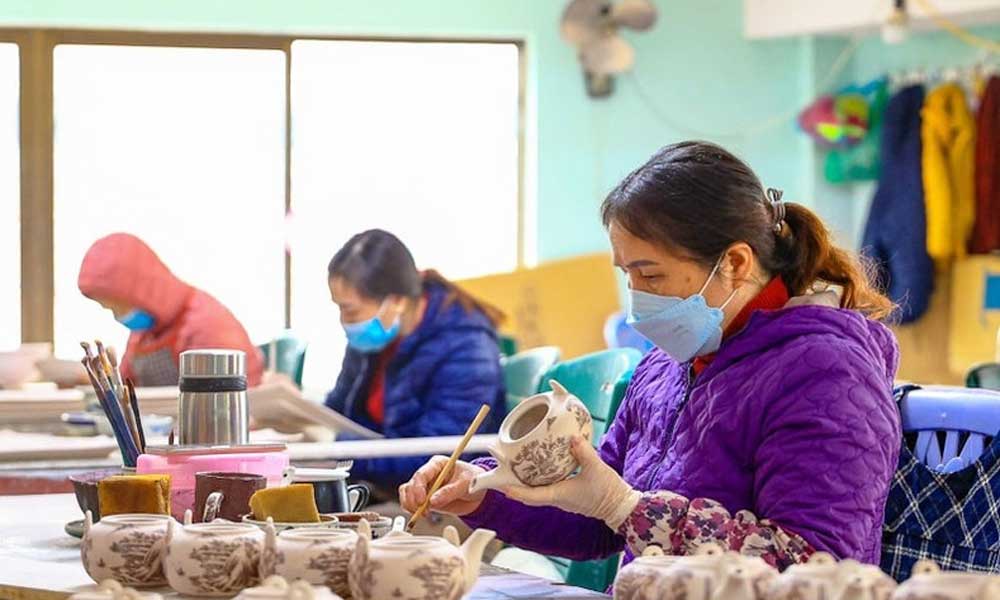
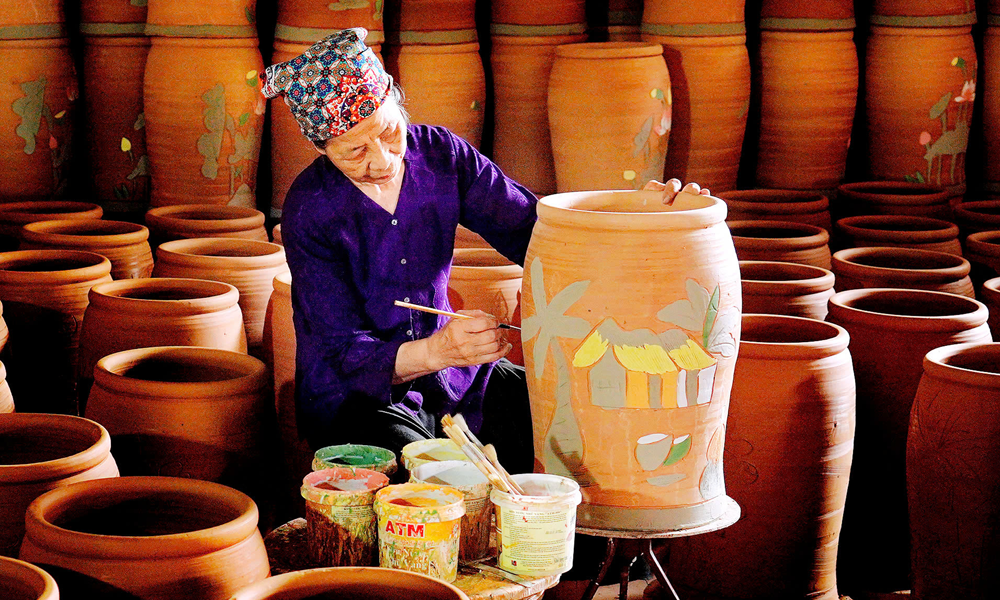
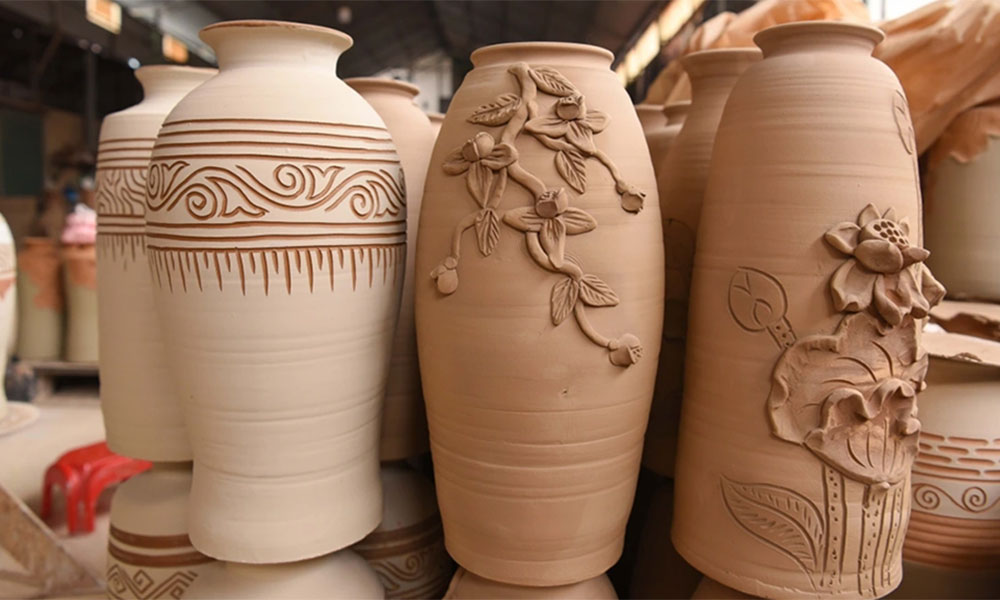
Producing ceramic vases for the Lunar New Year at Phu Lang craft village. |
Along the banks of the Cau River, Tho Ha residential quarter in Van Ha ward, an ancient settlement with a history stretching back hundreds of years, comes alive before 4 a.m.
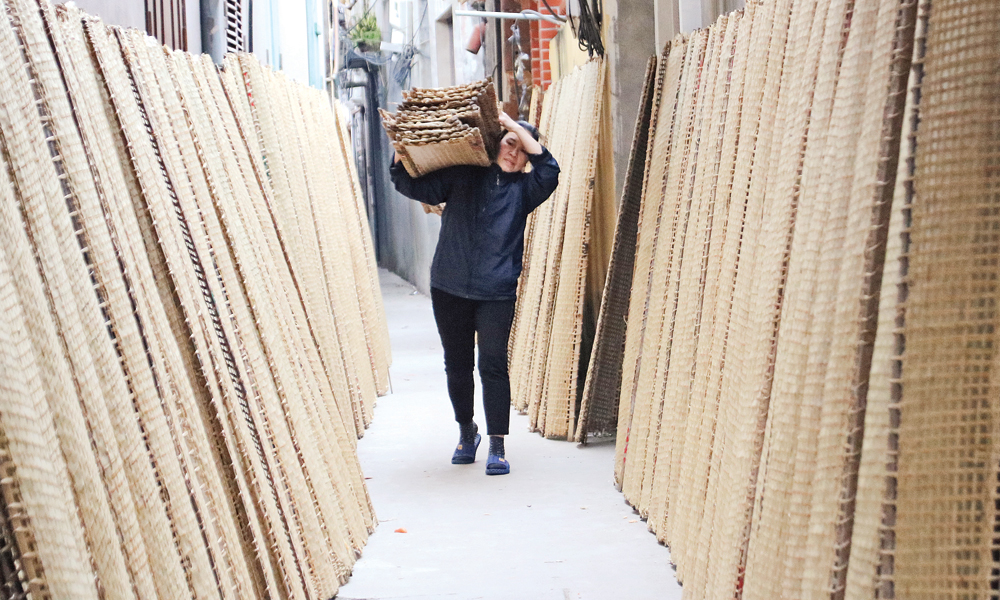
Rice paper production has become the lifeblood of the village, a living cultural heritage of the Kinh Bac region. Rows of bamboo racks line walkways and courtyards, where pale white rice paper sheets dry in the cold breeze, forming a simple yet evocative springtime scene.
Trinh Dang Khoa, who has spent more than 40 years in the trade, said each step must be done precisely to ensure quality, from selecting Khang Dan rice and soaking it in salted water to grinding, steaming, spreading and sun-drying the sheets.
“Machines now help boost productivity, but the quality has to remain the same as before,” Khoa said. His family produces around 7,000 sheets a day, increasing output by another 3,500 sheets in the weeks leading up to Tet, earning a daily profit of 700,000–800,000 VND (30 – 35 USD).
According to veteran craftsman Bui Cong Ly, the drying stage is Tho Ha’s key secret. “Only with the right amount of sunlight does the rice paper stay soft, chewy and unbroken when soaked,” he said. Today, electric dryers have reduced reliance on weather conditions, allowing producers to meet rising demand.
With no farmland and rivers on three sides, Tho Ha shifted entirely to rice paper making after its pottery trade declined in the early 20th century. The craft now sustains more than 300 households and over 1,000 workers. In June 2025, Tho Ha rice paper making was officially recognised as a national intangible cultural heritage, underscoring its enduring value.
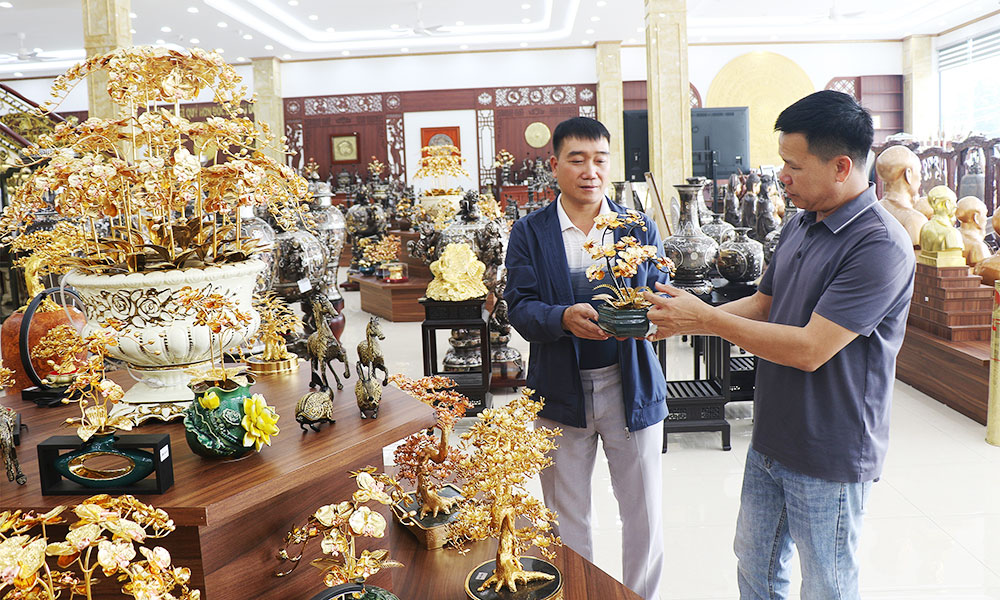
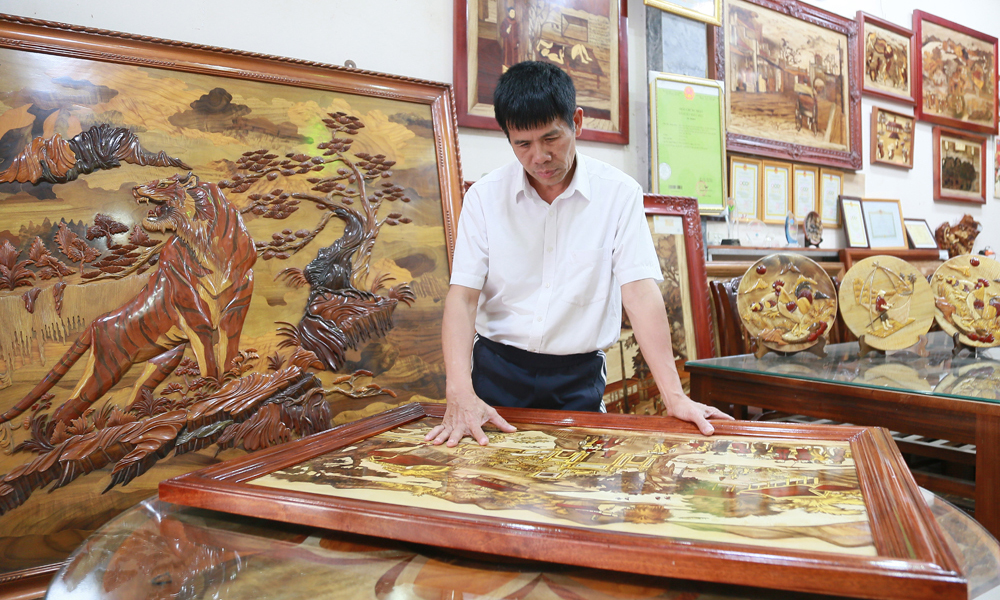
Beyond Tho Ha, the pulse of spring spreads to other craft centres. In Dong Ky ward, the sound of chisels and machines echoes from wood workshops day and night as ornate ancestral altars and calligraphic panels are finished for Tet.
In Phu Lang commune, pottery kilns burn continuously, producing earthenware with warm brown glaze tones. Artisans say pottery fired in the final months of the year is often the finest, when earth, water and fire reach perfect balance.
Bac Ninh is home to hundreds of craft villages, each with its own story of resilience and adaptation. From Phu Lang pottery to Tho Ha rice paper and Van village liquor, many producers have modernised operations and built brands, increasing output by 5–10% toward year-end.
At Phu Lang, Ngoc Pottery workshop exemplifies innovation rooted in tradition. Operating in a 1,000-square-metre facility, it produces around 1,000 artistic items annually using traditional eel-skin glaze.
 |
|
Rice paper sheets in Tho Ha are laid out to dry under the gentle year-end sun. |
Owner Doan Minh Ngoc, a fourth-generation potter, said her family has developed eco-friendly glazes from rice husk ash and river sediment to meet market demand. The products have won awards in 2025 and are sold domestically and exported to markets including Thailand and South Korea.
Local officials say young, university-trained artists returning to the village have helped diversify designs and raise product value, supported by preservation projects backed by provincial authorities and Japan International Cooperation Agency (JICA).
Despite progress, challenges remain, including small-scale production, environmental pressures and limited market access. Provincial officials stress the importance of nurturing skilled artisans, encouraging creativity and linking heritage preservation with tourism and green economic development.
As spring arrives, goods from Bac Ninh’s craft villages travel across the country, appearing on family altars and Tet tables. The spring colours of Bac Ninh’s craft villages are not only seen in products, but in enduring faith, identity and a land of crafts quietly moving toward the future.



Reader's comments (0)