 Bắc Ninh


TikTok aims to promote 'e-commerce commune' model in Vietnam
TikTok plans to allocate VND100 billion (US$4 million) in the final six months of 2026 to expand the “e-commerce commune” model nationwide - a grassroots digital commerce initiative that helps entire communes sell local products online in a coordinated way.
At Corporate Social Responsibility Day 2026 on May 13, TikTok Shop announced its corporate social responsibility roadmap for the year, centered on the initiative "Vietnamese Goods Rising 2026."
 |
|
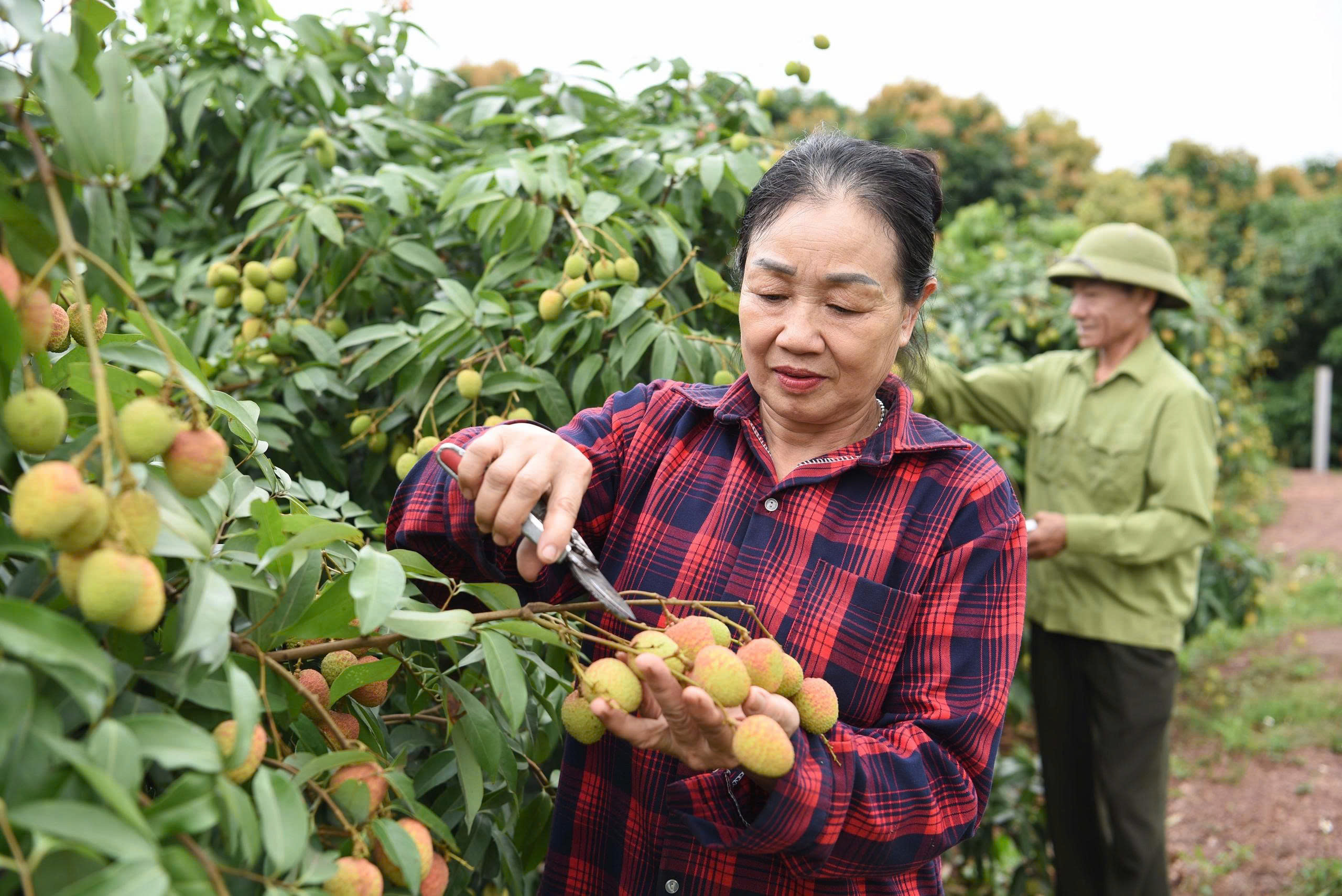
A livestream session selling agricultural products in Lai Chau earlier this year. |
The program seeks to scale up proven models while strengthening cooperation with regulators, operating partners, and logistics providers to remove barriers related to capacity, infrastructure, and market connectivity for local economies.
The new roadmap focuses on supporting micro, small, and medium-sized enterprises, cooperatives, small traders, and local communities to participate more deeply in the digital economy.
A key component is the partnership between TikTok Shop and the E-commerce and Digital Economy Agency under the Ministry of Industry and Trade to expand the "Localities Rising" initiative through a two-tier model: "One Province, One Shop" and "E-commerce Commune."
According to TikTok, the program aims to promote e-commerce adoption at the grassroots level across more than 3,000 communes and wards nationwide, helping localities build digital business capabilities based on their products, people, content, and local strengths.
Following a pilot in Binh Lu Commune of northern Lai Chau province, several provinces, including Bac Ninh, Ha Tinh, and Thai Nguyen, have expressed interest in implementing the model.
Under this framework, TikTok Shop will not only serve as a sales channel but also support localities in developing digital business capacity, ranges from identifying key products and training sellers to building online communities.
"This is also a way for e-commerce to help spread local identity, regional pride, and Vietnamese cultural values at scale through commerce," a platform representative said.
Le Hoang Oanh, Director General of the E-commerce and Digital Economy Agency, said the models not only create additional sales channels but also enhance local digital business capabilities, promote regional specialties, and enable deeper participation in the digital economy.
She added that the initiative aligns with the government’s strategy to promote grassroots digital economic development, narrow regional gaps, and advance sustainable e-commerce.
Nguyen Lam Thanh, Director of TikTok Vietnam, noted that most content creators and sellers are currently concentrated in major cities. To expand e-commerce in local areas, more "digital wards" and "digital communes" need to establish a presence online.
He said that since the rollout of the two-tier local governance model last year, many new ward and commune names have appeared, but online information about them remains scarce.
Meanwhile, geographical indications linked to former place names risk fading over time. Many localities also face challenges in applying science and technology and advancing digital transformation to improve production capacity.
"We hope to serve as a bridge, helping local authorities and residents access science, technology, and the Internet to support economic development," Thanh said, adding that TikTok plans to allocate about VND100 billion ($3,800,000) to support the program in the second half of 2026.
The support package will include commission and transaction fee incentives for new sellers, particularly those in the OCOP (One Commune, One Product) program, agricultural producers, and traditional craft villages.
It will also offer advertising credits, discount vouchers, and campaigns to boost sales of Vietnamese goods on the platform.
Data released by the Ministry of Industry and Trade at the event showed that Vietnam’s e-commerce market reached $32 billion in 2025, accounting for nearly two-thirds of the country’s total digital economy value.
Over the past year, more than 200,000 OCOP and Vietnamese products were given identification labels to enhance visibility on TikTok Shop. More than one million discount vouchers dedicated to Vietnamese goods were distributed.
Sellers participating in the "Vietnamese Goods Saturday" program recorded average revenue growth of 3.5 times compared with 2024. Additionally, over 30,000 sellers received training in store management, livestream selling, and updates on tax and legal regulations.
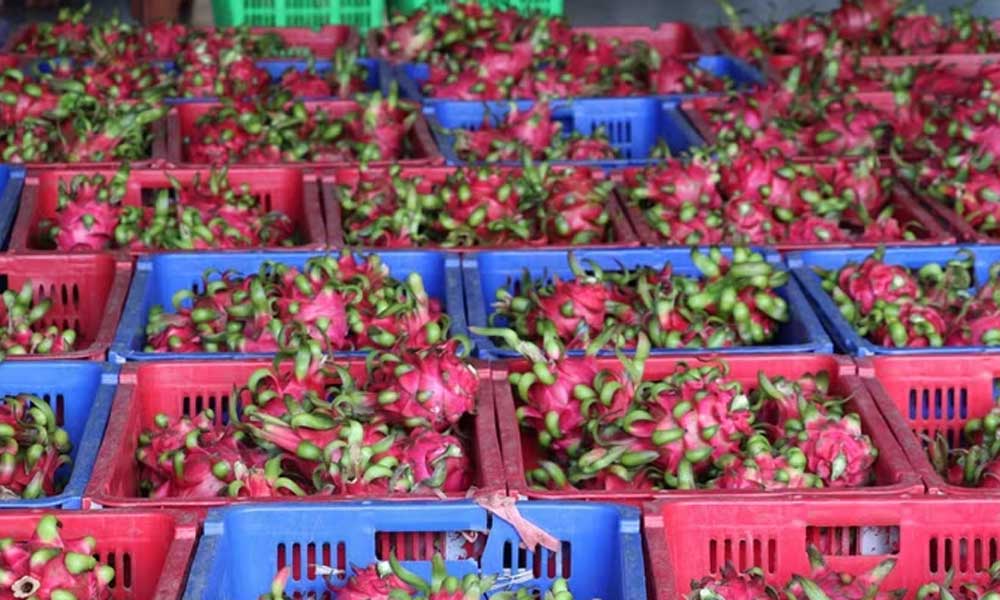
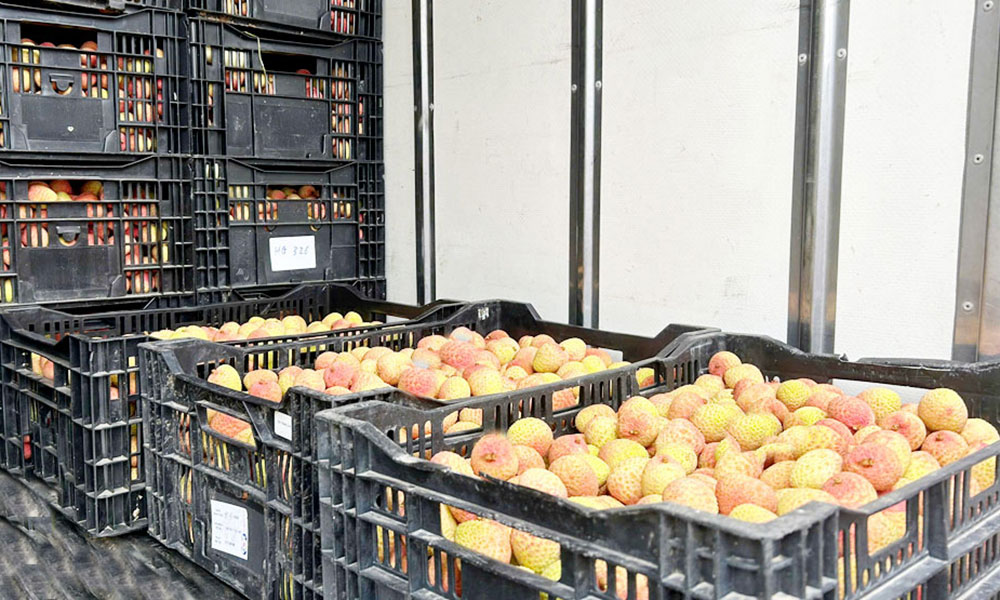
In 2025, the agricultural category on TikTok Shop also saw significant growth, particularly in fresh fruit. After nine months of launching the category, the platform reported sales of more than 200 tons of fresh fruit.
Some local specialties quickly gained nationwide traction, such as Sau Huu durian, which sold over 10 tons within 48 hours. Meanwhile, Northwest ginseng potatoes became a platform phenomenon, with more than 600 tons sold.





















Reader's comments (0)