 Bắc Ninh


Trang An at the heart of Ninh Binh’s heritage city vision
Over the past decade, Trang An has become a successful example of development that regards culture as both a driving force and an objective while placing people at the centre of all development efforts.
Twelve years after being recognised by UNESCO as a World Cultural and Natural Heritage Site, the Trang An Landscape Complex in the northern province of Ninh Binh continues to stand out as Southeast Asia’s only mixed world heritage property, celebrated for both its exceptional natural beauty and rich cultural significance.
 |
|
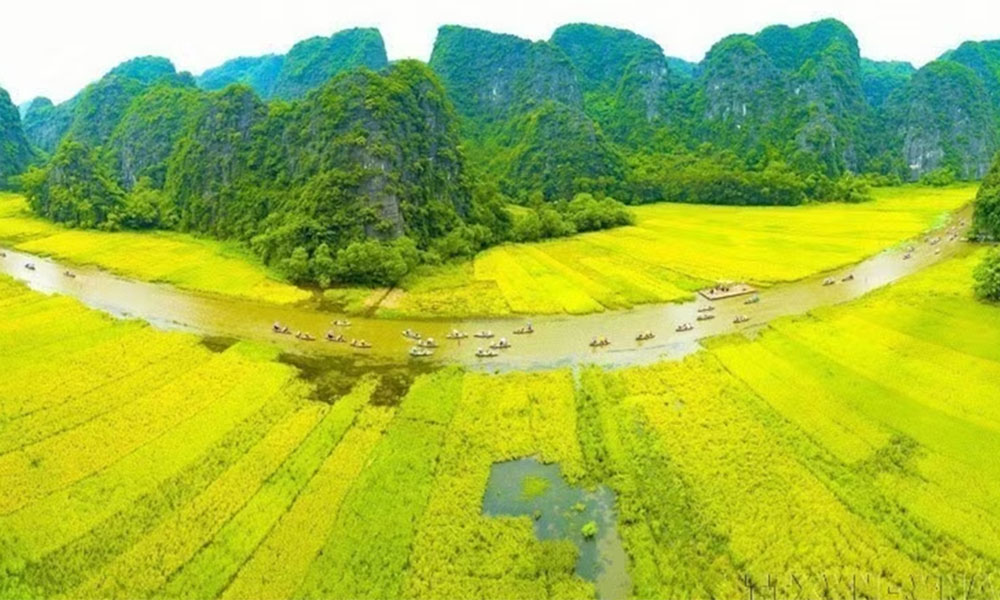
Boats carrying vistors to Tam Coc – Bich Dong, part of the Trang An Lanscape Complex. |
Since receiving the UNESCO status on June 23, 2014, Trang An has transformed not only Ninh Binh’s tourism sector but also the local development strategy.
The province welcomed 4.3 million visitors in 2014, generating tourism revenue of more than 940 billion VND (35.7 million USD at the current exchange rate).
A decade later, visitor arrivals had doubled to 8.7 million while tourism earnings surged nearly tenfold to over 9.17 trillion VND.
In 2025, Ninh Binh recorded more than 19.4 million visitors, including over six million to Trang An alone, generating almost 21.28 trillion VND in tourism revenue.
The heritage site has become the cornerstone of Ninh Binh’s growing reputation as one of Vietnam’s leading tourism destinations. International recognition has also followed, with Ninh Binh earning a place among the world’s friendliest destinations and top travel experiences in recent years.
Yet the success of Trang An brings a delicate challenge: balancing economic growth and local livelihoods with UNESCO’s strict conservation requirements.
A study released by international research organisations in April 2025 estimated the combined economic and cultural value of the Trang An Landscape Complex at 213 billion USD.
Experts note that only a small fraction of this potential, less than 0.5%, has been tapped, highlighting opportunities for carefully managed and sustainable development.
This vision was reinforced by the adoption of the “Trang An Document” at an international scientific conference in Ninh Binh in 2025.
The document called for integrating heritage conservation into provincial and national development strategies, positioning Trang An as a global model for sustainable tourism and heritage-based economic growth.
Under Ninh Binh’s development plan for 2021–2030, with a vision to 2050, the province aims to become a centrally governed city distinguished as a “millennium heritage city” and a creative urban centre.
At the heart of that ambition is Trang An, serving both as a protected heritage treasure and a driver of long-term development.
Often described as a geological masterpiece, Trang An features one of the world’s most spectacular tropical karst landscapes.
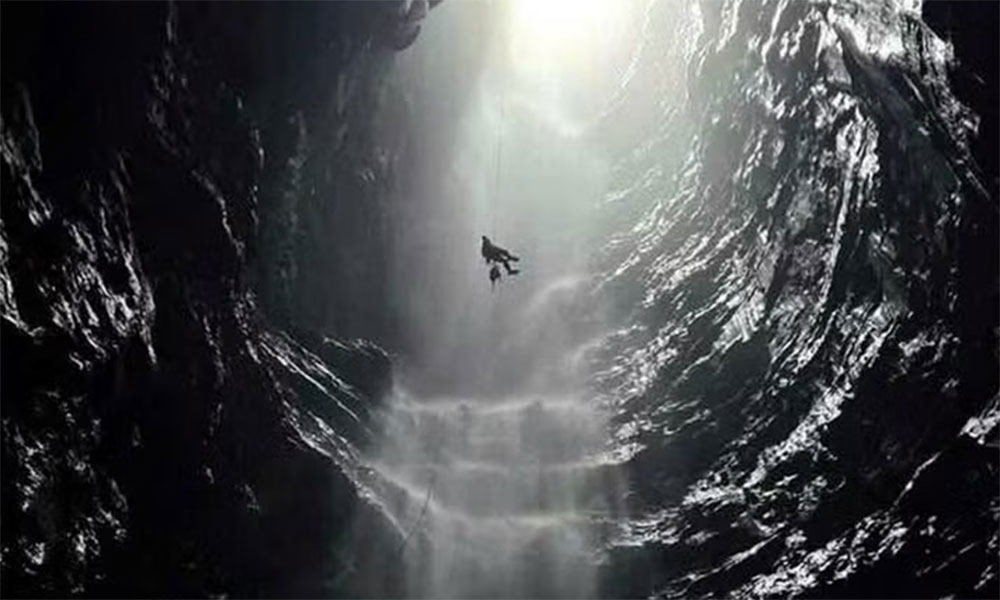
Formed over more than 250 million years, its limestone mountains, caves and waterways preserve traces of an ancient sea that once covered the region.
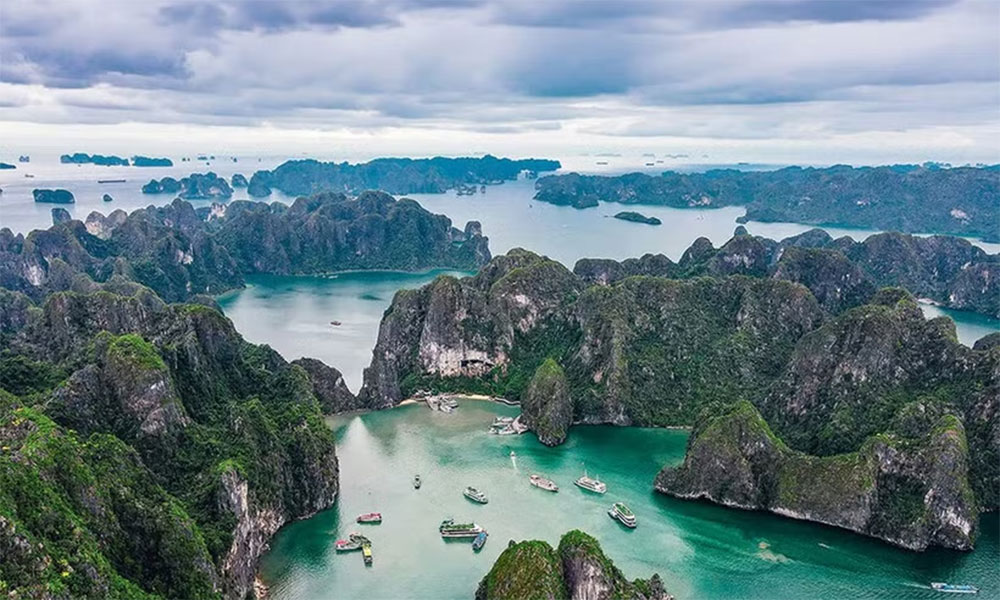
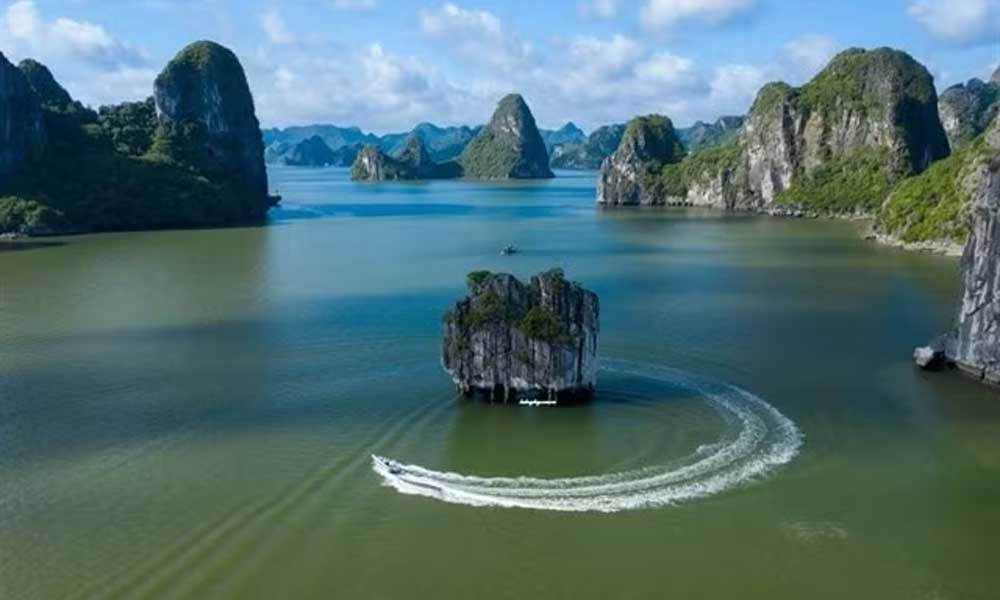
International geologists have compared the landscape to a “fossilised Ha Long Bay” that rose from the ocean over millions of years.
The site is equally remarkable for its biodiversity, with around 600 plant species and more than 200 terrestrial animal species, including the critically endangered Delacour’s langur, one of the world’s rarest primates.
The Trang An Landscape Complex consists of three adjacent areas – the Hoa Lu Ancient Capital relics, the Trang An – Tam Coc – Bich Dong scenic area, and the Hoa Lu special-use primary forest.
The natural setting of Trang An provided unique conditions that allowed this area to become an early cradle of continuous habitation and evolution for ancient Vietnamese people, dating back at least 23,000 years.
Within the complex, more than 50 archaeological sites have been discovered, with each soil layer telling stories of the extraordinary adaptation of the Vietnamese to harsh environmental and climatic changes.
The pinnacle of this journey is Hoa Lu Ancient Capital, the first capital of Vietnam’s independent centralised feudal state – the political centre of the Dinh (968–980) and Early Le (980–1009) dynasties, laying the foundation for an independent nation over a thousand years ago.
Over the past decade, Trang An has become a successful example of development that regards culture as both a driving force and an objective while placing people at the centre of all development efforts.
The site has demonstrated that economic growth can be achieved without sacrificing environmental protection. Thanks to this approach, the Trang An Landscape Complex has been recognised by UNESCO as one of the world's leading examples of successfully integrating economic development with sustainable tourism.





Reader's comments (0)