 Bắc Ninh


Vietnamese cuisine brings a taste of home to Colombia
Hieu Le’s restaurant in Medellin, Colombia, is called District 1. Beneath its name is the Spanish phrase “Auténtica Cocina Vietnamita”, meaning authentic Vietnamese cuisine. Paper umbrellas hang outside, while red lanterns cast a warm glow over dark wooden tables inside. Paintings of a woman wearing an ao dai and a conical hat, alongside illustrations of Vietnamese dishes such as broken rice, crab noodle soup and banh mi, decorate the walls.
Though he speaks only limited Vietnamese and has visited the country just once, Vietnamese-American Hieu Le has opened a Vietnamese restaurant and makes fish sauce from sardines in Colombia.
 |
|
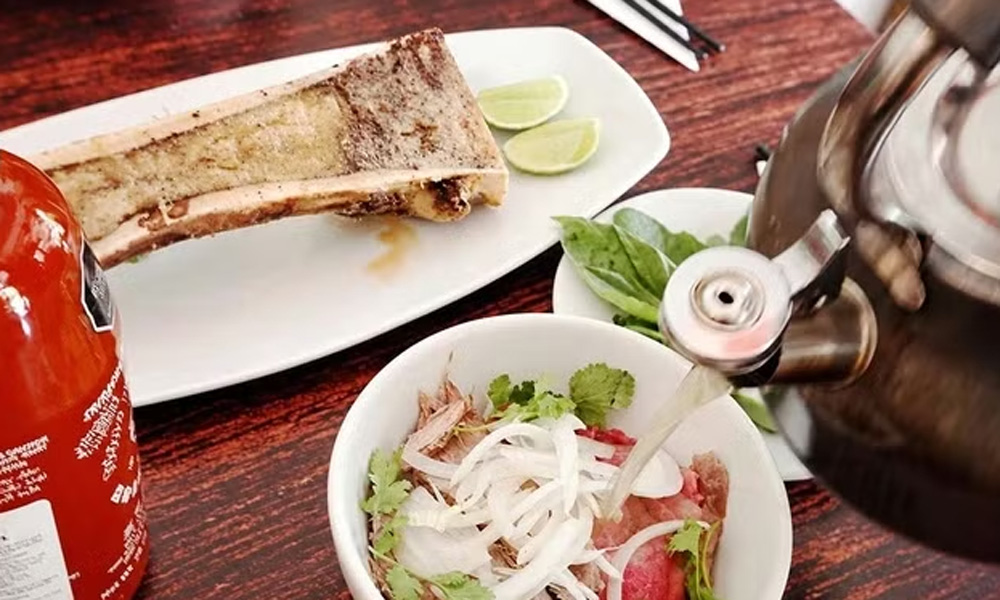
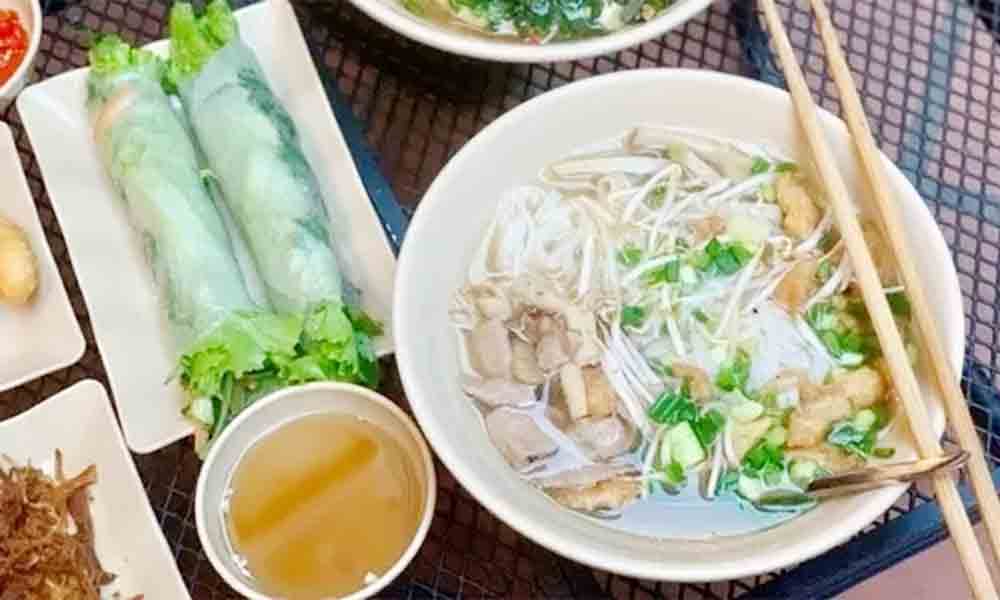
A bowl of the restaurant’s signature dish, “pho” with roasted beef marrow. (Photo: thanhnien.vn) |
Hieu Le’s restaurant in Medellin, Colombia, is called District 1. Beneath its name is the Spanish phrase “Auténtica Cocina Vietnamita”, meaning authentic Vietnamese cuisine.
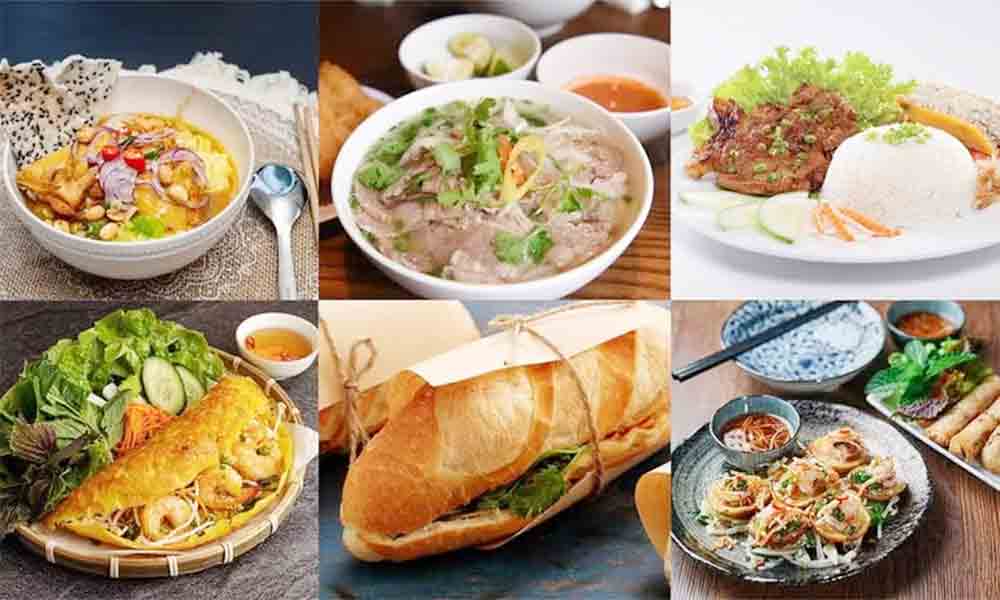
Paper umbrellas hang outside, while red lanterns cast a warm glow over dark wooden tables inside. Paintings of a woman wearing an ao dai and a conical hat, alongside illustrations of Vietnamese dishes such as broken rice, crab noodle soup and banh mi, decorate the walls.
At a nearby table, Daniela, a 23-year-old Colombian woman, leans over a bowl of the restaurant’s signature dish, “pho” with roasted beef marrow, to take in its aroma.
She asks about the herbs and spices before slowly tasting the dish, holding a spoon in her right hand and a fork in her left.
“Colombians usually eat noodles more like Italian pasta, served dry with sauce and meat. Pho comes with broth, so it is different and delicious,” she says.
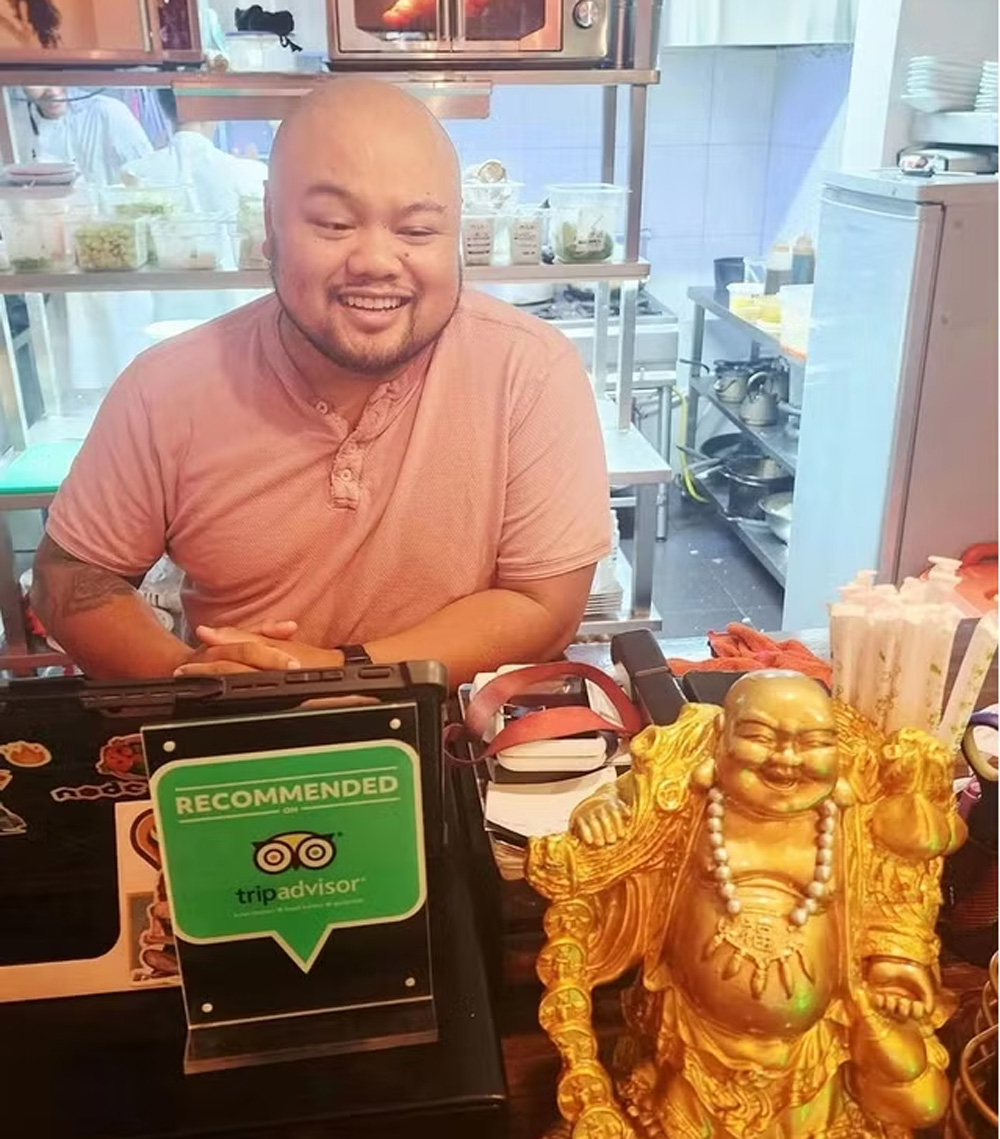
Hieu, sitting behind the counter, smiles beside a sign displaying the restaurant’s Tripadvisor recommendation.
“We may not be the biggest or most beautiful restaurant, but we are confident that we serve some of the most authentic Vietnamese food. Beyond making money, I want to introduce Vietnamese cuisine to Colombians,” he says.
Born in California, the US, in 1991, Hieu speaks little Vietnamese and understands only parts of the language. He has visited Vietnam only once, in 2007, and has few memories of his ancestral homeland. Yet he has a strong connection to Vietnamese food.
“My mother is a very good cook. I grew up eating her food, so even though I am not a good cook myself, I know what tastes right and what does not,” he says.
Hieu asks his mother for recipes and records videos of her cooking before taking them to Colombia to show his chefs. He tastes each dish and adjusts the seasoning until it matches the flavours he remembers.
When the restaurant gets busy, he also steps into the kitchen to prepare ingredients and cook. “I may have forgotten much of the Vietnamese language, but my tongue still remembers my mother’s cooking. One taste is enough for me to know whether a dish is close to hers,” he says with a smile.
Saul, a Venezuelan co-manager, often asks Le whether a dish tastes sufficiently Vietnamese. Working with him has also introduced Saul to the country’s food and culture.
Colombian chef Jaime, meanwhile, has noticed the extensive use of seasonings such as fish sauce, basil and star anise, as well as the Vietnamese preference for spicy food.
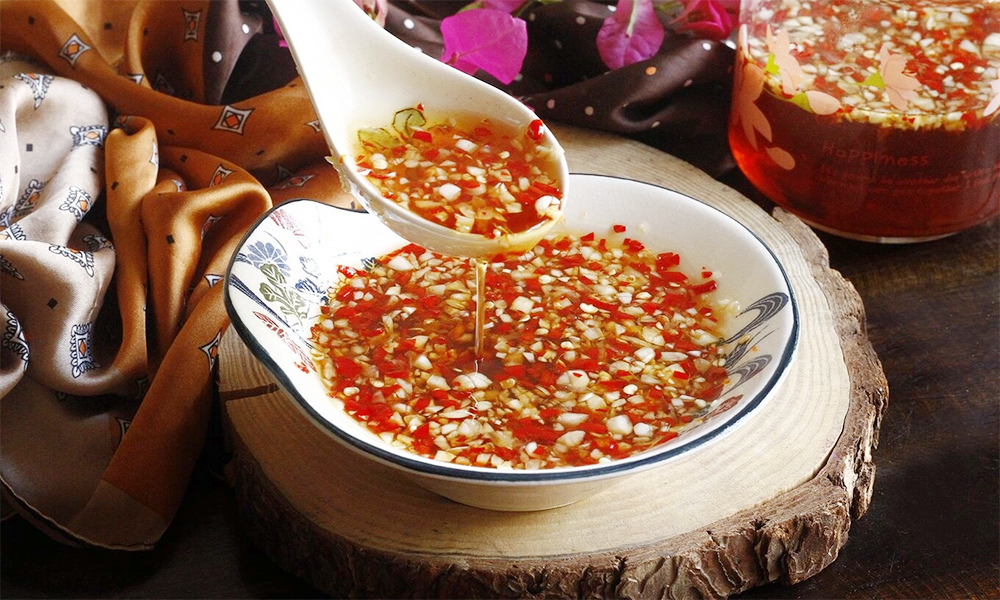
While “pho” attracts customers, fish sauce has become central to Hieu’s longer-term effort to preserve the flavours of home.
Around 2022-2023, Colombia tightened restrictions on importing products with high sodium content. Fish sauce, chilli sauce and other Asian seasonings became difficult to obtain.
To keep his restaurant supplied, Le turned to Vietnamese community groups in the United States for help.
Danny Tran, owner of the Son Fish Sauce brand in the US, learned of his difficulties and donated nearly 500 litres of fish sauce.
“Seeing how passionate Hieu was about Vietnamese cuisine and knowing he was facing difficulties, I wanted to help a fellow Vietnamese,” Danny says.
 |
|
Though he speaks only limited Vietnamese and has visited the country just once, Vietnamese-American Hieu Le has opened a Vietnamese restaurant and makes fish sauce from sardines in Colombia. (Photo: thanhnien.vn) |
The supply helped the restaurant through a difficult period, but Le knew he needed a long-term solution. In 2023, he travelled to the coastal area of Tolú on Colombia’s Caribbean coast, where sardines were suitable for making fish sauce.
“I focus on high-protein fish sauce, not mass-market dipping sauces that simply have a fish-sauce flavour,” he says. He believes the Asian community and Colombians interested in cooking Asian food could provide a market for the product.
The fish comes from Colombia, while the fermentation method is Vietnamese. However, instead of traditional wooden barrels, Hieu uses stainless steel tanks to meet local food hygiene requirements. He also has to navigate regulations that differ from those in Vietnam.
After more than a year, the first batch yielded around 600 litres of pure fish sauce. However, getting it onto supermarket shelves proved much more difficult.
Requirements for production facilities, equipment, procedures and food safety controls stalled the project. Hieu has since bottled the sauce for use in his restaurant.
“It is very disappointing that all the effort and savings I put into this were not enough to introduce Vietnamese fish sauce to Colombian consumers. For now, I have to use it in the restaurant and introduce it indirectly through Vietnamese dishes,” he says.

Reader's comments (0)