 Bắc Ninh


14th National Party Congress brings new vitality to international community: French senator
According to Hélène Luc, Honorary Senator and Honorary President of the France–Vietnam Friendship Association, the 14th National Congress of the Communist Party of Vietnam (CPV) demonstrated that the world can indeed choose a different way of living – one based on peaceful coexistence, the promotion of multilateralism, mutual respect among nations, and the use of science, knowledge and social wealth as foundations to serve humanity and human-centred development.
At a time when the world is grappling with unprecedented challenges ranging from armed conflicts and geopolitical instability to economic uncertainty and severe climate and environmental pressures, the 14th National Congress of the Communist Party of Vietnam (CPV) has brought a wave of new vitality to the international community, said Hélène Luc, Honorary Senator and Honorary President of the France–Vietnam Friendship Association, in an interview with the Vietnam News Agency's correspondent in Paris.
 |
|
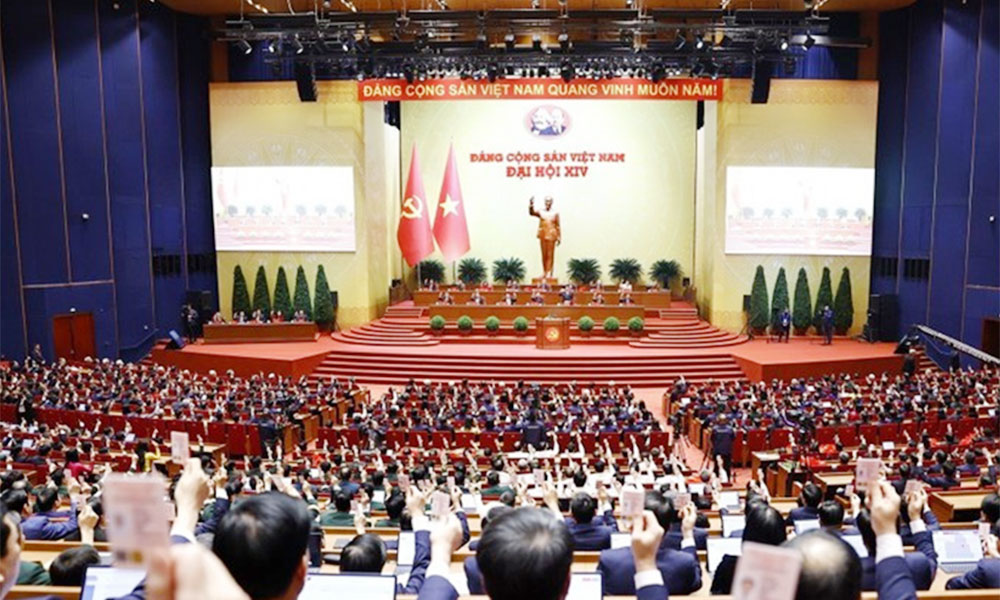
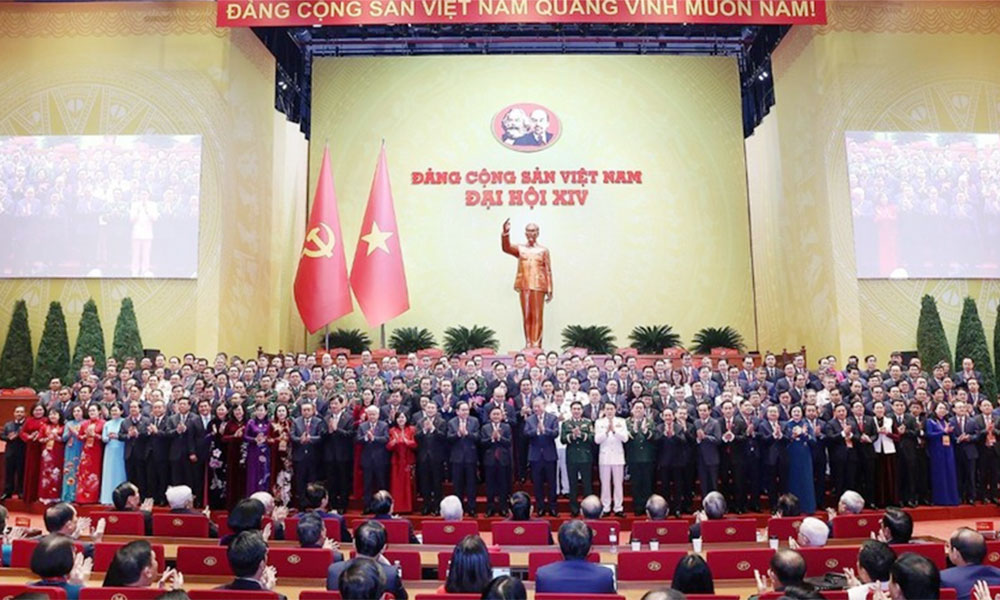
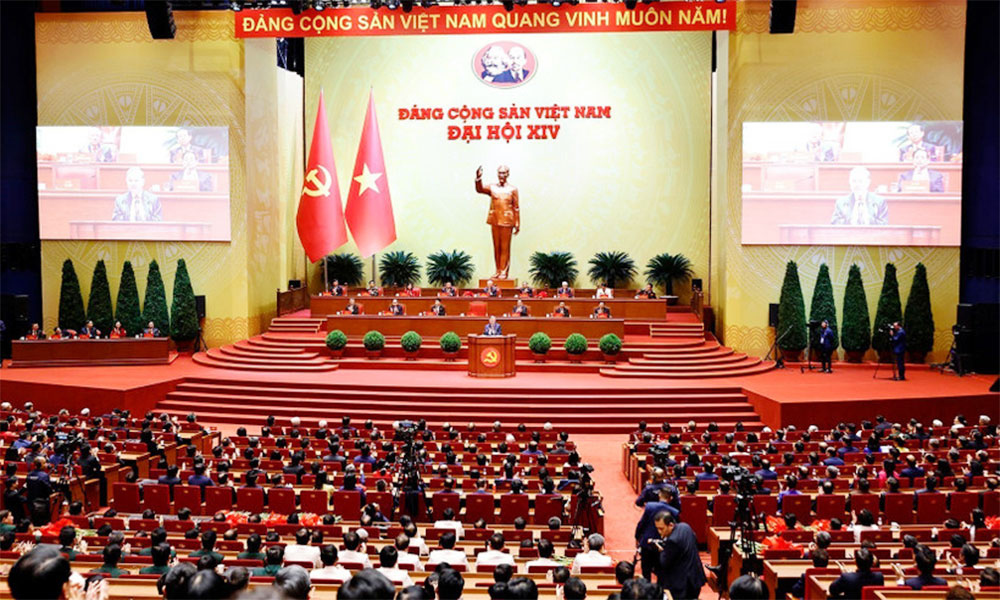
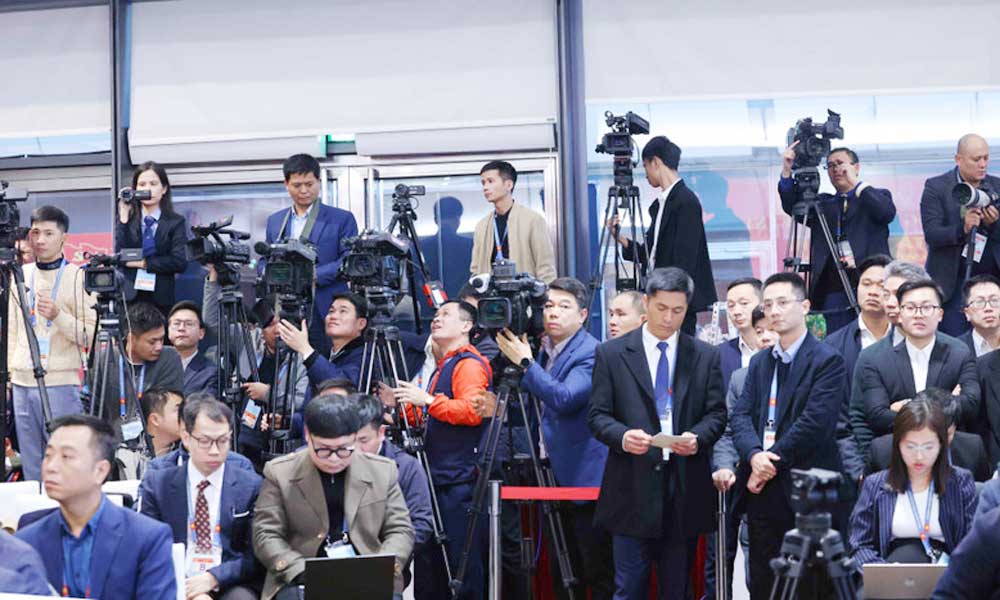
Delegates vote to adopt the resolution of the 14th National Congress of the Communist Party of Vietnam. |
According to Luc, the Congress demonstrated that the world can indeed choose a different way of living – one based on peaceful coexistence, the promotion of multilateralism, mutual respect among nations, and the use of science, knowledge and social wealth as foundations to serve humanity and human-centred development.
Reflecting on Vietnam’s development journey since national reunification in 1975, Luc recalled earlier assessments suggesting the country would need a century to establish its position on the global stage. Reality, however, has proven otherwise.
Within just five decades, it has risen to become one of the world’s 40 largest economies – an achievement she said clearly reflects the strategic vision, political resolve and governance capacity of the Party and State.
She attributed this success to the historic turning point of 1986, when Vietnam launched its Doi Moi (Renewal) policy following a frank and courageous process of self-criticism regarding the limitations of the previous model.
This timely and correct adjustment ushered in a new phase of development, in which science was recognised as a key driver of production, diplomacy was repositioned to serve the national interest, and the country proactively expanded relations with all nations.
Today, Vietnam has established diplomatic ties with most countries worldwide and has emerged as a respected, responsible partner with an increasingly influential voice in regional and global affairs, particularly in efforts to maintain peace in Southeast Asia and beyond.
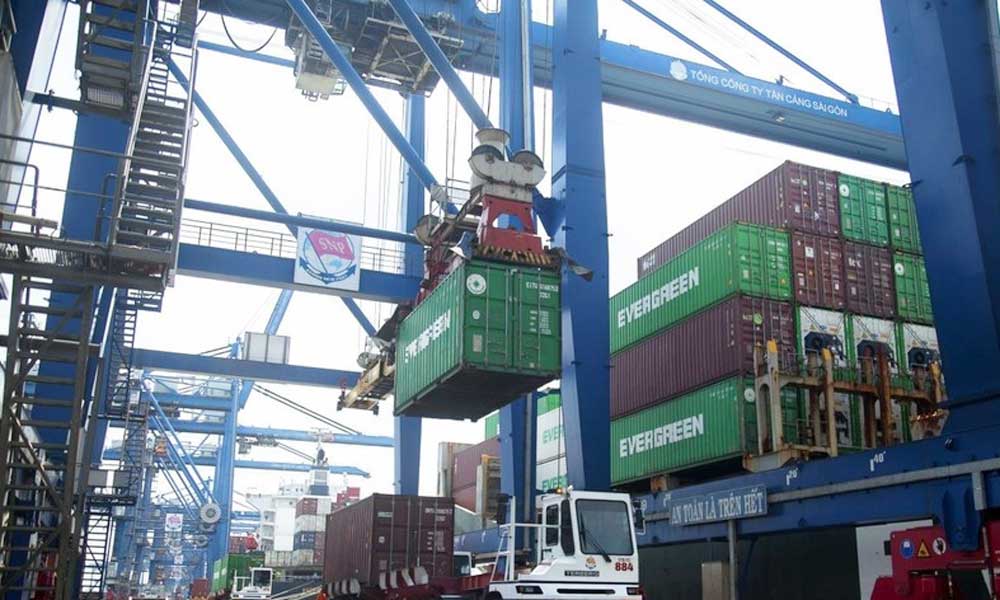
With current economic growth of around 6.3% and prospects of reaching 10% in the coming years, Vietnam has steadily raised average annual income to approximately 5,000 USD, reduced the poverty rate to 1.3%, and set ambitious, deeply humane social goals, including free education from preschool through upper secondary level and free healthcare by 2030.
Luc noted that the unifying thread running through the country’s development path is its people-centred approach, aimed at ensuring happiness, social security and sustainable development for society as a whole.
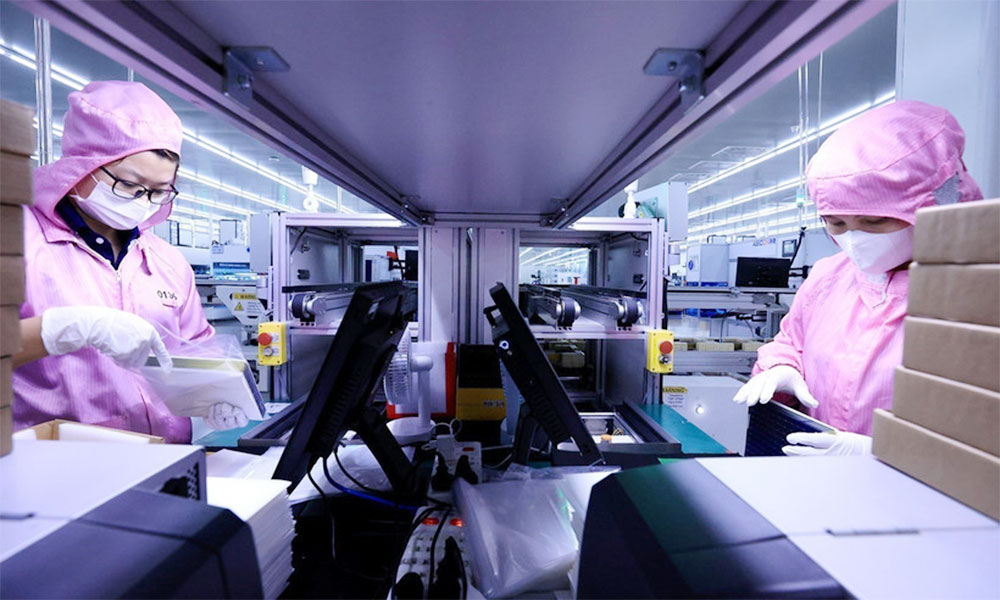
The major orientations set out by the 14th congress, including rapid and sustainable development, institutional modernisation, the promotion of sci-tech-driven innovation, digital transformation and green growth, are expected to further enhance the country’s attractiveness and competitiveness at both regional and international levels.
She particularly praised the close alignment between objectives set by the local Government, university system and business community, describing it as a “guarantee of success” for Vietnam’s development strategy.
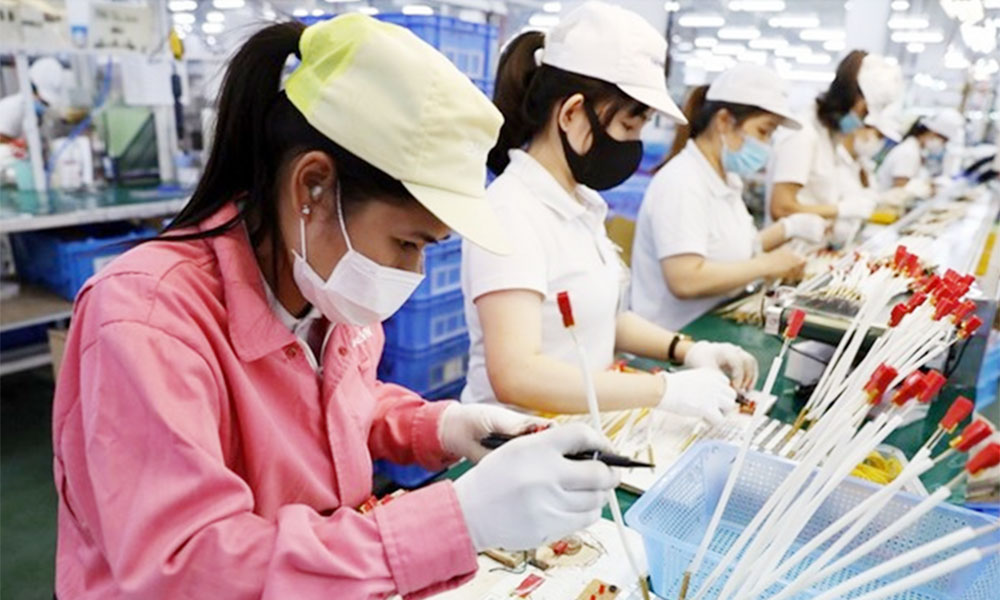
With favourable demographics, a young and highly skilled workforce, and a strong foundation in mathematics and technology, the country is well positioned to make breakthroughs in the era of innovation and artificial intelligence (AI).
These advantages, she said, will enable it to surpass the development milestones set for 2035 and move towards high-income status for the vast majority of its population, within an increasingly prosperous nation.
At the same time, Vietnam’s foreign policy clearly reflects a determination to integrate more deeply into the regional and global environment, as evidenced by its expanding network of strategic partnerships, including the Vietnam–France relationship.
These partnerships help advance cooperation in key areas such as strategy, technology, economy and culture, fostering mutual understanding and shared prosperity.
Looking ahead to the next 10-20 years and towards the centenary of Vietnam’s independence, Luc expressed strong confidence that the country would continue to “stand shoulder to shoulder with the world’s major powers”, in line with the vision articulated by its late legendary President Ho Chi Minh.
In concluding her remarks, Luc stressed that achieving these ambitions will require strong political determination. She said she was deeply impressed by Vietnam’s efforts and resolve, viewing them as a source of encouragement for many nations around the world, and expressed her appreciation to the Vietnamese Government for its continued cooperation and support for the Cuban people amid the country’s current difficulties.





Reader's comments (0)