 Bắc Ninh


Bac Ninh moves to standardize pomelo growing areas for export
BAC NINH - Bac Ninh province is moving to standardize pomelo growing areas to meet stricter phytosanitary requirements and tap opportunities to export the fruit to China and other markets.
Vietnam and China signed a protocol on phytosanitary requirements for exported pomelos and lemons on April 15, 2026, opening the way for Vietnamese pomelos to be officially exported to China, a major market for tropical fruit.
 |
|
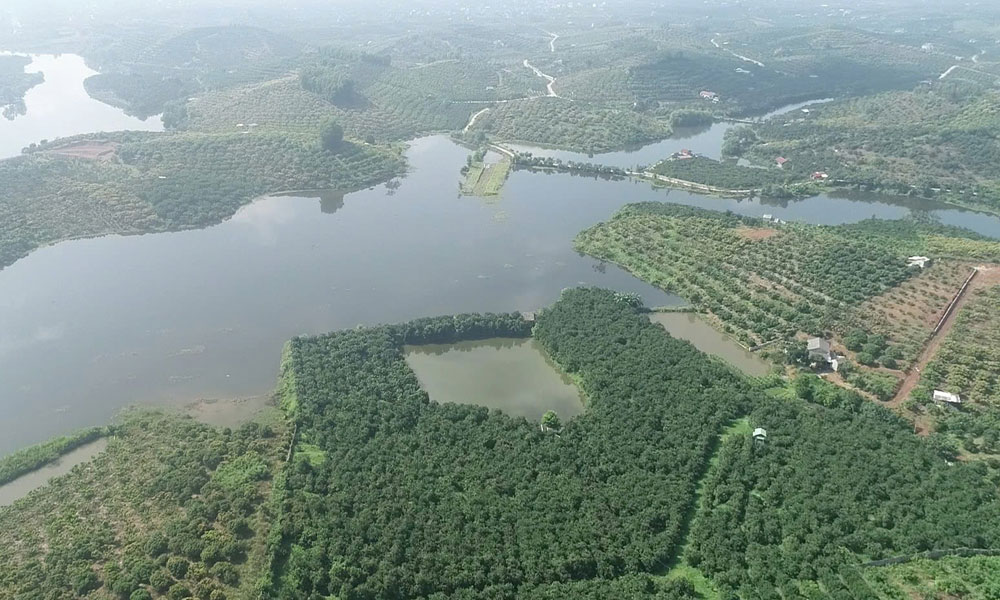
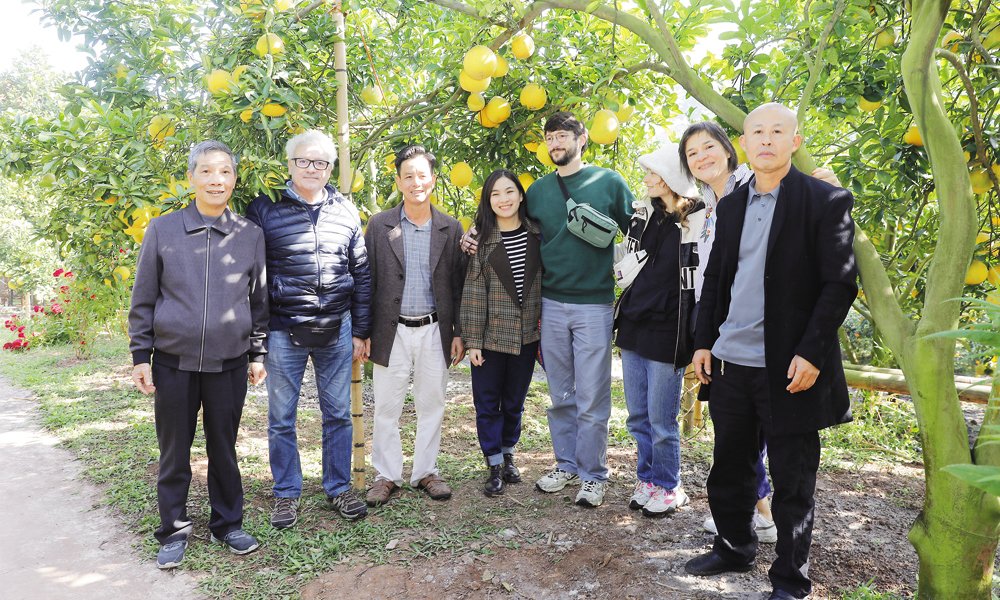
Citrus fruit growing area in Luc Ngan commune. |
Under the protocol, all growing areas and packing facilities for pomelos exported to China must be registered with Vietnam's Ministry of Agriculture and Environment and approved by China's General Administration of Customs (GACC) before exports can begin.
The requirements are designed to ensure traceability and tighter controls throughout production and packing. Growing areas must be closely managed, while farmers are required to follow production procedures and keep detailed records.
| The province currently has more than 5,200 hectares of pomelo orchards, with estimated annual output of 47,000 tonnes. Of this, 3,660 hectares are grown under VietGAP standards. |
Growing areas must apply good agricultural practices (GAP) or equivalent standards and integrated pest management (IPM), as well as monitor and control pests of concern to Chinese authorities. Pomelos must also be bagged at least 60 days before harvest, while traps must be installed to monitor and control fruit flies.
Farmers must use plant protection products in accordance with regulations, including using the right products and doses and observing pre-harvest intervals. For export-oriented growing areas, pesticide use must be recorded in production logs to facilitate traceability and control residue risks.
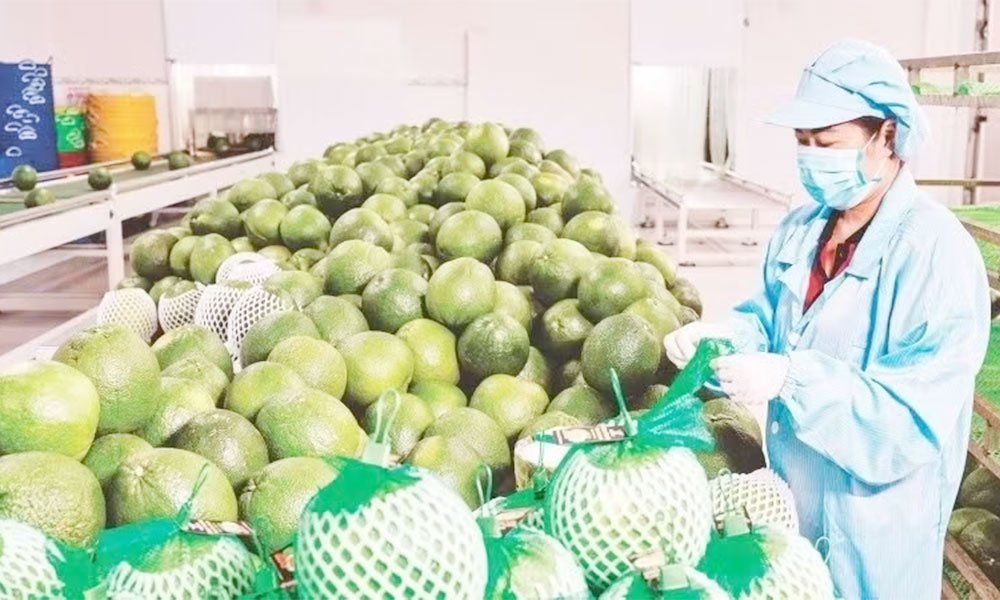
Packing facilities must also be registered and comply with the protocol. Each export shipment must be traceable to its growing area and packing facility.
The province currently has more than 5,200 hectares of pomelo orchards, with estimated annual output of 47,000 tonnes. About 3,660 hectares are produced under VietGAP standards.
Key varieties include Dien pomelo, green-skin pomelo and sweet pomelo, grown mainly in Luc Ngan, Chu, Phuong Son, Nam Duong, Deo Gia, Bien Dong, Luc Son, Yen The, Kien Lao and Van Son communes and wards.
From 2022 to 2025, the province had 28 registered pomelo growing-area codes covering 304.16 hectares for domestic consumption and export.
By 2026, however, some growers had switched to other crops, leaving several areas below the minimum requirement of 10 hectares per growing area for fruit crops.
Most pomelo-growing areas had continued to serve the domestic market, while areas with existing codes had generally not been able to export to foreign markets. Some registered areas also failed to maintain the required conditions.
As a result, the provincial Department of Agriculture and Environment ordered field reviews and assessments, leading to the withdrawal of pomelo export growing-area codes. As of August 2026, the province had no registered pomelo or lemon growing-area codes for export.
To expand markets for key agricultural products and capitalize on the new China export protocol, the provincial Plant Cultivation and Plant Protection Sub-Department has worked with businesses to develop production areas that meet export standards for pomelos, lemons and other key crops.
 |
|
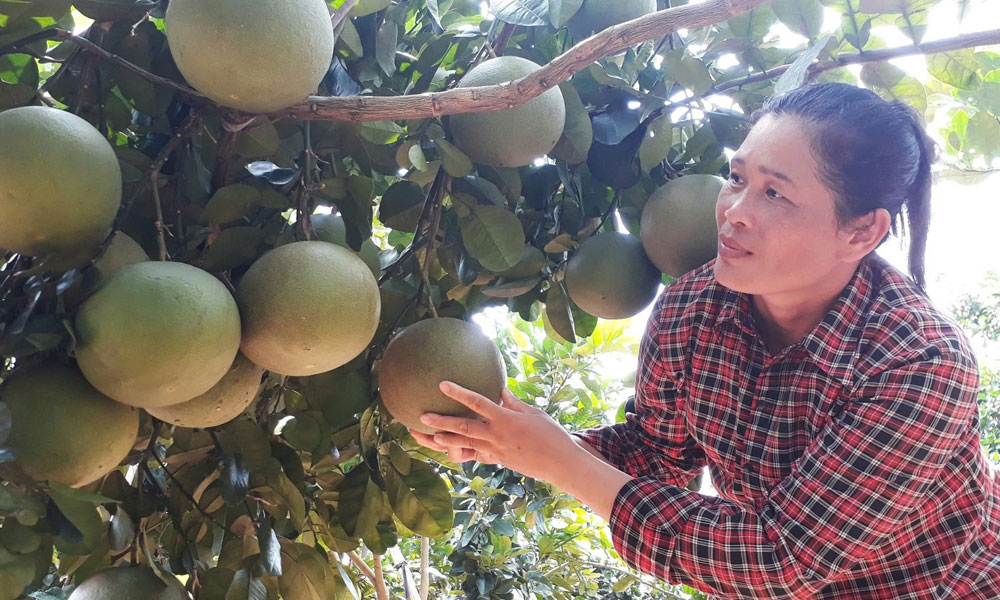
A pomelo orchard in Yen The commune. |
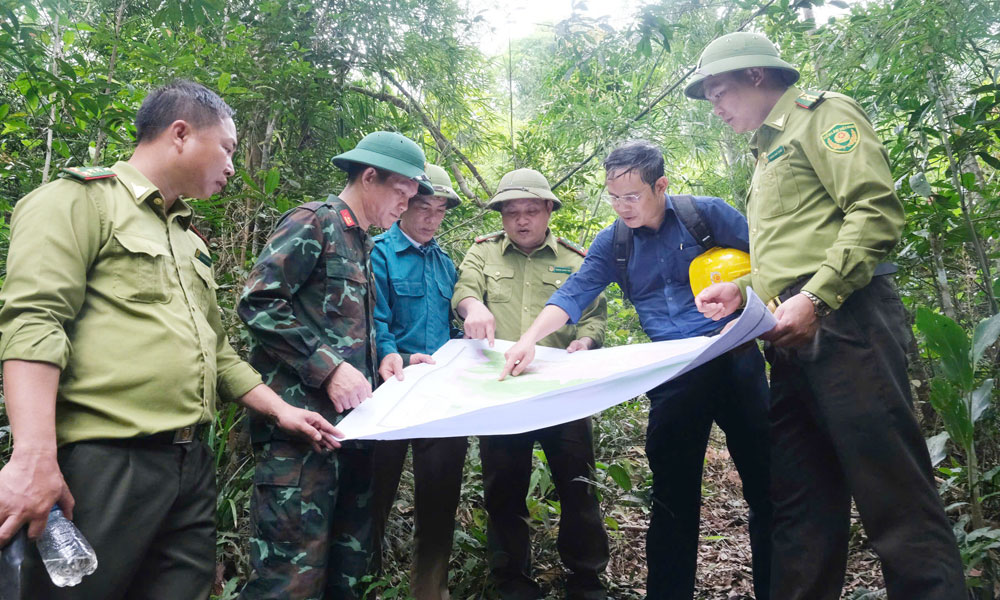
Following a review, local authorities have proposed 19 growing areas involving 19 growers, covering a combined 50.9 hectares. The specialized agency is reviewing the proposals and aims to grant and standardize the growing areas by the end of this year.
The Department of Agriculture and Environment is also encouraging farmers to adopt safe production standards such as VietGAP, GlobalGAP and organic farming, while promoting government support policies for agricultural production.
The province plans to strengthen production planning and develop concentrated growing areas on suitable land to facilitate cultivation, pest control, harvesting, processing and marketing.
It will also closely control the conversion and expansion of citrus-growing areas to avoid oversupply, falling prices and lower production efficiency.
Authorities will tighten management of plant varieties to ensure farmers use high-quality, disease-free planting materials, while monitoring growing areas and packing facilities after approval to ensure they continue to meet export standards and increase the value of agricultural production.








Reader's comments (0)