 Bắc Ninh


Bac Ninh optimize interregional rail transport advantages
BAC NINH – As Bac Ninh accelerates industrialisation and urbanisation, the effective exploitation of the national railway line running through the province is emerging as a key driver for cargo and passenger transport, while opening up a sustainable pathway for urban planning and logistics development. This foundation is enabling the province to move closer to models of urban rail, suburban rail and broader interregional connectivity.
Strengthening the interregional transport axis
The Hanoi–Dong Dang railway is the only national rail line passing through Bac Ninh province and plays a vital role in the northern interregional transport network.
 |
|
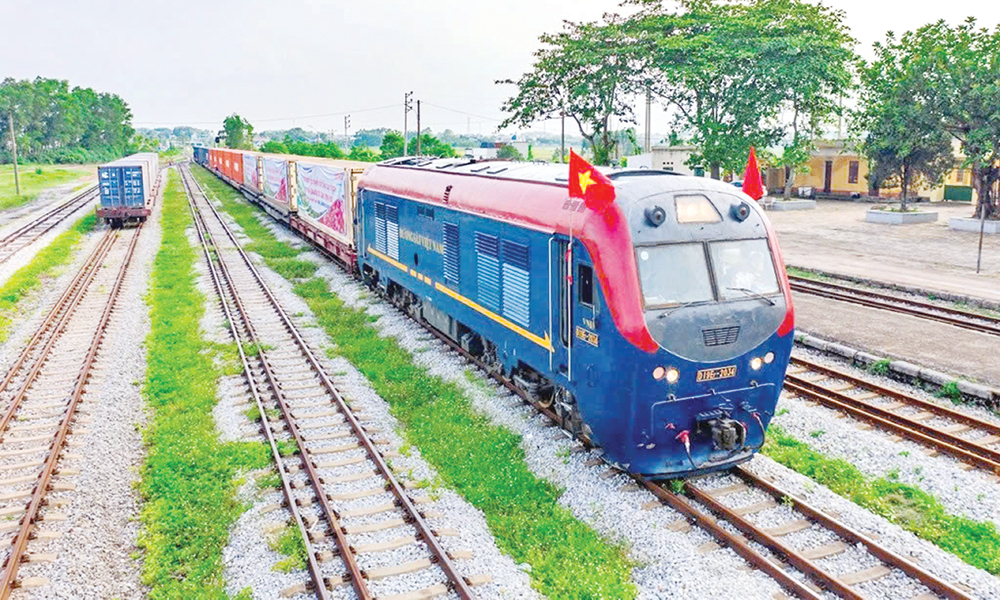
An international intermodal freight train transports goods on the Hanoi–Dong Dang railway line. |
The line stretches about 162 km in total, with more than 60 km running through Bac Ninh, cutting across numerous communes, wards, residential areas and major industrial zones.
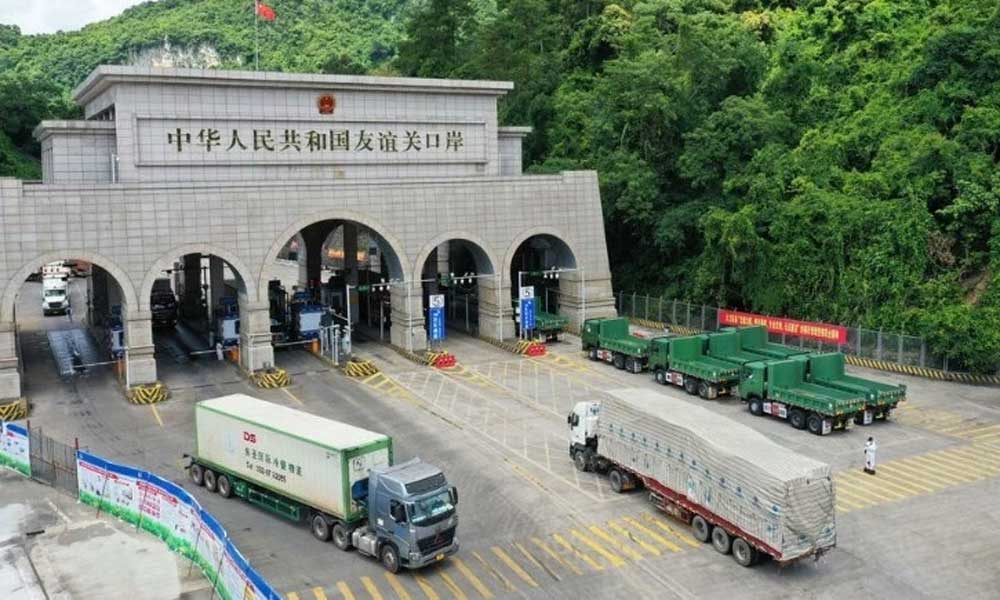
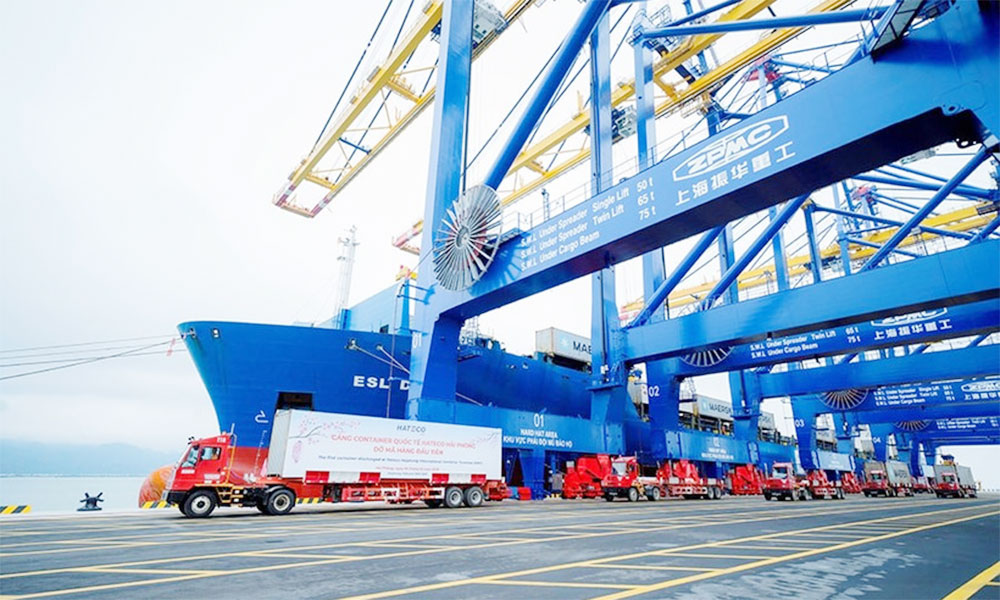
Beyond domestic transport, it serves as an international rail corridor, connecting freight and passengers from the Red River Delta to Dong Dang border gate in Lang Son province and onward to the Chinese market.
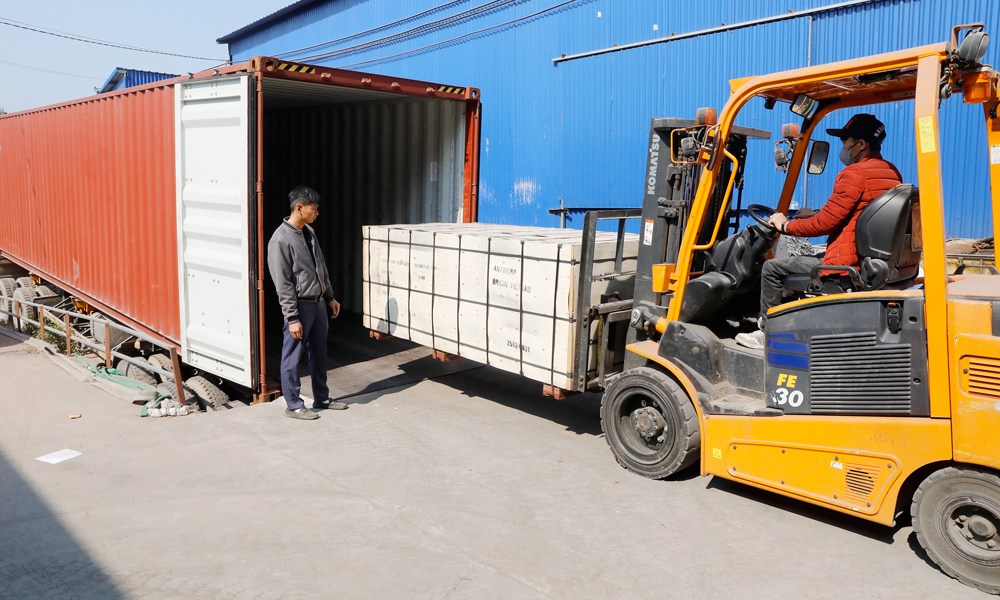
In recent years, particularly in 2025, rail freight services supporting industrial zones in Bac Ninh have remained stable and shown signs of positive recovery. Key commodities transported by rail include electronic components, production materials and import–export containerised goods from large industrial parks such as Yen Phong, Tien Son, Que Vo and Quang Chau.
Cargo is consolidated at stations within the province and nearby hubs including Tu Son, Yen Vien and Kep before being shipped to Lang Son and international destinations.
According to sector authorities, the Hanoi–Dong Dang route operated 14 domestic and international trains per day in 2025, up six services a day from the previous year. Of these, four were international intermodal trains carrying both passengers and cargo.
Maintaining and increasing train frequency has helped ease pressure on road transport, reduce logistics costs, shorten delivery times and enhance the competitiveness of local businesses.
Alongside freight, passenger rail services on the Hanoi–Dong Dang line continue to meet travel demand in Bac Ninh. In 2025, stations such as Bac Ninh, Tu Son, Lim, Thi Cau and Sen Ho served hundreds of thousands of passengers, particularly during peak holiday periods.
Rail transport remains a safe and stable option for interregional travel, helping to reduce congestion on increasingly overloaded road networks.
A notable development in passenger services was the launch in September 2025 of the “Hanoi – Five Ancient Gates” cultural tourism train on the Thang Long – Kinh Bac route, linking Hanoi Station with Tu Son Station.
Designed to showcase the cultural and historical values of the Kinh Bac region, the service operated 162 trips by the end of 2025, carrying nearly 34,000 domestic and international passengers and leaving a strong imprint in linking rail-based economic activity with cultural preservation.
Moving border crossings further inland
Ensuring rail traffic safety along the Bac Ninh section of the line has remained a top priority. In 2025, infrastructure management units intensified inspections, maintenance and upgrades of tracks, bridges and stations.
Coordination between the railway sector and local authorities in managing safety corridors and addressing level crossings has also been strengthened.
Numerous informal crossings have been reviewed, fitted with warning systems or gradually closed. Signage, barriers and signal lights at authorised crossings have been upgraded. In line with the Prime Minister’s Directive No. 22/CT-TTg issued on August 18, 2025, Bac Ninh closed 31 informal rail crossings during the year.
A key factor in improving efficiency and safety has been the modernisation of information, signalling and train control systems. Signal systems at major stations such as Tu Son, Lim and Sen Ho have been upgraded, while centralised traffic control and real-time train monitoring have been rolled out. Digitalisation has increased line capacity by 15–20%, reduced human-error risks and enhanced operational accuracy.
According to Banh Van Duc, Director of Bac Giang Railway Signal and Information Joint Stock Company, further upgrades will continue in 2026, alongside 24/7 staffing and the gradual completion of a fully digitalised control system linking central dispatch centres with stations along the route.
Looking ahead, the Ministry of Construction plans to modernise the Hanoi–Dong Dang railway by 2030, positioning Bac Ninh as a strategic logistics hub between Hanoi and the northern border, and advancing the goal of “Moving border crossings further inland”.



















.jpg)









Reader's comments (0)