 Bắc Ninh


Bac Ninh promotes multi-value agriculture
BAC NINH - Combining ecological agriculture with experiential tourism is seen as a way to transform the rural economy, raise incomes for local residents and preserve natural landscapes.
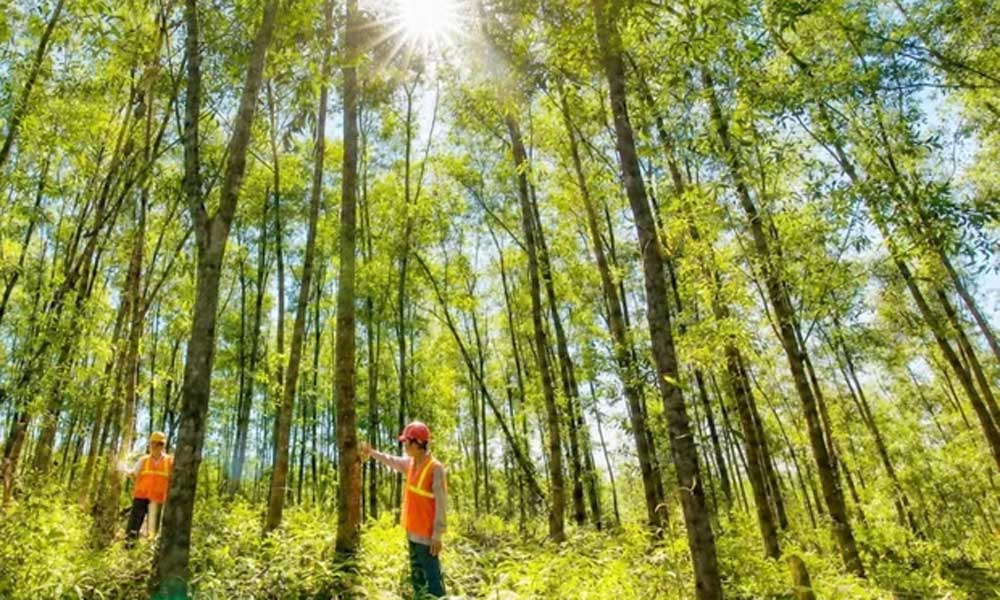
Making use of more than 400 hectares of forest and lush green tea hills, Xuan Luong commune has focused on developing agricultural and rural tourism experiences, linking farming with ecotourism.
 |
|
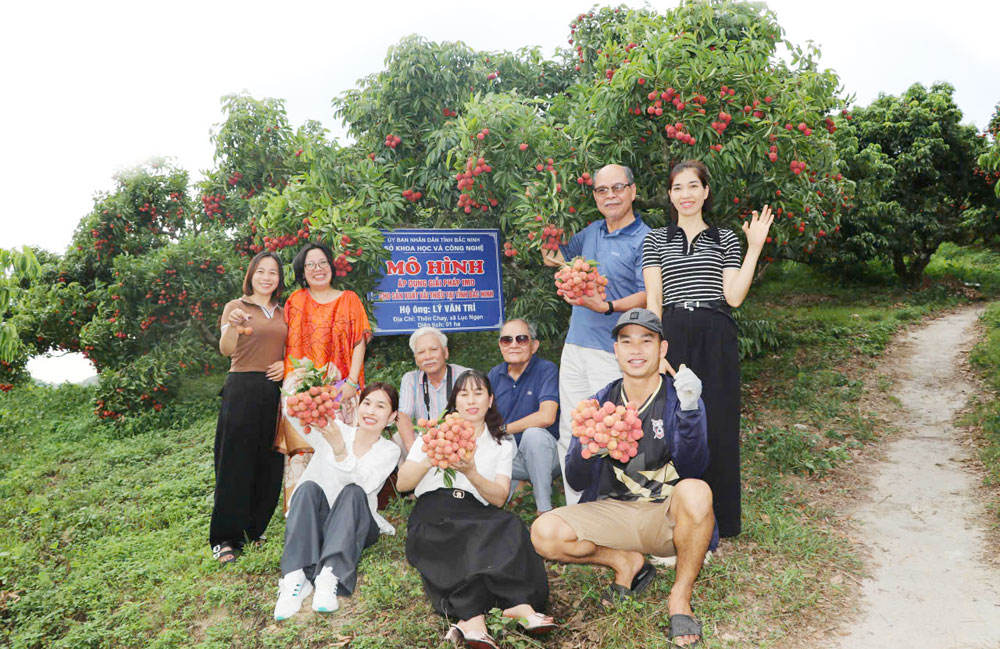
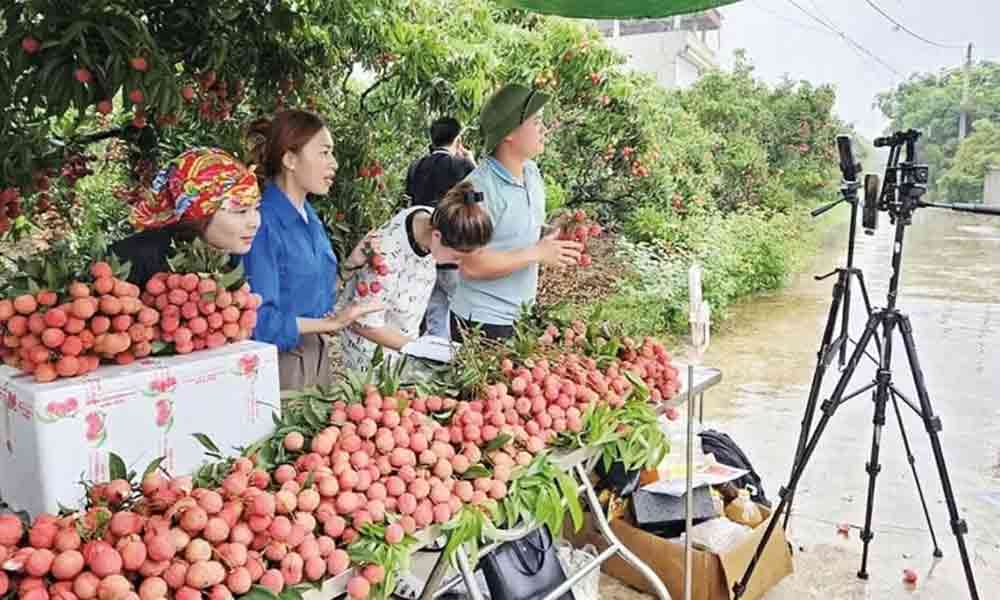
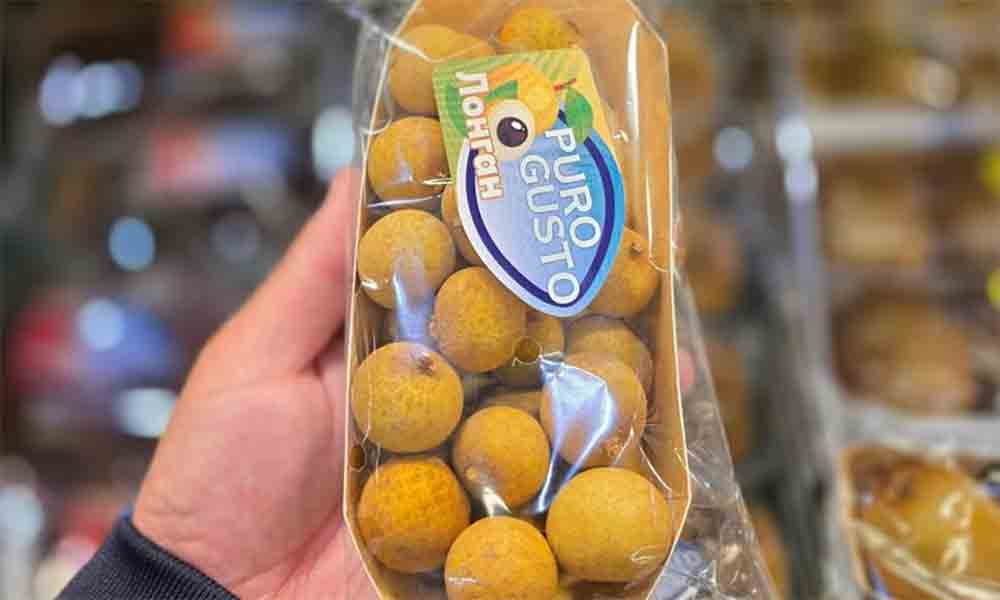
Each harvest season, the lychee orchard owned by Ly Van Tri attracts thousands of visitors who come to explore and experience the orchard. |
Le Hong Viet, Chairman of the commune People's Committee, said the locality has been promoting organic tea production models using microbial organic fertilisers to improve product quality and protect soil.
A notable example is a partnership between farmers and Than Truong Cooperative to produce, process and market Ban Ven green tea.
To unlock its tourism potential, Xuan Luong has invested in infrastructure, particularly roads and accommodation facilities.
The main roads leading to tourist attractions in the commune have been concreted, while three community-based accommodation facilities are currently operating.
Ban Ven has long been known as an area producing high-quality tea and attracts large numbers of visitors, with many families coming for weekend stays.
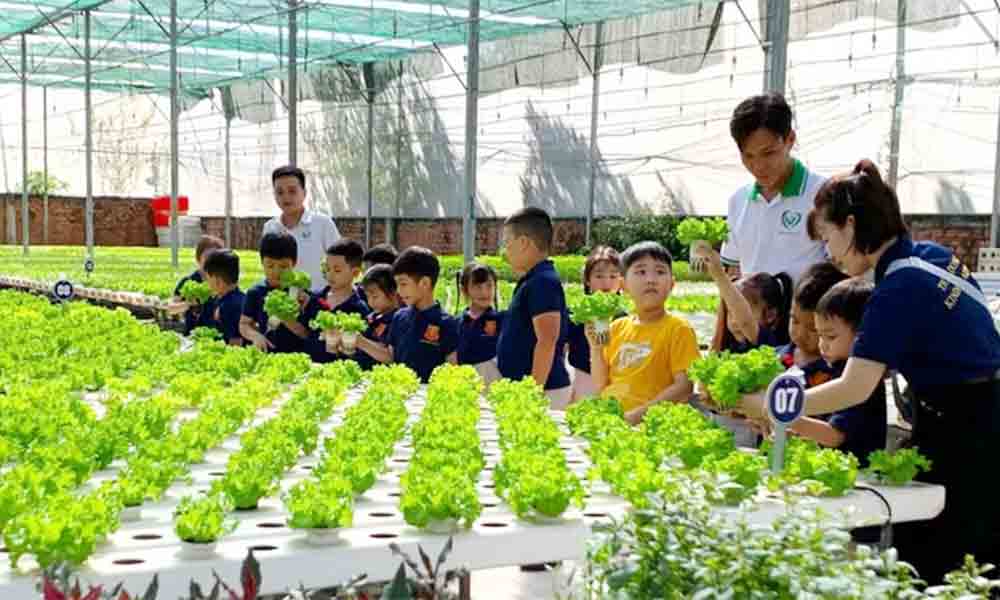
Ecological and organic farming models combined with experiential and agricultural tourism not only help raise local incomes but also contribute to preserving a clean natural environment.
Ly Van Tri's family in Chay hamlet, Luc Ngan commune, has a 2-hectare lychee orchard. For the past five years, the family has followed GlobalGAP production standards.
Along with applying safe, biological approaches to cultivation and pest control, Tri ferments fish, soybeans, ginger and bananas for use as fertiliser to improve the trees' resilience and enhance their natural sweetness.
In particular, Tri's orchard is among the "beautiful lychee orchards" recognised by the provincial People's Committee. During each harvest season, it attracts thousands of visitors to explore, experience and purchase its products.
With 167,657 hectares of various types of forest and nearly 55,000 hectares of fruit trees and other perennial crops, Bac Ninh has significant potential for developing ecological agriculture combined with experiential tourism, particularly in communes in the eastern and northeastern parts of the province.
Nguyen Hong Quang, Deputy Director of the provincial Department of Agriculture and Environment, said the province has in recent years focused on developing organic and VietGAP-certified growing areas, building new-style rural areas and creating spaces to welcome visitors to experience agricultural activities.
The province has also introduced strict regulations on environmental protection and the preservation of natural landscapes, while providing financial support and helping residents develop skills for community-based tourism.
Under the Bac Ninh General Urban Planning to 2050, with a vision to 2075, the province's ecological agricultural area is planned to cover approximately 220,000 hectares across 22 communes and wards in the eastern and northeastern parts of the province.
 |
|
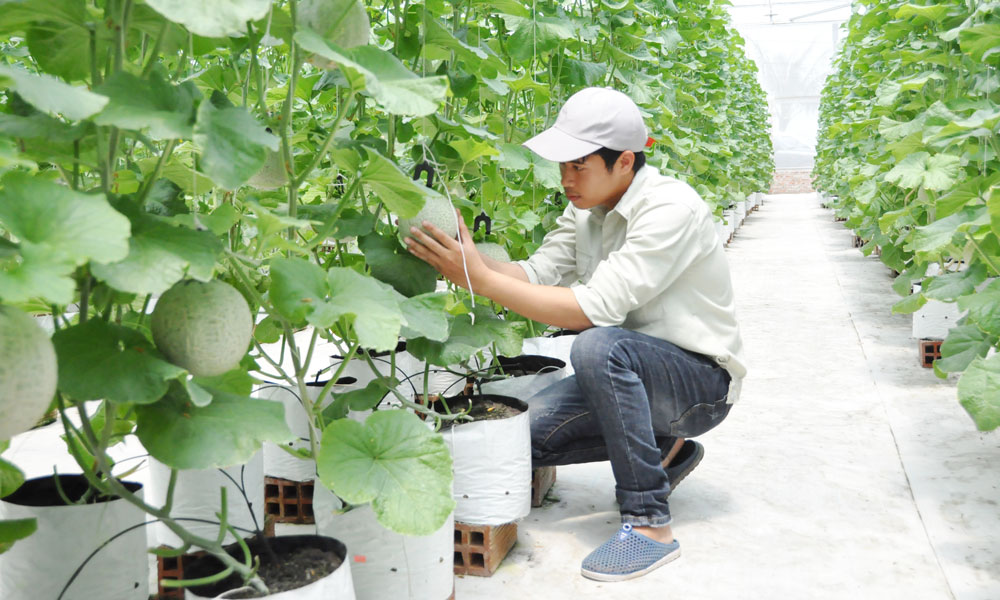
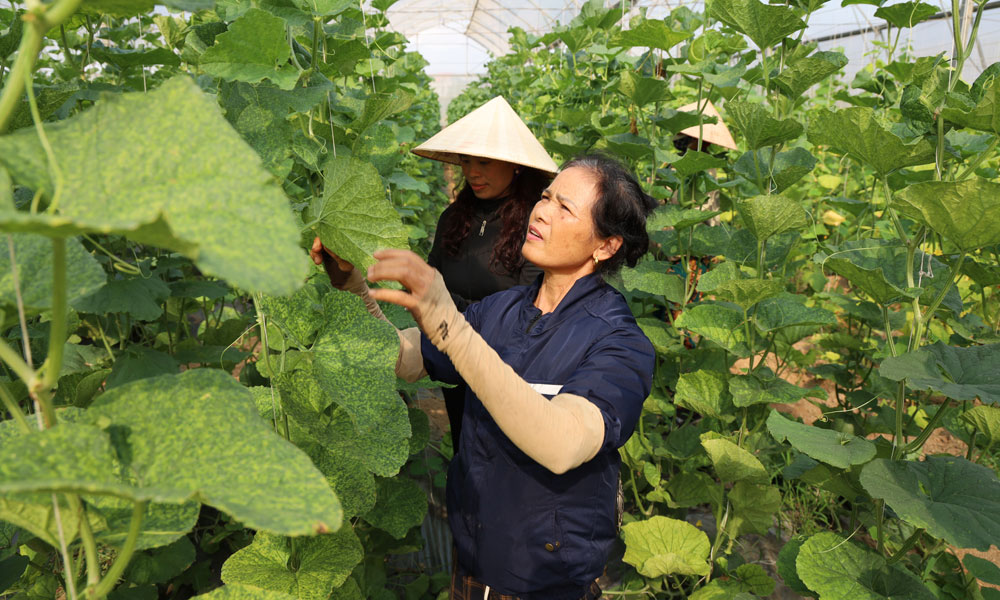
Staff at Delco Farm smart farm complex in Ninh Xa Ward tends to melons. |
The province aims to develop sustainable agriculture by balancing agricultural and forestry production with environmental protection.
It plans to establish high-tech raw material production areas for short-term industrial crops, medicinal plants, spices and fruit trees, while promoting concentrated production and applying VietGAP and GlobalGAP standards to improve product quality and added value.
The plan also calls for the development of ecological agriculture and forestry, the building of brands and geographical indications, and the integration of ecotourism with the forest carbon-credit market.
Bac Ninh will also encourage large-scale, concentrated production using environmentally friendly high technologies, while promoting modern livestock models such as multi-storey farms and automated farms linked to the circular economy and supply chains from production to consumption.
These measures are expected to help reduce emissions and improve economic efficiency for local residents.




Reader's comments (0)