 Bắc Ninh


Bac Ninh, Quang Ninh, Hai Phong boost linkages to elevate world heritage site
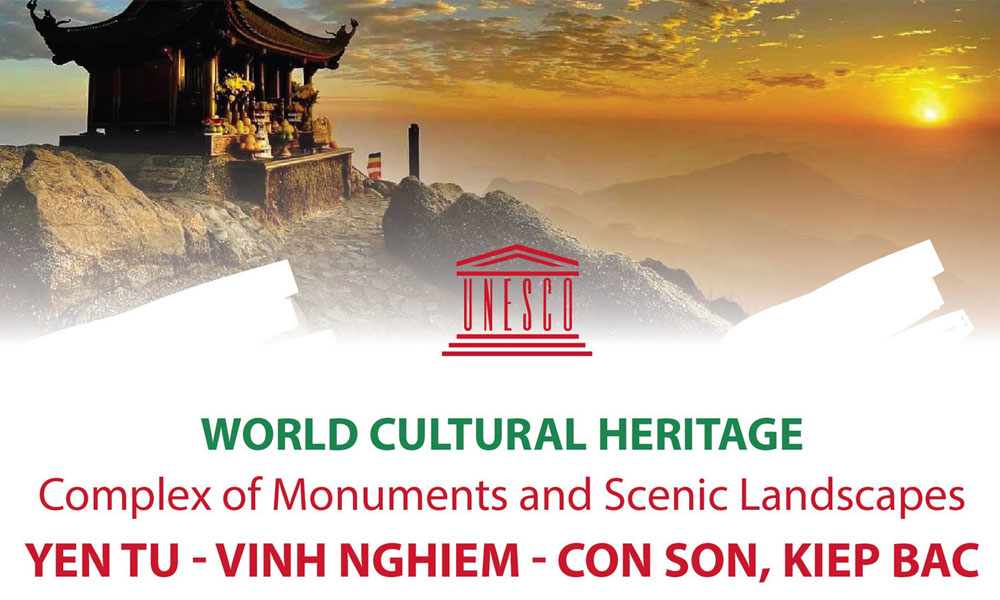
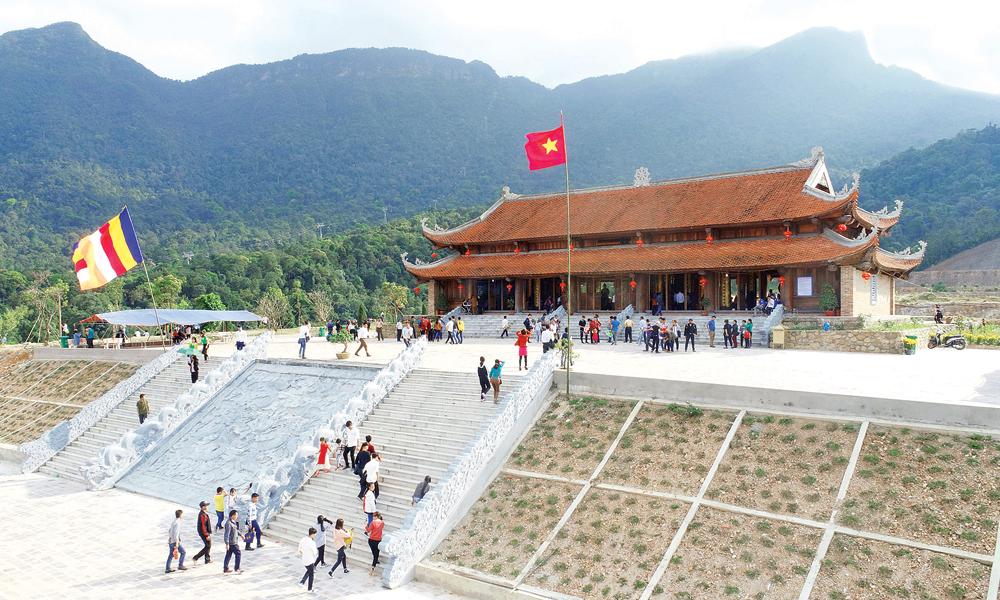
BAC NINH - The Yen Tu – Vinh Nghiem – Con Son, Kiep Bac Complex of Monuments and Landscapes has been recognised by UNESCO as a World Cultural Heritage Site.
With great pride, Quang Ninh and Bac Ninh provinces and Hai Phong city have been implementing various measures to preserve and promote the heritage, and build a vibrant heritage space rich in Vietnamese cultural identity, thus benefiting local communities and attracting visitors from around the world.
 |
|
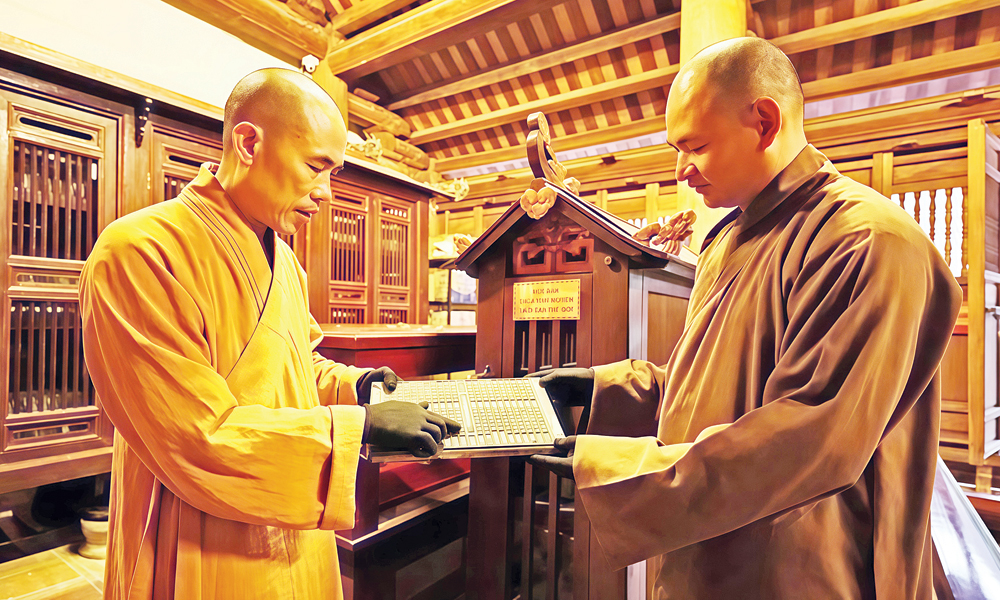
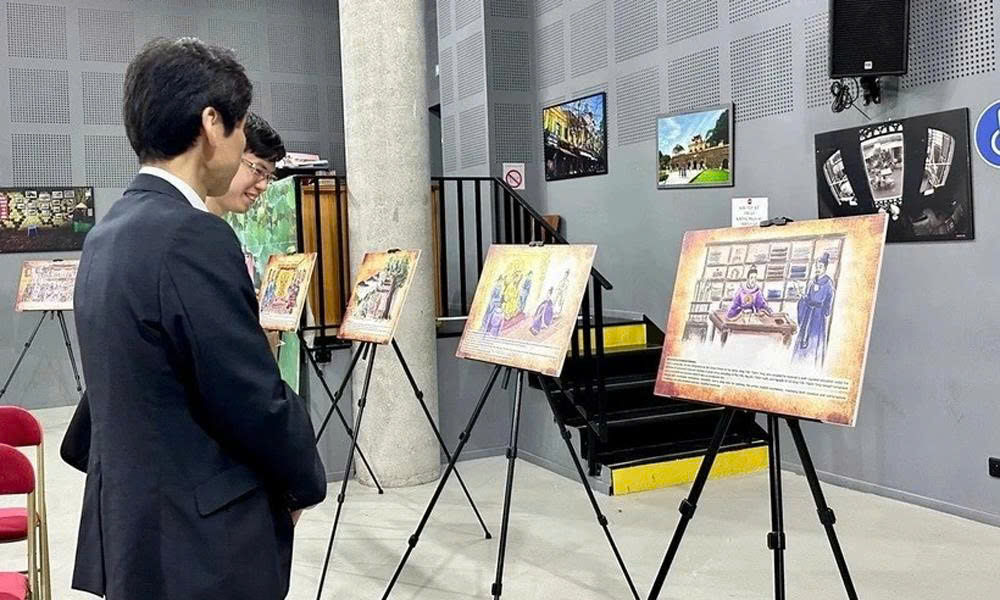
Vinh Nghiem Pagoda preserves 3,050 woodblocks of significant value across many fields, which have been recognised by UNESCO as a World Documentary Heritage under the Memory of the World Programme for Asia-Pacific. |
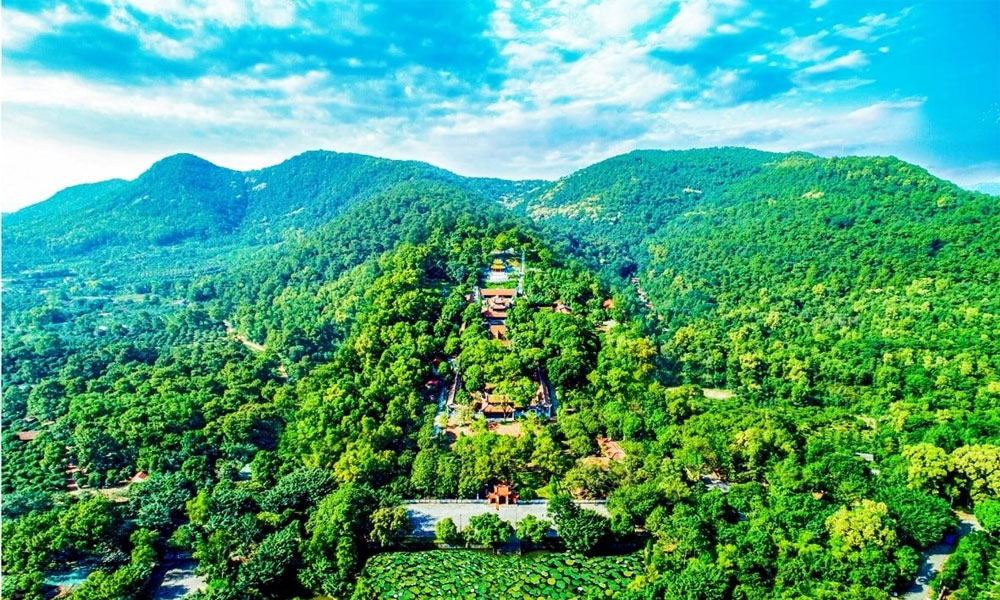
The complex comprises 12 monuments across the three localities, featuring majestic natural landscapes and a system of ancient pagodas, temples, shrines, and towers.
This is a sacred space embodying the essence of Truc Lam Zen Buddhism - a uniquely Vietnamese Buddhist sect founded by King-Monk Tran Nhan Tong, reflecting the philosophy of harmony between humans and nature, and between religion and everyday life.
Its inscription on the UNESCO World Heritage List not only affirms its outstanding universal value but also opens a new chapter in preserving, promoting, and spreading the essence of Vietnam's cultural heritage.
Immediately after the inscription, the three localities jointly implemented an interprovincial heritage management plan in line with UNESCO’s recommendations.
They have invested in restoration and conservation of monuments; reviewed surrounding infrastructure; and strengthened promotional activities.
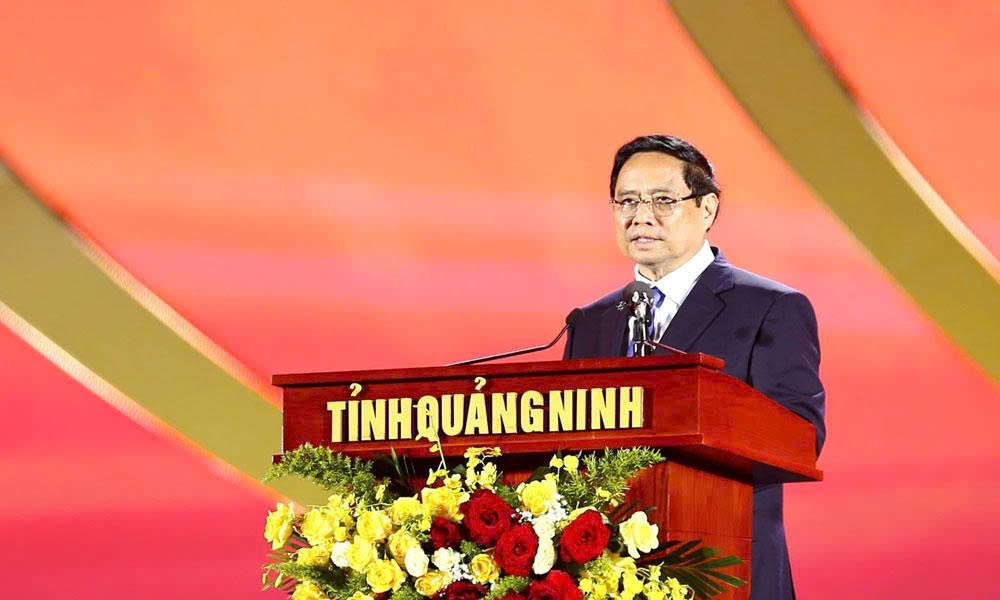
Home to many core sites such as Hoa Yen Pagoda, Ngoa Van Pagoda, Lan Pagoda, Thai Mieu, and the Yen Giang wooden stake field, Quang Ninh province chaired the ceremony announcing the World Cultural Heritage status, featuring an art programme entitled “Echoes of Yen Tu – A Timeless Heritage,” which reenacted the spiritual journey of King-Monk Tran Nhan Tong.
At the ceremony, leaders of the Quang Ninh provincial People’s Committee affirmed that Quang Ninh, Bac Ninh, and Hai Phong are committed to upholding responsibilities and to proactively and closely coordinating the development and implementation of the world heritage management plan in accordance with Vietnamese law and the World Heritage Convention.
At the same time, they pledged to preserve the integrity of heritage values, transform traditional values into strong endogenous resources, and contribute to building an advanced culture deeply rooted in national identity.
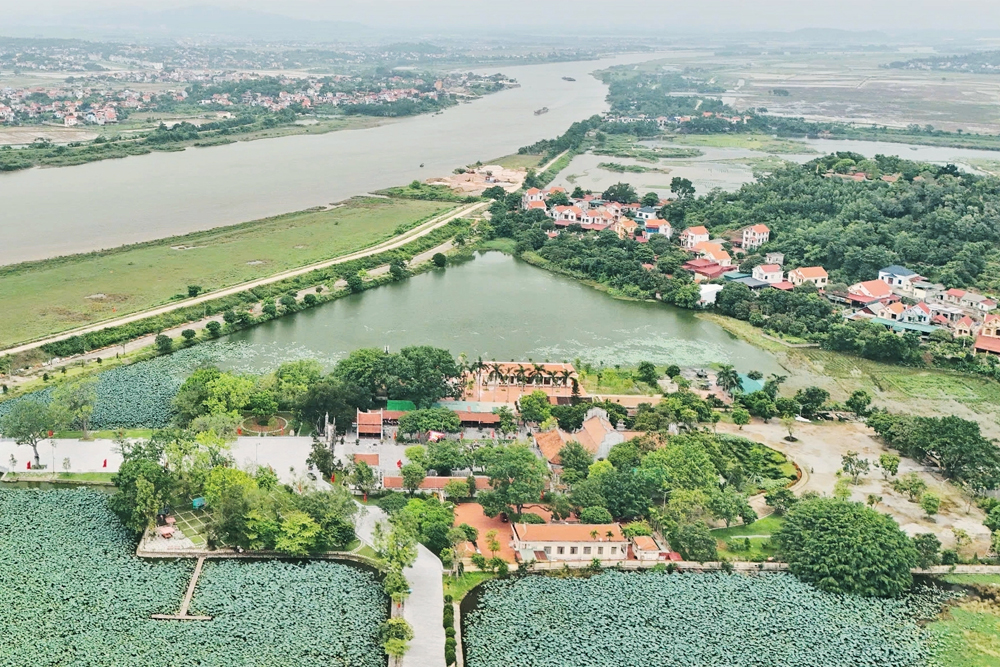
Bac Ninh houses two important components of the complex, notably Vinh Nghiem Pagoda. To bring the heritage closer to the public, the province has strengthened communication and community education.
Media agencies of the three localities jointly launched the photo contest “Heritage Moments of Yen Tu – Vinh Nghiem – Con Son, Kiep Bac.”
Tourism enterprises have proactively collaborated to develop new products linked to craft village spaces and Quan ho (love duet) folk songs.
Bac Ninh aims for the in-depth development of cultural and spiritual tourism products, combining Truc Lam Buddhism values with craft villages and Quan ho culture.
The idea of “One journey – three heritages,” connecting Yen Tu – Vinh Nghiem – Quan ho cultural space, is being developed to create a distinctive mark for the province on the regional tourism map.
The UNESCO inscription of the Yen Tu – Vinh Nghiem – Con Son, Kiep Bac Complex requires the three localities to further strengthen cooperation and implement synchronous solutions toward sustainable development and the dissemination of heritage values at national and international levels.
Many experts believe that localities with heritage sites need to raise awareness and take unified action in the spirit of the World Heritage Convention, ensuring harmony between original conservation and creative promotion.
Crucially, heritage must “live” in the daily lives of communities, not merely appear during festivals or along fixed tourist routes.
Therefore, in the coming period, the three localities will focus on investing in restoring and conserving the monuments, protecting landscapes, and carrying out preservation in compliance with international standards.
They will also concentrate on building a shared brand for tourism products associated with the World Heritage Site, and accelerate digital transformation in interpretation, smart maps, and visitor management.
The People’s Committees of the three localities have directed relevant sectors, units, and businesses to develop distinctive products, with the Yen Tu – Vinh Nghiem – Con Son, Kiep Bac heritage space serving as the core connector.
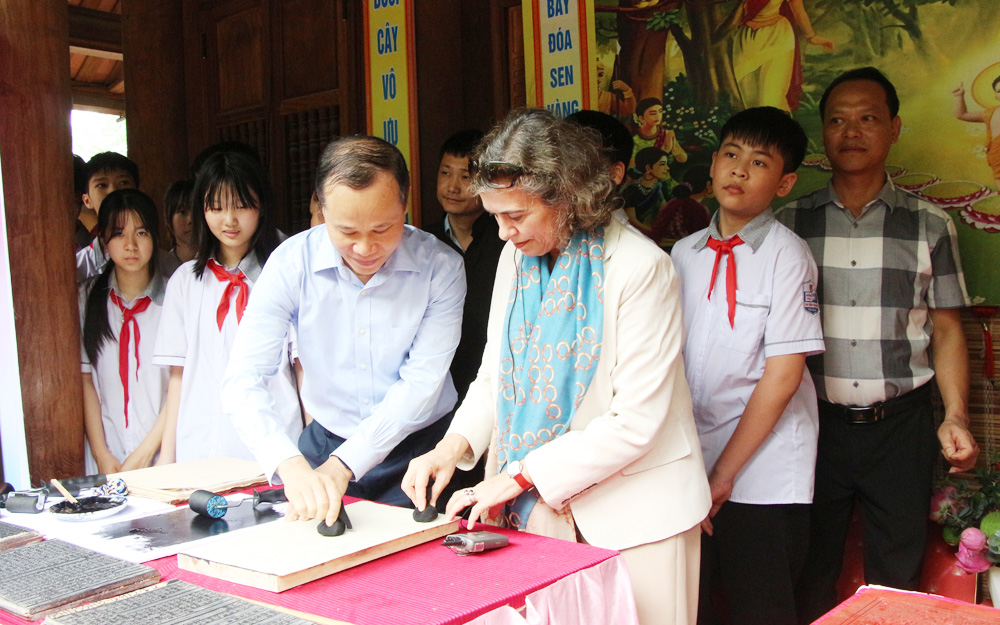
Unique tours are being formed, offering heritage exploration, woodblock printing experiences at Vinh Nghiem Pagoda, and storytelling about King-Monk Tran Nhan Tong and the Truc Lam Zen sect, combined with enjoying Quan ho folk songs.
These products are expected to create a distinctive identity for Bac Ninh on the tourism map of the northeastern region.













Reader's comments (0)