 Bắc Ninh


20 million int'l arrivals, a historic milestone for Vietnam’s tourism and a catalyst for private-sector growth
The achievement of 20 million international visitors in 2025 represents far more than a headline figure. It signals that Vietnam’s tourism ecosystem has reached a level of maturity where infrastructure, destination capacity, product diversity, and service quality are capable of supporting large-scale visitor flows, longer stays, and higher spending.
Recent assessments by the United Nations World Tourism Organisation (UN Tourism) and the World Travel and Tourism Council (WTTC) place Vietnam among the fastest recovering and growing tourism markets globally, with growth rates exceeding 21%. This performance stands out at a time when many established destinations are still grappling with post-pandemic restructuring.
 |
|
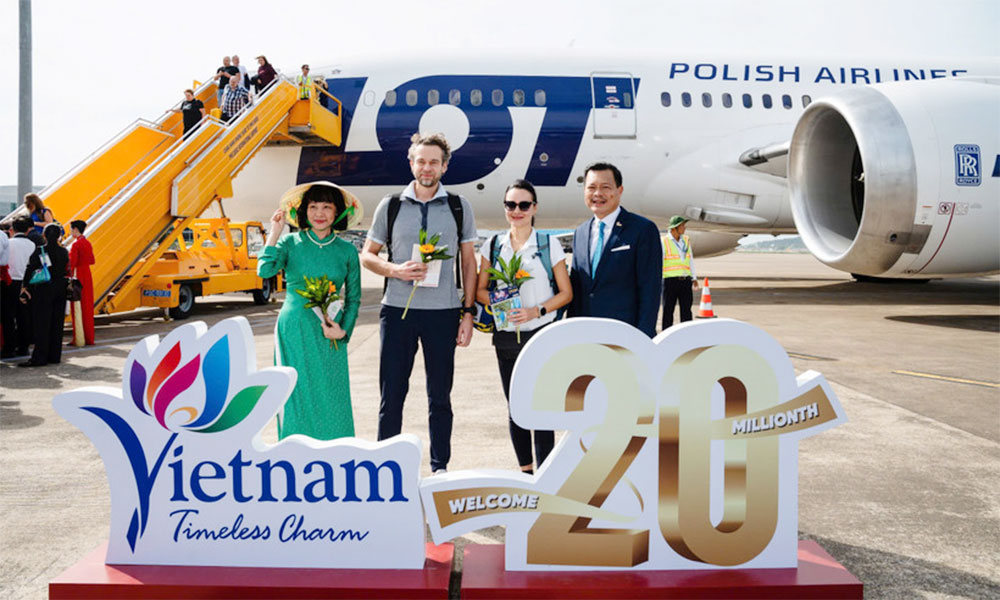
Phu Quoc proudly welcomes Vietnam's 20 millionth international visitor. |
The achievement of 20 million international visitors in 2025 represents far more than a headline figure. It signals that Vietnam’s tourism ecosystem has reached a level of maturity where infrastructure, destination capacity, product diversity, and service quality are capable of supporting large-scale visitor flows, longer stays, and higher spending.
Less than a decade ago, in 2016, Vietnam marked its first 10 million international arrivals, also in Phu Quoc. Nearly ten years later, the 20 million milestone has once again been recorded on the Pearl Island.
Doubling the size of the international visitor market within such a short timeframe, particularly after the global disruption caused by COVID-19, underscores the resilience and upward momentum of Vietnam’s tourism sector.
In a regional comparison, this trajectory echoes Thailand’s rapid expansion between 2010 and 2019, when international arrivals surged from around 16 million to nearly 40 million.
Vietnam appears to be entering a similar growth curve, though in a far more competitive environment that places greater emphasis on destination quality and depth of experience.
Phu Quoc’s repeated role as the setting for major national tourism milestones is no coincidence. The island has served as a testing ground for a number of progressive policies, most notably a visa exemption allowing international visitors to stay for up to 30 days. This remains a rare competitive advantage within the region.
International experts consistently note that liberal visa regimes, when combined with a comprehensive service ecosystem, are essential to building regional-scale resort and entertainment hubs.
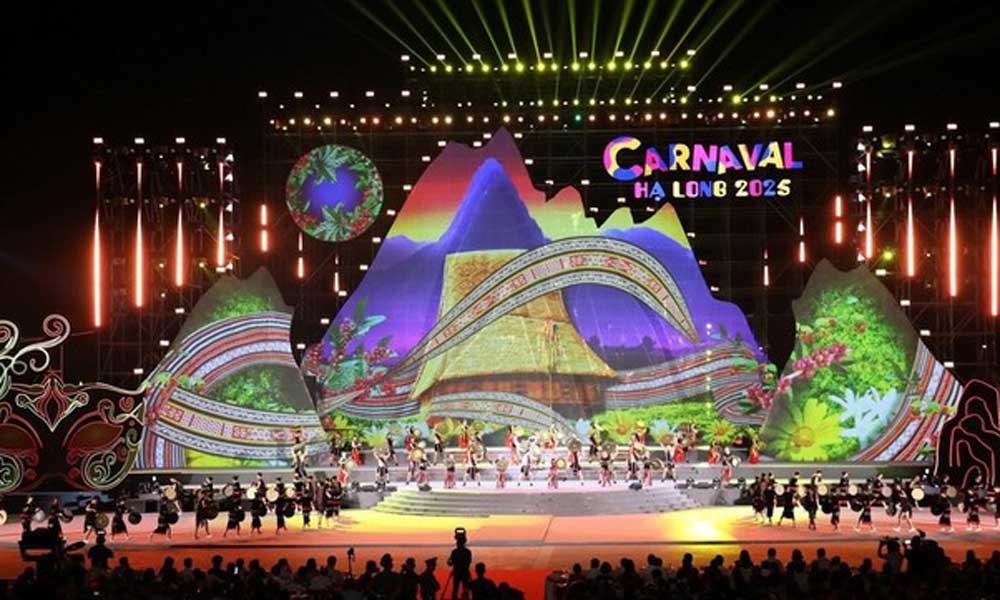
Phu Quoc increasingly meets these criteria, supported by expanding aviation links, high-end accommodation, a growing night-time economy, and the ability to host large international events.





Reader's comments (0)