 Bắc Ninh


Bac Ninh seeks balanced urban development
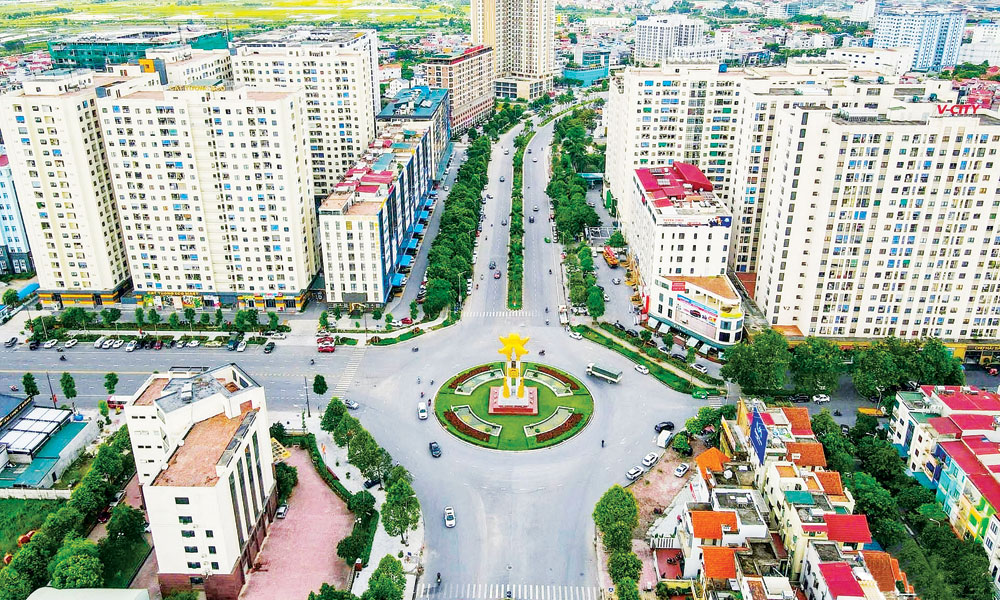
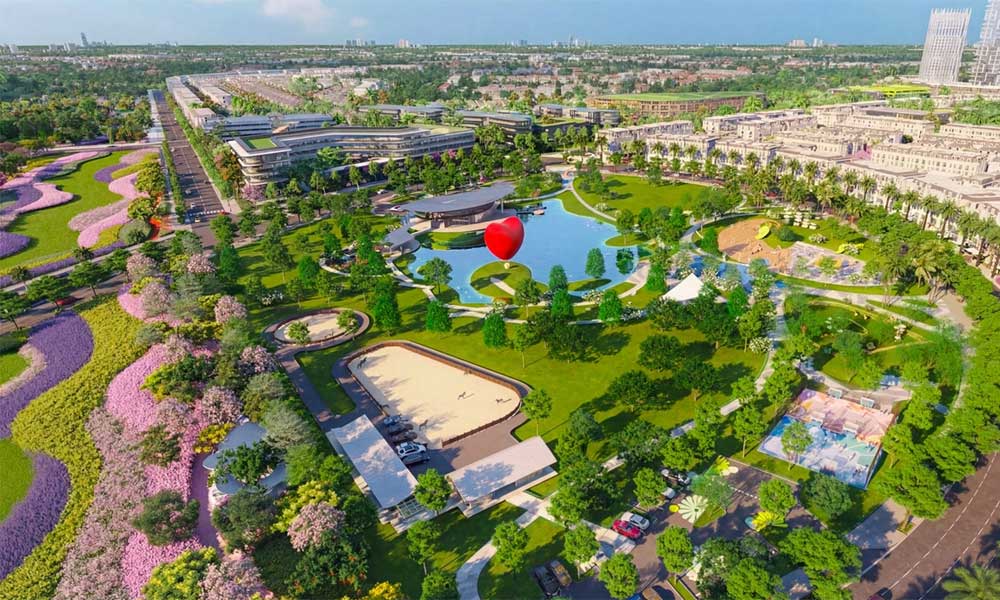
BAC NINH - Bac Ninh's urban areas are undergoing rapid transformation toward more modern and civilised landscape, with residential areas, roads, parks and lakes increasingly incorporated into urban planning. But the fast expansion of high-rise apartment projects is putting greater pressure on infrastructure and raising the need for more coordinated urban development.
On streets in Bac Giang Ward, for example, low-rise homes, greenery and public spaces still help maintain an open urban environment, rather than creating dense clusters of high-rise buildings.
 |
|
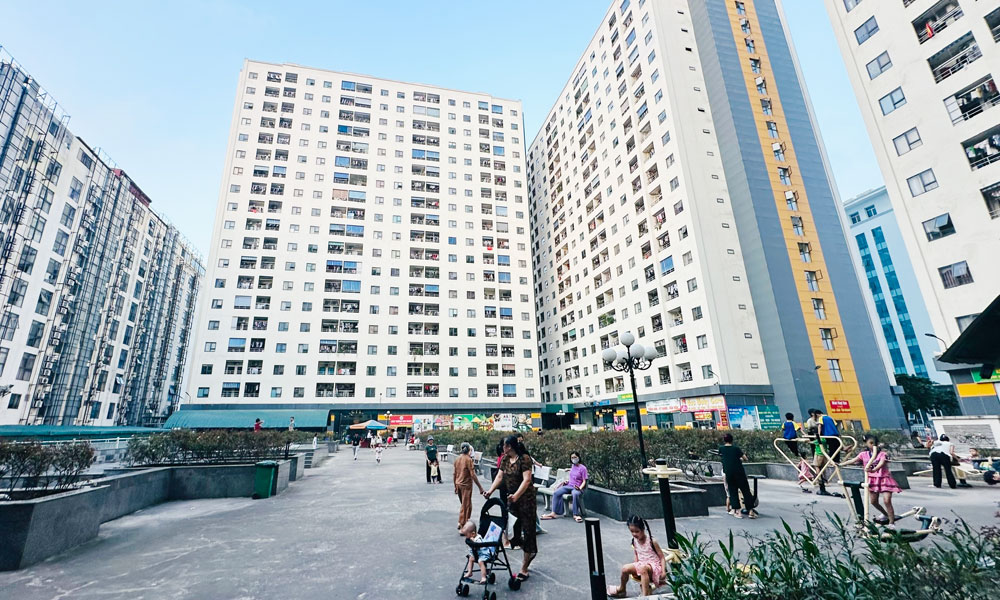
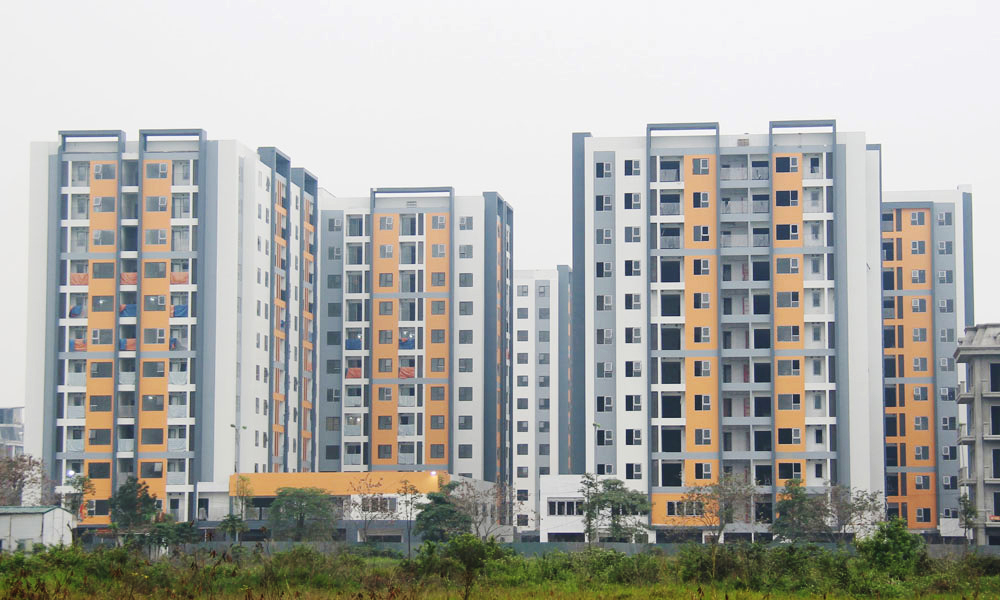
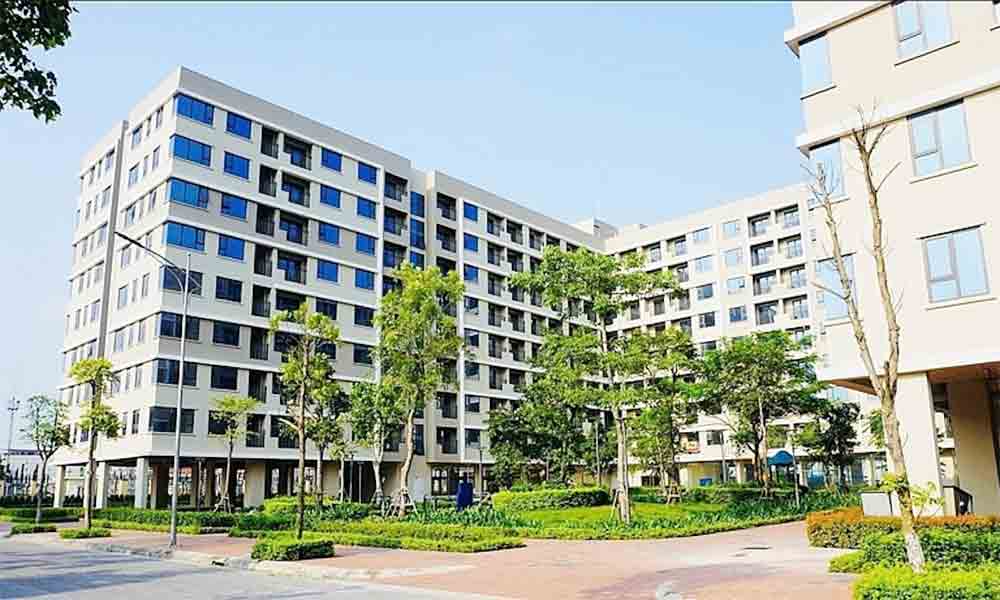
High-rise apartment complex on Ly Thai To Street in Vo Cuong Ward. |
Houses combining residential and commercial uses meet daily needs while adding activity to local streets.
The same pattern can be seen in urban areas of Bac Giang, Tan Tien, Nenh, Kinh Bac, Vo Cuong and Vu Ninh wards, as well as Tu Son, where trees and lakes are increasingly incorporated into urban spaces and low-rise homes along roads create architectural diversity.
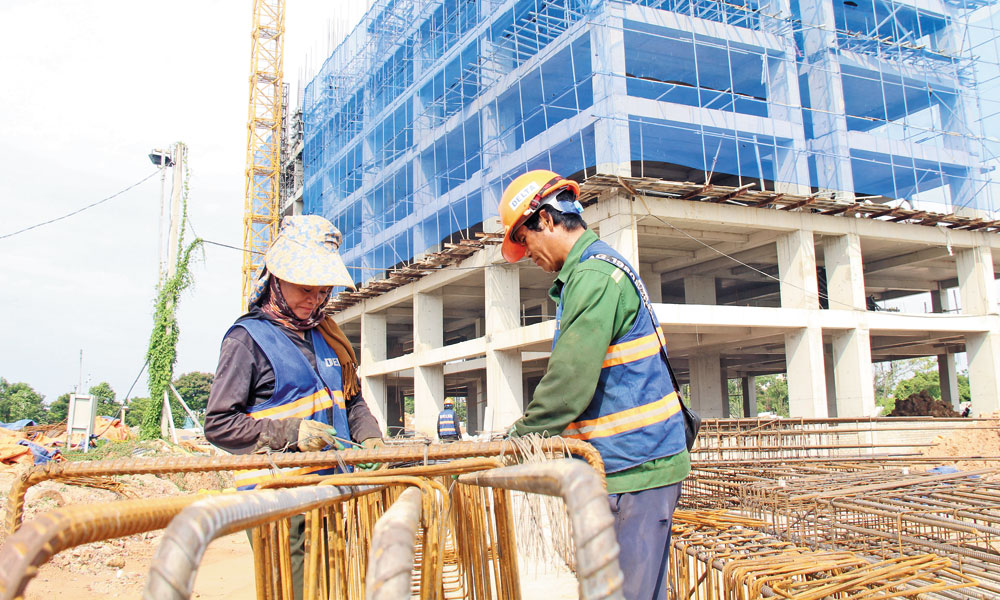
However, the growing number of social housing projects and high-rise apartment buildings is also placing pressure on existing infrastructure. While such projects are needed to meet housing demand, some developments have limited parking, green space and public amenities.
Nguyen Van Cu Street in Bac Giang Ward illustrates the challenge. Two apartment complexes, Apec Aqua Park and Saigontel Central Park, contain nearly 700 units.
Le Van Quy, a former head of a local residential group, said residents were mainly young workers, temporary residents and foreign tenants, with about 80 apartments at one point rented to foreigners.
Frequent changes in the population have complicated local management while adding pressure on traffic and parking.
Another 29-storey apartment building with two basement levels is under construction in the area. The project has a total floor area of more than 78,400 square metres and is expected to accommodate about 1,300 people. Without corresponding infrastructure improvements, pressure on the area is likely to increase further.
Bac Ninh's urban development programme to 2030 envisages a multi-polar urban system with clearer levels of planning and administration, while strengthening links with Hanoi, the Red River Delta and national economic corridors.
The province's general urban plan to 2050, with a vision to 2075, projects the population will reach about 4.95 million by 2030, 7.5-7.7 million by 2040 and 8.6-8.9 million by 2050.
Urbanisation rates are projected at 65%, 75% and 80%, respectively. By 2075, Bac Ninh aims to develop into an international megacity with a population of more than 10 million.
The development space is planned around three zones: industry and the central urban area; commerce, services and logistics in the south; and agriculture and forestry in the east.
"Bac Ninh should prioritise new urban areas of an appropriate scale, with transport networks, parking, green space, schools, healthcare facilities and services planned from the outset," said Nguyen Viet Dung, Standing Vice Chairman of the Bac Ninh Architects Association.
He said this would allow high-rise projects to operate effectively without placing excessive pressure on surrounding areas.
According to the provincial Department of Construction, administrative boundary adjustments and expanded master planning have created more room for development while helping address infrastructure and environmental bottlenecks.
 |
|
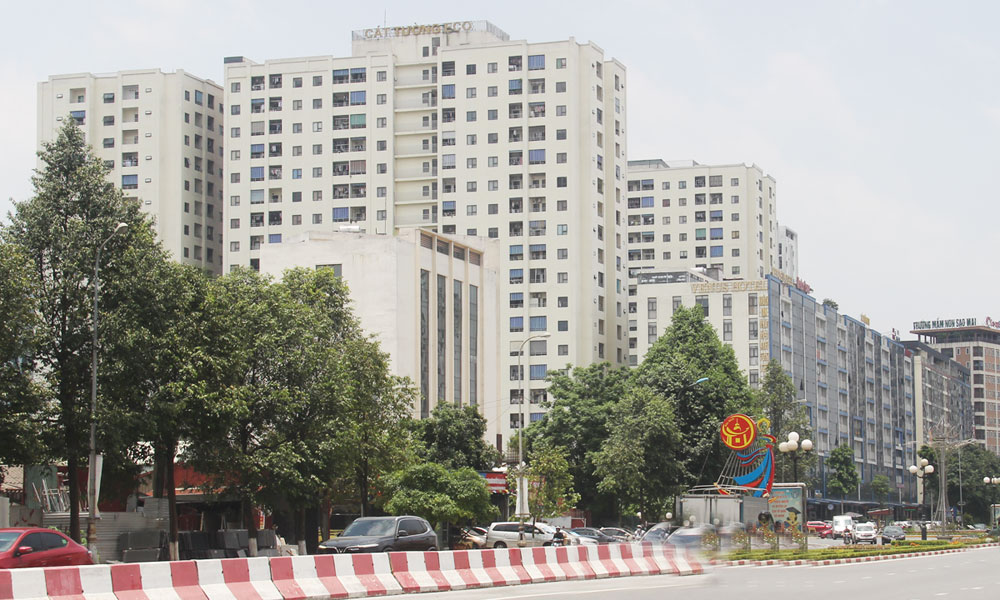
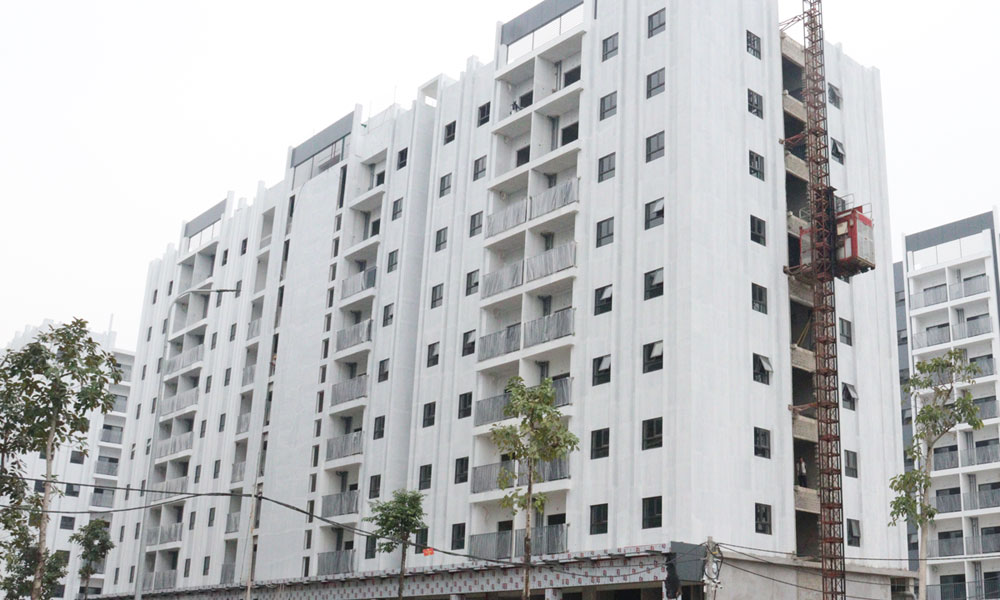
Cat Tuong apartment complex in Vo Cuong Ward. |
Urban development is shifting from a purely industrial model toward a multi-polar, multi-centre structure linked by different forms of transport. Rivers are also being planned as green corridors and cultural and landscape spaces.
For existing residential areas, additional high-rise construction should be based on population density, infrastructure capacity and actual housing demand. Higher population density can work only when supported by adequate infrastructure; otherwise, it will increase pressure on traffic, the environment and urban services.
With rapid urbanisation, Bac Ninh has an opportunity to develop a modern, integrated and distinctive urban landscape.
Achieving that goal will require long-term planning, strict control of construction density and a balance between high-rise buildings and low-rise housing, with infrastructure developed ahead of demand and residents' quality of life kept at the centre of urban planning.







Reader's comments (0)