 Bắc Ninh


Bac Ninh: The enduring charm of Ho village’s clay figurines
BAC NINH - Some toys can bring an entire childhood rushing back at the mere sight of them. For generations of people in Kinh Bac, those toys are the small, rustic clay figurines traditionally placed alongside the offerings on the Mid-Autumn Festival tray.
Through countless Mid-Autumn Festivals, as modern toys have become increasingly diverse, the clay figurines of Ho village, now part of Dong Ho residential area in Thuan Thanh ward, have been preserved and adapted to reach children today.
 |
|
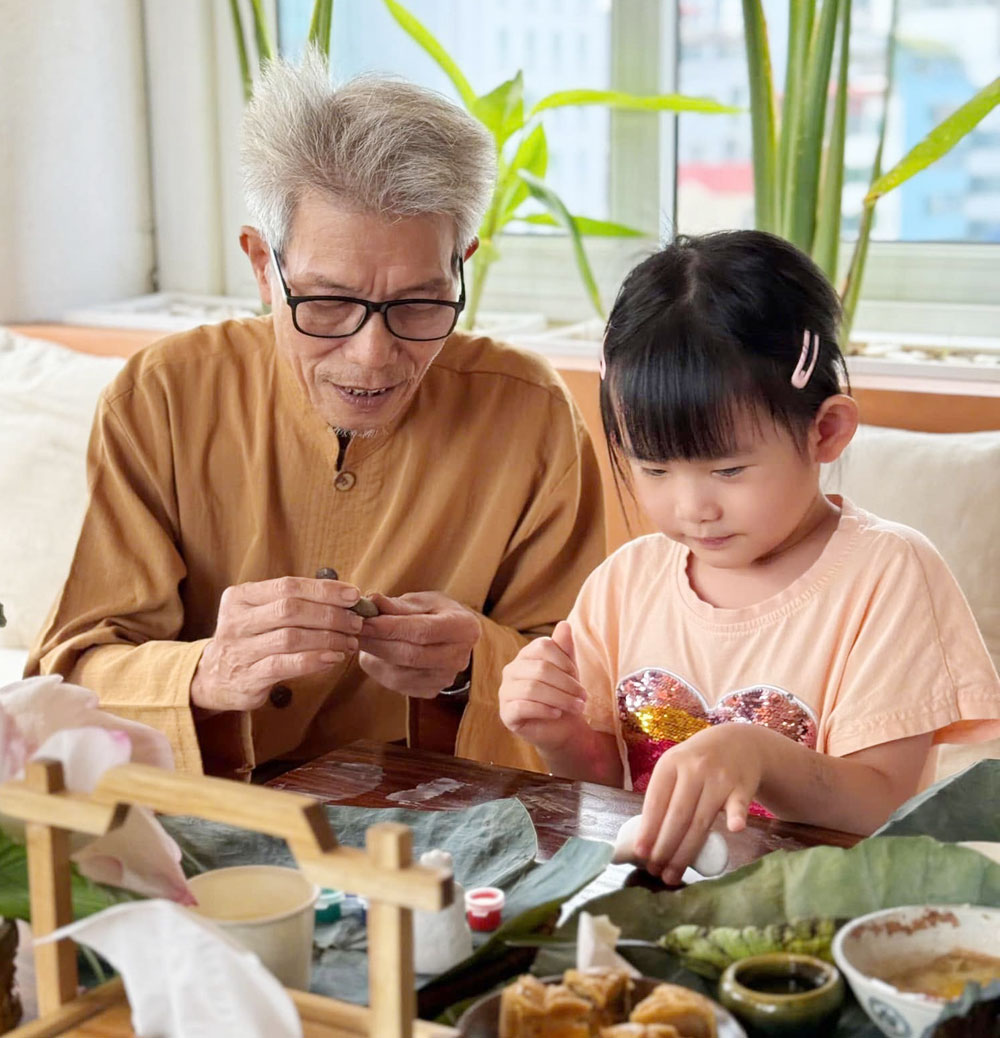
Artisan Phung Dinh Giap teaches children how to make clay figurines. |
In Dong Ho residential area, the craft of making clay figurines has been practiced for more than a century.
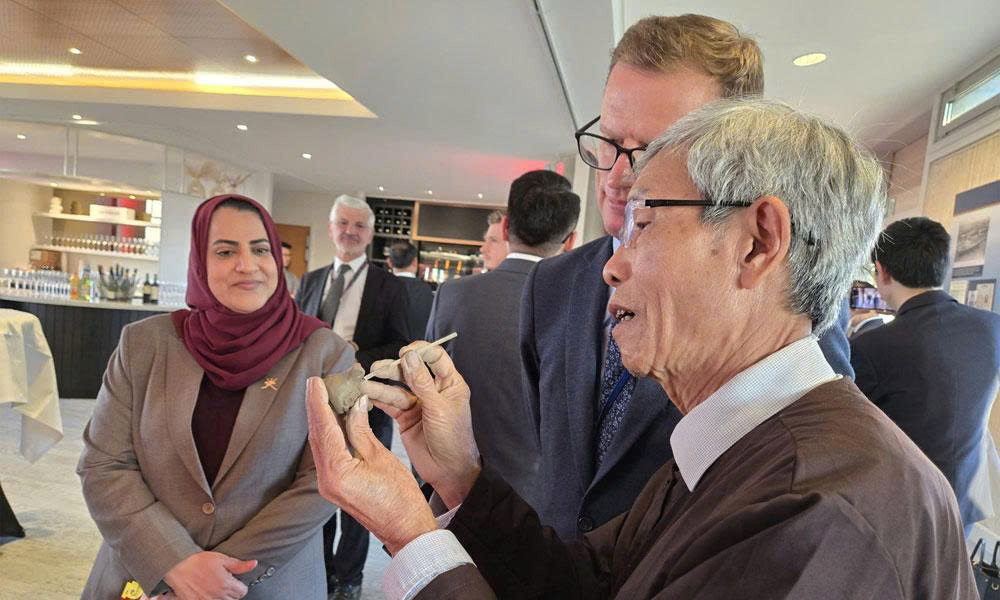
No one knows exactly when the craft began, but across generations, the figurines have become part of the cultural life of the Kinh Bac region. Artisan Phung Dinh Giap is among those who grew up surrounded by the little figures.
According to Giap, the figurines are made from dat tho, a mixture of clay and traditional ban paper.
The clay must be finely textured. It is dried, pounded in a mortar and sifted until it is as fine as flour.
The paper is soaked in water until soft, then kneaded together with the fine clay before being pounded again and used to mould the figurines.
Once shaped, the figures are sun-dried for three to five days, coated with a layer of white diep powder and then painted.
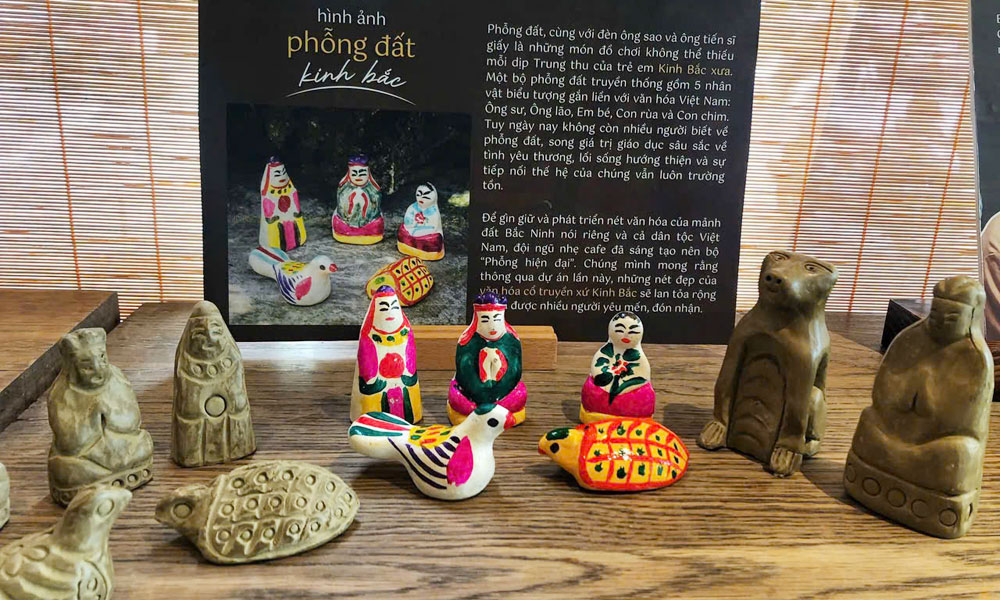
A traditional set consists of five figures, each carrying a symbolic meaning.
A child holding a flower represents descendants; the standing elderly figure represents the older generation; the monk evokes morality and conscience; the dove expresses aspirations for peace and freedom; and the turtle symbolises enduring vitality.
The figures were traditionally placed alongside the Mid-Autumn Festival tray, giving adults an opportunity to tell children stories about family, how to live and the good things in life.
 |
|
The familiar clay figurines have been closely associated with the childhoods of generations of people in the Kinh Bac region. |
Today, many people may no longer remember all of those stories. But the figurines remain, serving as small pieces of a folk culture passed down from one generation to the next.
“In the old days, adults used the set of figurines to teach children. Children listened to the stories and then chose a figurine they liked to play with,” Giap recalled.
It was a simple yet profound form of education. Moral lessons did not come through lengthy lectures, but were embodied in the small shapes of clay figurines, allowing children to play, listen and remember at the same time.
Perhaps that is the enduring value of traditional toys. They not only make childhood more beautiful, but also quietly bring culture into the hearts and minds of children.


.jpg)



Reader's comments (0)