 Bắc Ninh


Dan Kinh Thien – Thung Ui: Thousand-year-old distinctive tourism site in Ninh Binh
The site is associated with King Dinh Tien Hoang (Dinh Bo Linh, 924–979)’s heaven worship ceremony before his campaign to quell the rebellion of the 12 warlords. After reunifying the country and ascending the throne, he returned here to perform the heaven worship ritual and proclaim his reign.
The Department of Tourism of the northern province of Ninh Binh in coordination with the Xuan Truong construction enterprise has organised a familiarisation tour of Dan Kinh Thien (Heaven Worship Altar) –Thung Ui, a tourism site in Tay Hoa Lu ward where King Dinh Tien Hoang conducted heaven worship rituals more than 1,000 years ago.
 |
|
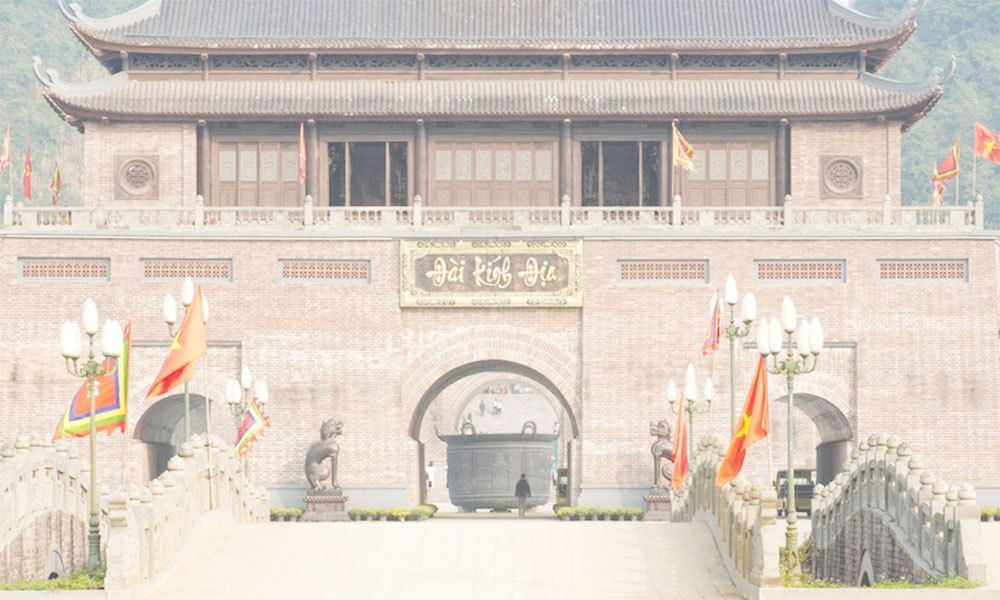
A view of Dan Kinh Thien (Heaven Worship Altar) in Ninh Binh province. |
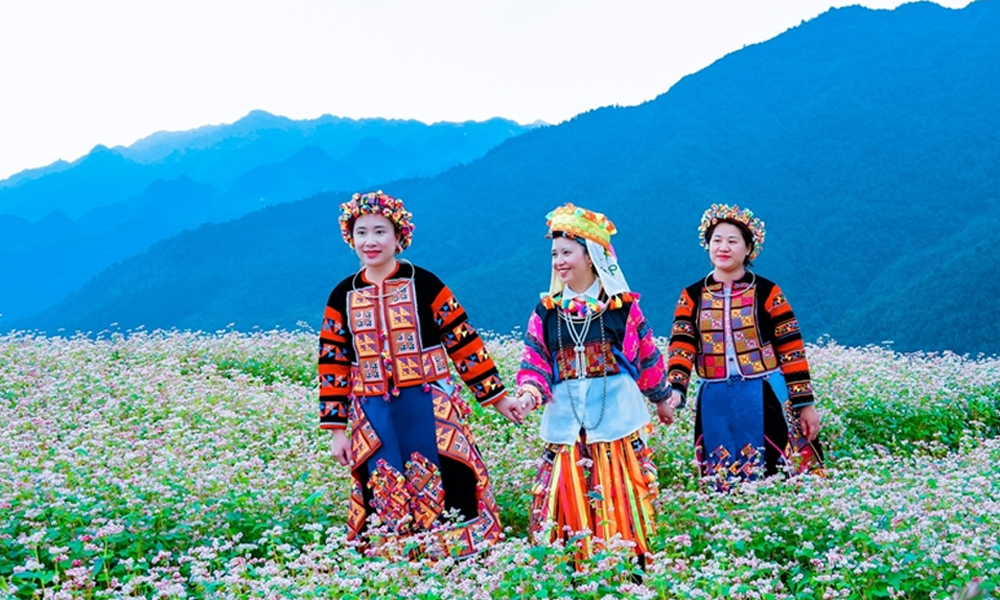
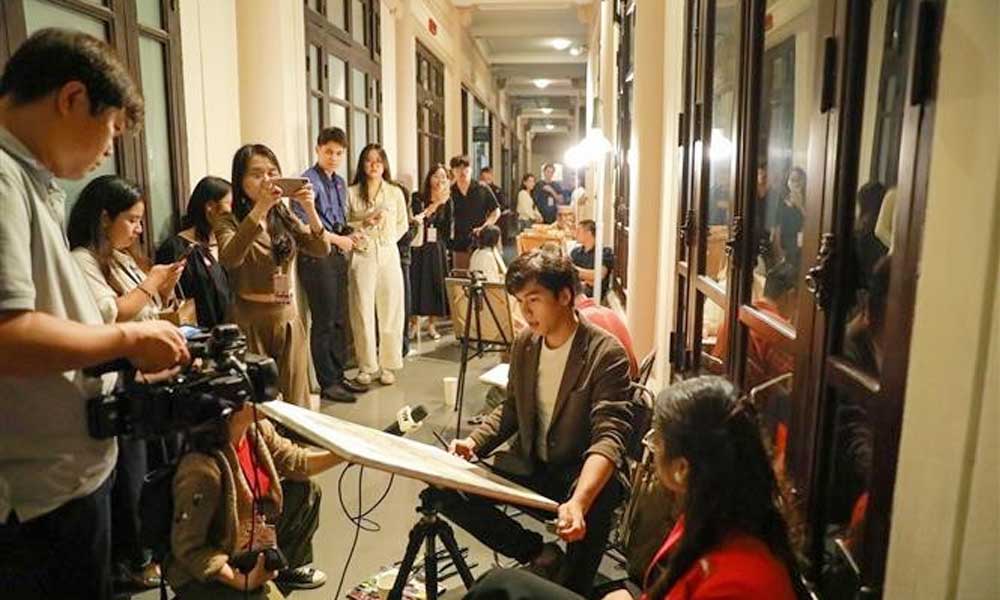
The event drew about 2,000 participants from more than 200 travel and tourism service providers nationwide, along with over 100 media representatives. They toured the site and experienced cultural features closely associated with local traditions and the Muong ethnic group.
The Dan Kinh Thien spiritual tourism site covers 270 hectares near the Bai Dinh Pagoda complex. The site is associated with King Dinh Tien Hoang (Dinh Bo Linh, 924–979)’s heaven worship ceremony before his campaign to quell the rebellion of the 12 warlords. After reunifying the country and ascending the throne, he returned here to perform the heaven worship ritual and proclaim his reign.
Heaven worship was one of the most important court rituals in feudal Vietnam, intended to pray for favourable weather, national peace, prosperity and social harmony.
Truong Dinh Tuong, Chairman of the Ninh Binh Historical Science Association, said emperors of all feudal dynasties, from the Dinh – Early Le dynasties through the Nguyen dynasty, placed great importance on these ceremonies. As the ancient capital of the Dinh, Early Le and Ly dynasties, Hoa Lu still retains deep historical imprints.
In 968, following national reunification, Dinh Bo Linh proclaimed himself Emperor Dinh Tien Hoang at Dan Kinh Thien, named the country Dai Co Viet, adopted the reign title Thai Binh, and established Vietnam’s first centralised feudal state.
Dan Kinh Thien, also known as the Nam Giao Altar, dates back more than 1,000 years, lies within the ancient Hoa Lu capital area, now part of the Trang An Landscape Complex, a UNESCO World Cultural and Natural Heritage site.
The altar was restored in 2018 to mark the 1,050th anniversary of Dinh Bo Linh’s coronation, featuring a three-gate structure, Human, Earth and Heaven, reflecting the ancient “Three Powers” concept.
Notably, archaeological research conducted over more than two decades during the restoration process uncovered prehistoric human remains dating back 13,000 to 50,000 years ago.
The findings confirm early human settlement in the Trang An – Hoa Lu area and reinforce Dan Kinh Thien as a symbolic convergence of heaven, earth and humanity.
Sharing their impressions, travel businesses said Ninh Binh’s tourism has increasingly shifted towards cultural and spiritual experiences in harmony with nature. Dan Kinh Thien – Thung Ui, with its strong historical imprints, is expected to be incorporated in new tours.
Spring is the peak season for festivals and pilgrimages, and Dan Kinh Thien – Thung Ui is anticipated to become a distinctive new tourism product attracting a large number of visitors, said Duong Thi Thanh, Chairwoman of the Ninh Binh Tourism Association.
A representative of the Ninh Binh Department of Tourism said the site, both a historical and cultural testament and a new tourism space, will open to visitors during the coming Lunar New Year, creating fresh momentum for local tourism development.












Reader's comments (0)