 Bắc Ninh


Digital transformation key to preserving, promoting ethnic cultural values
Training local young people in filming, audio recording, digital storytelling, data preservation and responsible use of AI can help build a new generation of cultural custodians. This, in turn, can help transform cultural heritage into a resource for economic development while contributing to the country’s broader development.
For ethnic minority communities, digital transformation offers an opportunity to bring cultural values from villages and communities to wider society. However, the process also poses challenges related to cultural rights and the risk of commercialising heritage.
 |
|
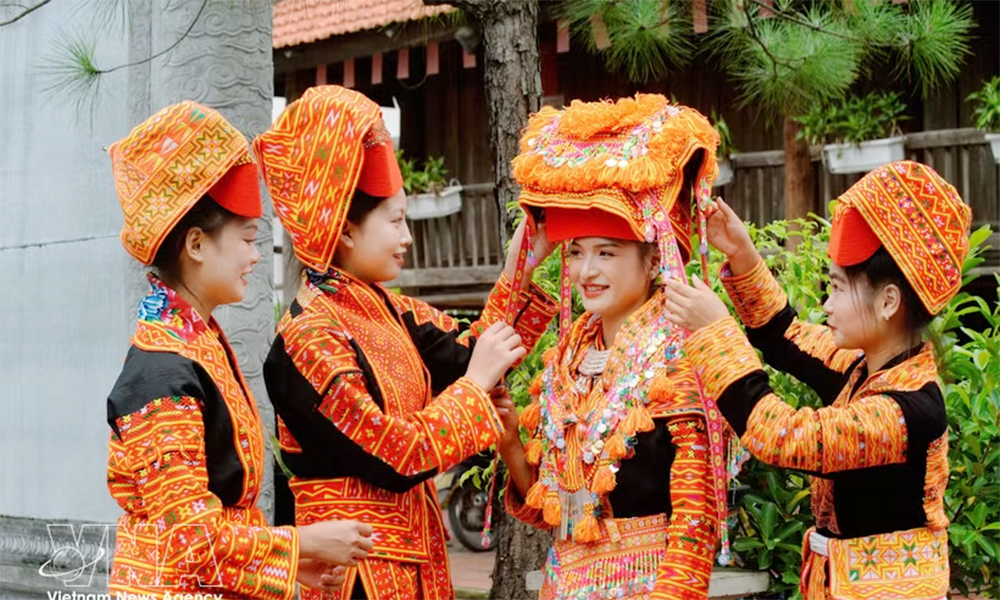
Red Dao girls in Van Son commune, Bac Ninh city, are dressed in traditional attire. (Photo: VNA) |
The Party and State’s approach to digital transformation is to harness technology to preserve the vitality of ethnic cultures, facilitate their transmission and strengthen connections between generations, while enabling individuals and communities to take ownership of and benefit from their cultural values.
Ethnic culture is not limited to artefacts that can be displayed in museums. It also encompasses languages and scripts, folk songs and dances, rituals, handicrafts, performing arts, production practices, cuisine and knowledge passed down through generations.
For intangible cultural heritage, its survival depends primarily on the communities that practise it.
The United Nations Educational, Scientific and Cultural Organisation (UNESCO) emphasises that safeguarding living heritage does not mean “freezing” it in an unchanging state, but ensuring that the knowledge and skills needed to transmit and recreate culture in community life are maintained.
Digital transformation can expand the space in which ethnic cultures exist. A folk song or traditional craft technique once known only within a small community can now reach students, researchers and tourists.
Digitalisation also creates new methods of cultural transmission beyond traditional teaching by artisans, village elders and community leaders.
Short videos, digital libraries, cultural maps, virtual museums, ethnic-language learning applications and virtual reality technologies are becoming useful tools for enabling wider access to and understanding of ethnic cultures.
The attractive presentation of heritage in the digital environment can also generate livelihoods for ethnic minority communities by promoting and selling handicrafts and local agricultural products, thereby creating incentives for people to continue practising their traditions while developing new cultural values.
However, the digitalisation of ethnic cultural heritage has also revealed shortcomings. One major concern is the risk of separating culture from its custodians.
When a ritual or folk song is placed online without the participation of the community that created and practises it, it may be misinterpreted or used for unintended purposes.
Under the influence of digital platforms, content that is visually appealing, easily marketed or readily performed may receive more attention, while culturally profound but less commercial content can be overlooked. Over time, this may alter the original values of heritage.
The rapid development of artificial intelligence (AI) has further complicated rights over cultural data, potentially exposing ethnic cultures to harm through irresponsible exploitation.
Protecting living heritage
The Ministry of Culture, Sports and Tourism has launched a platform to manage the national cultural heritage database. However, ethnic cultures have particular characteristics that require dedicated infrastructure and management approaches.
Experts recommend empowering cultural custodians in the digitalisation process.
 |
|
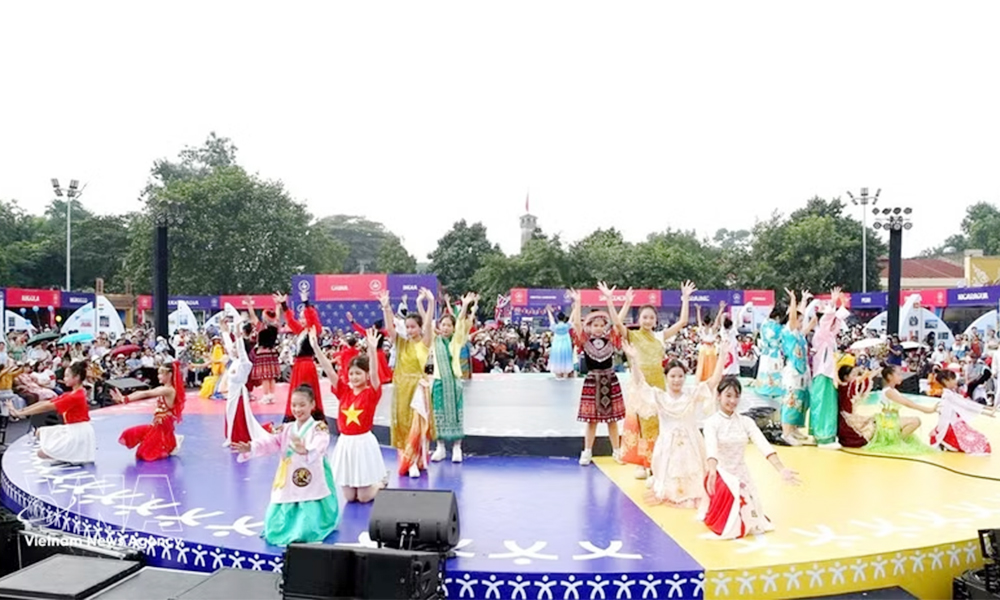
An art performance at the Hoa Lu Ancient Capital Street Festival in Ninh Binh province (Photo: nhandan.vn) |
Each project should directly involve artisans, village elders, respected community members and the wider community from the selection and documentation of content to its interpretation and decisions on what can be made public and what should remain for internal storage.
Regarding laws and policies, mechanisms should be developed and refined to protect copyright and benefits arising from ethnic cultural data.
They should clearly define who has the right to exploit such data and how cultural custodians, including artisans and communities, can benefit when it is used for commercial purposes.
Relevant agencies should also strengthen digital cultural education for young people, particularly ethnic minority youth, who are both recipients of cultural heritage and creators of digital content about it.
Training local young people in filming, audio recording, digital storytelling, data preservation and responsible use of AI can help build a new generation of cultural custodians.
This, in turn, can help transform cultural heritage into a resource for economic development while contributing to the country’s broader development.





















Reader's comments (0)