 Bắc Ninh


Exploring southern Vietnam's cultural heritage in Tay Ninh
Tay Ninh offers a glimpse of southern Vietnam's cultural heritage through Ba Den Mountain, the Cao Dai Holy See, Khmer performing arts and traditional rice paper.
Just outside Ho Chi Minh City, Tay Ninh combines religious traditions, performing arts and local cuisine, offering visitors a chance to explore southern Vietnam's cultural heritage.
 |
|
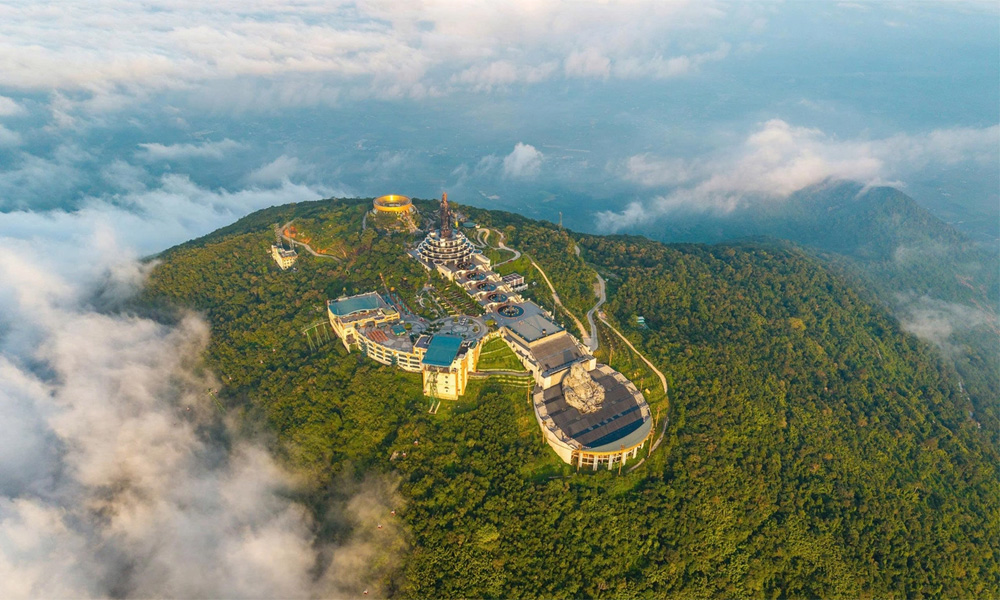
The nearly 300-year-old pagoda complex on Ba Den Mountain is a longstanding pilgrimage site dedicated to Linh Son Thanh Mau. Photo courtesy of Sun Group. |
As Vietnam Culture Day approaches on Nov. 24, visitors can discover landmarks ranging from the worship of Linh Son Thanh Mau on Ba Den Mountain to the architecture of the Cao Dai Holy See and the traditional craft of making Trang Bang rice paper.
At noon, worshippers dressed in white gather at the Cao Dai Holy See for prayers accompanied by chanting and ceremonial music. On Ba Den Mountain, pilgrims offer incense at shrines beneath towering Buddhist statues.
These sites reflect the religious and cultural traditions that have shaped the province over generations.
Ba Den Mountain: A spiritual landmark above the clouds
Rising 986 meters above sea level, Ba Den Mountain is the highest mountain in southern Vietnam and a major pilgrimage destination associated with the worship of Linh Son Thanh Mau, commonly known as Ba Den.
Local legend identifies her as Ly Thi Thien Huong, a young woman whose story has been passed down through generations.
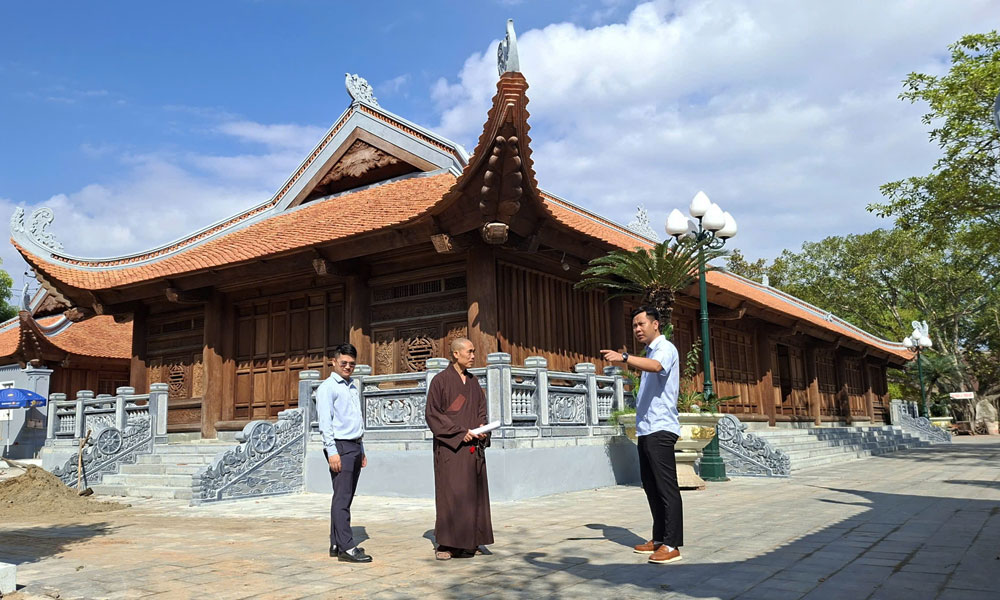
Halfway up the mountain, Linh Son Tien Thach Pagoda and Dien Ba Shrine are key pilgrimage sites. The nearly 300-year-old pagoda complex continues to attract worshippers paying their respects to Linh Son Thanh Mau.
A cable car takes visitors to the summit, where Buddhist structures stand against the mountain landscape. A prominent landmark is the 72-meter bronze statue of Tay Bo Da Son, depicting the Bodhisattva of Mercy.
On Saturday evenings, visitors can join a lantern-lighting ceremony to pray for peace and good fortune.
The mountain also showcases Khmer performing arts, including Chhay-dam, a traditional drum dance recognized as a National Intangible Cultural Heritage in 2014.
The performance features powerful drumbeats, energetic movements and martial-arts-inspired techniques. Traditional Khmer folk dances, with colorful costumes and more fluid movements, offer another expression of the community's artistic heritage.
Together, the pilgrimage sites and performances highlight the diversity of southern Vietnam's cultural traditions.
Cao Dai Holy See and Khmer cultural traditions
The year 2026 marks the centenary of Cao Dai, a religion founded in southern Vietnam in 1926.
Its central landmark, the Cao Dai Holy See, is known for its colorful facade, dragon-adorned columns and the Divine Eye, a central religious symbol.
Visitors arriving around noon can observe the daily prayer ceremony from designated viewing areas as worshippers gather in the main sanctuary. The rituals and architecture offer insight into a faith that originated in Vietnam and incorporates elements of several religious traditions.
Tay Ninh's heritage also includes the traditions of its Khmer community. Near Ba Den Mountain, Khedol Pagoda serves as a place of worship and a gathering space for local residents. It also hosts community celebrations and helps preserve customs passed down through generations.
The Cao Dai Holy See, Khmer pagodas and traditional performances offer a broader view of the province beyond its pilgrimage sites.
Discovering Tay Ninh through its cuisine
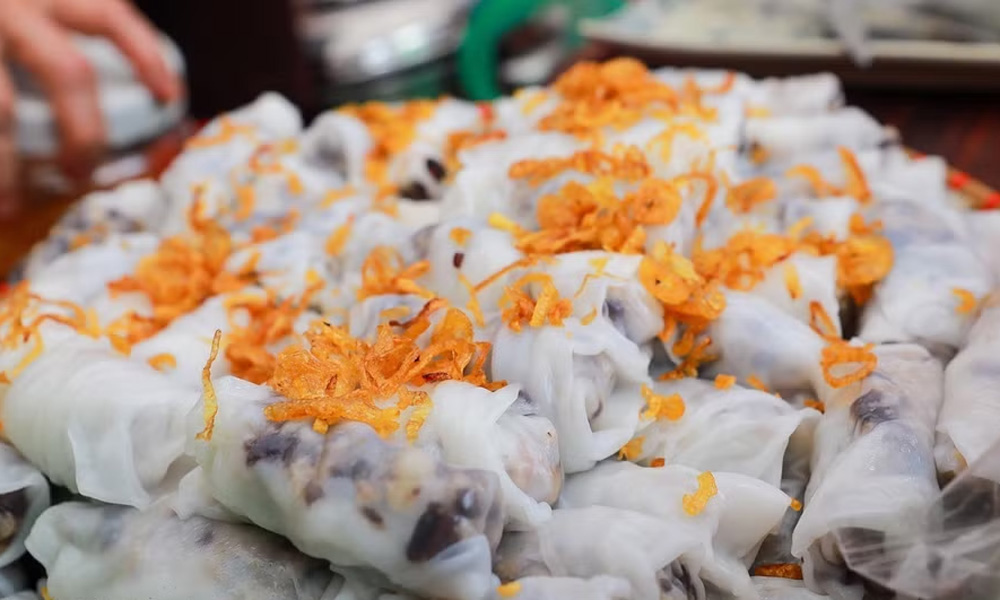
Tay Ninh's culinary traditions are another part of its cultural identity. Trang Bang, along the route from Ho Chi Minh City, is known for banh trang phoi suong, or dew-exposed rice paper, a traditional craft recognized as a National Intangible Cultural Heritage.
The rice paper is prepared in several stages before being left outdoors overnight to absorb moisture from the dew, giving it a soft, pliable texture. The process requires experience and careful attention to weather conditions.
The rice paper is typically served with boiled pork, fresh herbs and wild vegetables, rolled together and dipped in seasoned fish sauce. Other local specialties include Trang Bang noodle soup and Tay Ninh shrimp salt, a seasoning commonly served with fruit and other dishes.
These foods reflect culinary traditions built around familiar ingredients and methods passed down through generations.
November marks the start of Tay Ninh's dry season, offering more favorable conditions for outdoor activities and sightseeing.
Travelers from Ho Chi Minh City can visit Ba Den Mountain and the Cao Dai Holy See on a day trip or stay longer to explore Khmer pagodas and traditional craft villages.
With Vietnam Culture Day on Nov. 24, Tay Ninh offers visitors a chance to explore the religious beliefs, performing arts and culinary traditions that continue to shape life in southern Vietnam.


Reader's comments (0)