 Bắc Ninh


FDI attraction: Time to shift from “red carpet rollout” to long-term partnership
An expert perceived that Vietnam needs to move towards a new-generation investment attraction model – one that seeks not only capital but also advanced technology, modern governance, innovation and stronger spillover effects on domestic enterprises.
As Vietnam enters a new phase of development driven by ambitions for fast and sustainable growth, the question of attracting foreign direct investment (FDI) is no longer simply about the scale of capital inflows.
 |
|
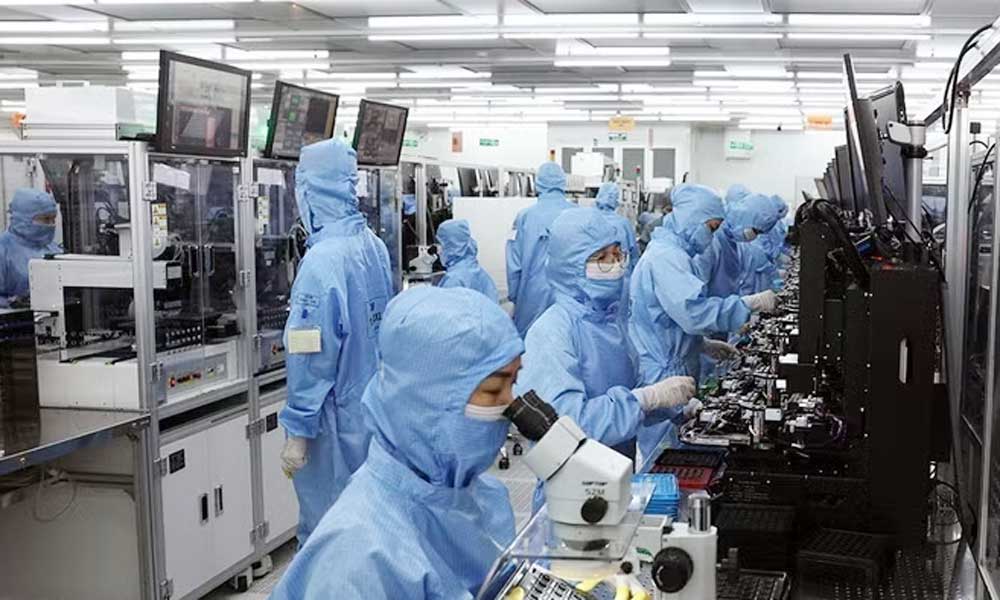
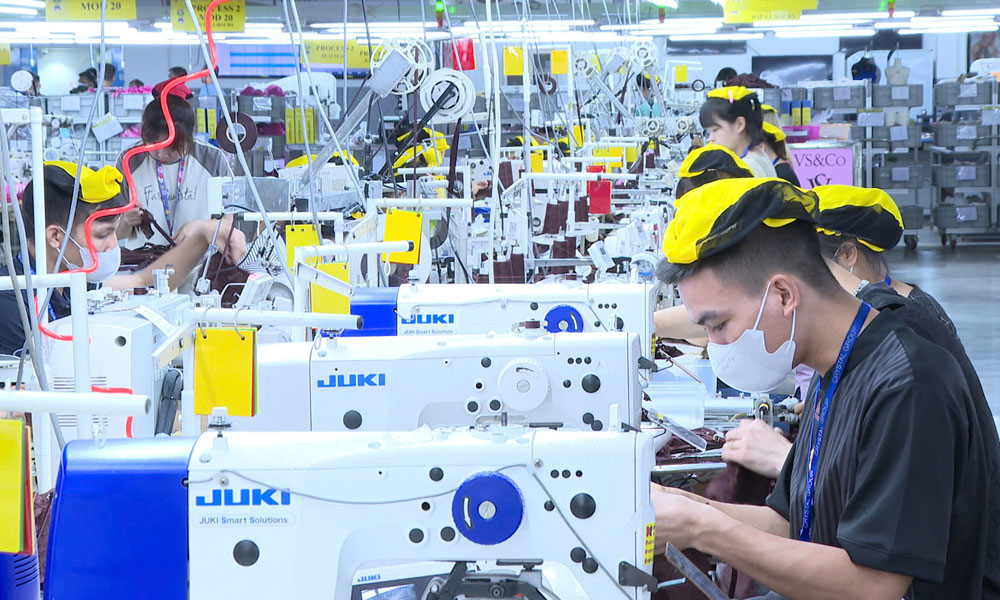
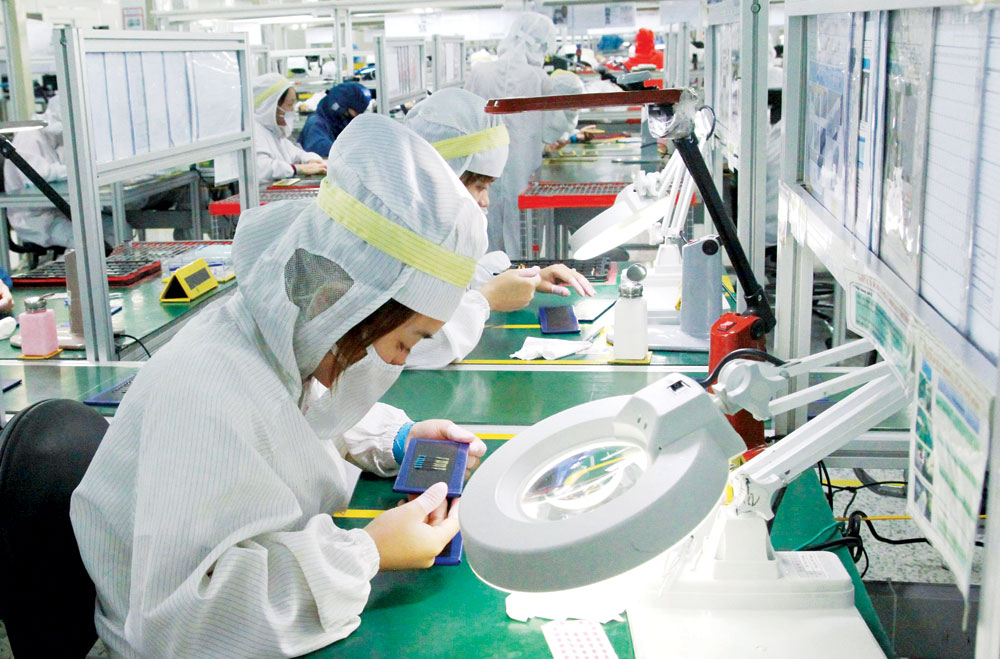
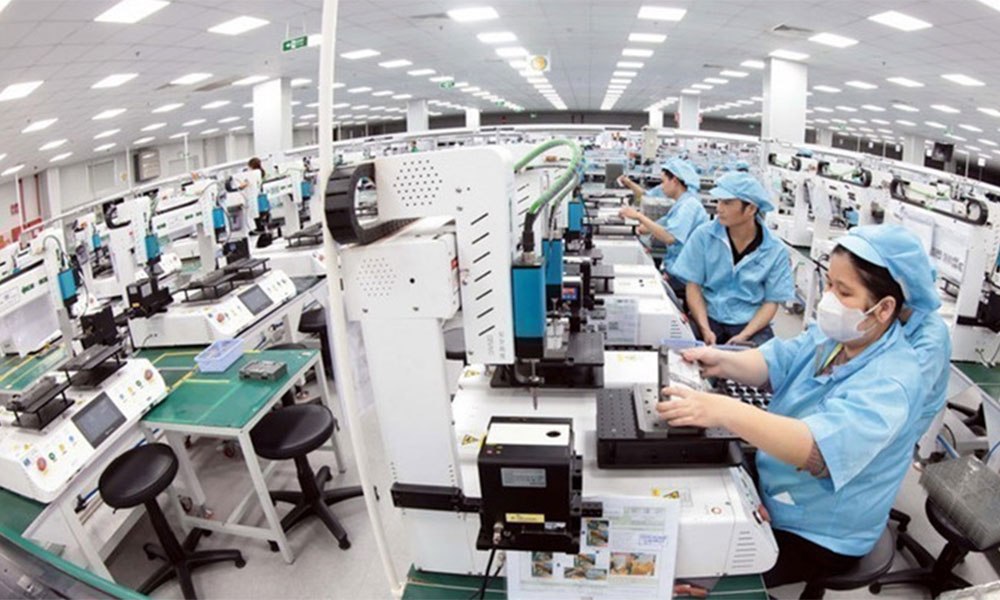
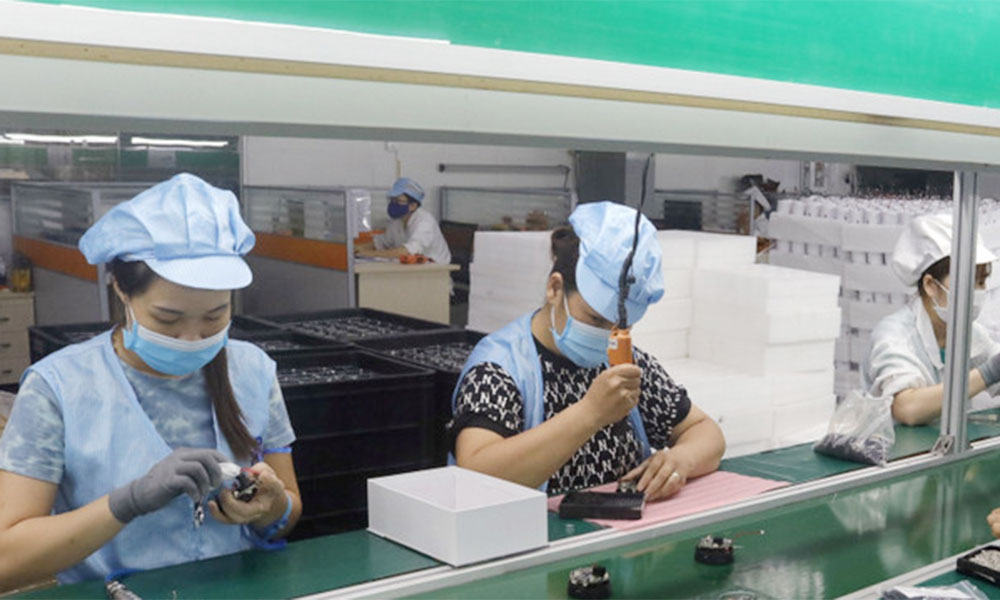
Workers manufactures camera modules and electronic components for export at the factory of the RoK-invested MCNEX VINA Co., Ltd. in the Phuc Son Industrial Park, Ninh Binh province. |
Increasingly, the focus is turning to the quality of investment, its spillover effects and its ability to strengthen the economy’s intrinsic capabilities.
From “FDI at any cost” to selective attraction of high-quality investment
Vietnam currently hosts more than 46,500 valid foreign-invested projects, with total registered capital exceeding 543 billion USD and cumulative disbursed capital reaching around 357.6 billion USD.
The FDI sector now contributes more than 20% of GDP, accounts for roughly 70% of export turnover and provides employment for millions of workers.
According to experts, Vietnam will require enormous investment resources to achieve its high and sustainable growth targets for the 2026–2030 period, with the FDI sector and the domestic private sector expected to contribute around 80% of the country’s total investment demand across society.
Associate Professor and Dr Hoang Van Cuong, Vice Chairman of the Vietnam Economic Science Association, said that Vietnam’s earlier FDI strategy focused primarily on mobilising foreign capital to expand production and make use of low labour costs. However, that model is increasingly revealing its limitations.
“If Vietnam continues with the old approach to investment attraction, domestic enterprises will remain on the sidelines of the foreign-invested sector, while Vietnamese workers will largely participate only in low value-added stages of production. That cannot deliver breakthroughs in labour productivity or growth quality,” he said.
Cuong perceived that Vietnam needs to move towards a new-generation investment attraction model – one that seeks not only capital but also advanced technology, modern governance, innovation and stronger spillover effects on domestic enterprises.
More importantly, FDI and domestic businesses must be viewed as partners developing side by side, rather than as two separate economic sectors operating within the same economy.
Many economists have similarly argued that foreign-invested firms and Vietnam’s private companies should become strategic partners capable of sharing benefits, creating new value and generating sustainable growth momentum together.
Weak linkages remain biggest bottleneck
Despite the strong expansion of the FDI sector over recent years, the connectivity between foreign-invested and domestic firms remains limited.
Vietnam now is home to more than one million active businesses, yet only around 5,000 are directly connected to global supply chains or multinational corporations.
Notably, only about 100 Vietnamese firms have become tier-one suppliers to major global groups, a figure regarded as strikingly modest.
This highlights the fact that while FDI has grown rapidly, its spillover effects on domestic enterprises are still constrained.
Dr Le Duy Binh, Director of Economica Vietnam, noted the country in the coming period needs not simply “more FDI”, but rather “next-generation FDI” focused on high technology, environmental sustainability, modern governance and deeper integration with local enterprises.
Cuong said that achieving such a change will require a fundamental adjustment in investment incentive policies. Rather than relying mainly on investment scale, incentives should be linked to tangible outcomes delivered by FDI enterprises.
These could include the degree of technology transfer, localisation rates, the number of Vietnamese firms participating in supply chains, or the effectiveness of high-quality workforce training programmes.
Many experts believe this approach is better suited to today’s increasing competition in investment environment, in which Vietnam can no longer rely chiefly on low-cost advantages but must instead build competitiveness through institutional quality, skilled human resources and innovation capacity.
According to analysts, Vietnam needs to redesign its investment incentive system centering around measurable outputs rather than simply tax breaks or registered capital.
At the same time, the country should accelerate experimental policy mechanisms, improve the investment climate and build ecosystems for high technology, the green economy, artificial intelligence and innovation.





Reader's comments (0)