 Bắc Ninh


Green industrial parks become new magnet for FDI
Statistics show that about 80% of FDI enterprises prioritise investing in industrial parks with green energy infrastructure, reflecting a growing shift in investment preferences amid tightening global environmental standards.
Green industrial parks are increasingly emerging as a decisive factor in attracting foreign direct investment (FDI) to Vietnam, as global investors place greater emphasis on sustainability, renewable energy, and low-carbon production.
 |
|
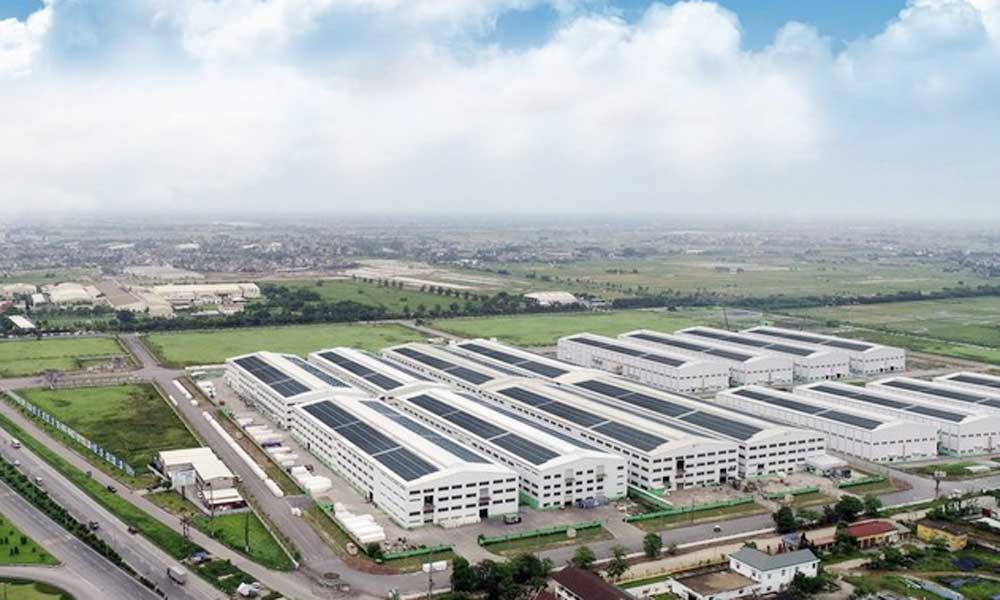
An Phát Complex Industrial Park in Hai Phong City is one of the eco-friendly industrial parks. |
Statistics show that about 80% of FDI enterprises prioritise investing in industrial parks with green energy infrastructure, reflecting a growing shift in investment preferences amid tightening global environmental standards.
According to the Vietnam Energy Association (VEA), the Carbon Border Adjustment Mechanism (CBAM) introduced by the European Union (EU) has been fully applied since 2025 to sectors such as steel, aluminium, cement and electricity.
Vietnamese exporters of these products are now required to provide data on greenhouse gas emissions per unit of output.
From 2026 onward, the CBAM will enter a new phase, requiring importers to verify emissions data and purchase CBAM certificates corresponding to the embedded emissions of goods entering the EU.
If importers can prove that a carbon price has already been paid during production, the equivalent emissions may be deducted.
At the same time, global initiatives such as RE100, which calls on companies to commit to using 100% renewable electricity, are exerting growing pressure on supply chains in industrial parks.
Major multinational corporations, including Samsung, Apple and Intel, have pledged to shift entirely to renewable energy, pushing suppliers to adopt greener production models.
The VEA forecasts that by 2030, renewable energy demand in industrial parks could account for 25–30% of total industrial electricity consumption.
In addition to clean electricity, enterprises are increasingly seeking Energy Attribute Certificates (EACs) to support sustainability reporting and emissions accounting.
According to Nguyen Duc Hien, Deputy Head of the Party Central Committee's Commission for Policies and Strategies, industrial parks remain the main destination for foreign investment flows.
Data from the Foreign Investment Agency under the Ministry of Finance shows that by the end of 2025, Vietnam had more than 500 industrial parks with a total planned area of about 145,000 hectares, with an average occupancy rate exceeding 75%.
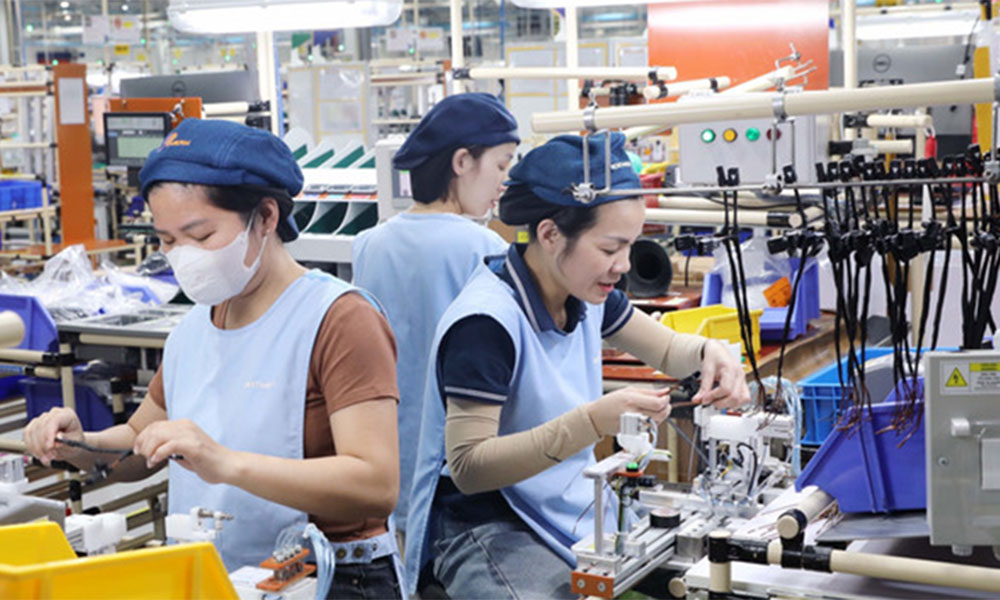
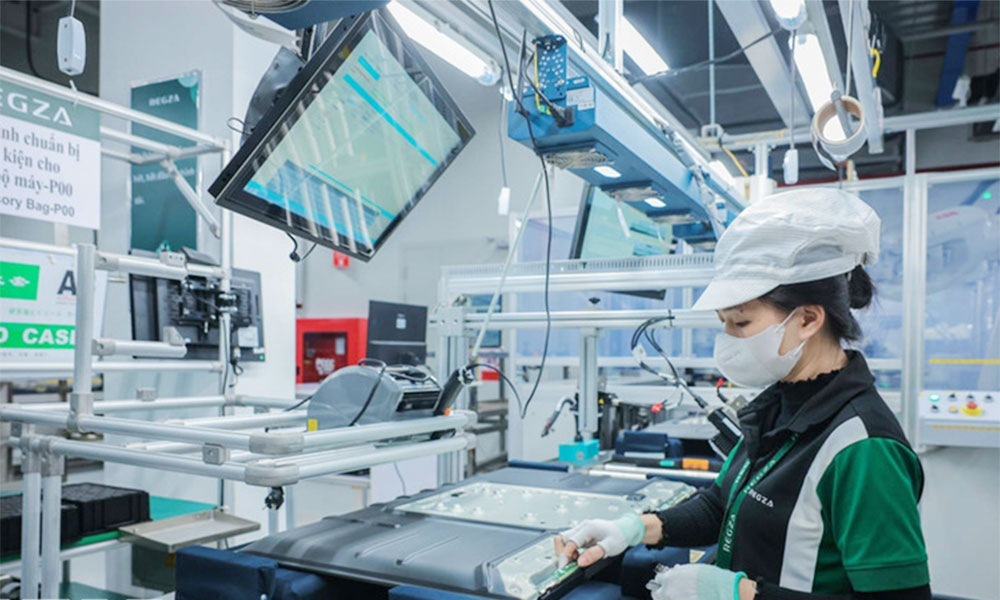
These parks account for around 35–40% of newly registered FDI in the country. In particular, FDI in the manufacturing and processing sector is heavily concentrated in industrial parks, representing 70–80% of total registered capital in this field.
However, new global requirements such as CBAM and RE100 commitments are forcing Vietnamese industrial parks to accelerate their green transition in order to remain attractive to investors.
According to Truong Khac Nguyen Minh, Deputy General Director of the Prodezi Long An JSC, developers are witnessing more specific demands from investors.
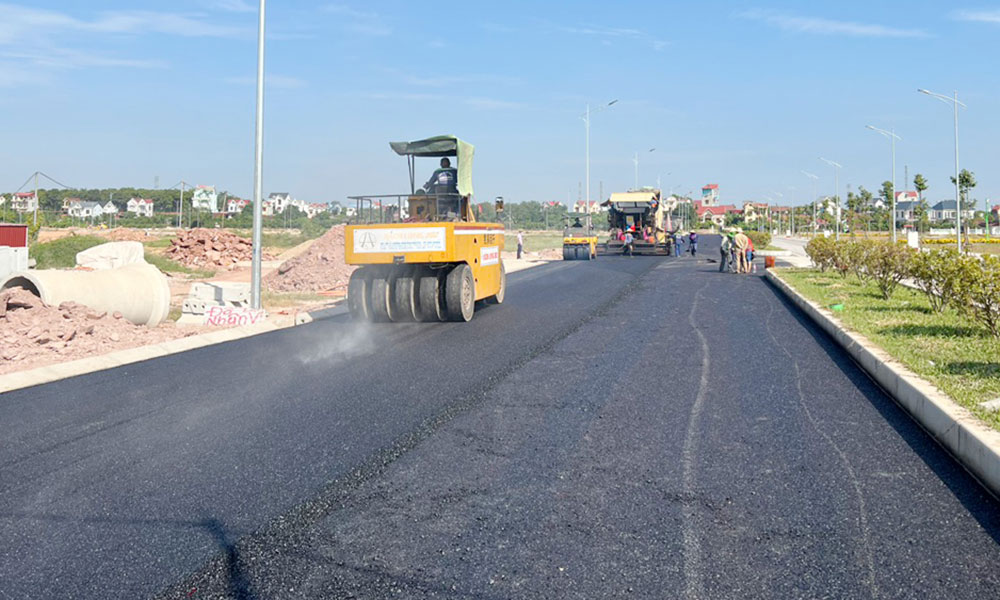
In addition to high-quality infrastructure, businesses require a stable electricity supply, clean water, high-speed telecommunications, skilled labour, and efficient administrative support.
Investors are also increasingly interested in ready-built factories, access to renewable energy, green finance, and opportunities for industrial symbiosis to optimise the use of materials, waste and energy within industrial parks.
The value of an industrial park lies not only in the land it leases, but in its ability to create a sustainable ecosystem that enables investors to grow, Minh said, adding that the Prodezi Industrial Park model focuses on smart, green and circular infrastructure alongside comprehensive investment support.
Meanwhile, Director of the ACUD Vietnam Construction Technology JSC Bach Ngoc Tung said Vietnam is entering a new development phase in which economic growth must go hand in hand with environmental and social responsibility.
Amid stricter green trade barriers in key export markets such as the EU and the US, as well as increasing competition from neighbouring countries including Thailand, Indonesia and Malaysia in attracting high-quality FDI, transitioning to eco-industrial parks is an inevitable path for Vietnam’s sustainable development.





Reader's comments (0)