 Bắc Ninh


Green finance seen as key to unlocking Vietnam's low-carbon transition
Businesses say the biggest obstacle to reducing emissions and transforming production models remains the lack of financial resources needed to upgrade technologies, modernise production lines and build governance systems that comply with global sustainability standards.
Expanding access to green finance is becoming essential for Vietnam's low-carbon transition, as businesses seek capital to invest in cleaner technologies, modernise production and meet increasingly stringent international environmental standards, according to insiders.
 |
|
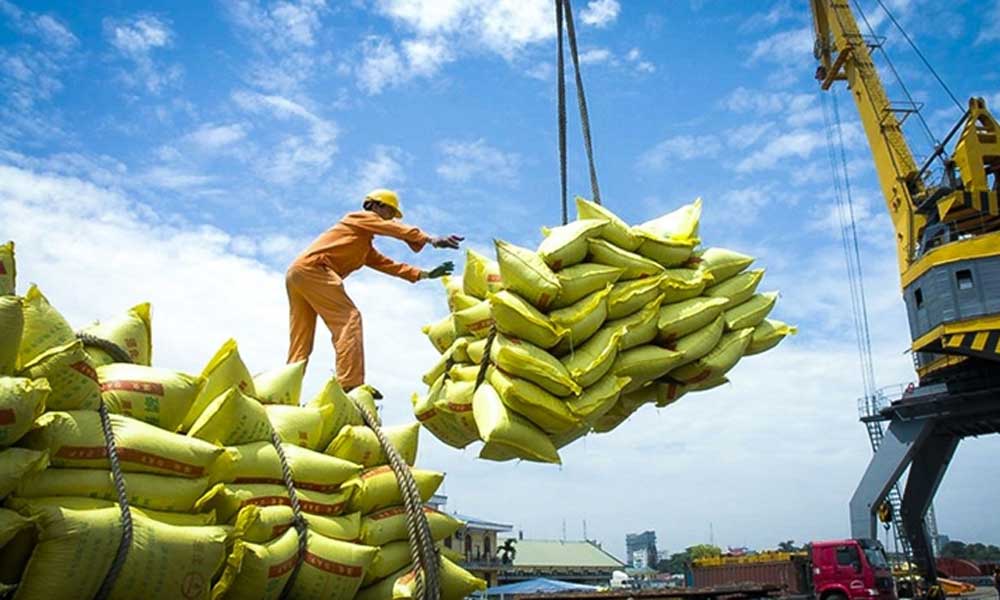
Harvesting low-emission rice in Vinh Thanh commune, Ca Mau province. |
Businesses say the biggest obstacle to reducing emissions and transforming production models remains the lack of financial resources needed to upgrade technologies, modernise production lines and build governance systems that comply with global sustainability standards.
According to Giandomenico Zappia, Chair of the EuroCham Sustainable Finance Sector Committee, sustainable finance is not simply about issuing green bonds or offering preferential loans, but about changing how financial institutions assess the value and risks of investment projects.
He noted that projects with low upfront costs but high energy consumption, significant emissions or poor environmental performance may ultimately prove less attractive investments.
By contrast, green buildings can lower operating costs, improve occupancy rates, increase asset values and attract international capital inflows.
In many developed markets, certified green buildings typically command rental premiums of 5–7% and are more attractive to investors than conventional properties.
Zappia said Vietnam is gradually laying the groundwork for a green finance market by introducing the national green taxonomy, expanding green credit, developing the green bond market.
However, with outstanding real estate credit reaching around 2 quadrillion VND by the end of 2025, the priority is not only to increase lending but also to ensure capital flows into projects capable of generating long-term sustainable value.
Nguyen Thi Thu Ha, member of the Members' Council of Agribank, said green transformation has become a strategic direction for banks in supporting businesses to achieve green growth targets and Vietnam's net-zero emissions commitment by 2050.
In 2025, Agribank allocated about 400 trillion VND to preferential lending programmes focused on high-tech and clean agriculture, agro-forestry-fisheries processing and environmentally friendly production projects.
It also issued 5 trillion VND worth of private green bonds, marking a shift towards purpose-driven fundraising for sustainable development.
International financial institutions are also expanding support channels to help Vietnamese businesses access green financing.
According to Vu Hong Phong, EDGE Green Building Specialist at IFC – a member of the World Bank Group, green building certification is no longer merely a technical standard but has become a "passport" enabling businesses to access green loans, green bonds, and international investment.
When energy efficiency, water savings, and emissions reductions are measured against internationally recognised standards, financial institutions have a stronger basis for assessing asset quality and project risk.
Several Vietnamese projects have already secured international financing by meeting green standards, including a 150-million-USD syndicated loan for the Vinschool system and a green bond issued by Binh Thuan Plastics Group with a guarantee from GuarantCo.
According to Chu Thi Lan Huong, ESG Advisor at Techcombank and Vice Chair of the EuroCham Sustainable Finance Sector Committee, Vietnam will require an estimated 368 billion USD by 2040 to achieve its net-zero target.
The construction sector alone accounts for 36-40% of the country's total energy consumption and about one-quarter of greenhouse gas emissions, underscoring the need for effective financing solutions.
She said businesses can now access funding mobilisation instruments, including green credit, green bonds, sustainability-linked bonds and concessional financing from international institutions.
However, investors increasingly prioritise "bankable green projects" that not only meet environmental criteria but also demonstrate commercial viability, transparent risk management, and clear repayment prospects.
To access green financing, businesses need to clearly quantify their energy savings, emissions reductions, and operational efficiency, while establishing a transparent ESG data system from the project preparation stage onward.
Experts said that as carbon and ESG standards become increasingly important in global trade, green finance is evolving beyond a funding tool into a catalyst for restructuring production models.
By directing capital towards energy-efficient, low-emission and technology-driven projects, businesses can strengthen competitiveness, meet emerging trade requirements and build a foundation for sustainable growth and strengthen their competitiveness in global value chains.













Reader's comments (0)