 Bắc Ninh


How Vietnam is integrating more deeply into multinational supply chains
The transformation of a small HCMC-based chip testing company into one of Intel's top suppliers underscores Vietnam's efforts to deepen its integration into multinational supply chains by strengthening the capabilities of its businesses.
Several years ago, Viet Tran, CEO of Saigon Fabrication (Fab-9), was surprised to receive a call from U.S. chip giant Intel proposing a partnership.
 |
|
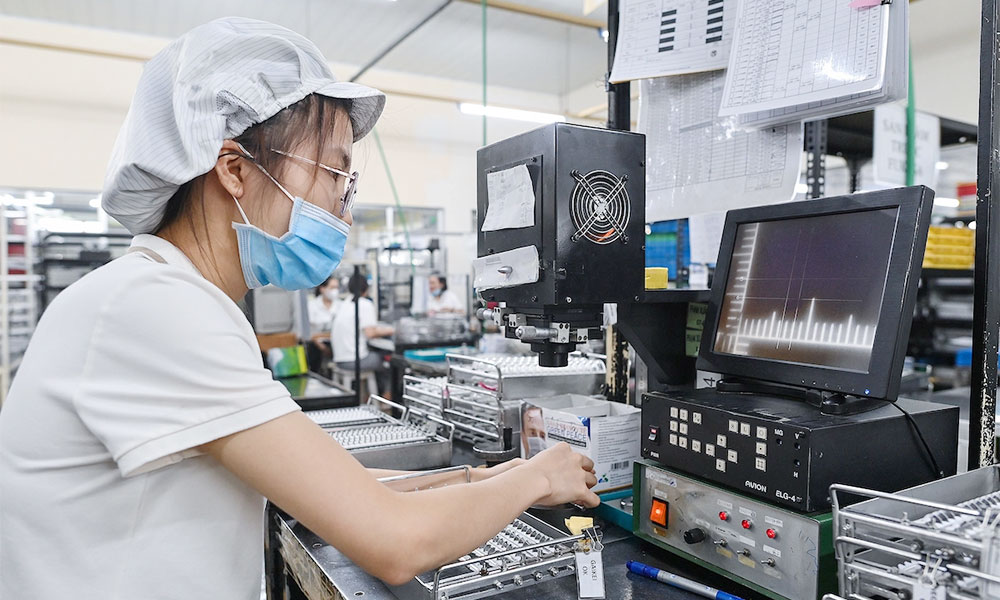
A worker is seen in a Japanese factory in Hoa Binh, Vietnam. |
With a relatively small workforce and limited equipment, he believed Fab-9 was not yet capable of meeting Intel's standards.
"But I still wanted to give it a try," he recalled.
The caller was Kenneth Tse, vice president and general manager of Intel Products Vietnam Ltd. Recounting the story at an event in May, Tse said Intel also treaded cautiously at the time as it was its first attempt to train a local supplier.
However, after recognizing Fab-9's technical expertise, willingness to listen, and determination to become part of Intel's supplier network, Intel decided to tie up with it.
Fab-9 has now been named one of Intel's outstanding suppliers for the last two years, joining a select group chosen from among thousands of suppliers worldwide.
"Intel didn't just select us – it nurtured us into becoming a supplier," Tran said.
The partnership between Intel and Fab-9 is considered a success story in Vietnam's four decades of attracting foreign direct investment, during which foreign companies have often been likened to "university students," while domestic firms were still "in first or second grade," referring to the gap between their capabilities.
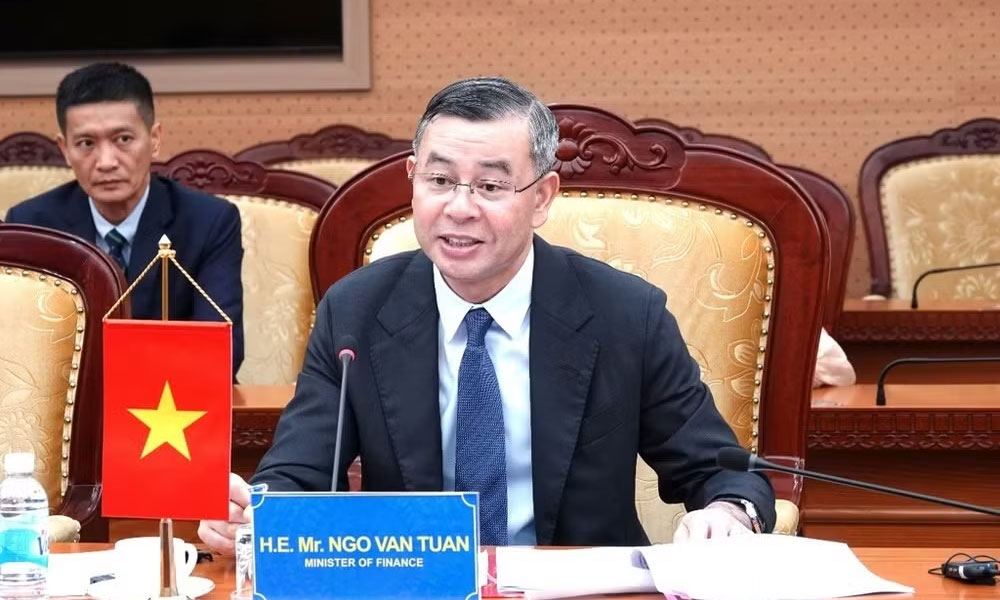
The country is home to nearly 42,000 foreign enterprises with investments exceeding US$560 billion, according to the Ministry of Finance.
However, linkages with domestic companies, indigenization rates, technology transfer, and the development of Vietnamese supplier networks remain low and not commensurate with the incentives granted to foreign investors.
Recognizing these bottlenecks, the Politburo has issued a resolution to call for shifting Vietnam's investment strategy from primarily attracting capital to bringing in "strategic investment."
At the heart of the resolution is the development of a robust domestic industrial ecosystem and meaningful collaboration between foreign-invested enterprises and Vietnamese businesses.
The strategy is key to helping Vietnam reach higher development goals.
Tim Evans, CEO of HSBC Vietnam, said that a high-quality, next-generation FDI project should not be measured solely by investment size, but by its ability to strengthen the overall economy, improve Vietnam's manufacturing and innovation capabilities, and help domestic companies move up the value chain.
Recent investment trends seem to bring opportunities for local companies to integrate deeper into global supply chains.
In modern logistics (one of Vietnam's priority sectors for foreign investment), delivery giant DHL recently broke ground in the northern province of Hung Yen on what will become Southeast Asia's largest logistics and warehousing complex.
The complex, to cost VND1.9 trillion (US$72 million), follows earlier expansion moves by DHL in Vietnam.
It has already expanded its gateway center in Hanoi and freight facilities in Hai Phong, a key northern coastal city.
Singapore-based YCH Group plans to develop an integrated logistics hub in the Moc Bai Border Gate Economic Zone in Tay Ninh Province and is studying plans to develop a hub in the Da Nang Free Trade Zone.
As Vietnam absorbs a new generation of FDI, domestic businesses stand to benefit from knowledge and technology spillovers through value chain integration, strategic partnerships, competitive pressures, learning effects, and labor mobility.
At DHL, employees have the opportunity to develop knowledge and skills that meet international criteria.
Bertrand Juvigny, CEO of DHL Supply Chain Vietnam pointed out that this means the global standards established by the company would spread throughout the supply chain when these employees move to other companies.
"That's how a logistics ecosystem matures."
To maximize these spillover effects, experts recommend introducing "soft" indigenization requirements for foreign enterprises while simultaneously strengthening the capabilities of domestic suppliers.
Kim Ngoc Thanh Nga, deputy director of the National Innovation Center, said investment incentives for foreign companies should be linked to their use of Vietnamese suppliers and commitments to technology transfer.
Dau Anh Tuan, deputy secretary general of the Vietnam Chamber of Commerce and Industry, said Vietnamese companies need to improve corporate governance and adopt a mindset of sharing risks with strategic partners rather than operating on a project-by-project basis.
Fab-9's experience with Intel demonstrates that small businesses should be willing to engage with multinational corporations, show determination, and avoid giving up midway.
Analysts have called on authorities to start strategic supplier development programs similar to those in Thailand and Malaysia to strengthen the capabilities of domestic companies.
Next-gen investment
Foreign businesses also believe that enhancing Vietnam's domestic industrial capacity is essential to attracting the next generation of FDI.
Kulachet Dharachandra, country director of construction materials producer SCG Vietnam, said strengths in research and innovation would become decisive competitive advantages in attracting high-quality investment.
SCG has invested $7 billion in Vietnam and works with 5,000 tier-one domestic suppliers, who account for 70-80% of its supplier network.
Human capital is another priority, particularly in emerging industries such as semiconductors.
At a recent event, Chung Won Seok, general director of Hana Micron Vina, said Vietnam has only about four years of experience in semiconductor workforce training, compared with 30 to 40 years in China and South Korea.
But customer standards and competitive pressures are equally demanding across all markets, and to address this challenge, the company has designed partnership programs with universities and local authorities to cultivate talent while students are still in school, he said.
Predictable policymaking is also critical to securing long-term commitments from foreign investors, industry insiders said.
According to Juvigny of DHL, investors making 20-year commitments need confidence that government policies would be implemented consistently.
Evans added that they should be translated into clear, predictable, and practical implementation measures. "This is what makes the difference between 'interest' and an 'investment decision’".



Reader's comments (0)