 Bắc Ninh


Science, technology drive Vietnam’s rising global profile
Assoc. Prof. Le Duc Anh from Tokyo University held that for fast and sustainable development, Vietnam should prioritise science – technology and innovation as the main driver of productivity, focusing on sectors with high spillover effects such as semiconductors, AI, data, new energy and materials, biomedical technology, automation – robotics, and cybersecurity.
Vietnam is steadily raising its global profile by deepening integration into supply chains and international networks, with science and technology increasingly recognised as vital for productivity and competitiveness, according to Assoc. Prof. Le Duc Anh from Tokyo University, a delegate to the 11th National Patriotic Emulation Congress.
 |
|
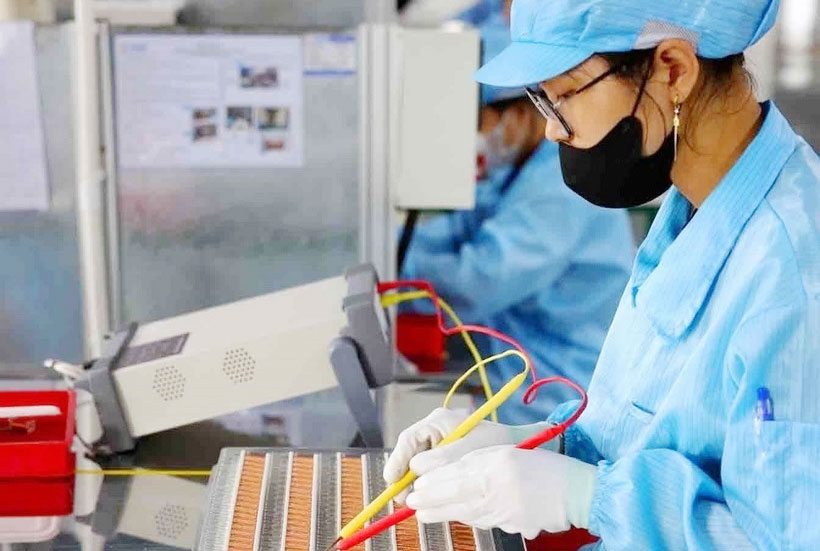
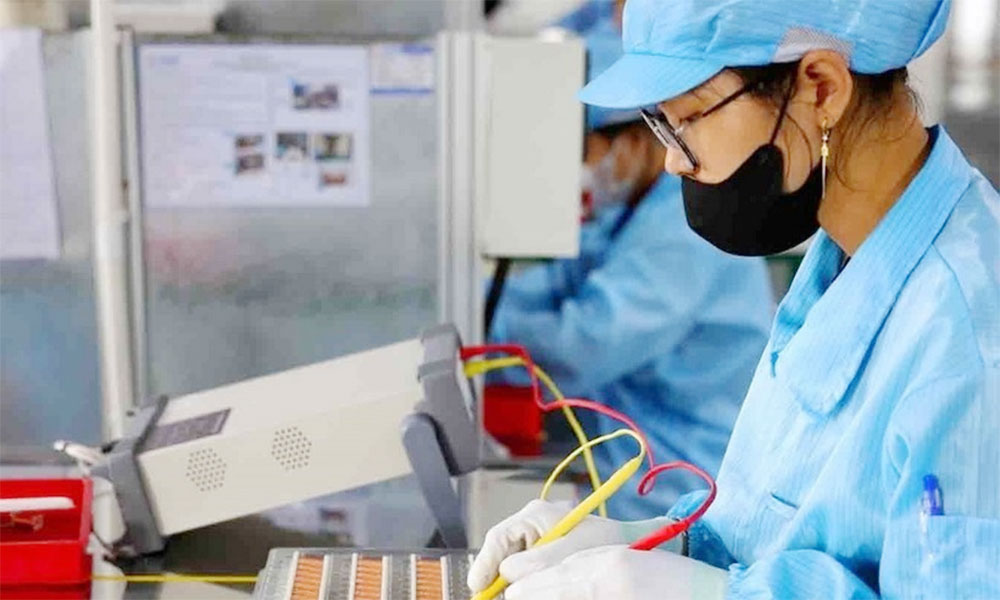
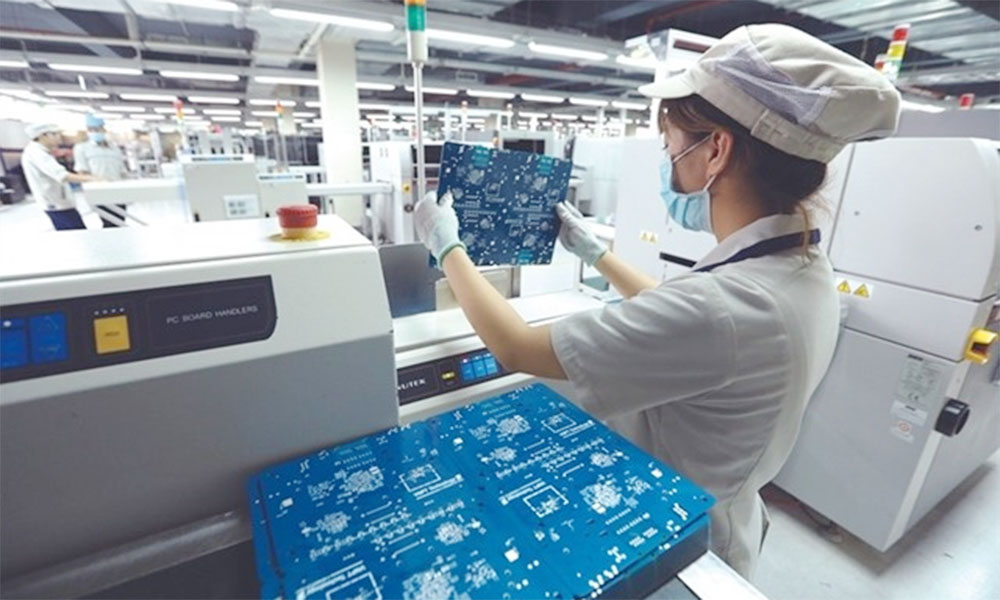
Workers produce electronic components. |
In a recent interview granted to a Vietnam News Agency correspondent in Japan on the thresholds of congress on December 26 – 27, the expert said he has closely followed the homeland’s progress and sees the country entering a phase of greater confidence and resilience, driven by rapid socio-economic development, improved infrastructure, stronger governance, a growing business community, and vibrant entrepreneurship.
Anh stated that what impresses him most is that Vietnam is not only growing but also gradually enhancing its global standing by deepening its engagement in supply chains, pursuing more proactive international engagement, and increasingly treating science and technology as key to productivity and competitiveness. Though many challenges remain, the overall panorama is positive and promising.
He held that for fast and sustainable development, Vietnam should prioritise science – technology and innovation as the main driver of productivity, focusing on sectors with high spillover effects such as semiconductors, AI, data, new energy and materials, biomedical technology, automation – robotics, and cybersecurity.
Crucially, research must be converted into production capacity through knowledge transfer, commercialisation, and a deep-tech startup ecosystem, he said.
Vietnam should focus on developing high-quality human resources through a training pathway from basic STEM education to university (core skills), postgraduate (research capacity), and reskilling, he went on, adding that the country should also make targeted investments in research and development (R&D) infrastructure and centres of excellence, which means selecting “key areas” with sufficient funding, time, and autonomy to build strong research teams and competitive products.
Additionally, science and technology policies should be reformed with flexible funding mechanisms, streamlined procedures, results- and impact-based evaluation, and encouragement for researchers to “dare to act, experiment, and take risks,” Anh said.
Regarding the role and potential of the OV community's contributions to the country’s development, the expert perceived that overseas intellectuals, experts, and entrepreneurs can contribute across three key areas of knowledge and technology, international connections, and standard culture and practices.
With his expertise in semiconductor research and teaching, he noted Vietnam faces both significant opportunities and challenges when joining the global semiconductor value chain amid global supply chain restructuring and rising demand for skilled personnel.
He highlighted that Vietnam’s young and dynamic workforce, favourable geo-strategic location, good integration environment, and high-tech investment attraction make it well-positioned to join the semiconductor value chain under a suitable and phased roadmap.
To advance fast and steadily, Vietnam needs a focused strategy targeting its strengths, selecting feasible and effective entry points by training design and testing manpower, developing advanced packaging, supporting materials and components, and cultivating specialised niches such as sensors and microelectromechanical systems (MEMS), the expert said.
To create breakthroughs in human resources and practical training infrastructure, the country should implement internationally standardised programmes with hands-on labs, industry-standard projects, and close collaboration with businesses, he suggested.
He also recommended establishing public – private partnership and long-term commissioning mechanisms, as the semiconductor sector requires 5–10-year programmes with clear objectives and early involvement of businesses, rather than relying solely on short-term research budgets.
Anh also emphasised the importance of leveraging OV intellectuals as a bridge of technology, standards, and networks, saying that they can contribute most effectively in three areas – designing training programmes, leading research teams or projects, and connecting with international partners to transfer expertise.














Reader's comments (0)