 Bắc Ninh


Textile-garment industry restructures supply chains to meet rules of origin
While domestic yarn production largely meets local demand, fabric weaving, dyeing and finishing remain significant bottlenecks. Sourcing materials from within the CPTPP bloc is also challenging as member economies are not major suppliers.
More than seven years after taking effect, the Comprehensive and Progressive Agreement for Trans-Pacific Partnership (CPTPP) has become an important driver of Vietnam’s exports.
 |
|
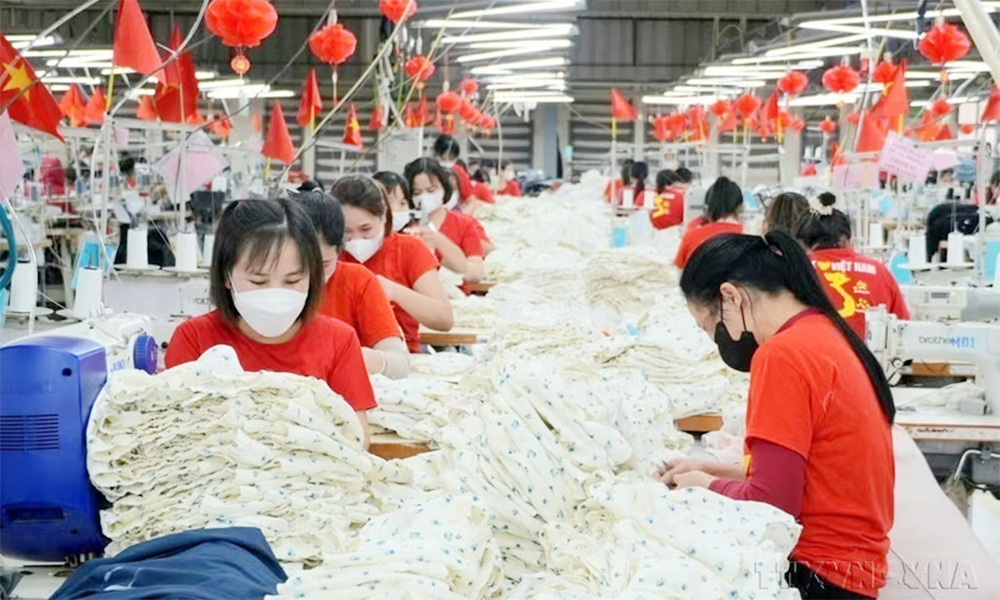
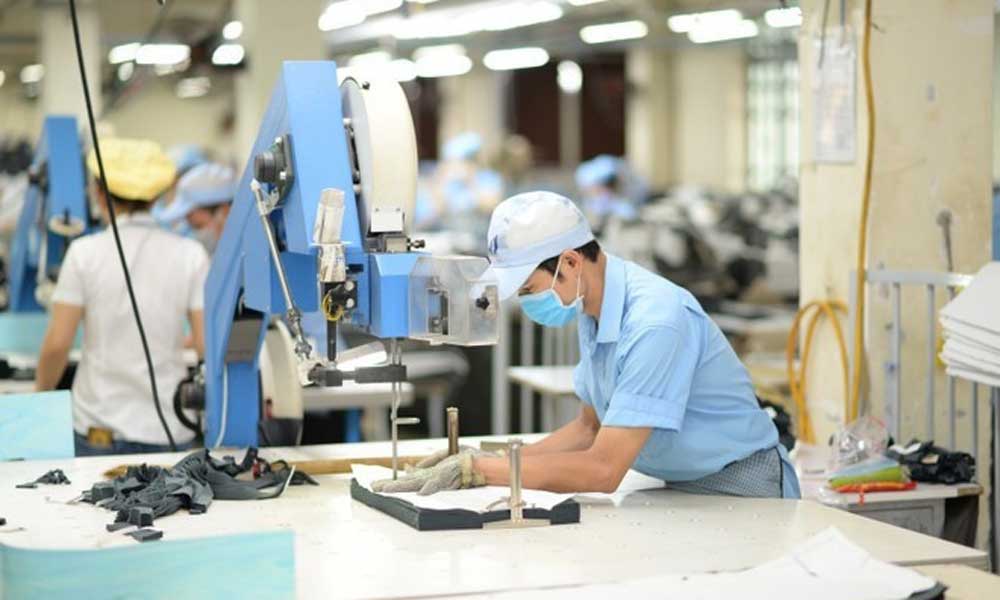
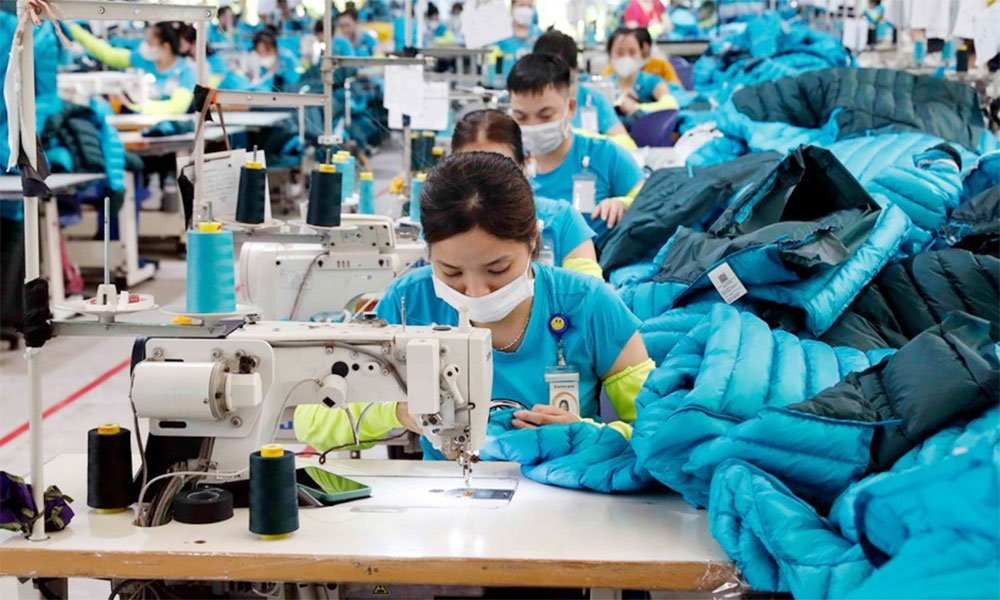
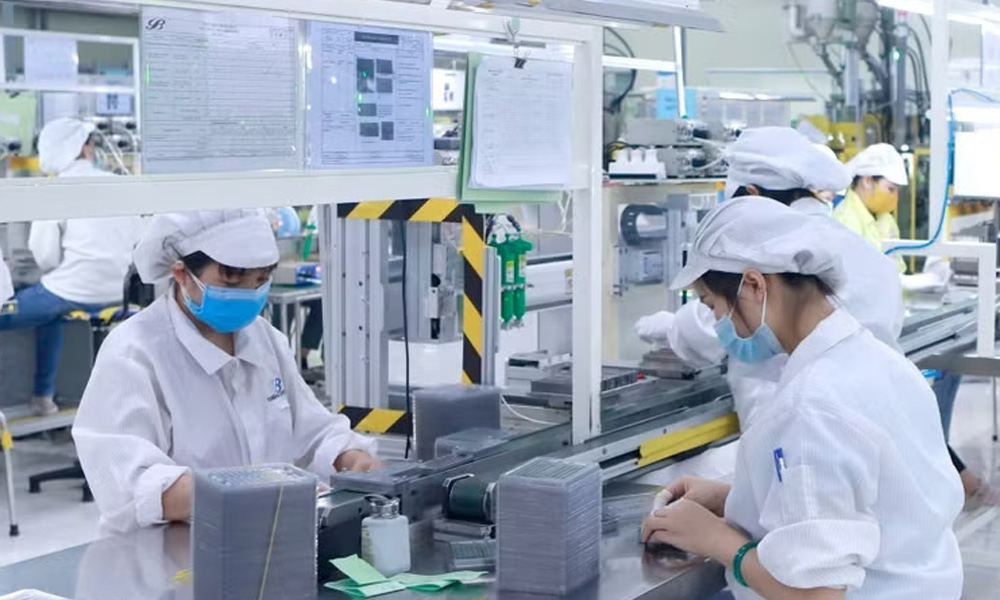
Vietnam’s textile and garment exports to CPTPP markets rise from 6.27 billion USD in 2018 to 8.3 billion USD in 2025. (Photo: VNA) |
However, fully capitalising on its tariff preferences requires businesses, particularly those in the textile and garment industry, to address challenges related to rules of origin, supply chain restructuring and value chain reorganisation.
In response to supply challenges, textile and garment enterprises have proactively adopted more flexible supply chain strategies.
Tran Minh Hieu, General Director of TNG Investment and Trading JSC, said that before the CPTPP came into force, the company selected material suppliers mainly based on three criteria: cost, quality and delivery time.
However, with the agreement’s “yarn-forward” rule, origin compliance has become a key factor in partner selection.
TNG has reviewed and categorised its entire supplier network, prioritising long-term cooperation with suppliers meeting origin requirements and establishing strategic partnerships with domestic fabric manufacturers.
It has additionally developed an in-house software system to manage origin-related data, and use QR codes and ERP codes for each batch of imported materials and accessories, linked to relevant documents, invoices and contracts to ensure transparency and traceability.
According to Truong Van Cam, Vice Chairman and General Secretary of the Vietnam Textile and Apparel Association (VITAS), the CPTPP, which took effect in January 2019, opened access to 12 member markets.
Vietnam’s textile and garment exports to these markets rose from 6.27 billion USD in 2018 to 8.3 billion USD in 2025.
Nevertheless, the yarn-forward rule remains a major obstacle. While domestic yarn production largely meets local demand, fabric weaving, dyeing and finishing remain significant bottlenecks.
Sourcing materials from within the CPTPP bloc is also challenging as member economies are not major suppliers.
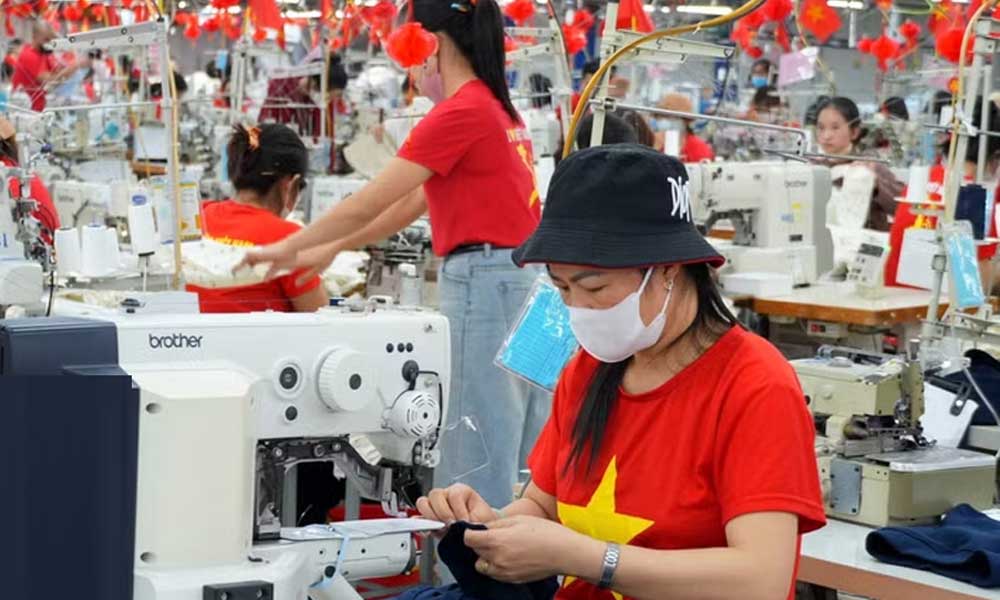
Many Vietnamese garment manufacturers still operate under the cut-make-trim (CMT) model, relying on materials supplied or designated by customers.
This limits their ability to shift towards more advanced production arrangements such as free on board (FOB) and original equipment manufacturing (OEM).
Despite expanding market access, Vietnamese goods account for just over 1% of total imports by CPTPP members.
The proportion of exports using preferential CPTPP certificates of origin (C/Os) remains below 10%, despite having quadrupled since the agreement took effect. Experts attribute this low utilisation rate mainly to the yarn-forward requirement.
Under this rule, all production stages, from spinning and weaving to dyeing, cutting and sewing, must take place within the CPTPP bloc.
Vietnam’s textile and garment industry currently meets only around 50% of its demand for materials and accessories domestically, with local fabric production covering just 36% of demand.
In the first nine months of 2026, the industry spent up to 11.6 billion USD importing fabrics, as compared with 15.2 billion USD in 2025.
Meanwhile, imports of materials and accessories from CPTPP members remained virtually unchanged at 1.58-1.59 billion USD annually between 2018 and 2025.
Ngo Chung Khanh, Deputy Director of the Ministry of Industry and Trade’s Department of Foreign Market Development and Multilateral Trade, said Vietnam has implemented 17 free trade agreements (FTAs) with nearly 70 partners worldwide.
Businesses should therefore develop supply chain maps, identifying suppliers, alternative sources and potential disruption points to better respond to trade fluctuations.
He stressed that the CPTPP should be viewed not only as an export market but also as an important source of raw materials.
Trade promotion should increasingly focus on supply chain connectivity, with rules of origin serving as a tool for designing supply chains from the input stage.
Shifting from “Made in Vietnam” to “Made in CPTPP” will help create shared added value and improve overall efficiency.
Experts also recommend that businesses assess their entire supply chains and classify materials according to their potential for immediate domestic or intra-bloc substitution, those requiring further technological development, and those needing new investment.
For materials that cannot yet be produced domestically, partnerships and joint ventures with manufacturers from China, Taiwan (China) and the Republic of Korea could help establish production facilities in Vietnam, ensuring domestic origin, stable supplies, cost control and timely delivery.









Reader's comments (0)