 Bắc Ninh


The vitality of folk festivals in Tay Yen Tu region
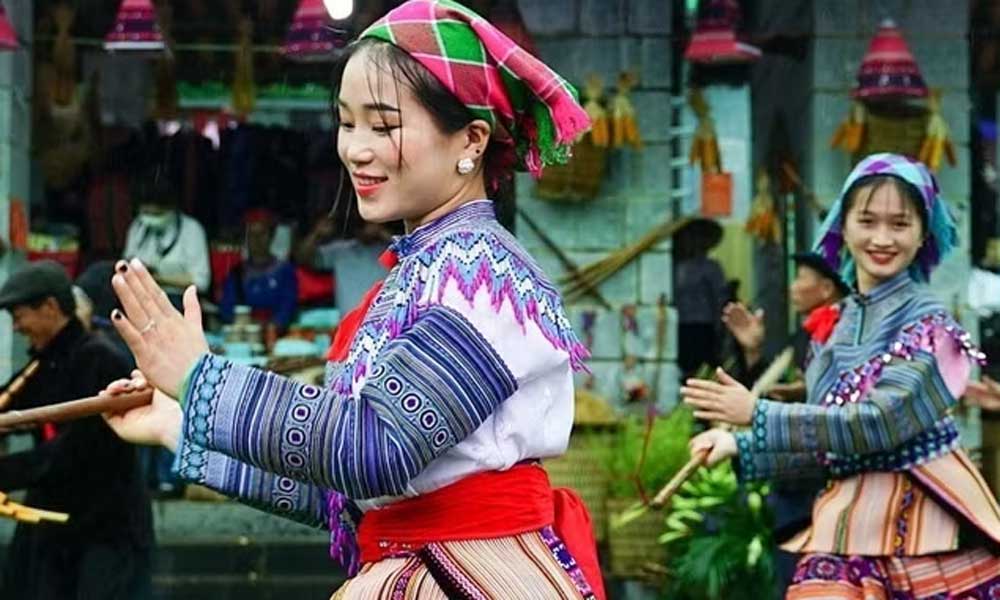
BAC NINH - The Tay Yen Tu (western Yen Tu) region has been home to a vast Buddhist cultural space since the Tran Dynasty. The area is also known for its many unique folk festivals of ethnic minority communities, especially the Dao people. Preserving and promoting the beauty of these traditional folk festivals here has become a matter of special concern for local authorities and residents.
The Tay Yen Tu region has long been inhabited by many ethnic minority groups such as Dao, Cao Lan, San Chi, Tay, and Nung. Among them, the Dao community (including the Dao Thanh Phan and Dao Lo Gang groups) makes up the majority. They have shared a long history of settlement and a similar natural environment.
 |
|
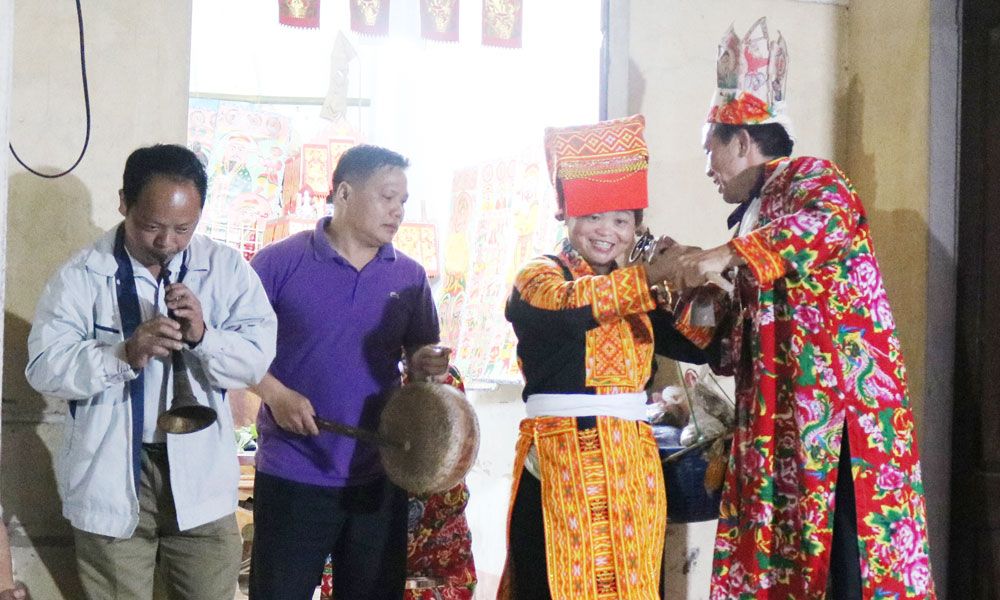
The seed-weighing ritual during the praying-for-harvest festival of the Dao people in the Tay Yen Tu region. |
The folk festivals of ethnic minorities originate from polytheistic beliefs closely associated with agricultural life.
Throughout the year, the Dao people organise rituals linked to the human life cycle, family, clan, and community, such as the Ban Vuong worship ceremony, praying-for-harvest and field-opening festivals, spirit-possession rituals, and new rice celebrations.
For the Dao people, the most distinctive belief is the worship of Ban Vuong, regarded as the founding ancestor of the ethnic group. This worship tradition is reflected in annual ceremonies and traditional rites such as the cap sac (coming-of-age) ritual.
In addition, the Dao people also worship the God of Agriculture, occupational ancestors, and practice other forms of belief, including reverence for sacred totems.
Every year, in Mau village of Tay Yen Tu commune, the local people organise the Ban Vuong worship ceremony on the third day of the third lunar month.
The village selects a “chief shaman” to conduct the “Beginning-of-the-Year Vow Ceremony” for all Dao families in the locality. The chief shaman is chosen through the spiritual divination ritual known as “asking the Yin-Yang oracle sticks” and represents the local clans in carrying out communal worship rituals during a three-year term.
The “Beginning-of-the-Year Vow Ceremony” takes place at Vuc Rua Shrine. The chief shaman selects four men representing the four original clans of the region to contribute chickens, rice wine, and rice for ceremonial offerings.
Through these offerings, villagers pray to Ban Vuong and the deities for health and good fortune in the new year. After the ceremony, community folk cultural activities are held, including Dao folk singing with call-and-respond songs.
The Dao Lo Gang people in Tuan Dao commune practice animistic beliefs, worshipping many deities such as the Rice God, the Crop God, and the Livestock God.
One of their most important traditional rituals is the cap sac ceremony, which is indispensable within the Dao Lo Gang community. They also celebrate the Jumping Festival and the praying-for-harvest festival.
According to tradition, every three years the Dao Lo Gang community organises a praying-for-harvest festival to express gratitude to heaven, earth, and the deities, while praying for favourable weather, abundant harvests, and prosperous lives.
The timing of the festival is determined by a shaman who selects an auspicious day during the year.
Dao festivals carry profound cultural values. They integrate distinctive artistic values, especially visual arts, performance arts, and ritual spaces imbued with spiritual significance.
The praying-for-harvest festival possesses great cultural and artistic values, reflecting the rich spiritual life of the people.
The dances and folk songs preserved through generations during these festivals further affirm that performing arts are among the most vibrant cultural identities of the Dao people.
Folk festivals are not only cultural activities that strengthen community bonds but also environments reflecting the diverse aspects of local life.
They are highly suitable for the development of community-based tourism and experiential tourism, allowing visitors to immerse themselves in the communal atmosphere.
Within the Buddhist cultural space of Tay Yen Tu, visitors can experience rituals, festivals, folk performances, and enjoy local cuisine featuring specialties of the Yen Tu mountains.
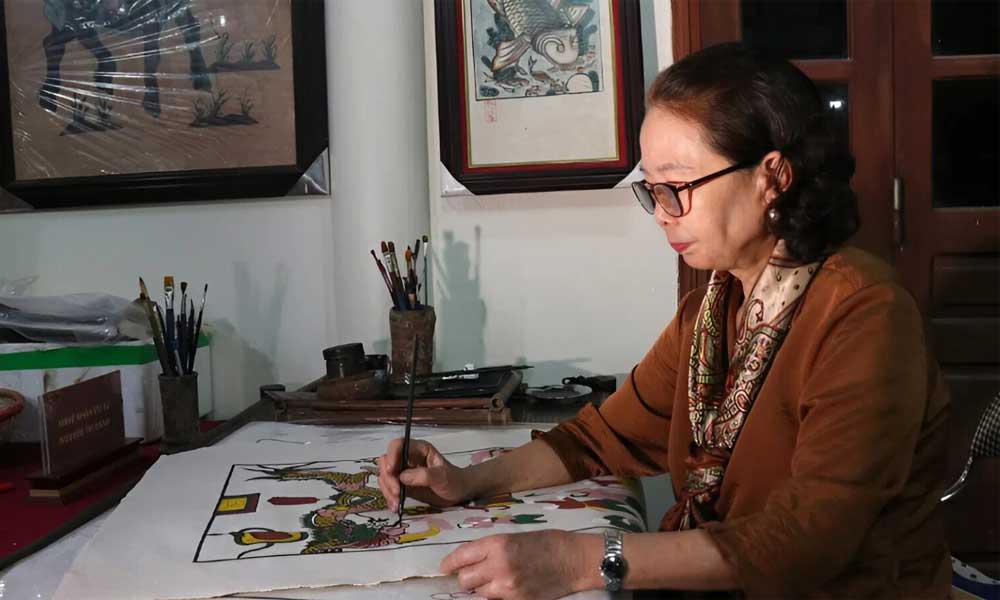
Local authorities should also pay greater attention to supporting and encouraging folk artisans, regarded as “living human treasures,” in order to preserve cultural heritage in general and folk festivals in particular.
Such support would motivate artisans to pass down cultural traditions within the community and participate in local tourism activities.


.jpg)

Reader's comments (0)