 Bắc Ninh


Bac Ninh develops medicinal plants under forest canopies of Tay Yen Tu
BAC NINH - Mountainous and highland communes in the Tay Yen Tu (western Yen Tu) area of Bac Ninh province possess rich forest ecosystems, along with climate and soil conditions suitable for the growth of many valuable medicinal plants.
In recent years, local people have focused on cultivating medicinal plants under forest canopies, maximising multi-layer land use while creating jobs and increasing income.
 |
|
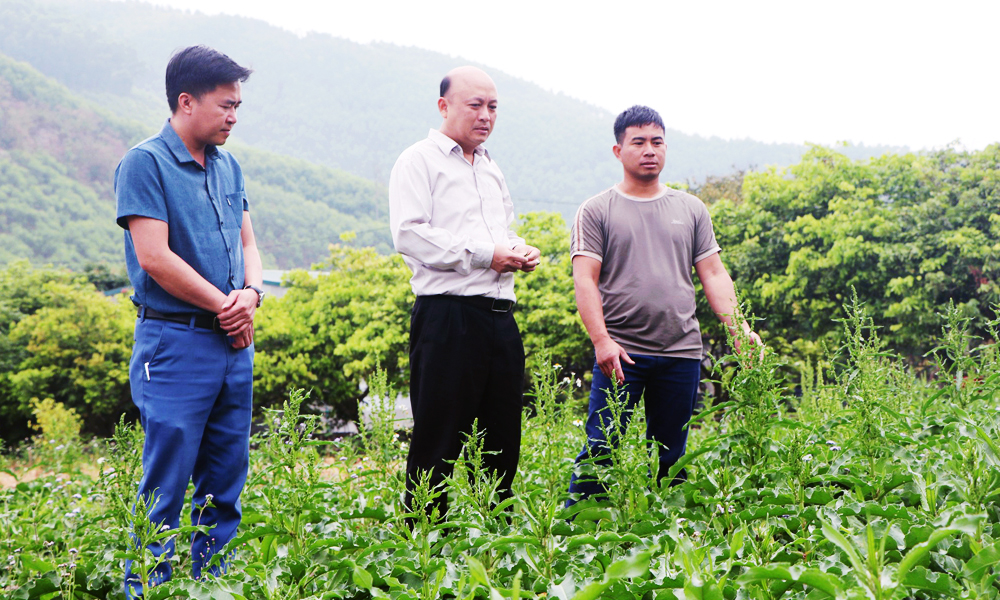
Leader of Tuan Dao commune inspects a medicinal plant cultivation model of Do Van Toan in Tuan An village. |
In recent times, residents in Tay Yen Tu communes have been growing medicinal plants such as Panax vietnamensis (Vietnamese ginseng), ba kich (Morinda officinalis), Chinese yam (Dioscorea persimilis), and green doi (Michelia mediocris), with the cultivated area steadily expanding.
Do Van Toan, from Tuan An village, owns the largest medicinal plant garden in Tuan Dao commune. Since 2000, after attending training courses on planting and caring for purple ba kich under forest canopies, he has gradually shifted from monoculture plantations of acacia and lychee to intercropping with medicinal plants.
Currently, his family cultivates more than 107,000 plants across 55 valuable medicinal species, including Angelica sinensis, Vietnamese ginseng, Salvia miltiorrhiza, Codonopsis, camphor, and Fibraurea tinctoria.
Laboratory test results from specialised agencies confirm that medicinal plants grown in the hilly terrain of Tuan Dao commune are of high quality, attracting traders from many places.
To sustain and expand this model, Toan is completing procedures to establish a cooperative and build a closed production chain from propagation and cultivation to processing into products such as tea, extracts, and concentrates, thereby increasing economic value compared to selling raw fresh products.
Similarly, in Doan Ket village, Tay Yen Tu commune, Nguyen Van Toan owns 25 hectares of production forest land. In the past, his family mainly planted acacia and eucalyptus for timber.
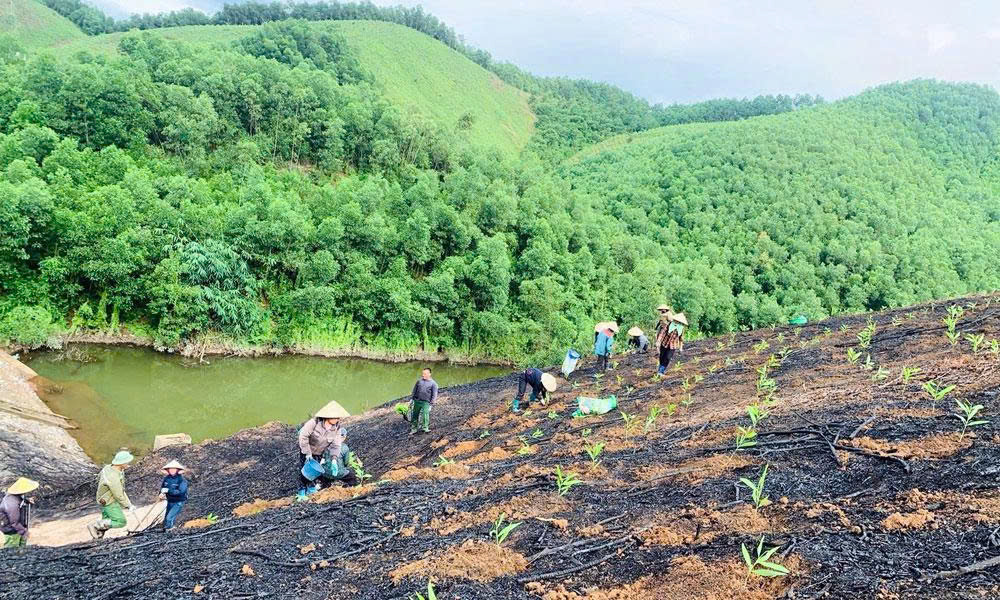
Since 2018, when the Tay Yen Tu spiritual–ecotourism area was put into operation, he and his relatives have bought seedlings and fertilisers, and hired workers to convert nearly 10 hectares into intercropped native specialty plants such as doi, ba kich, Vietnamese ginseng, and Chinese yam - valuable herbs in traditional medicine. Thanks to proper techniques, the crops have grown well.
Toan shared: “My goal is to restore the valuable medicinal plants of the Yen Tu mountains. Some products will be sold as gifts for tourists, while the rest will be supplied to enterprises and cooperatives for processing.”
In addition to creating local jobs, rotational forest harvesting combined with medicinal plant cultivation brings his family an average annual income of 500–700 million VND (18,982-26,575 USD).
Bac Ninh currently has about 796 hectares of medicinal plants, with an estimated total output of 8,937 tonnes, mainly in communes of former Son Dong and Luc Nam districts such as An Lac, Duong Huu, Luc Son, Son Dong, Tay Yen Tu, Tuan Dao, Van Son, and Yen Dinh.
| Bac Ninh province currently has around 796 hectares of medicinal plant cultivation, with total output estimated at 8,937 tonnes. Production is concentrated mainly in communes that previously belonged to Son Dong and Luc Nam districts, including An Lac, Duong Huu, Luc Son, Son Dong, Tay Yen Tu, Tuan Dao, Van Son and Yen Dinh. |
According to estimates, after five years, one hectare of Vietnamese ginseng can yield over 10 tonnes of fresh roots worth nearly 3 billion VND; purple ba kich, after four years, yields about 15 tons per hectare worth over 2 billion VND, significantly higher than many other crops on the same area.
Due to their high economic value, medicinal plant cultivation has expanded rapidly in recent years. Farmers grow them intercropped on forestry land and garden land, and by converting low-efficiency rice fields.
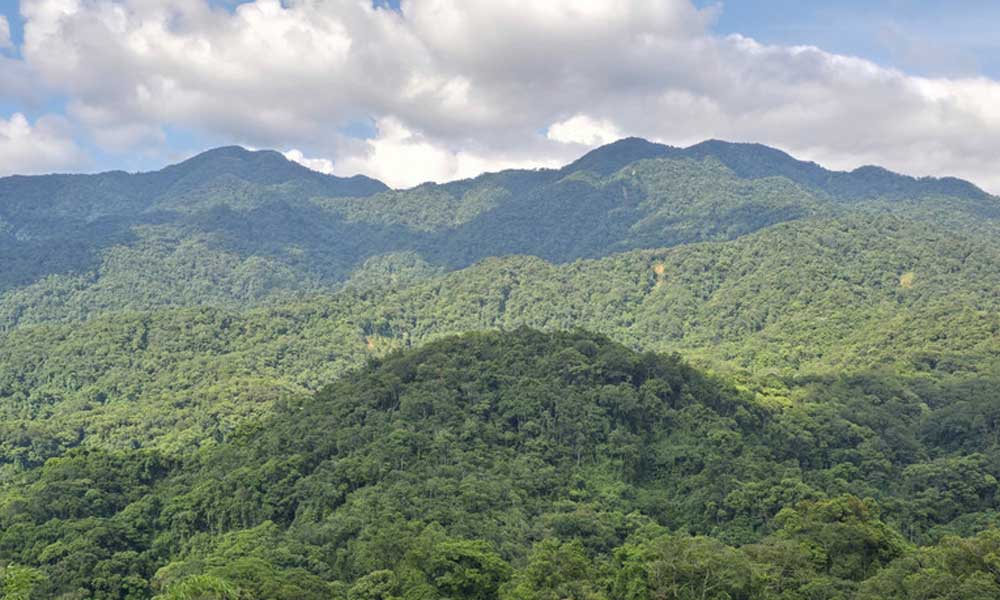
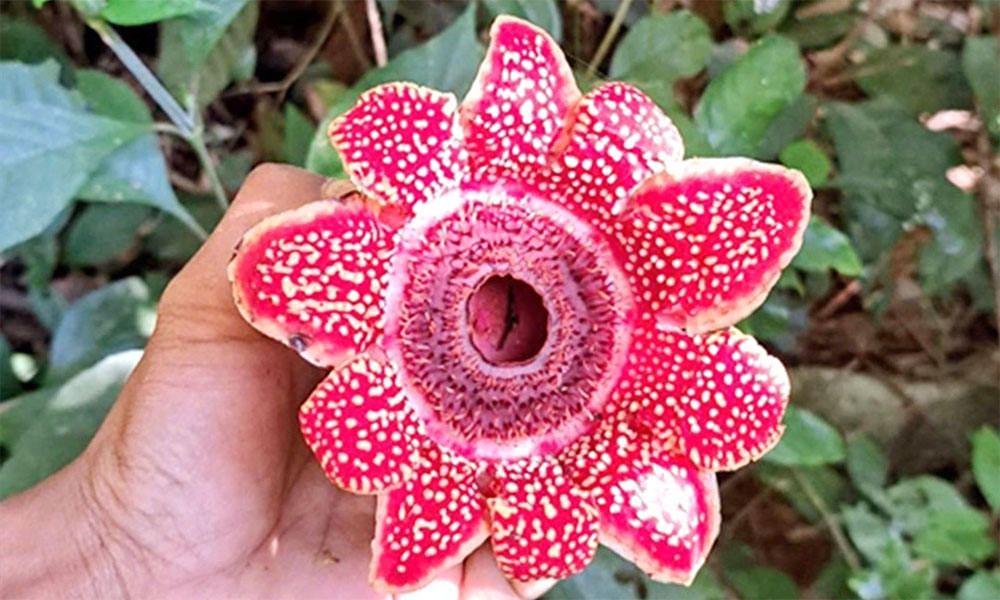
In addition to cultivated areas, the province has around 20,400 hectares of natural forest, including 13,700 hectares of conservation forest where medicinal plants grow naturally.
According to the provincial Forest Protection Sub-department, conservation and harvesting of medicinal plants under natural forest canopies in this area comply with regulations, contributing to job creation and income generation while protecting the natural ecosystem.



Reader's comments (0)