 Bắc Ninh


UNESCO heritage – A resource from cultural depth
BAC NINH - With eight heritage elements inscribed and recognised by UNESCO, the Kinh Bac region possesses a rare cultural depth on Vietnam’s and the world’s heritage map. Preserving and promoting these heritage values has contributed to safeguarding cultural identity while also becoming a resource for cultural and tourism development.
Bac Ninh is a land with a long history, where many distinctive cultural values of the Vietnamese nation were formed and preserved. Having eight heritage items inscribed and recognised by UNESCO is not only a source of pride for the locality but also recognition by the international community of the cultural depth of Kinh Bac.
 |
|
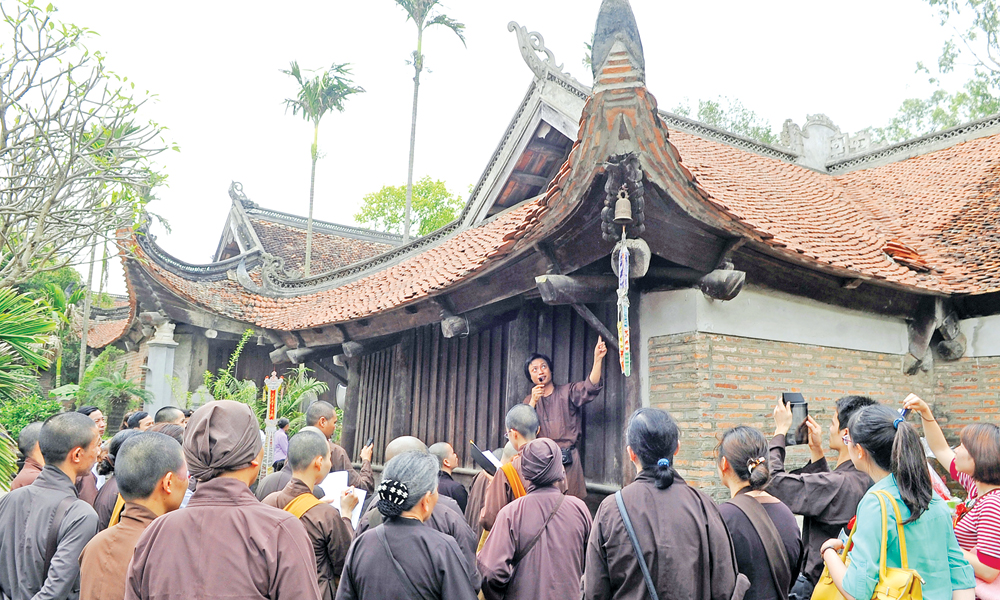
Buddhist followers listen to an introduction about Vinh Nghiem Pagoda. |
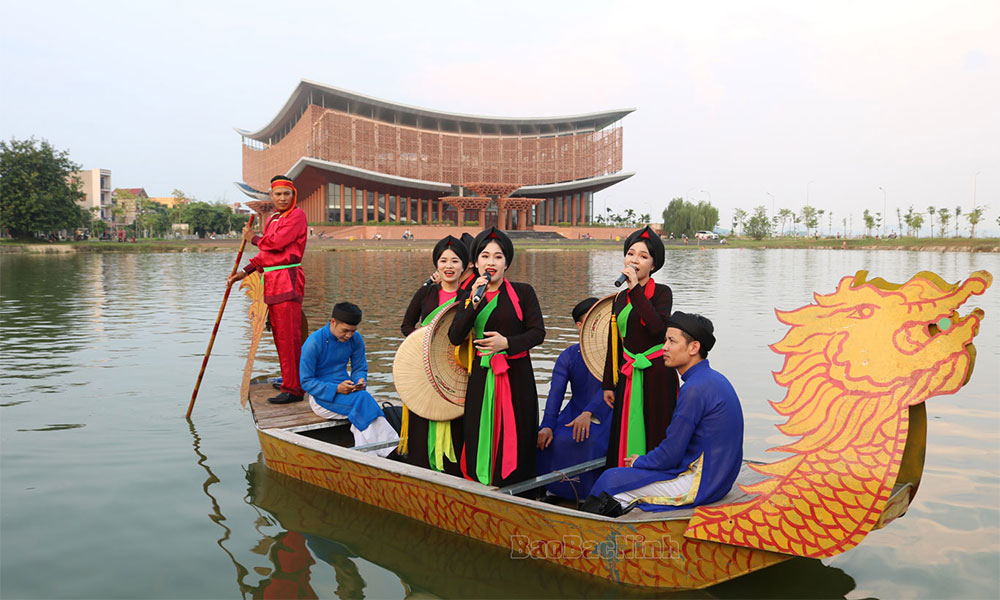
Among those recognied by UNESCO, Bac Ninh Quan ho (love duet) folk songs stand out as an intangible cultural heritage with strong influence and wide appeal.
Beyond their musical beauty, this art form represents a unique and distinctive mode of community cultural life.
The woodblocks of Vinh Nghiem Pagoda possess special value in terms of both content and printing–engraving techniques.
The collection of woodblocks carved with Buddhist scriptures, monastic rules, and educational texts for monks and nuns reflects the academic level, philosophical thinking, and printing craftsmanship of medieval Vietnamese people.
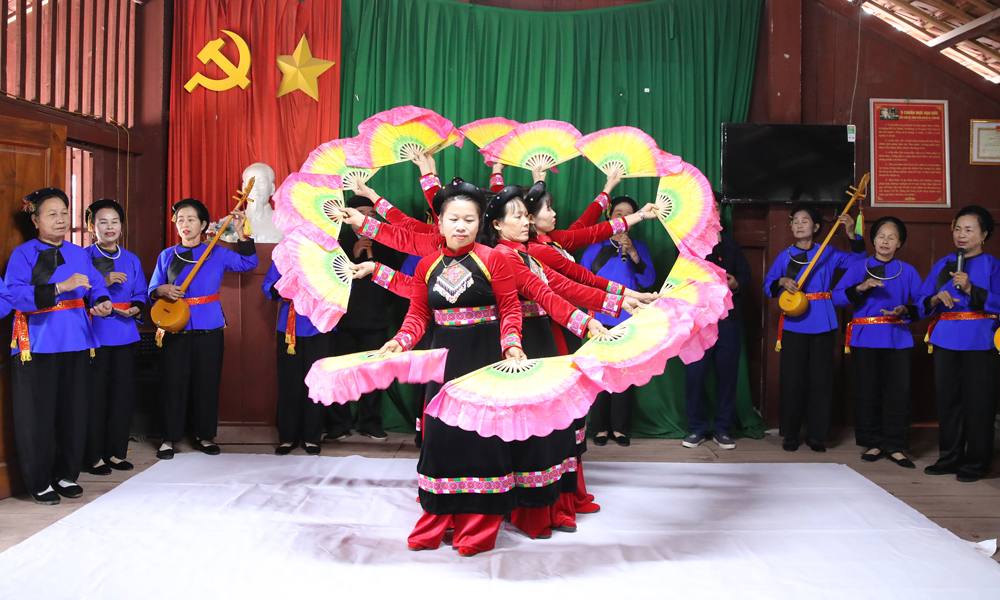
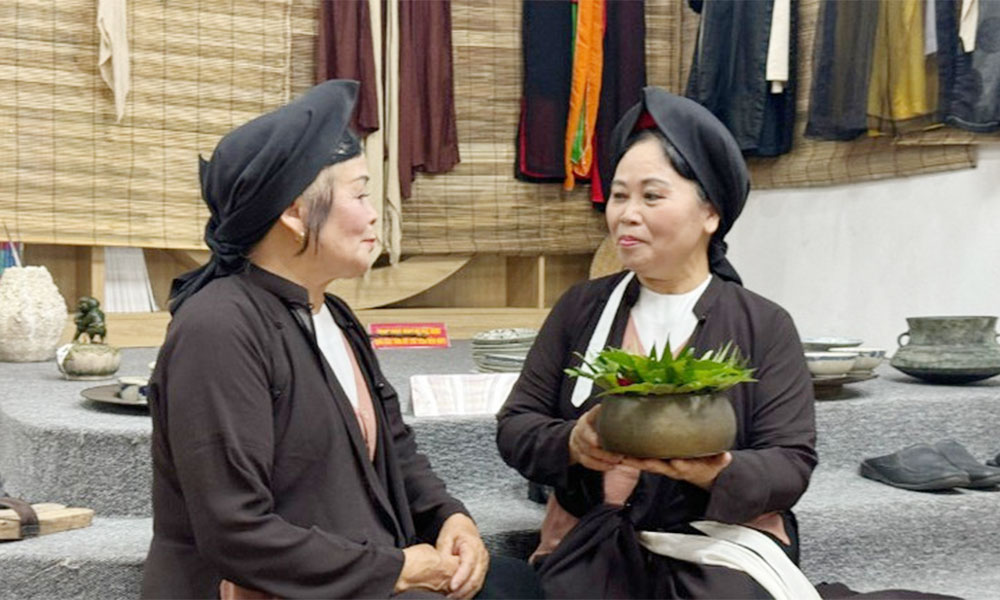
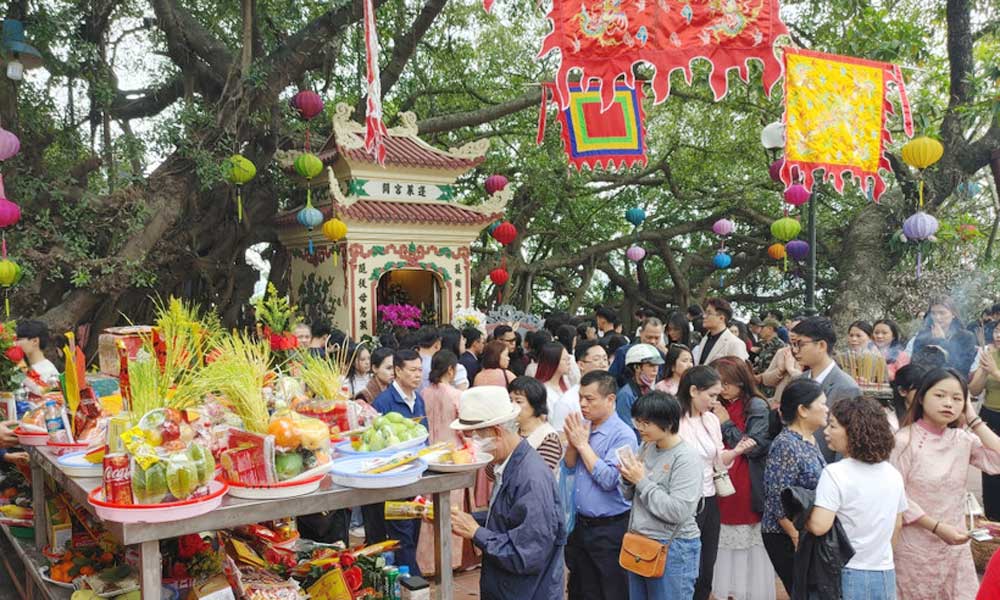
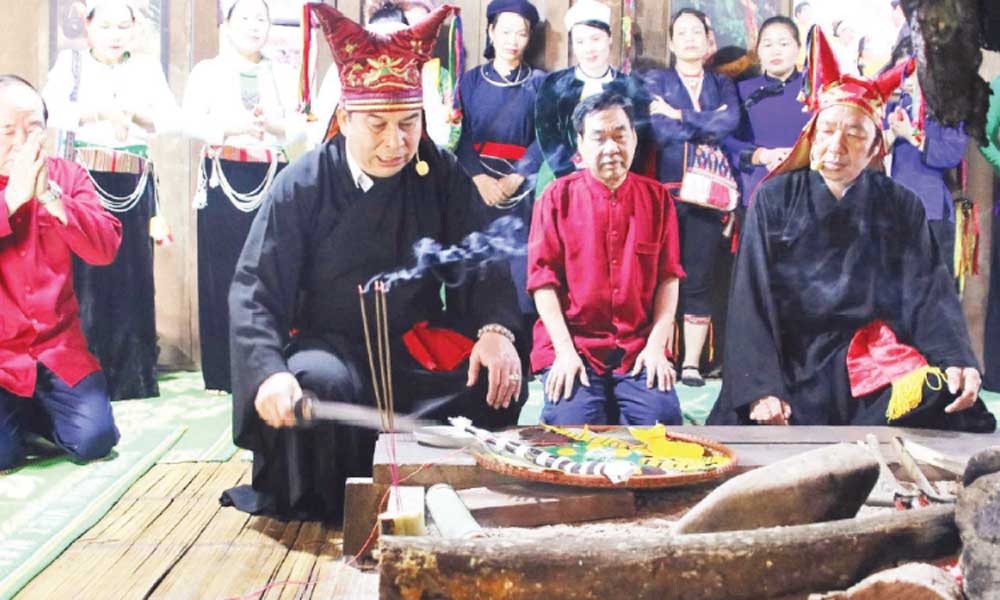
| Currently, Bac Ninh province has eight heritage elements inscribed and recognised by UNESCO, including “Bac Ninh Quan ho folk songs” on the Representative List of the Intangible Cultural Heritage of Humanity (2009); “Ca tru” – Intangible Cultural Heritage in Need of Urgent Safeguarding (2009); “Woodblocks of Vinh Nghiem Pagoda” – Documentary Heritage under the Memory of the World Programme for Asia and the Pacific (2012); “Tug-of-war rituals and games in Huu Chap village” – Representative Intangible Cultural Heritage of Humanity (2015); “Practices related to the Viet beliefs in the Mother Goddesses of Three Realms” on the Representative List of the Intangible Cultural Heritage of Humanity (2016); “Then practice of the Tay, Nung, and Thai ethnic groups in Vietnam” on the Representative List of the Intangible Cultural Heritage of Humanity (2019); “Yen Tu – Vinh Nghiem – Con Son, Kiep Bac Complex of Monuments and Landscapes” – World Cultural Heritage (2025); and the craft of making Dong Ho folk paintings” – Intangible Cultural Heritage in Need of Urgent Safeguarding (2025). |
According to researchers, these are not only religious documents but also precious historical materials serving research in history, linguistics, calligraphy, and fine arts.
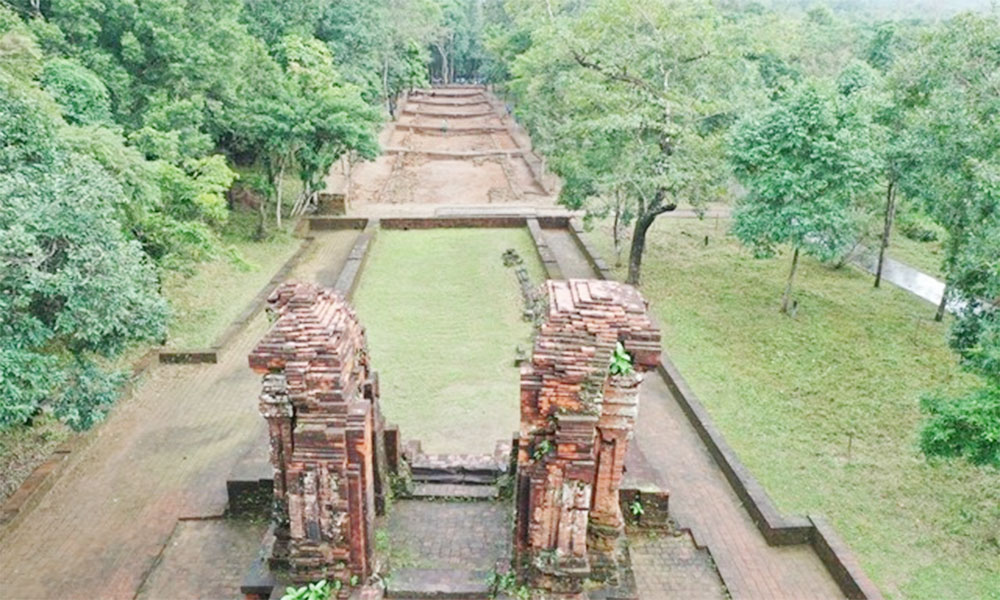
The Yen Tu – Vinh Nghiem – Con Son, Kiep Bac Complex of Monuments and Landscapes is outstanding for its historical, religious, and ideological values.
This is a space closely associated with the formation and development of Truc Lam Zen Buddhism. Within this complex, Vinh Nghiem Pagoda and Bo Da Pagoda (Bac Ninh) play an important role in preserving scriptures, training monks and nuns, and disseminating Truc Lam ideology.
The UNESCO recognition of the Yen Tu – Vinh Nghiem – Con Son, Kiep Bac complex as a World Cultural Heritage site in 2025 has opened up new opportunities for the development of spiritual and cultural tourism.
Nguyen Thi Kim Ngan, Director of Operations of Tay Yen Tu Services Joint Stock Company, said that thanks to enhanced promotion, the number of visitors to the Tay Yen Tu spiritual–ecological tourism area has been increasing steadily.
In 2025, the site welcomed about 200,000 visitors. To date, the company has signed cooperation agreements with 160 travel agencies to bring tourists to Tay Yen Tu. It is expected that in early spring 2026, the number of visitors will continue to rise.
At the end of 2025, the craft of making Dong Ho folk paintings was inscribed by UNESCO on the List of Intangible Cultural Heritage in Need of Urgent Safeguarding.
The international community highly appreciates the value and uniqueness of Dong Ho paintings, as the entire process is carried out manually, from sketching on paper to wood carving and printing each colour on woodblocks.
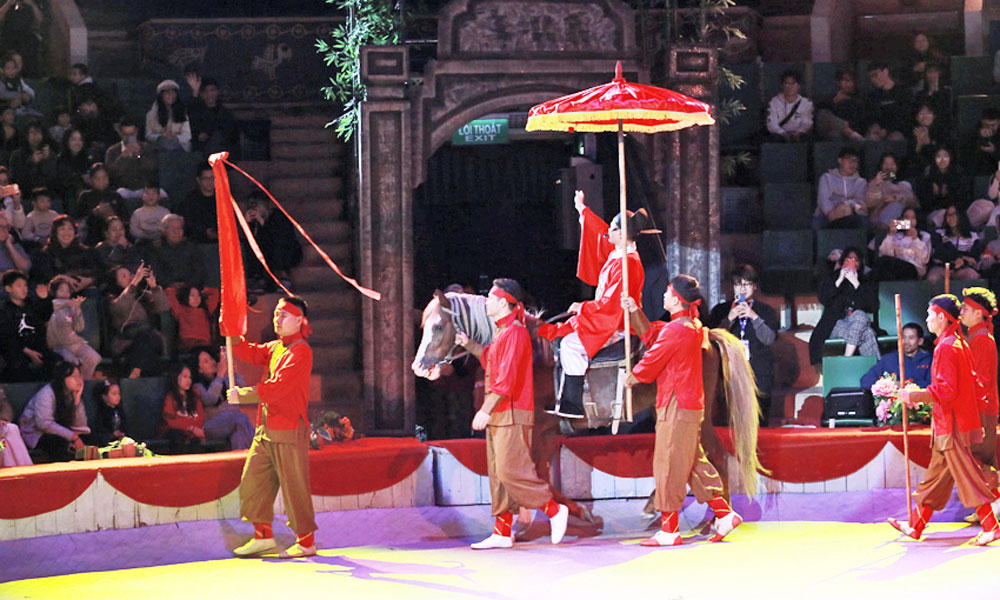
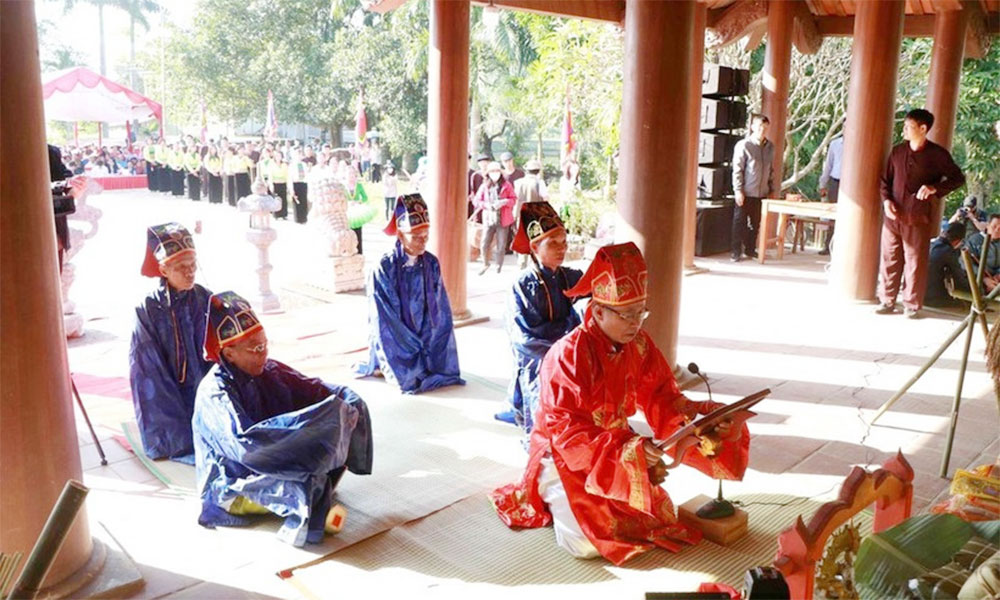
Bac Ninh is also home to many other heritages honoured by UNESCO, contributing to enriching the cultural and spiritual life of local communities.
In recent years, the province has issued and implemented numerous programmes, projects, and plans related to the preservation and promotion of cultural heritage values, considering this one of the foundations for building and promoting the local image in connection with tourism development.
Nguyen Van Dap, Deputy Director of the Department of Culture, Sports and Tourism, said that in the coming time, the department will continue to give advice on improving mechanisms, policies, and planning systems to preserve and promote heritage values in a synchronized and long-term manner, ensuring compliance with the Law on Cultural Heritage and international commitments to UNESCO.
Efforts will focus on developing spiritual and cultural tourism routes and destinations, experiential tourism associated with Quan ho folk songs, Dong Ho folk paintings, and the Truc Lam Buddhist space of Yen Tu; promoting education and raising community awareness by integrating heritage into schools and grassroots cultural activities; strengthening communication and promotion of Bac Ninh’s heritage to spread its values nationwide and internationally; and effectively mobilising resources for the preservation and promotion of heritage values.



Reader's comments (0)