 Bắc Ninh


Viet Nam sustains robust agricultural exports to China
China maintained its position as a premier market for Vietnamese agricultural exports, accounting for 21.9% of the country’s total agricultural export value in the first seven months of 2026.
According to Le Hang, Deputy Secretary-General of the Viet Nam Association of Seafood Exporters and Producers (VASEP), China and Hong Kong (China) remained standout markets for Viet Nam’s seafood exports in July, with export value exceeding 267 million USD, up 24.7%.
 |
|
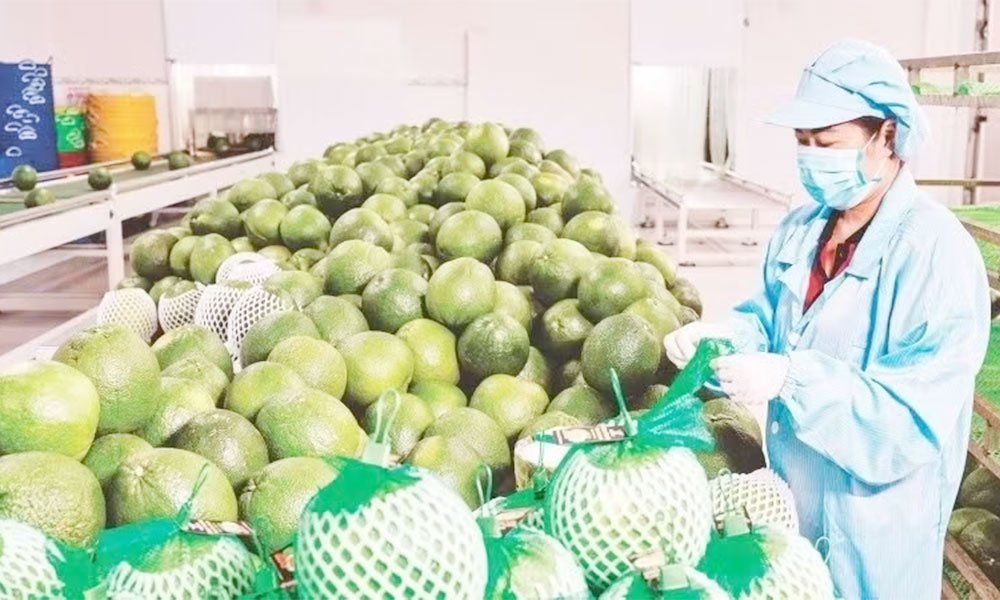
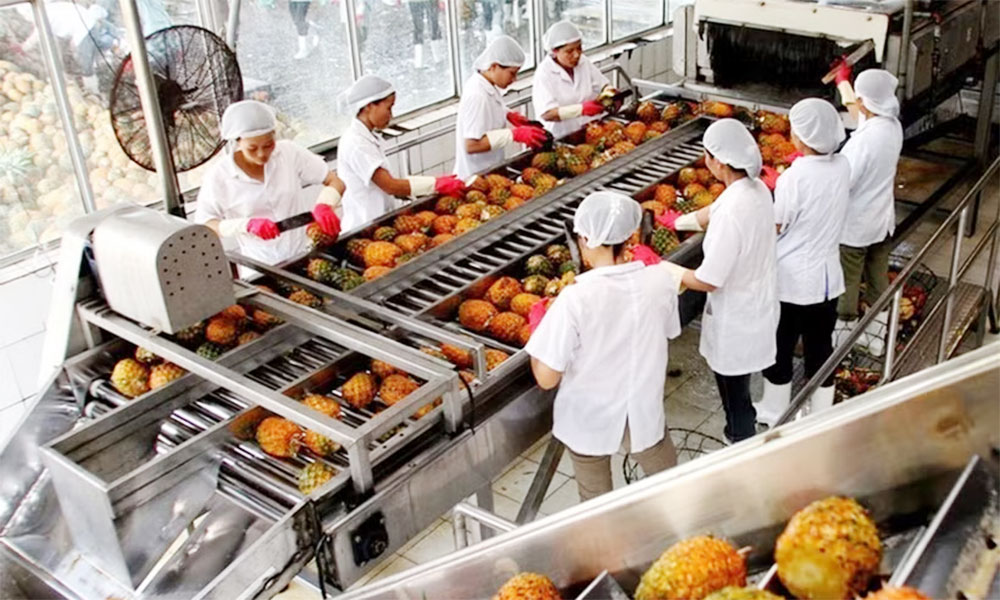
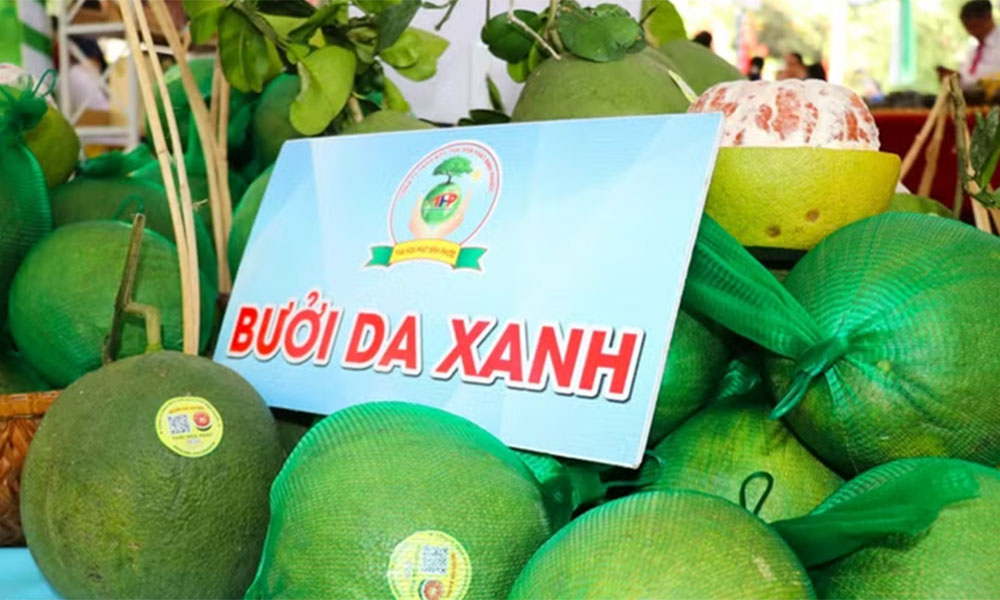
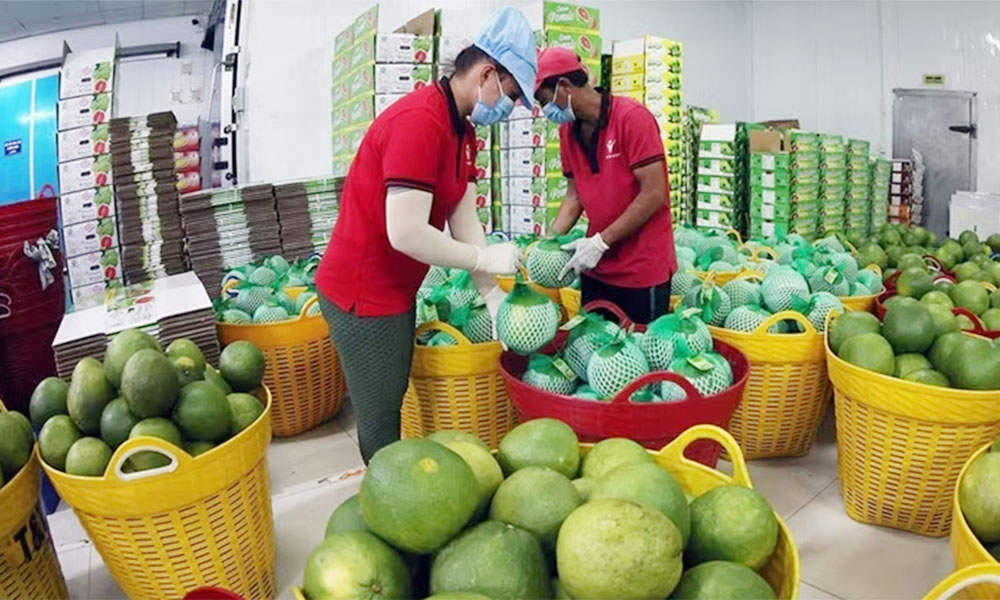
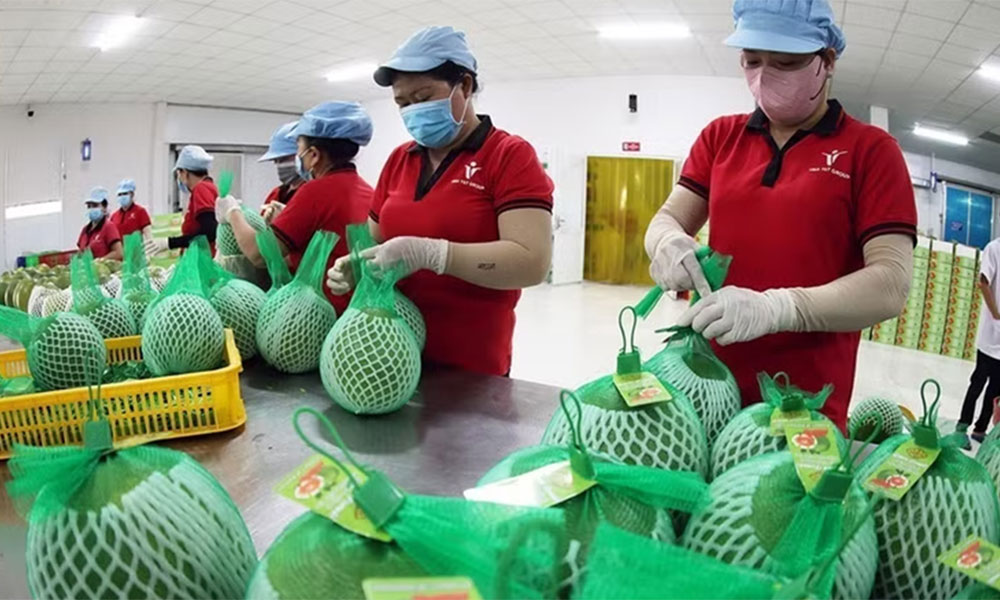
Packaging pomelos for export at Vina T&T Group. |
Cumulatively, export turnover to these two markets reached nearly 1.74 billion USD in the first seven months, an increase of 34.5% year-on-year.
“Most of the sector’s growth over the past seven months came from these two markets. Excluding the additional 445 million USD generated by the two markets, the overall seafood export picture would be decidedly less positive,” Hang noted.
Alongside seafood, the fruit and vegetable sector continued to leverage robust demand from the Chinese market.
In the first six months of 2026, Viet Nam was the second-largest supplier of durians to China, with an export value of 846 million USD, accounting for about 18% of China’s total durian import value.
For vegetables, flowers, tubers, fruits, and processed products collectively, Viet Nam was the third-largest supplier, with an export value of 2.22 billion USD, up 19.9% year-on-year, raising its market share from 14% to 16.1%.
Another product securing a stronger foothold in the Chinese market is coffee. In the first five months of 2026, China’s coffee imports from Viet Nam reached 99.6 million USD, up 87.1%. As a result, the share of Vietnamese coffee in China’s market surged from 8.8% to 15.3%.
These results demonstrate that demand from China continues to be an vital engine for growth in Viet Nam’s agricultural exports.
However, according to Dang Phuc Nguyen, Secretary-General of the Viet Nam Fruit and Vegetable Association, competition among countries supplying similar products to China is escalating sharply.
For durians, Thailand retains its position as the preeminent exporter thanks to its advantages in logistics, quality control, and a stable supply chain.
In the same period, Thailand’s durian exports to China hit 3.79 billion USD, accounting for about 81% of China’s total durian import value.
Meanwhile, although Malaysia’s export volume remains small, its growth in the Chinese market has been exceptionally swift, reaching 30.26 million USD in the first half of 2026, an increase of 342%.
In particular, as harvests increased simultaneously in many supplier markets, oversupply triggered a decline in durian prices.
Under such conditions, expanding production will only yield an export advantage if it is coupled with an enhanced capacity to meet the technical requirements of importing countries.
For Viet Nam’s fruit and vegetable sector, the strict issuance and management of growing area codes and packing facility codes, together with rigorous compliance with quarantine requirements, will be decisive in maintaining and expanding its market share in China.
However, many businesses reported that the issuance of growing area and packing facility codes has yet to keep pace with the growth of exports to China.
In response, the Government issued a resolution in late July on simplifying administrative procedures relating to growing area and packing facility codes.
The resolution is expected to dismantle bottlenecks and create favourable conditions for agricultural exporters to increase their export capacity.
Regarding market trends in the coming period, Nong Duc Lai, Vietnamese Commercial Counsellor in China, projected that northeastern and southwestern China would continue to be key markets for Vietnamese agricultural products.
Alongside direct exports, a new avenue for market access is emerging as some Chinese businesses plan to expand their manufacturing plants in Viet Nam to tap into tropical raw materials and develop their presence in third markets.
This will provide an opportunity for Vietnamese businesses to export their competitive products directly from the domestic market.





Reader's comments (0)