 Bắc Ninh


Vietnam, ASEAN seek to be repositioned in global value chains
ASEAN is becoming increasingly attractive thanks to its market of more than 680 million people, rapid urbanisation and growing demand for electrification and digital infrastructure.
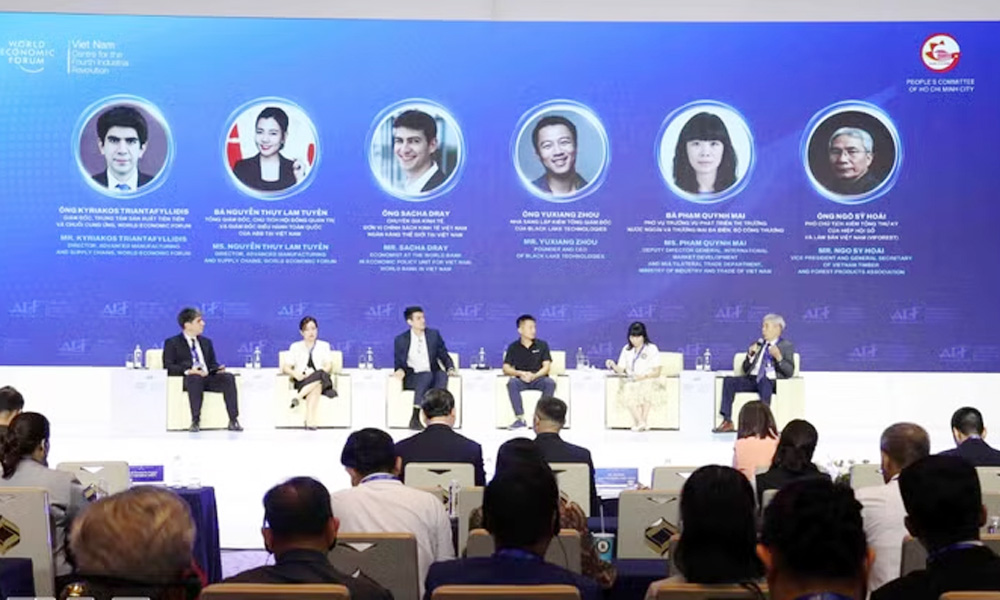
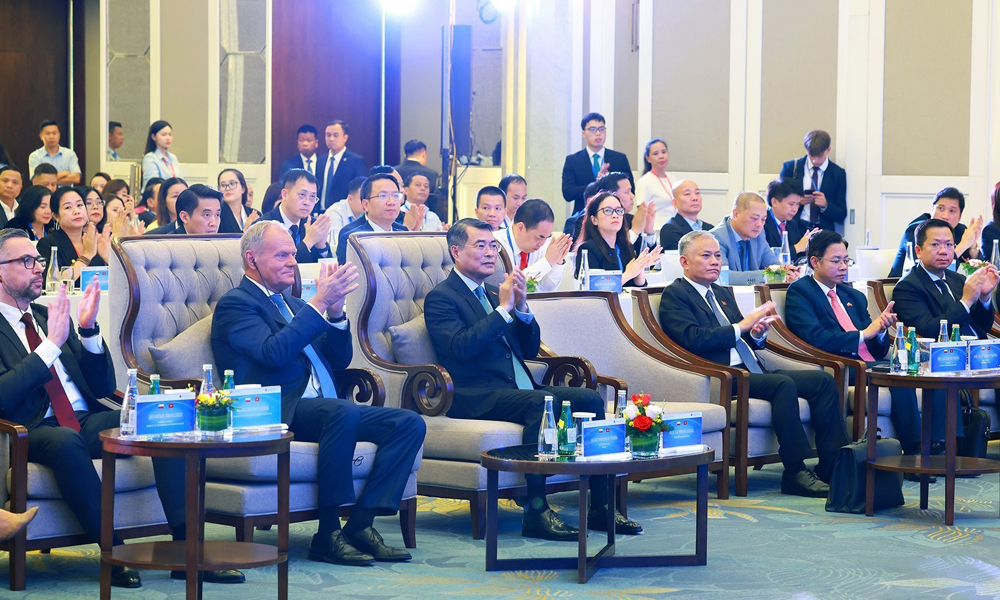
A thematic session entitled “Repositioning Vietnam and ASEAN in Global Value Chains” was held on October 27 as part of the Autumn Economic Forum 2026, organised by the Ho Chi Minh City People’s Committee in co-branding with the World Economic Forum.
 |
|
A thematic session entitled “Repositioning Vietnam and ASEAN in Global Value Chains” within the framework of the Autumn Economic Forum 2026. (Photo: VNA) |
Participants discussed challenges and solutions to strengthen the region and Vietnam’s resilience and future readiness.
ASEAN’s potential and challenges
Nguyen Thuy Lam Tuyen, General Director, Board Chairwoman and Country Holding Officer of ABB Vietnam, said ASEAN is becoming increasingly attractive thanks to its market of more than 680 million people, rapid urbanisation and growing demand for electrification and digital infrastructure.
The region’s manufacturing investment, digital transformation and automation, together with its young workforce and engineering talent, are further strengthening its competitiveness.
In addition, ASEAN has one of the world’s most extensive networks of regional economic partnership agreements. ASEAN connectivity goes beyond links among its 11 member states to form an integrated production base.
Each country has its own identity and strengths, which together enhance the region’s overall appeal and competitiveness.
Sacha Dray, an economist at the World Bank in Economic Policy Unit for Vietnam, noted that ASEAN has a combined economic value of around 4 trillion USD and is expected to become the world’s fifth-largest economic bloc in 2027.
The region attracts more than 15% of global foreign direct investment (FDI) annually, supported by trade openness, a workforce of over 370 million and extensive free trade agreements.
However, intra-regional trade accounts for only 22% of ASEAN’s annual exports of 2 trillion USD, compared with around 60% of goods produced and consumed within the European Union.
This leaves ASEAN more exposed to external demand and limits the benefits of deeper regional integration, Dray said. Despite being well integrated into global value chains, the bloc still has considerable room to develop supply chains within the region.
Strengthening regional cooperation
Participants stressed the need to leverage each member’s strengths and build complementary links across global value chains.
Tuyen proposed establishing regional capability corridors based on specialisation, diversification and connectivity, alongside greater sharing of skills and technology.
ASEAN should move beyond participating in global supply chains to helping shape them, with engineering and innovation serving as key drivers.
Pham Quynh Mai, Deputy Director of the Ministry of Industry and Trade’s Department of Foreign Market Development and Multilateral Trade Policy, called for cross-border industrial clusters connecting major corporations, small- and medium-sized enterprises (SMEs), universities and research centres, particularly in electronics, semiconductors, automobiles and clean energy.
Such clusters could attract investment, facilitate technology transfer, strengthen supply chains and promote balanced, sustainable development.
Dray said ASEAN should focus on helping companies become more capable suppliers and meet evolving environmental, social and governance (ESG) requirements.
He cited World Bank support for LG’s 200-million-USD project in Hai Phong to ensure that its third factory in Vietnam uses 100% renewable energy, and help local firms upgrade to become first- and second-tier suppliers.
He also urged greater cross-border investment, trade promotion within ASEAN, support for SMEs and the removal of non-tariff barriers through trade facilitation, single-window mechanisms, and harmonised standards.
Participants agreed that Vietnam and other ASEAN members have the potential to move up global value chains. Achieving this will require deeper regional cooperation, stronger technological capabilities and better use of each member’s comparative advantages.




Reader's comments (0)