 Bắc Ninh


Vietnam–EFTA deal opens access to advanced European manufacturing technologies
While Vietnam’s free trade agreements often draw attention for their benefits to traditional exports such as agricultural products, seafood and textiles, electronics and mechanical components hold significant strategic potential in trade with EFTA, comprising Switzerland, Norway, Iceland and Liechtenstein.
The Vietnam–European Free Trade Association (EFTA) Free Trade Agreement (VEFTA), signed on October 18, is expected to offer Vietnamese mechanical engineering and electronics businesses an opportunity to move beyond low-value assembly and integrate more deeply into global high-tech supply chains, while gaining access to advanced European manufacturing technologies.
 |
|
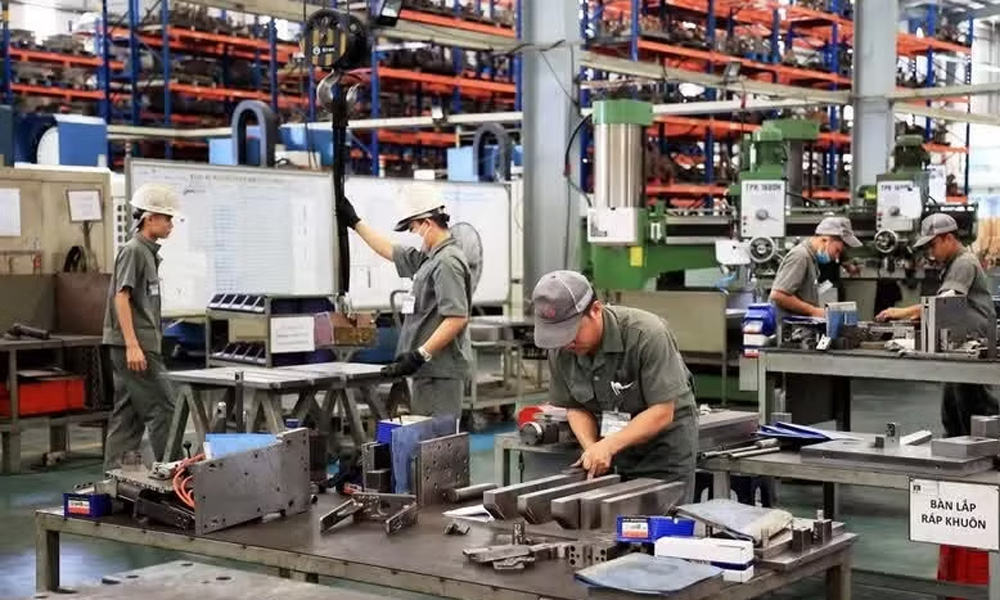
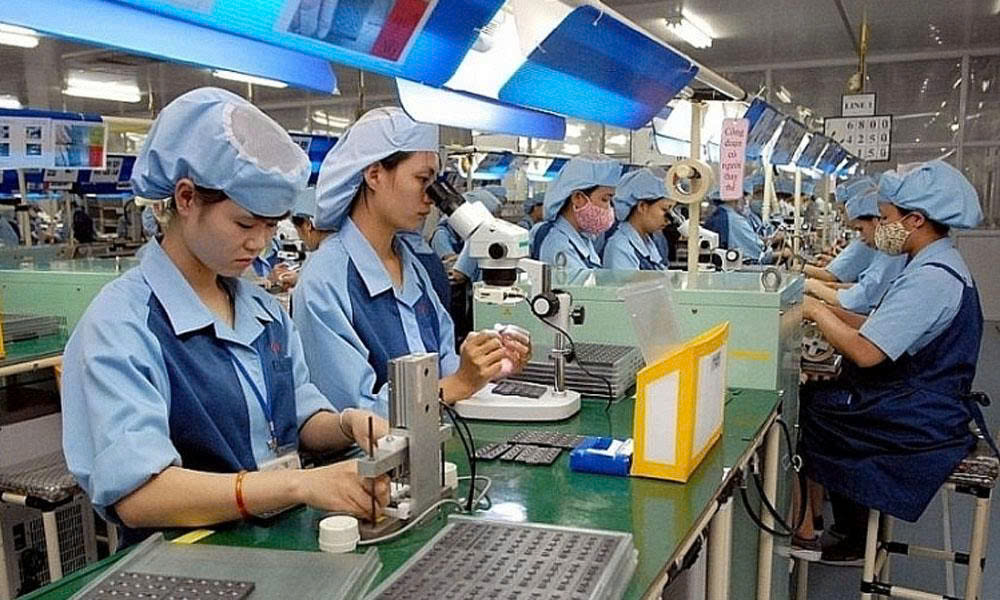
A factory of Toan Cau Mechanical Engineering Company in Giang Dien Industrial Park, Dong Nai city (Photo: VNA) |
While Vietnam’s free trade agreements often draw attention for their benefits to traditional exports such as agricultural products, seafood and textiles, electronics and mechanical components hold significant strategic potential in trade with EFTA, comprising Switzerland, Norway, Iceland and Liechtenstein.
Unlike mass-market destinations, EFTA markets have strong demand for microchips, specialised electronic equipment, medical devices and precision-engineered products.
Experts from the Centre for World Trade Organisation (WTO) and International Trade under the Vietnam Chamber of Commerce and Industry (VCCI) said VEFTA’s strong tariff cuts could give Vietnamese industrial goods a significant cost advantage.
However, strict rules of origin and European technical standards demand manufacturers maintain rigorous quality control and meet micrometre-level precision requirements.
Rather than simply assembling products under foreign brands, Vietnamese businesses should focus on supplying “Make in Vietnam” components to core technology supply chains in Northern and Western Europe, experts said.
Nguyen Duc Trung, Chairman of Vietnam HBT Precise Mechanical JSC, said exporting aluminium profiles and machine components to EFTA markets requires much stricter standards than in other Asian markets.
For example, Swiss partners demand precise technical tolerances, transparent material-origin records and data on carbon emissions from machining.
While challenging, meeting these requirements and securing approved-supplier status can help businesses reduce price pressures, he noted.
EFTA member countries are also major suppliers of specialised machinery, smart industrial equipment, autonomous robots and basic chemicals.
High import tariffs have made European technologies expensive for Vietnamese supporting-industry enterprises, forcing some to rely on older equipment or machinery from secondary markets.
The full removal of tariffs on these products under VEFTA is expected to ease access to core technologies at more reasonable operating costs.
Truong Thi Chi Binh, Vice Chairwoman and Secretary General of the Vietnam Association for Supporting Industries (VASI), said the greatest benefit Vietnam’s mechanical engineering sector should seek from EFTA is access to core technologies, particularly advanced CNC machining systems.
Only by mastering manufacturing capabilities using world-class equipment could Vietnamese mechanical engineering firms achieve production autonomy rather than remain stuck in low-value contract manufacturing, she added.
Imports of modern production lines, coupled with EFTA investment in automation and green logistics in Vietnam, will intensify domestic competition, pushing local supporting-industry companies to upgrade capabilities and standardise processes from input materials to final machining, Binh noted.
According to Binh, Switzerland set a global benchmark for precision engineering, meaning Vietnamese suppliers must improve machining accuracy and quality management.
Without meeting stringent tolerances, tariff preferences alone would not translate into multimillion-dollar orders.
Do Phuoc Tong, a representative of the Ho Chi Minh City Association of Mechanical - Electrical Enterprises, said supplying components to EFTA partners offers a fair and transparent business environment in which quality is highly valued and labour costs are not unfairly squeezed.
The resulting profit margins could generate healthy cash flow for domestic firms to reinvest in their own research and development (R&D) centres.
VEFTA opens up opportunities for Vietnamese technology and mechanical engineering firms to access a market with some of the world’s highest standards.
To maximise the new-generation agreement’s benefits, businesses need to boost R&D activities and digitalise operations.
Strengthening capabilities and mastering technology will be key to upgrading Vietnam’s electronics and precision engineering sectors and strongly integrating them into global high-tech supply chains.




Reader's comments (0)