 Bắc Ninh


Vietnam climbs global supply chain ladder with robust supply capacity
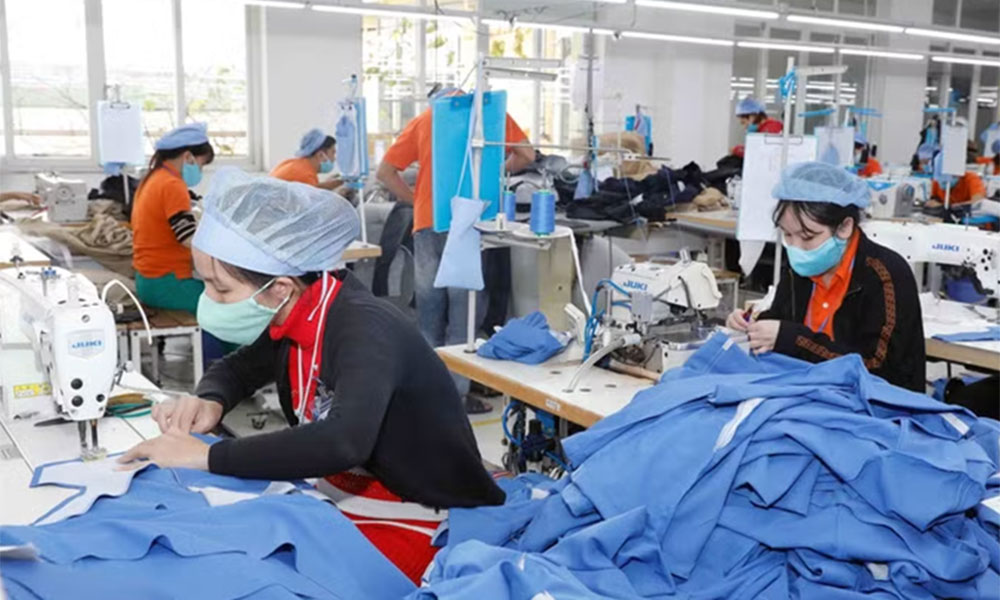
The continued choice of Vietnam by global buyers as a sourcing destination reflects the country’s growing position in international supply chains.
Rising foreign direct investment (FDI) inflows, competitive costs, policy stability, an extensive network of free trade agreements (FTAs) and agile businesses are among the key factors helping Vietnam strengthen its position on the global supply chain map
 |
|
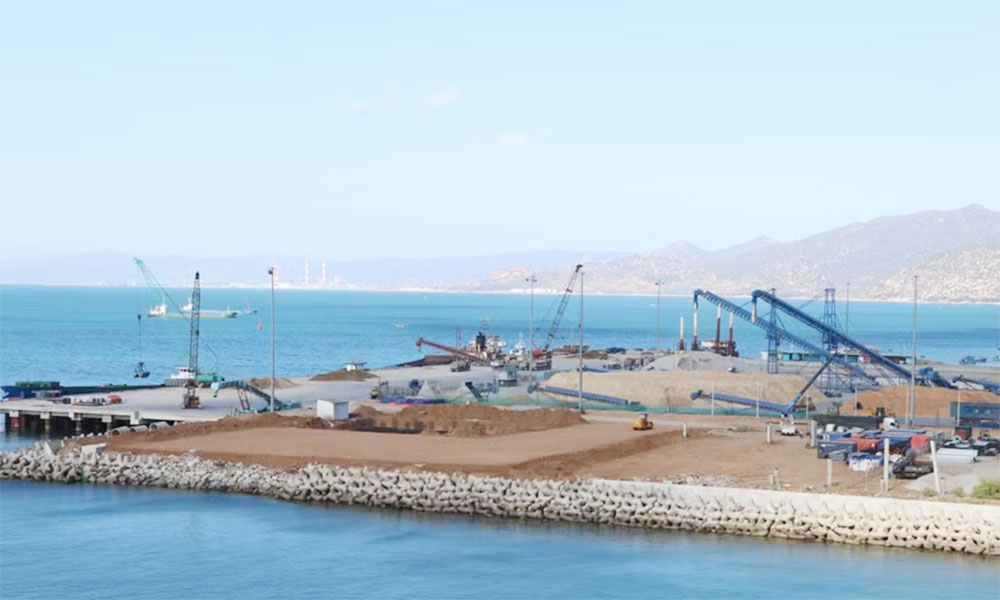
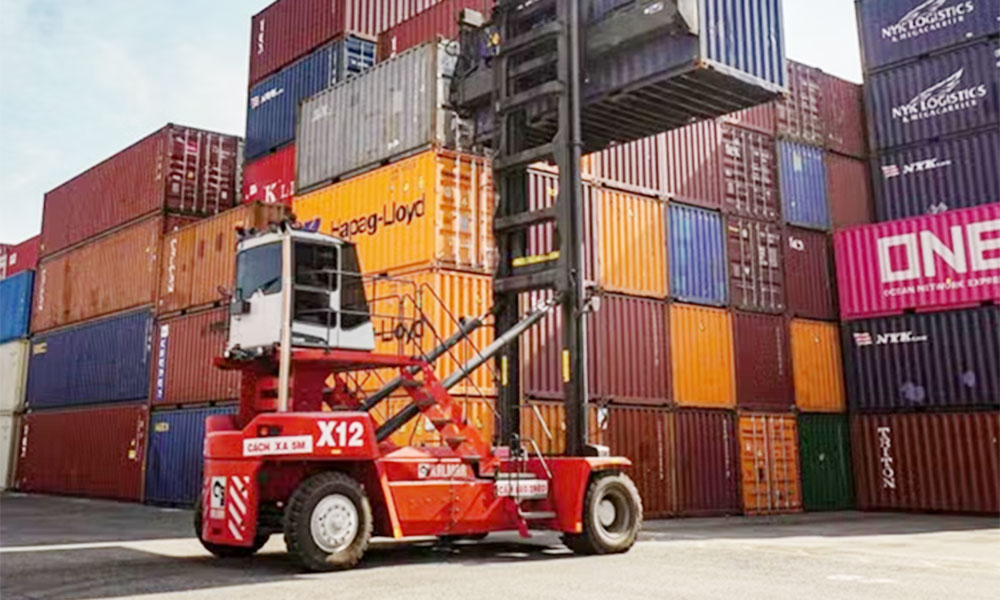
Trung Nam Ca Na International Port in Khanh Hoa province forms a goods supply chain in the region. |
Testing supply capacity
Stable supply, traceability and compliance with green standards, including ESG requirements, are among the criteria global importers are increasingly demanding from Vietnamese suppliers as the country prepares to welcome 400-500 international buyers to the 2026 Vietnam International Sourcing Expo (VIS 2026).
With nearly two months to go before the event, the list of confirmed buyers continues to grow, featuring major names from the US, the EU, China, Japan, Mexico and other markets, including Walmart, ESFLO Mkting, IKEA and Central Retail.
Beyond a trade exhibition, VIS 2026 serves as an important export promotion platform, helping affirm Vietnam’s position in global supply chains that continue to shift and undergo restructuring.
The return of major importers such as Walmart, Central Retail and IKEA is also a strategic test of Vietnamese manufacturers’ ability to meet increasingly stringent requirements on product traceability, sustainability, recyclability and environmentally friendly packaging.
For the fourth consecutive year, Walmart, the largest retailer in the US, will participate in the event to seek Vietnamese suppliers in six categories - clothing and accessories, footwear, textiles and accessories, consumer electronics, furniture, and food and consumer goods.
Vietnam is not a new sourcing destination for Walmart. The retailer imports billions of US dollars worth of Vietnamese goods annually through its representative office, established in 2013, which helps source products and develop suppliers for its distribution network of 10,900 stores and clubs in 19 countries.
The Department of Foreign Market Development under the Ministry of Industry and Trade (MoIT) said that becoming a supplier of Walmart effectively gives Vietnamese businesses a powerful “passport” to enter any demanding market in the world.
The Republic of Korea (RoK), which imports more than 30 billion USD worth of goods from Vietnam each year, will also send several major buyers to VIS 2026.
Among them, HiteJinro aims to source Vietnamese processed food products for distribution through its global network, while also preparing for plans to expand production in Vietnam in the coming time.
Engagement with global retailers enables Vietnamese manufacturers and exporters to better understand international market requirements. Meeting the high standards of major retailers can also help businesses restructure, improve competitiveness and upgrade their products.
Strengthening Vietnam’s position as a strategic supply hub
The continued choice of Vietnam by global buyers as a sourcing destination reflects the country’s growing position in international supply chains.
Competitive production costs, a stable policy environment, an extensive network of FTAs and the agility of Vietnamese businesses are seen as key factors driving the country’s rise as a global manufacturing hub.
Experts say international investors increasingly view Vietnam not merely as a low-cost production destination, but as a strategic base in global supply chains.
Alongside abundant labour and competitive costs, they now place greater emphasis on a stable business environment, deeper supply chain integration, the ability to meet international standards, and the potential to become a regional manufacturing and trade connectivity hub.
This shift is reflected in rising FDI inflows. Registered FDI reached 34.65 billion USD as of June 30, 2026, up 61% year on year, while disbursed FDI in the first six months of the year rose 11.2% to 13.03 billion USD – the highest first-half figure in the last five years.
According to the department, the processing and manufacturing industry accounted for 10.76 billion USD, or 82.6% of total disbursed FDI.
As a result, most of Vietnam’s major export-earning product groups now come from the processing and manufacturing sector, with electronics standing out and projected to generate more than 200 billion USD in export revenue by the end of this year.
Vietnam is also moving beyond its traditional role as a production and processing hub for essential consumer goods.
It is gradually increasing exports of software, digital products and high-tech services, becoming an increasingly important link in global supply chains.
Tim Evans, CEO of HSBC Vietnam, said Vietnam was making an impressive leap from a country once known mainly for low-cost manufacturing to a “golden link” in the global AI hardware supply chain.
Citing HSBC Global Research data, Tim said Vietnam’s share of global trade in AI-related equipment surged from 1.2% in 2015 to 12.4% in 2025, marking one of the fastest growth rates recorded by a single economy worldwide over the past decade.



Reader's comments (0)