 Bắc Ninh


Vietnam cuts fuel tax to zero, petrol prices fall by up to 1,800 VND per litre
Vietnam has cut the special consumption tax on all types of petrol to 0% from November 1, with retail prices falling by more than 1,800 VND per litre following the tax cut, as the Government moves to ease fuel costs and curb inflationary pressures towards the end of the year.
Vietnam has cut the special consumption tax on all types of petrol to 0% from November 1, with retail prices falling by more than 1,800 VND per litre following the tax cut, as the Government moves to ease fuel costs and curb inflationary pressures towards the end of the year.
 |
|
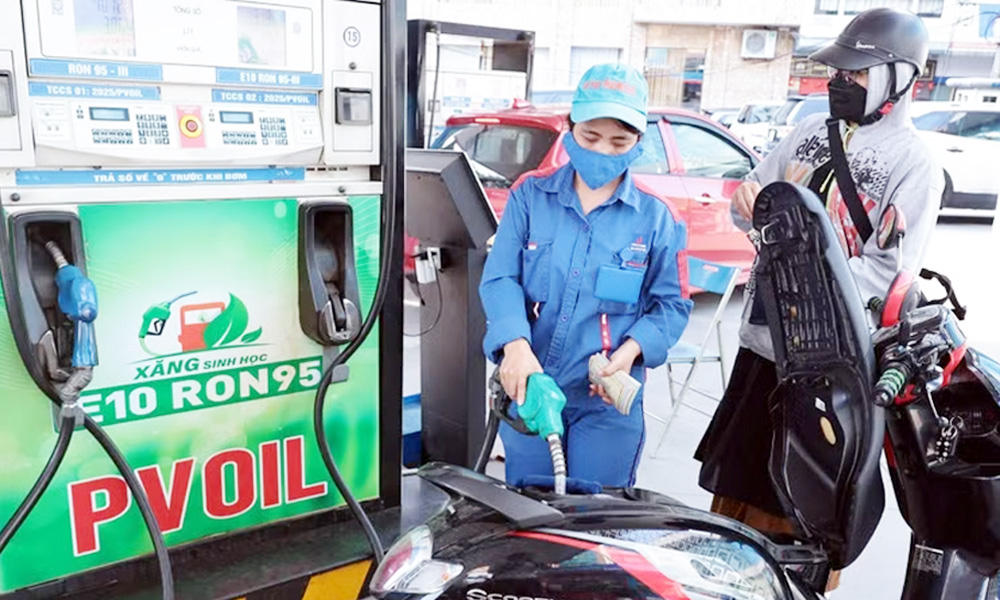
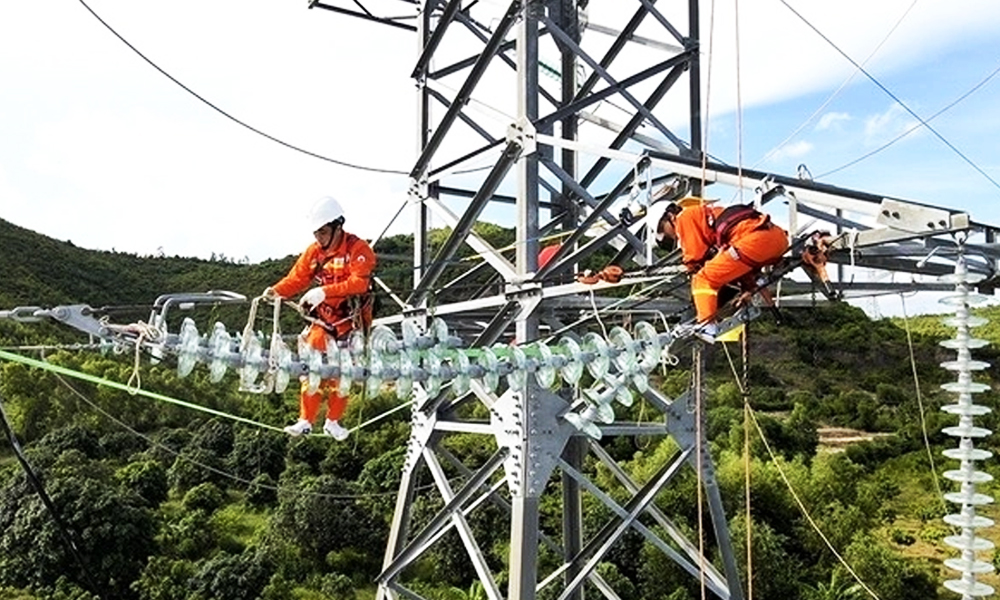
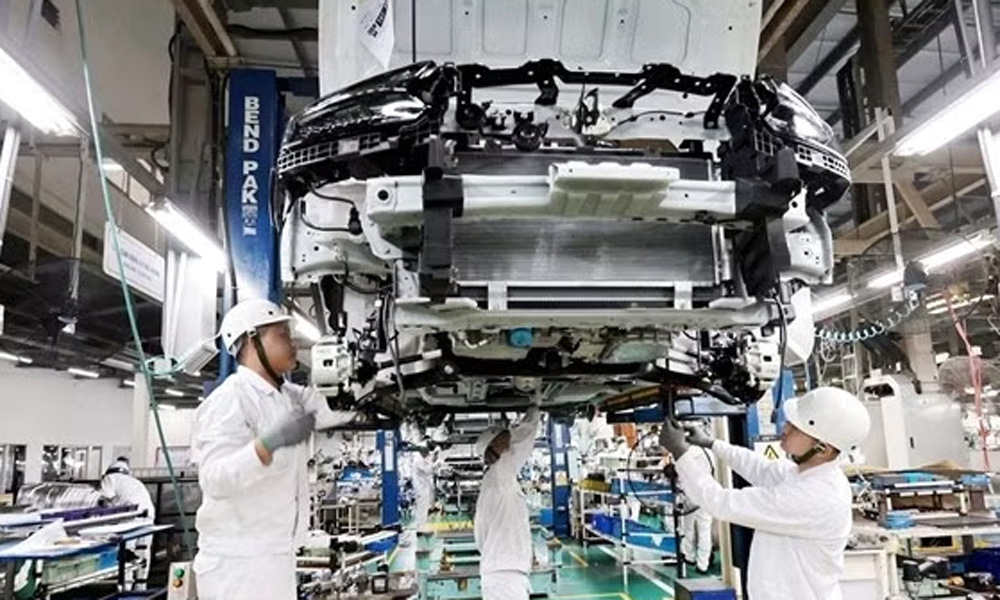
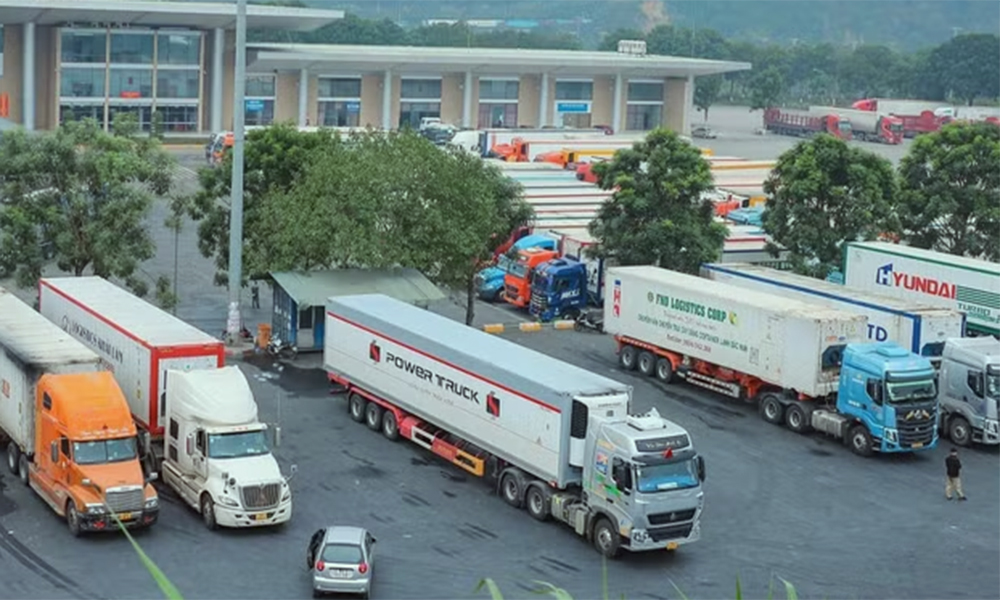
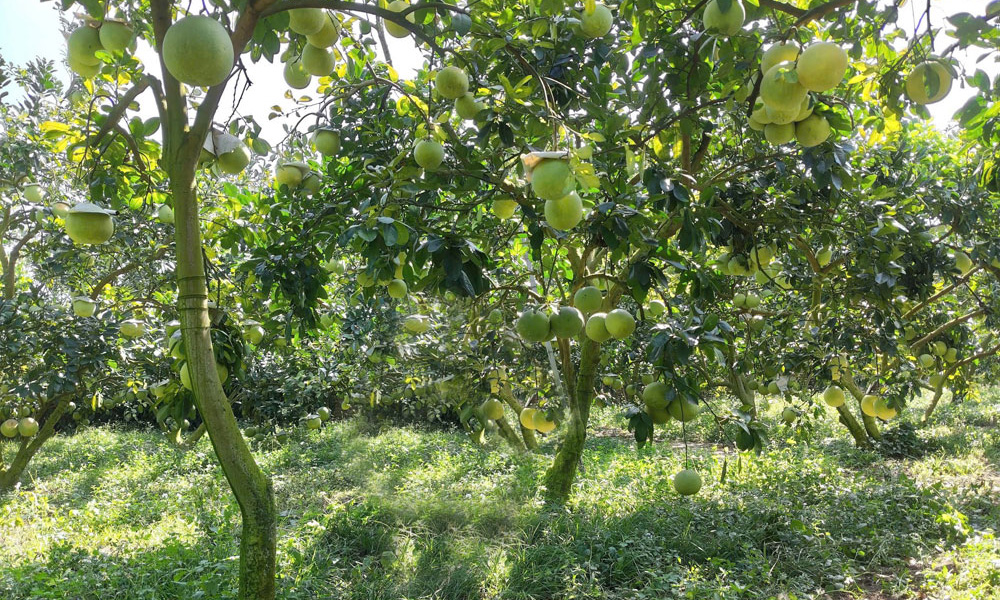
Illustrative image. |
Under the Government’s Resolution 45/2026/NQ-CP, signed on October 31, the 0% tax rate will apply until March 31, 2027.
The tax reduction has triggered a sharp adjustment in domestic petrol prices, with E5 RON 92 falling by 1,804 VND per litre to no more than 24,223 VND (0.94 USD), while E10 RON 95-III dropped by 1,575 VND to 24,159 VND per litre, according to the Ministry of Industry and Trade.
The new prices took effect at midnight on November 1.
The special consumption tax had previously stood at 10% for regular petrol, 8% for E5 biofuel and 7% for E10 biofuel under the special consumption tax law, which took effect on July 1.
According to the Government, the validity of the new resolution could be shortened or extended depending on socio-economic developments, energy security requirements and the need to stabilise the domestic fuel market.
The Ministry of Industry and Trade may propose adjustments to the Ministry of Finance for submission to the Government.
The latest tax cut comes as Vietnam faces mounting inflationary pressures in the final months of the year.
Nguyen Tien Thoa, Chairman of the Vietnam Valuation Association, said the reduction in petrol taxes, alongside a 2% cut in average retail electricity prices from November 1, would help ease pressure on consumer prices and support economic activity.
The consumer price index rose 4.52% in the first nine months of 2026, slightly above the target, he said.
Domestic consumption typically rises towards the year-end, while faster public investment disbursement and credit growth could add to price pressures. Meanwhile, international energy market volatility and exchange-rate fluctuations could also affect domestic inflation.
Thoa said cutting the special consumption tax on petrol to 0% could reduce fuel prices by around 1,600 VND per litre, supporting production and business activities while helping contain inflation.
Ngo Tri Long, an economist at the Vietnam Financial Consultants Association, said the energy price cuts would help reduce pressure on the overall price level at a time when room for inflation control in the final months of the year remained limited.
He said lower electricity and petrol prices would help businesses reduce input costs and households save on living expenses, while easing upward pressure on the prices of goods and services.
The measures would support the Government’s twin goals of promoting economic growth and controlling inflation, while demonstrating its support for businesses and consumers amid ongoing economic difficulties.
The Ministry of Industry and Trade said Vietnam’s petrol prices remained lower than those in neighbouring countries as of October 31.
Petrol prices stood at 32,550 VND per litre in Thailand, 32,010 VND in Cambodia, 48,276 VND in Laos and 36,125 VND in China, compared with no more than 24,159 VND in Vietnam.











Reader's comments (0)