 Bắc Ninh


Vietnam targets at least five internationally recognised cities by 2045
Vietnam’s urbanisation rate is targeted to reach at least 45% by 2025 and exceed 50% by 2030. The proportion of urban construction land is expected to stand at around 1.5–1.9% of total natural land area by 2025 and 1.9–2.3% by 2030.
Vietnam aims to develop at least five cities of international standing by 2045 under a Government action programme on sustainable urban planning and development.
 |
|
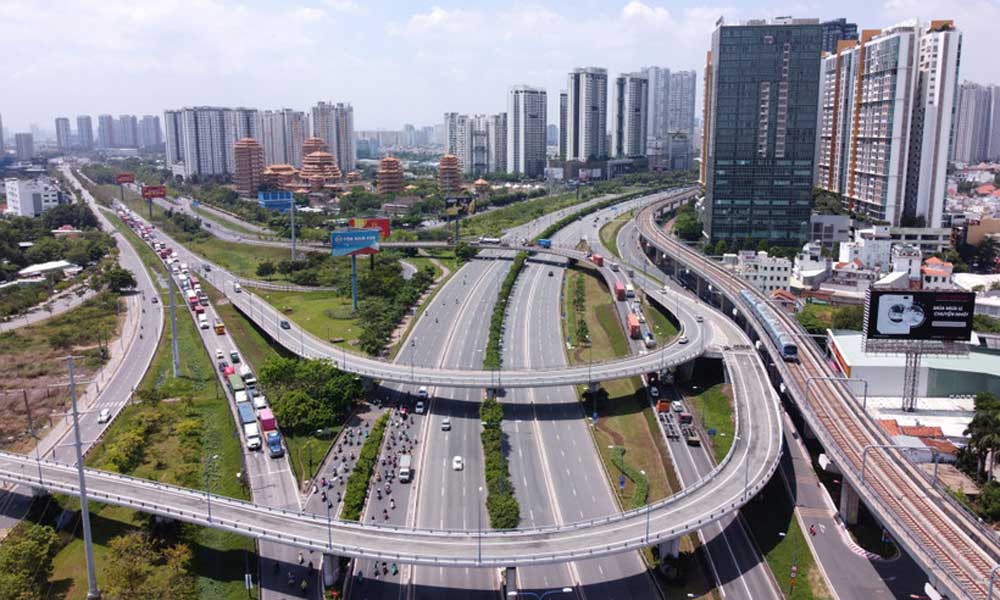
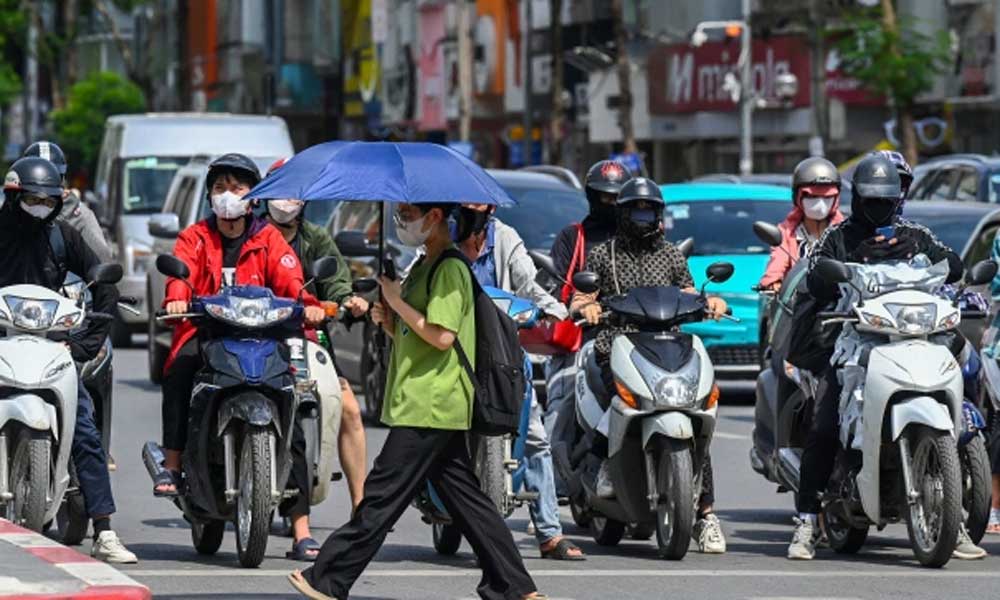
A corner of Ho Chi Minh City. |
The action programme on the implementation of the Party Central Committee’s Resolution No. 06-NQ/TW on urban planning, construction, management and sustainable development through 2030, with a vision to 2045, is amended and supplemented under Resolution No. 80/NQ-CP dated April 2, 2026.
It is designed to ensure unified direction across ministries, sectors and localities, while enhancing awareness and accountability in urban planning and development, contributing to the country’s industrialisation and modernisation goals.
Urbanisation to exceed 50% by 2030
Vietnam’s urbanisation rate is targeted to reach at least 45% by 2025 and exceed 50% by 2030. The proportion of urban construction land is expected to stand at around 1.5–1.9% of total natural land area by 2025 and 1.9–2.3% by 2030.
The number of urban areas nationwide is projected at 950–1,000 by 2025 and 1,000–1,200 by 2030. By 2025, all cities and towns are required to have comprehensive master plans and urban redevelopment programmes in place.
Infrastructure development will be a key focus. By 2030, Vietnam aims to establish several national and regional urban centres with healthcare, education and cultural standards comparable to the average of the top four ASEAN countries.
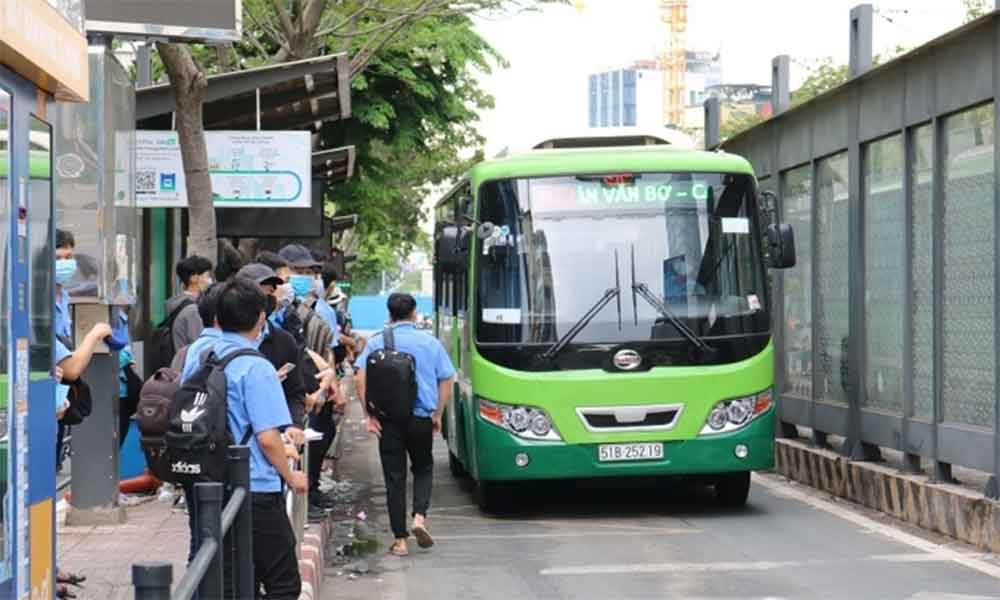
Transport land is expected to account for 16–26% of urban construction land by 2030, while urban green space per capita is projected to reach 8–10 sq.m. Average housing floor area per capita in urban areas is targeted at a minimum of 32 sq.m.
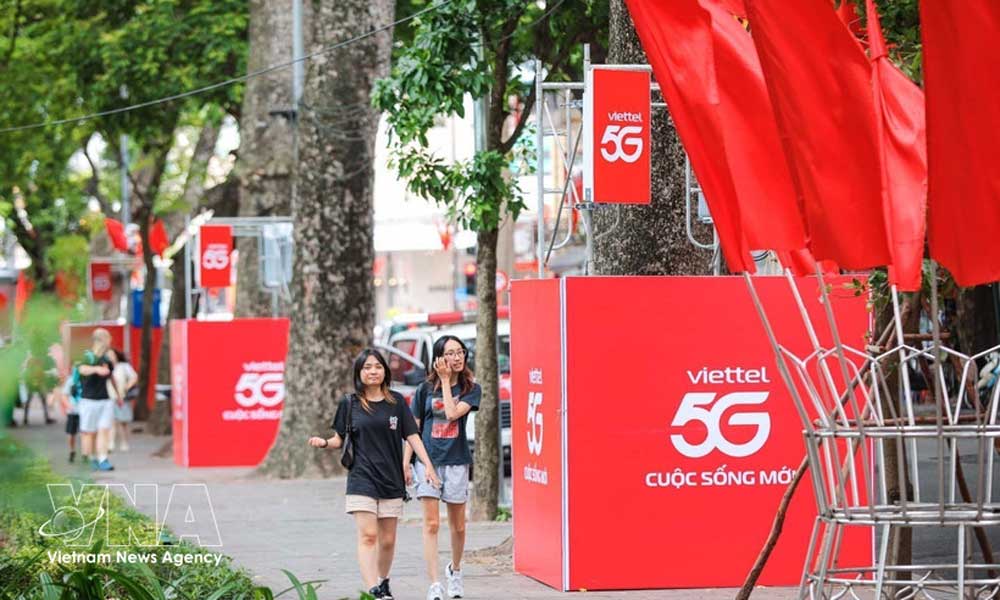
Digital infrastructure will also be strengthened. By 2025, fibre-optic broadband is set to cover over 80% of urban households, alongside widespread 4G and 5G services.
By 2030, universal access to fibre broadband and 5G mobile services is envisaged, with all urban adults using electronic payment accounts.
Urban economies are expected to contribute around 75% of national GDP by 2025 and 85% by 2030. The digital economy would account for 35–40% of gross regional domestic product (GRDP) in centrally governed cities by 2030.
Vietnam also plans to build a network of smart cities at national and regional levels, with three to five cities gaining regional and international recognition by 2030.
By 2045, Vietnam’s urbanisation rate is expected to rank among the upper-middle level in ASEAN and Asia. The urban system will form a synchronised and balanced network across regions, capable of adapting to climate change and responding to natural disasters and epidemics.
To achieve these goals, authorities will prioritise improving planning quality and management, developing integrated and climate-resilient infrastructure, and promoting sustainable urban development programmes.
Comprehensive planning for the national urban and rural system for 2021–2030, with a vision to 2050, will be finalised, alongside adjustments to master plans and architectural management regulations.
The Government will also focus on upgrading existing urban areas and investing in at least 100 model cities that are smart, low-emission, resilient and rich in cultural identity.





Reader's comments (0)