 Bắc Ninh


Auto market targets 700,000 sales in 2026
If the momentum continues in the fourth quarter, Vietnam’s auto market could surpass the previous record of 604,134 vehicles set in 2025 and approach 700,000 units for the full year.
Vietnam’s automotive market could approach 700,000 vehicle sales in 2026, after nearly 500,000 units were sold in the first nine months, as electric and hybrid vehicles gain ground and automakers step up competition ahead of the year-end buying season.
 |
|
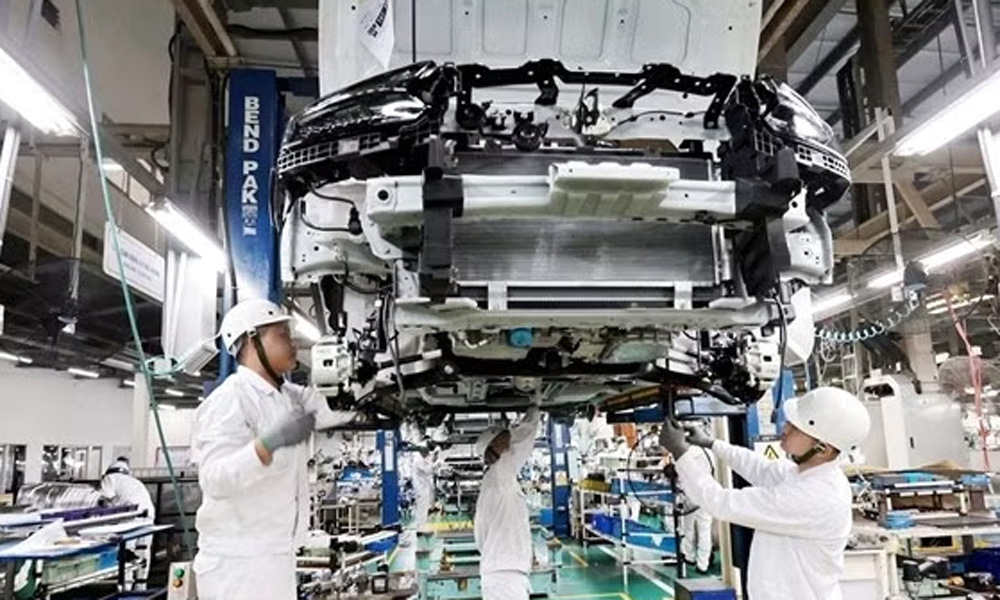
Car production at Honda Vietnam’s factory in Phu Tho province. Vietnam's total sales of vehicles in the January–September period was 495,138, up 20.2% year on year. (Photo: VNA) |
Data compiled from the Vietnam Automobile Manufacturers’ Association (VAMA), Thanh Cong Group (TC Group) and VinFast showed total sales of 495,138 vehicles in the January–September period, up 20.2% year on year. Sales reached 62,590 units in September, up 29% from August and 28% year on year.
The market recovered in September after slowing in August, with sales increasing across most vehicle segments.
Promotional offers, financial incentives and a return in consumer demand after the seventh lunar month helped boost business as automakers prepared for the year-end peak season.
If the momentum continues in the fourth quarter, Vietnam’s auto market could surpass the previous record of 604,134 vehicles set in 2025 and approach 700,000 units for the full year.
Electric vehicles drive growth
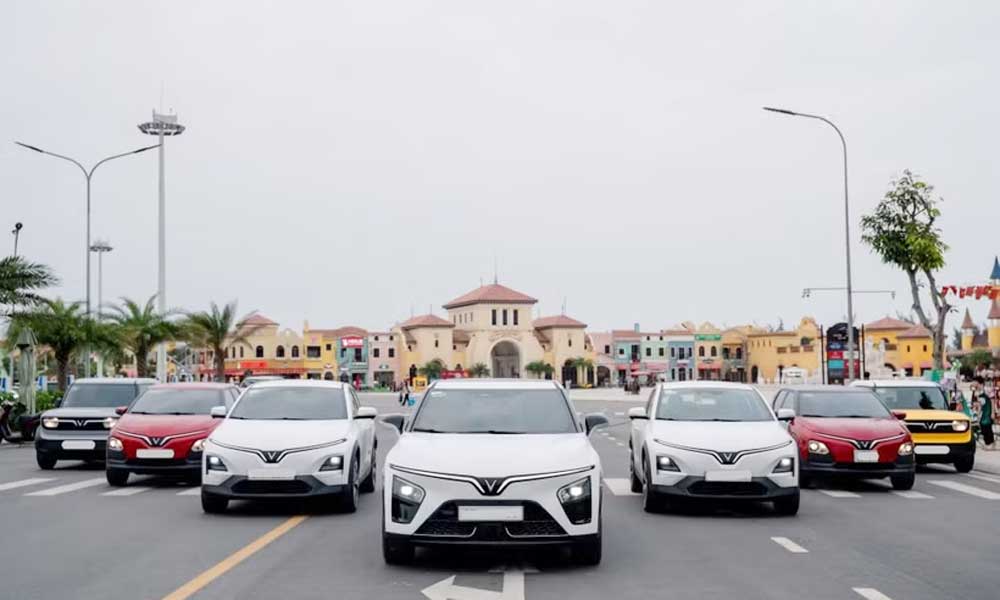
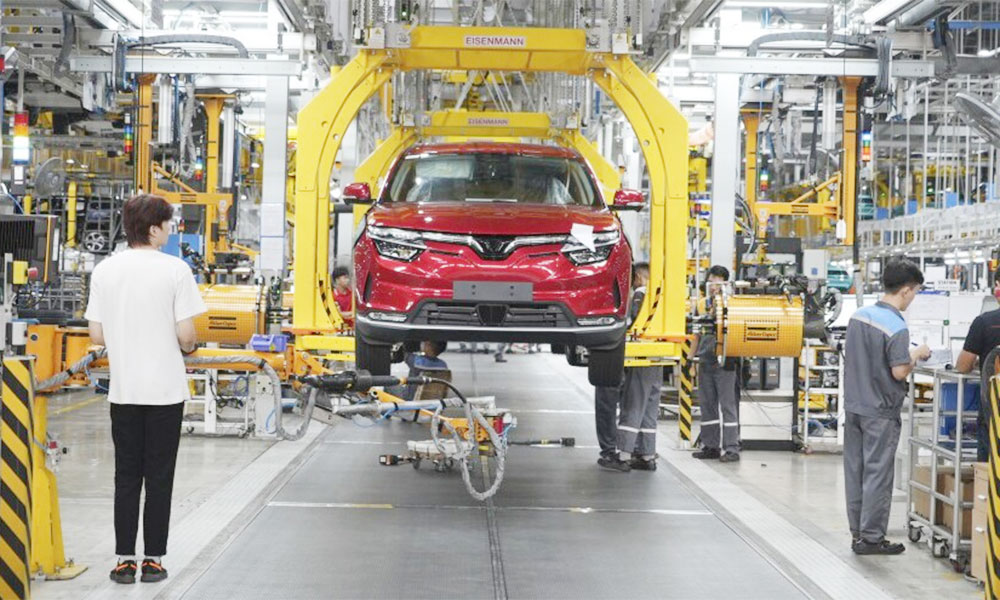
Electric vehicles were among the market’s main growth drivers in the first nine months of the year. VinFast said it delivered 23,624 electric cars in September, up 17% from the previous month. Deliveries in the January–September period totalled 177,697 units, exceeding the 175,099 vehicles delivered in the whole of 2025.
Duong Thi Thu Trang, VinFast’s deputy chief executive officer of global automotive sales, said the positive response from consumers was encouraging the company to continue developing products and improving service quality.
The nine-month results provided a foundation for growth in the fourth quarter and would also help advance Vietnam’s transition towards greener transport, she said.
Meanwhile, VAMA members sold 2,168 hybrids in September, up 56% from the previous month and 58% from September 2025. Sales in the first nine months reached 16,057 units, up 64% from 9,785 in the same period last year.
Industry experts said the increase reflected growing interest in vehicles that offer better fuel efficiency and lower emissions. By combining an internal combustion engine with an electric motor, hybrids provide an alternative for buyers who are not yet ready to rely entirely on charging infrastructure.
Actual hybrid sales could be higher than VAMA’s figures, as some brands do not disclose detailed sales breakdowns by powertrain.
More electrified models are expected to enter the market by the end of the year, including the Hyundai Tucson Hybrid, Hyundai Palisade Hybrid, Subaru Forester Hybrid, BYD Sealion 5 and the next-generation Lexus ES.
The new models could broaden consumer choice in terms of segments, technology and pricing, while intensifying competition among battery electric vehicles, hybrids and conventional internal combustion engine vehicles.
Competition in fourth quarter
Automakers and dealers are expected to continue offering sales incentives in the final months of the year while preparing to launch new models.
For internal combustion engine vehicles, discounts, support for vehicle registration fees, free equipment and financial incentives remain key sales tools.
Pressure to clear inventories, combined with the arrival of new models, could intensify price competition, particularly in the sport utility vehicle (SUV) and crossover segments.
The range of electrified vehicles is also expanding. VinFast is expected to accelerate deliveries, while international brands are bringing more battery electric vehicles (BEVs), hybrid electric vehicles (HEVs) and plug-in hybrid electric vehicles (PHEVs) to Vietnam.
As consumer choice widens, competition will extend beyond pricing. Driving range, fuel consumption, maintenance costs, safety technology, charging capabilities and after-sales service are also likely to influence purchasing decisions.
Fourth-quarter performance will be crucial in determining whether the market can approach 700,000 sales in 2026. It will also offer a clearer picture of how consumers are shifting between petrol-powered vehicles, hybrids and fully electric cars.
Competition among battery electric vehicles, hybrids and conventional combustion-engine vehicles is also expected to push automakers to update their line-ups, optimise running costs and improve after-sales services, including digital services.














Reader's comments (0)