 Bắc Ninh


Automobile sector enters new competition phase
2026 should cement trends toward greener mobility, diversified sourcing and value-driven competition, with consumers being the main winners of the transformation.
Vietnam's automobile sector underwent a key shift in 2025, with recovering consumer spending, robust electric vehicle (EV) demand and surging imports, especially from China, reshaping the industry.
 |
|
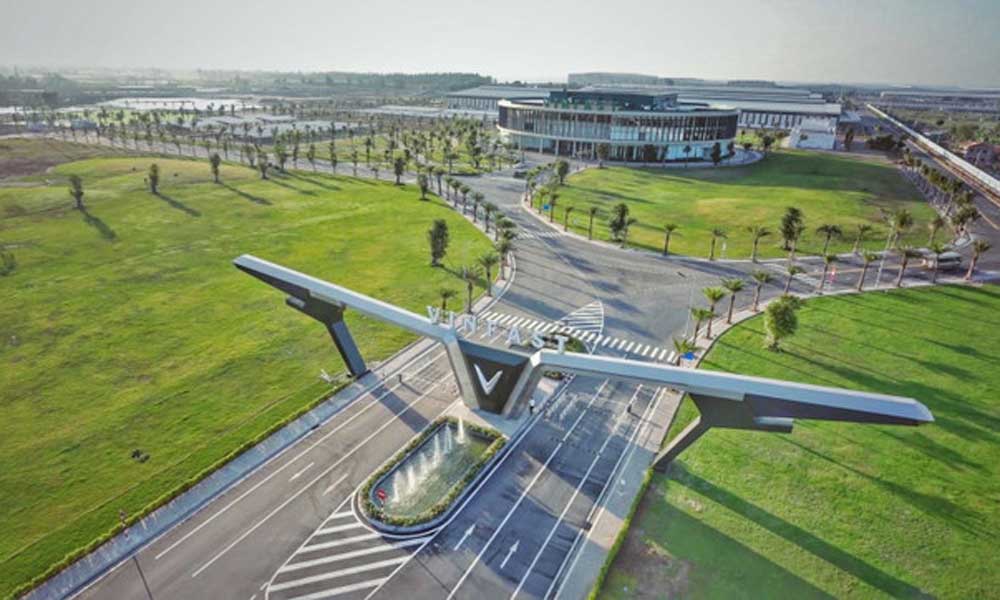
Overview of the VinFast Hai Phong factory. |
Sales from the Vietnam Automobile Manufacturers' Association members, VinFast and TC Motor (Hyundai) totalled 522,644 units in the first 11 months, up remarkably from a year earlier.
With seasonal strength expected in December, analysts project full-year volume of 580,000–600,000 units, implying 7%–10% growth.
The market saw an increase in imported vehicles. Locally assembled cars slipped about 3%, while completely built-up (CBU) imports jumped 17%, driven by buyers seeking greater variety in design, technology and origins.
SUVs, crossovers and multi-purpose vehicles (MPVs) continued to dominate, well suited to family use and urban traffic conditions.
A standout trend was the deepening footprint of Chinese manufacturers. Many went beyond imports to outline multi-year plans, including local plants and expanded sales and after-sales networks, signalling intent for lasting market presence.
Omoda & Jaecoo Vietnam, a joint venture between local conglomerate Geleximco Group and China's Chery Group, drew notice with aggressive service pledges: warranties up to 1 million km, spare parts delivery within 48 hours and a 30-day full-value repurchase option.
Through November, Vietnam imported 191,142 CBUs worth roughly 4.23 billion USD, up 19% in volume and 30.6% in value year-over-year. Indonesia, Thailand and China were the top sources.
For 2026, the market is seen expanding further but with greater selectivity and segmentation. Hybrids are poised to serve as a transitional option suited to existing infrastructure, while pure electrics gain share in major cities.
Chinese players, supported by long-term investment strategies, broad lineups and competitive service packages, are likely to intensify rivalry in compact SUVs, mid-size SUVs and EVs.
Experts view 2026 as a consolidation phase: brands with disciplined investment, long-term focus and strong local insight stand to gain most. Rivalry will shift from pure product competition to full customer experience and service ecosystem.
Overall, 2026 should cement trends toward greener mobility, diversified sourcing and value-driven competition, with consumers being the main winners of the transformation.









a.jpg)






Reader's comments (0)