 Bắc Ninh


Bac Ninh moves toward civilized and culturally distinctive urban area
BAC NINH - Northern industrial hub Bac Ninh is accelerating urban development and infrastructure investment as it seeks recognition as a Class I city, laying the groundwork to become a centrally governed municipality in the coming years.
The ambition reflects the province's strategy to upgrade living standards and expand its economic and social space while preserving the cultural identity of the Kinh Bac region.
 |
|
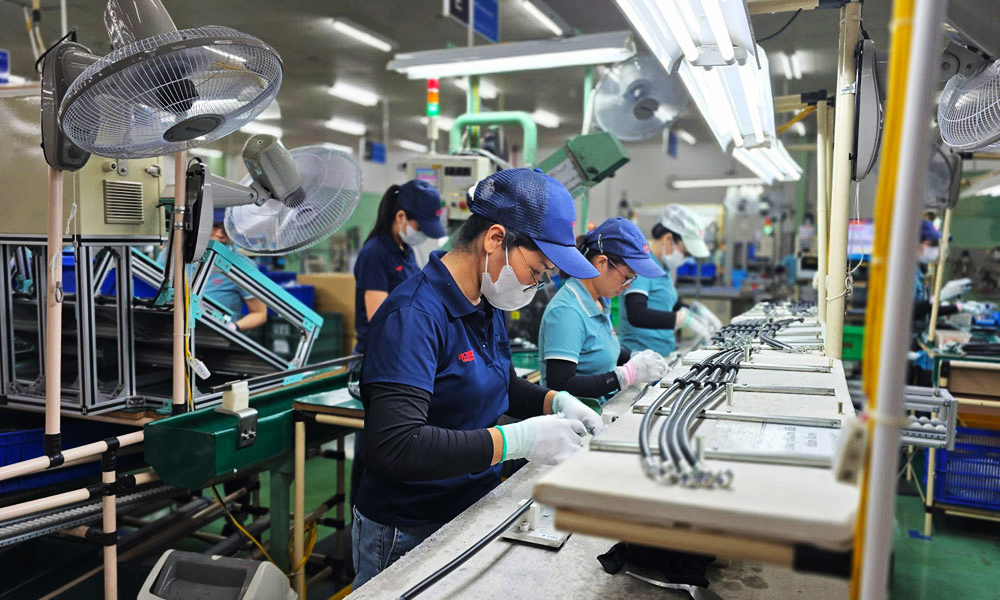
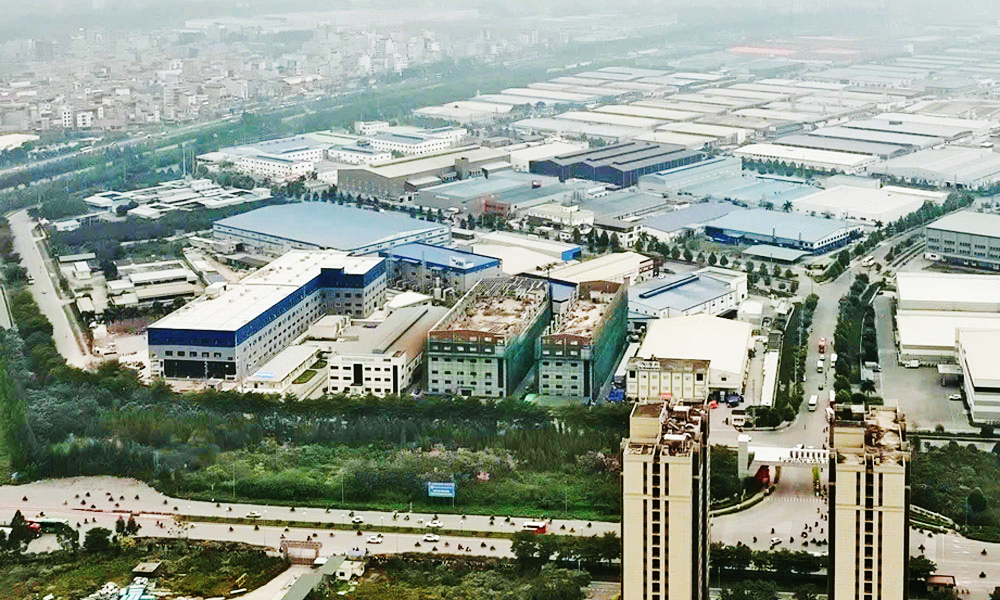
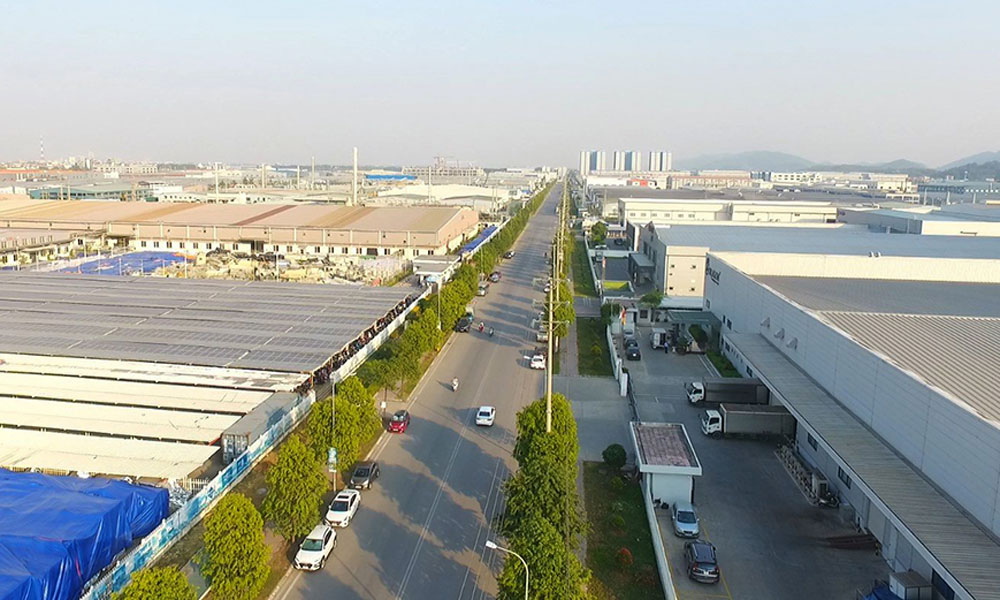
A production line for brake hoses and tubes at Nichirin Vietnam Co., Ltd. in Quang Chau Industrial Park. |
Formed following the merger of the former Bac Ninh and Bac Giang provinces, the new Bac Ninh covers 4,718 square kilometers and comprises 99 commune-level administrative units, including 33 wards and 66 communes.
Located at the gateway linking Hanoi with Vietnam's northern mountainous region and positioned along the Nanning-Lang Son-Hanoi-Hai Phong-Quang Ninh economic corridor, the province occupies a strategic location within the northern key economic zone.as
Under a resolution approved by the provincial People's Council in June 2026, Bac Ninh has met 12 of the 15 criteria required for Class I urban status.
The province has emerged as one of Vietnam's fastest-growing local economies. Gross regional domestic product growth during 2023-2025 exceeded the national average and ranked among the highest in the country.
Budget revenue reached more than 123.6 trillion VND (4.7 billion USD) in 2025, enabling the province to balance its own finances without central government subsidies.
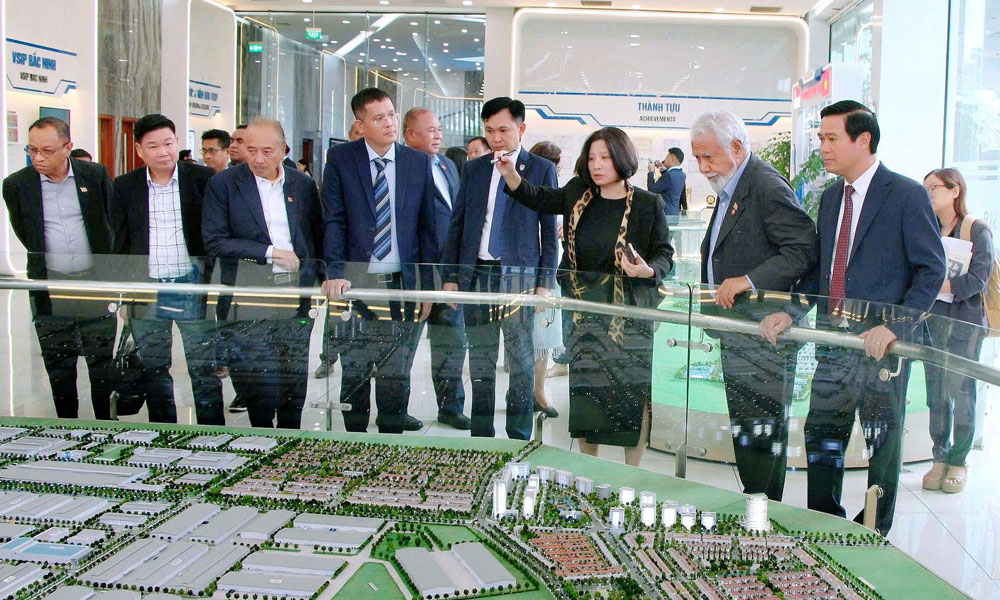
Bac Ninh has also remained one of Vietnam's leading destinations for foreign investment, hosting more than 3,500 projects with total registered capital of around 50 billion USD from investors in 46 countries and territories.
In 2025 alone, the province attracted 5.73 billion USD in foreign direct investment, ranking second nationwide behind Ho Chi Minh City.
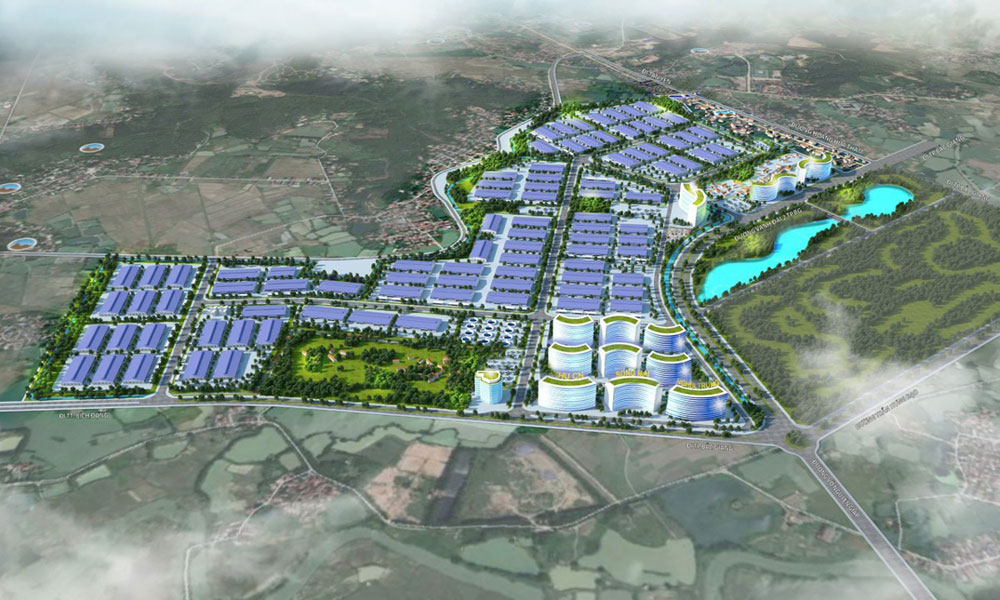
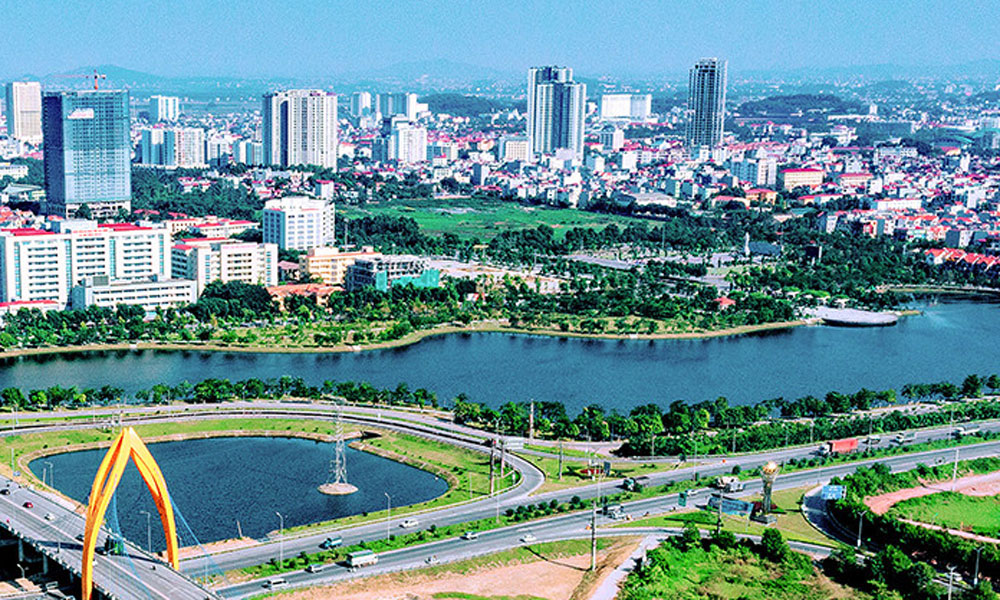
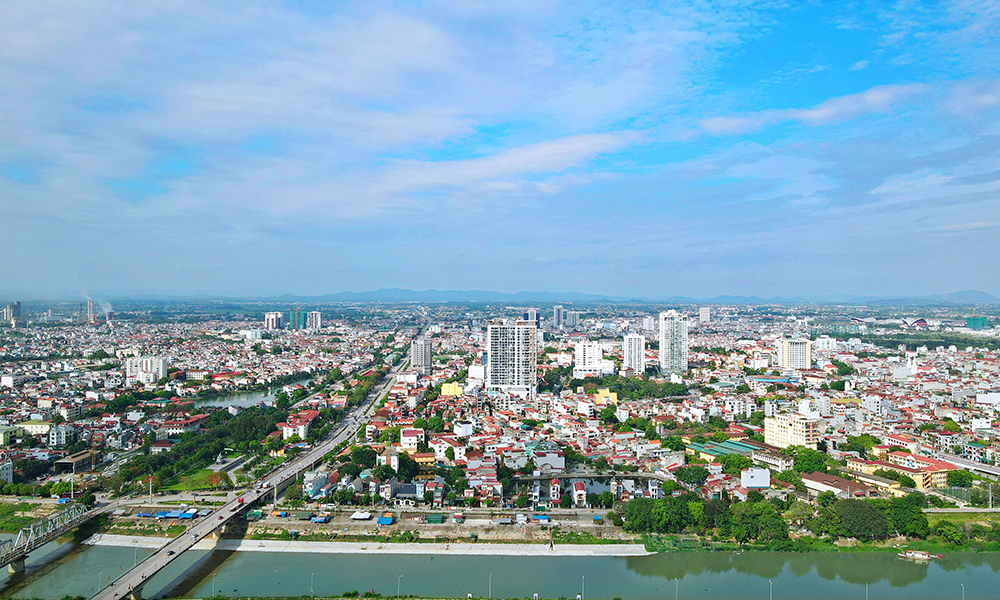
Years of rapid industrialisation have transformed the province's urban landscape. Bac Ninh now has 25 urban areas, including three Class II cities - Kinh Bac, Bac Giang and Tu Son - alongside 22 Class III urban centres.
Authorities have invested heavily in transport and social infrastructure, with a series of regional connectivity projects under development, including Hanoi's Ring Road No. 4, expanded Nhu Nguyet and Xuong Giang bridges, Ha Bac 2 Bridge and other strategic transport facilities.
Major logistics projects such as Gia Binh International Airport, the Tan Cang-Que Vo inland container depot and Kep international railway station are expected to further strengthen the province's position as a manufacturing and logistics hub.
Bac Ninh has also emerged as one of Vietnam's pioneers in smart city development, integrating digital government, the digital economy and digital society initiatives into urban management.
The province's Intelligent Operations Centre is being expanded to integrate multiple sectors, improving governance and public services for residents and businesses.
Urban centres including Bac Giang, Kinh Bac, Tu Son, Viet Yen and Que Vo have introduced smart applications ranging from traffic monitoring systems and public security cameras to intelligent street lighting and environmental management platforms.
Digital transformation has also been accelerated in healthcare, education and tourism services.
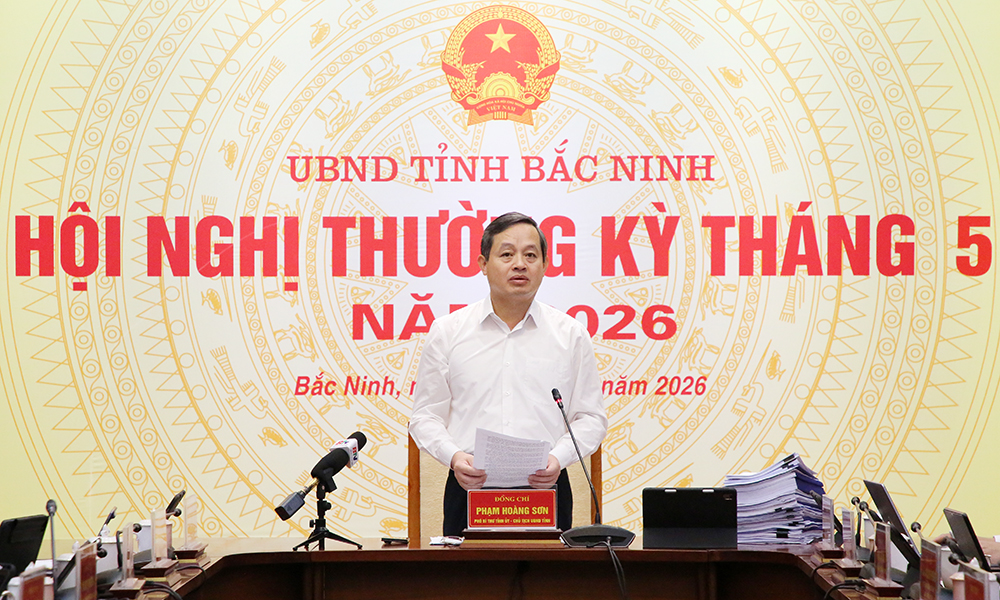
Chairman of the provincial People’s Committee Pham Hoang Son said the goal of achieving Class I urban status was not simply about administrative expansion or meeting statistical targets.
"It is a strategy to reorganise development space and optimise economic resources so that Bac Ninh can become a green, smart and sustainable growth pole in the Red River Delta," he said.
 |
|
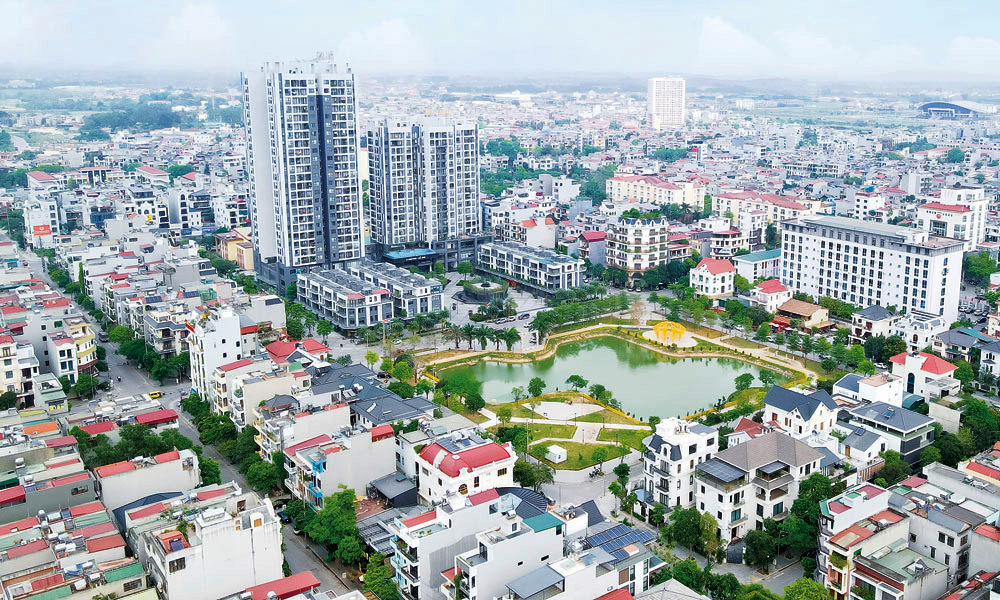
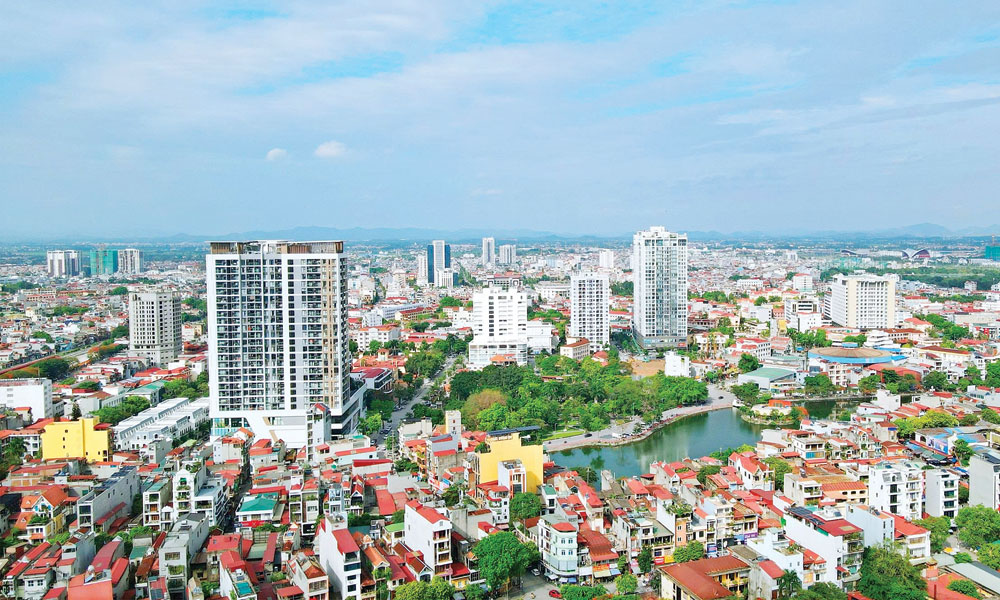
New housing projects contribute to the modern landscape of Vo Cuong urban area. |
The province is currently focusing on removing regulatory bottlenecks and speeding up infrastructure projects in order to achieve its core objectives before 2030.
According to the provincial Department of Construction, Bac Ninh still needs to complete three remaining criteria, including increasing the proportion of wards meeting Class II urban standards, completing new-style rural development targets and raising average income levels.
The Ministry of Construction is currently reviewing the province's application for Class I urban recognition.
Officials say that with strong economic fundamentals, sustained industrial growth and continued investment inflows, Bac Ninh has favourable conditions to complete its urban transition and eventually become a centrally governed city while maintaining the cultural heritage of the Kinh Bac region.


Reader's comments (0)