 Bắc Ninh


Bac Ninh moves toward energy self-sufficiency to power high-tech growth
BAC NINH – Northern industrial powerhouse Bac Ninh is accelerating investment in local power generation and transmission infrastructure as it seeks to become one of Vietnam's first provinces to achieve basic energy self-sufficiency and secure electricity supplies for its rapidly expanding high-tech economy.
Provincial authorities view the development of diverse local energy sources, including waste-to-energy plants, rooftop solar systems, wind power and thermal power projects, as essential to maintaining economic growth and attracting investment in advanced manufacturing sectors.
 |
|
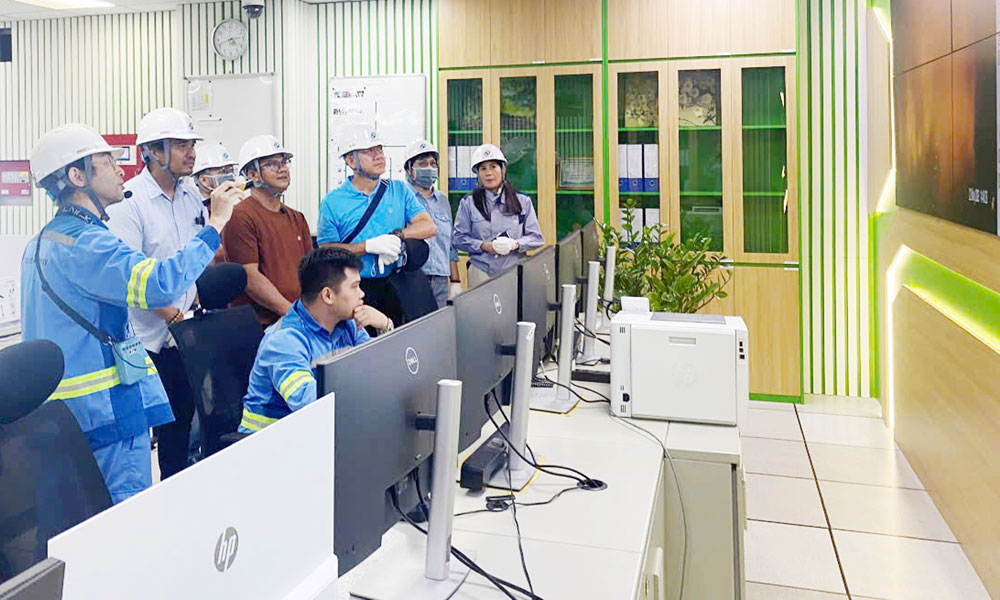
A delegation from Calauan City, the Philippines, visits the Ngu Thai waste-to-energy plant to learn about its operating process in May 2026. |
In recent years, Bac Ninh has steadily expanded its local electricity generation capacity, reducing dependence on external power supplies and improving energy security for businesses and residents.
Among the flagship projects is the Ngu Thai waste-to-energy plant operated by T&J Green Energy Company in Song Lieu Ward. Construction began in early 2022 with an investment of 74 million USD, and the facility entered commercial operation in January 2025 with a generating capacity of 13 MW.
During the first six months of 2026, the plant supplied more than 41.37 million kWh of electricity to the national grid while operating at around 98% of its designed capacity.
The facility processes approximately 490 tonnes of waste each day, helping ease pressure on local waste treatment systems while converting refuse into electricity.
According to the company, support policies introduced by provincial authorities on land, taxation, waste supply and treatment mechanisms played an important role in enabling the project to become operational quickly and efficiently.
The investor is considering additional waste-to-energy projects in Bac Ninh and other localities in the future.
The province currently has four waste-to-energy plants in operation with a combined capacity exceeding 36 MW, providing both environmental benefits and additional clean electricity for the power system.
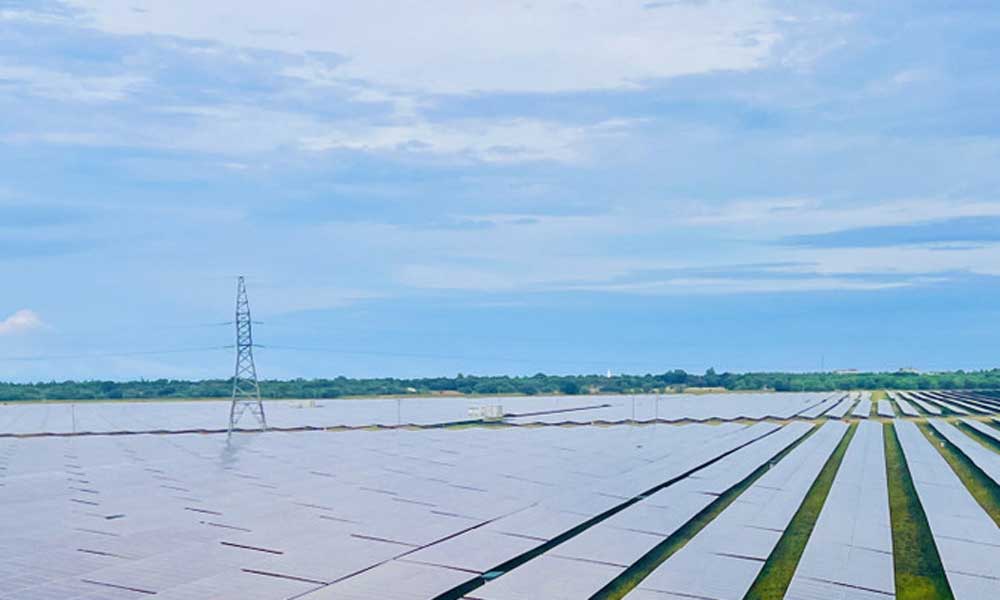
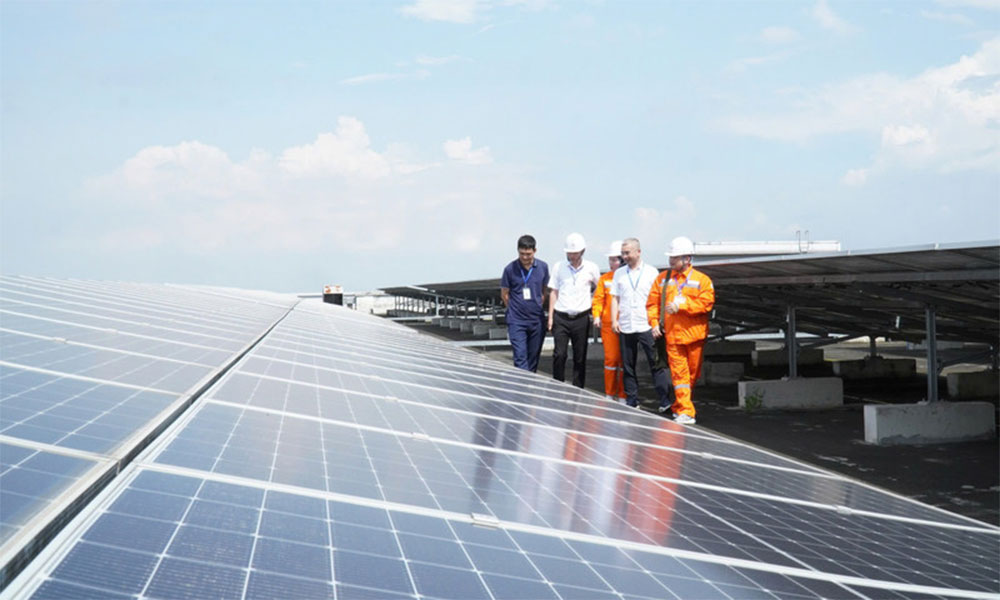
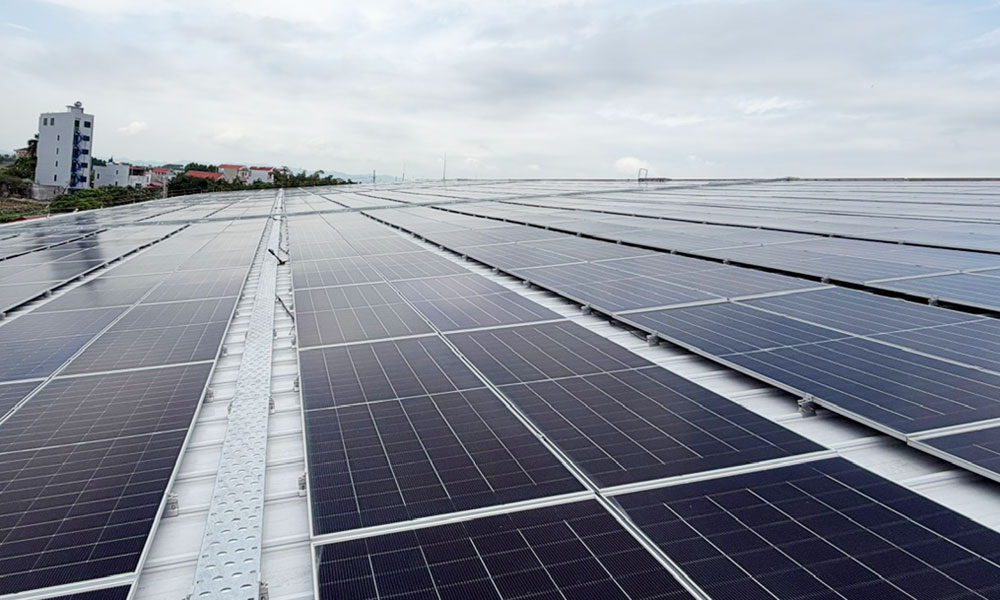
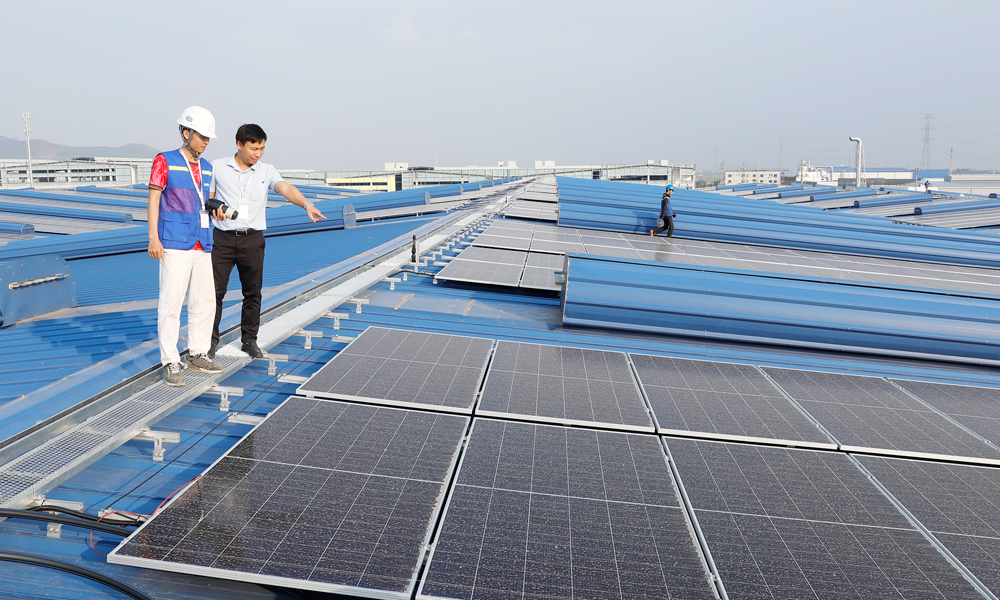
Alongside waste-to-energy development, Bac Ninh is also promoting rooftop solar power. Under Vietnam's revised National Power Development Plan VIII, the province is expected to develop nearly 3,400 MW of rooftop solar capacity by 2035.
By the end of June 2026, nearly 1,380 rooftop solar systems had been registered and installed across the province with a combined capacity of approximately 314 MW, of which around 285 MW had already entered operation.
Provincial authorities said the systems help reduce pressure on the national grid while allowing manufacturers to lower production costs and improve energy autonomy.
Despite these achievements, electricity demand in Bac Ninh continues to rise rapidly as investment flows into electronics manufacturing and other high-tech industries.
The province is currently implementing 17 electricity supply projects with a total planned capacity of more than 1,930 MW, although many remain in the investment preparation or construction stages.
Several key projects, including the An Khanh-Bac Giang thermal power plant and a number of 220-kV and 500-kV transmission facilities, have experienced delays.
Bac Ninh forecasts peak electricity demand will reach around 3,295 MW in 2026 and increase to approximately 3,558 MW in 2027, requiring the addition of about 300 MW of new generating capacity every year.
Provincial leaders warn that an inability to secure sufficient electricity supplies could undermine efforts to attract high-value investment projects, particularly in semiconductors, electronics manufacturing and data centers.
 |
|
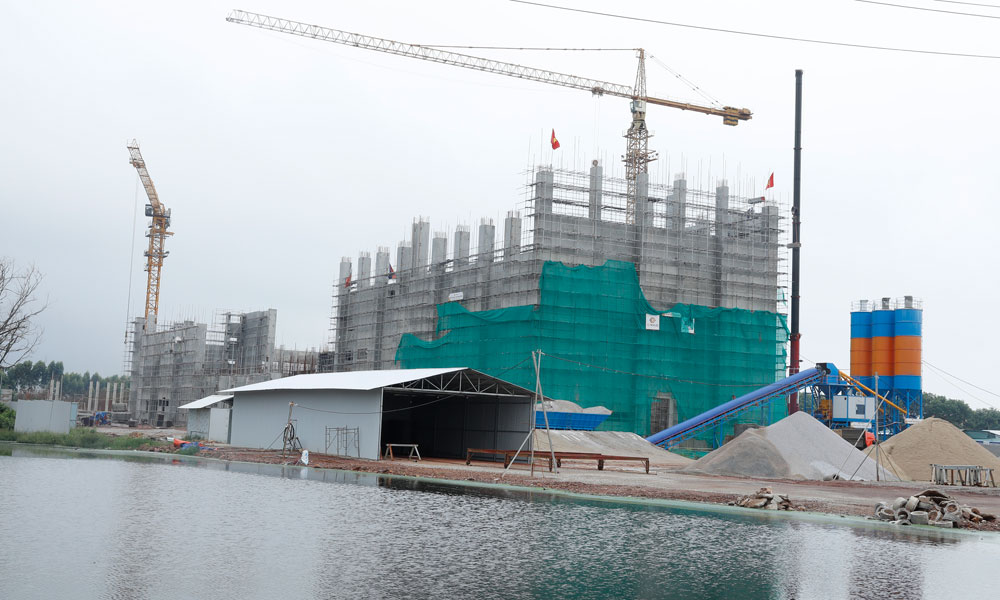
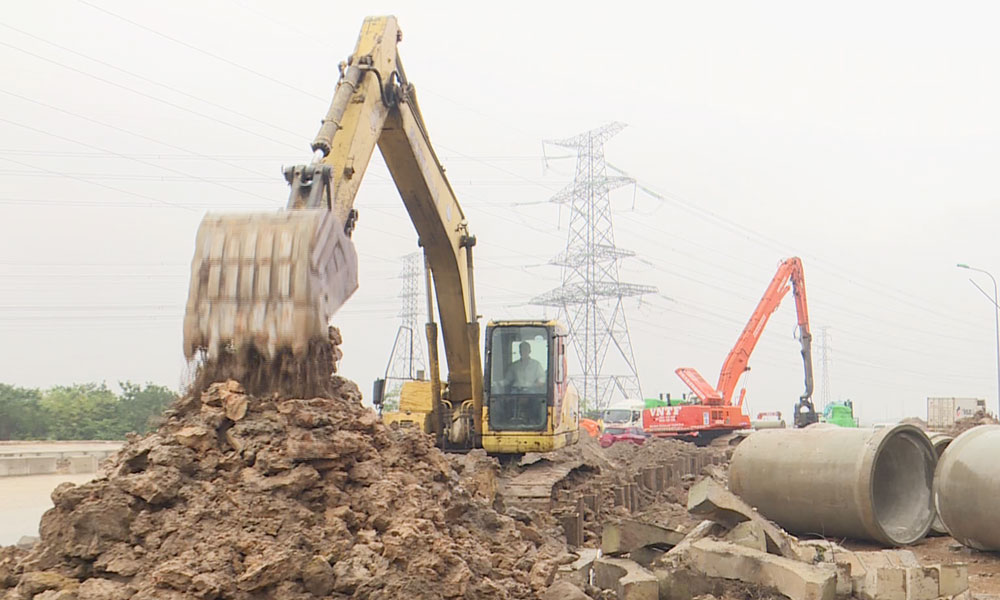
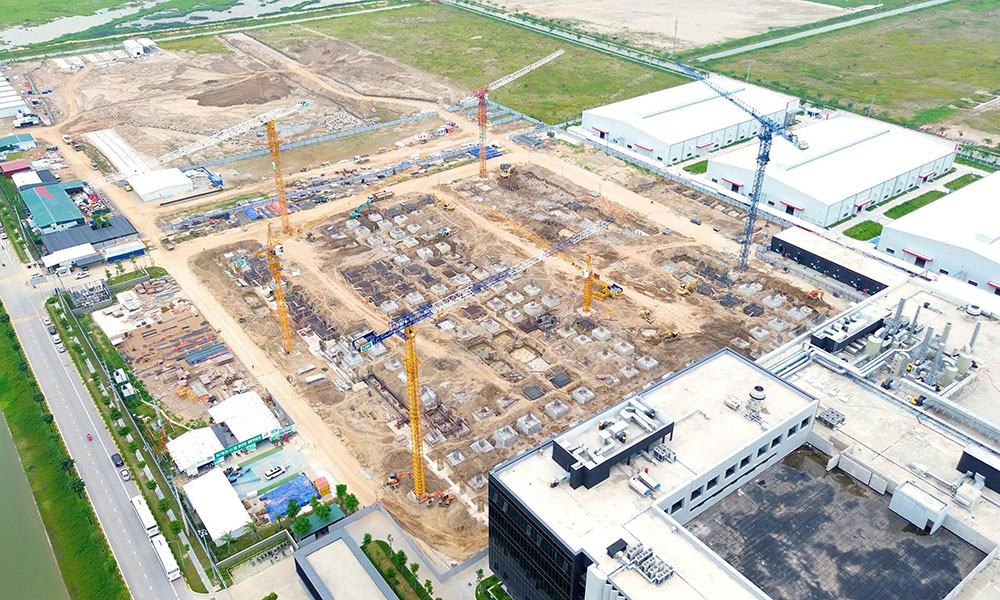
The Bac Giang waste treatment and power generation plant in Da Mai Ward is under construction. |
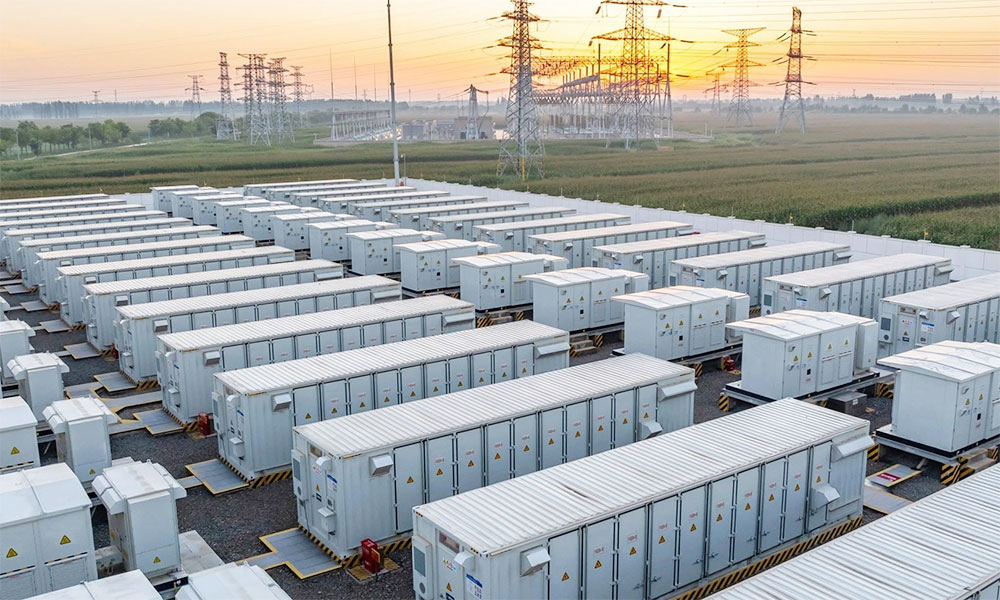
To address the challenge, Bac Ninh has launched a rooftop solar development program for the 2025-2035 period, including support policies for households installing self-consumption solar systems combined with battery storage technology.
The province is also working with the Ministry of Industry and Trade, Vietnam Electricity and project developers to accelerate major power generation and transmission projects.
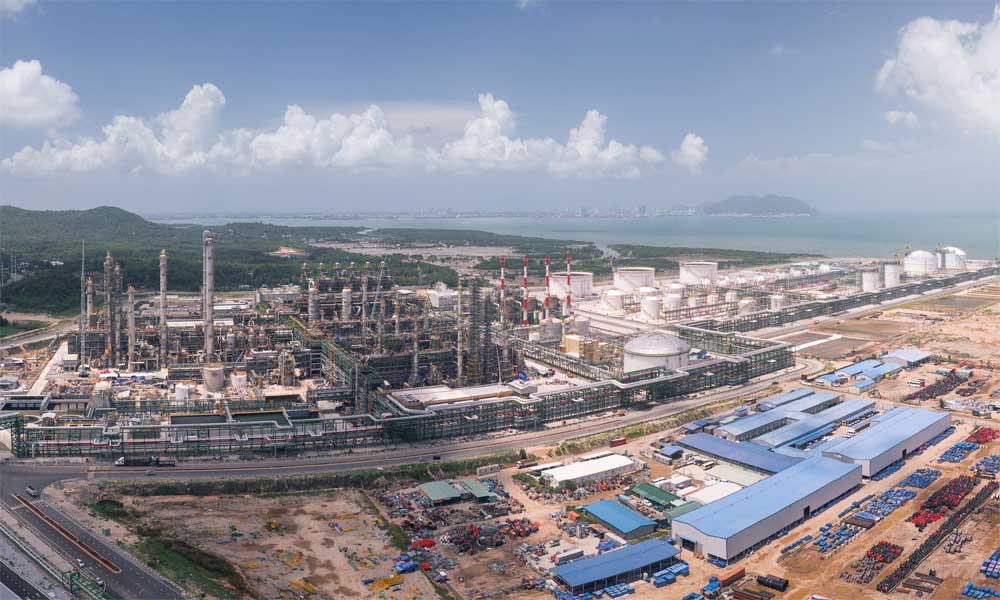
Construction of a waste treatment and power generation plant in Da Mai Ward has reached around 51% completion and is scheduled to begin operations in June 2027, while the Bac Giang 2 wind power project aims to complete site clearance in 2027 and start commercial operation a year later.
Provincial officials say the completion of key generation and transmission projects will not only satisfy growing electricity demand but also support Bac Ninh's ambition to become a self-sufficient energy hub and a leading destination for high-tech investment in northern Vietnam.







Reader's comments (0)