 Bắc Ninh


Coming here, touching the soul of the countryside
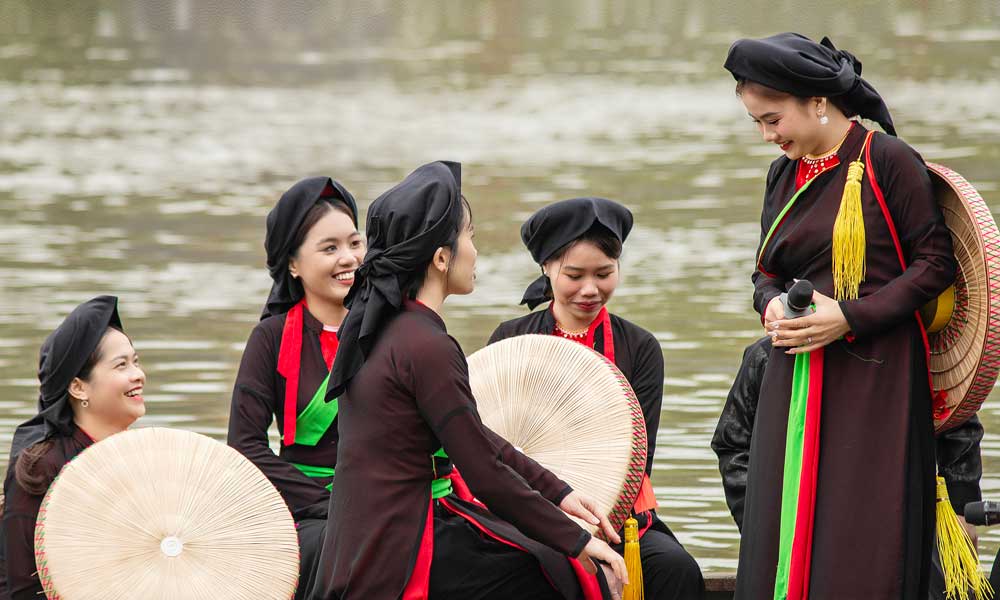
BAC NINH - Kinh Bac is a land of “a hundred crafts and a thousand customs,” long recognised not only for its mellifluous quan ho (love duet) folk songs but also for its network of traditional craft villages and ancient settlements where distinctive cultural values have crystallised over centuries.
Within this cultural flow, the ancient villages of Diem, Tho Ha, Phu Lang, and Dong Ho stand out as vivid exemplars - places where traditional crafts and customs do not merely survive in memory but continue to move dynamically within contemporary life.
 |
|
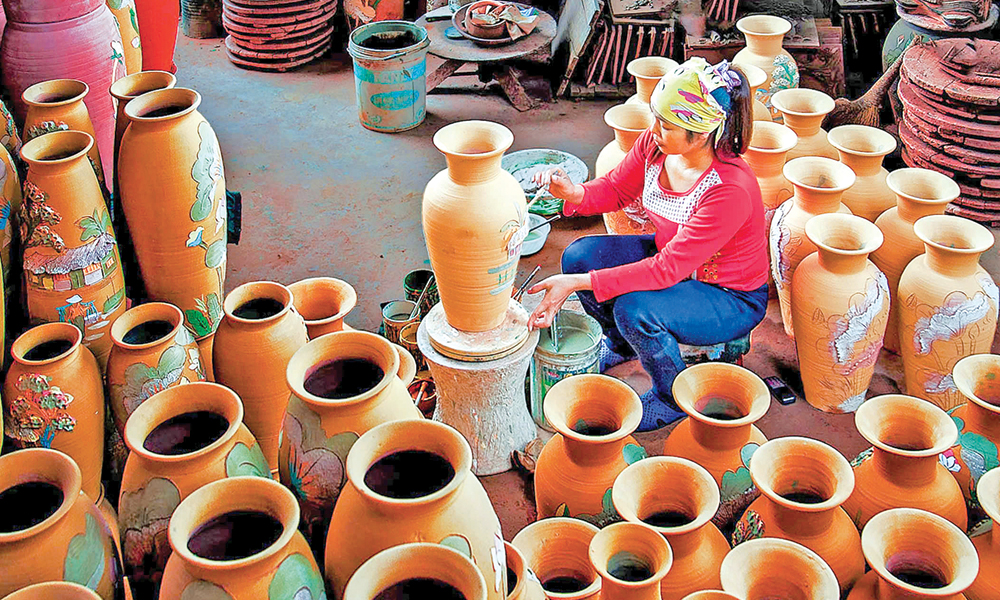
A pottery artisan in Phu Lang village, Phu Lang commune. |
Through the many transformations of time, Kinh Bac’s rural villages have quietly accumulated resilient cultural layers, nurtured by ancestral crafts and inherited traditions.
Entering a new phase of development, these craft villages and ancient settlements are gradually emerging as cultural tourism destinations of rich potential.
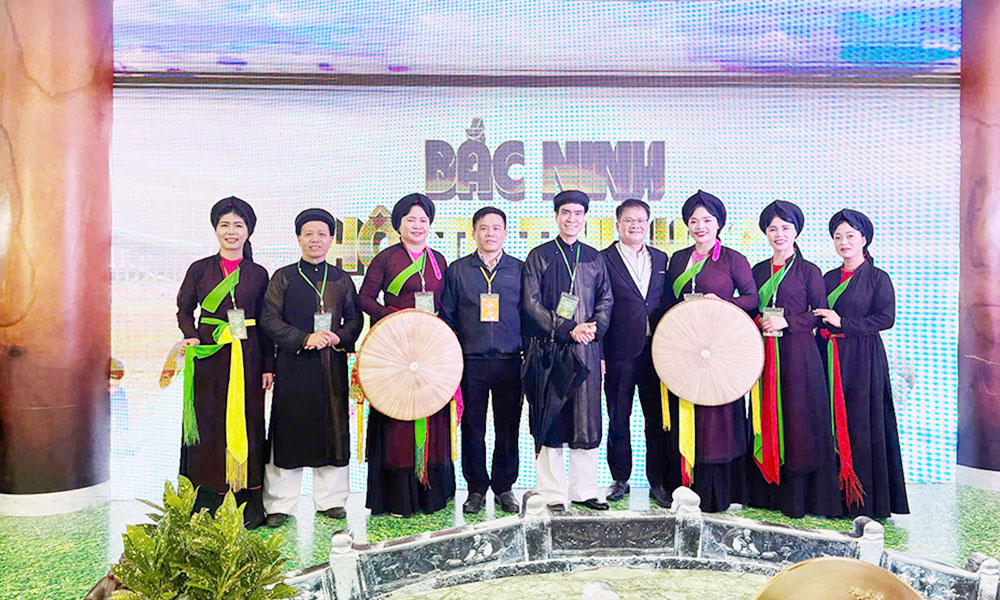
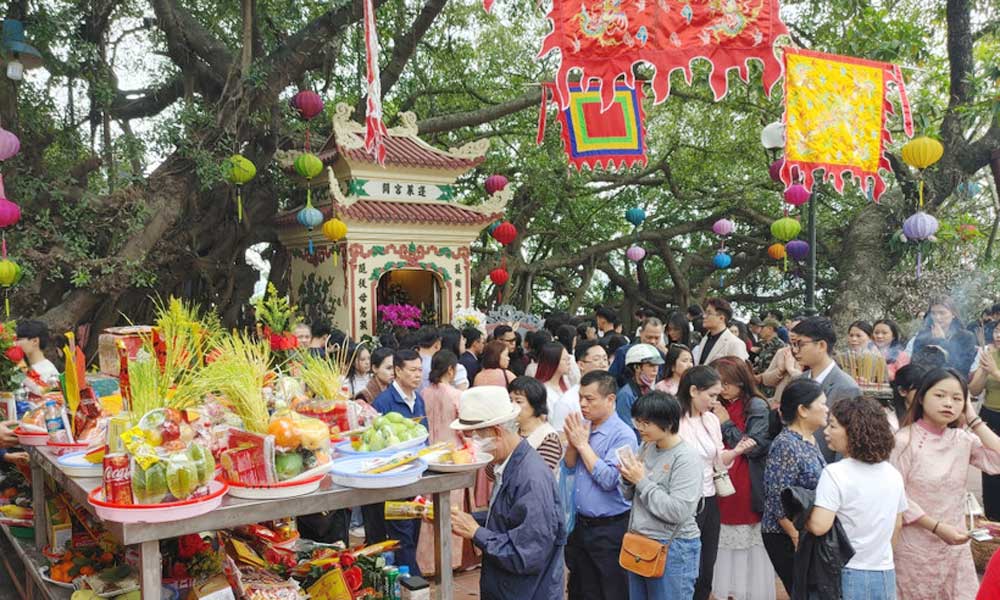
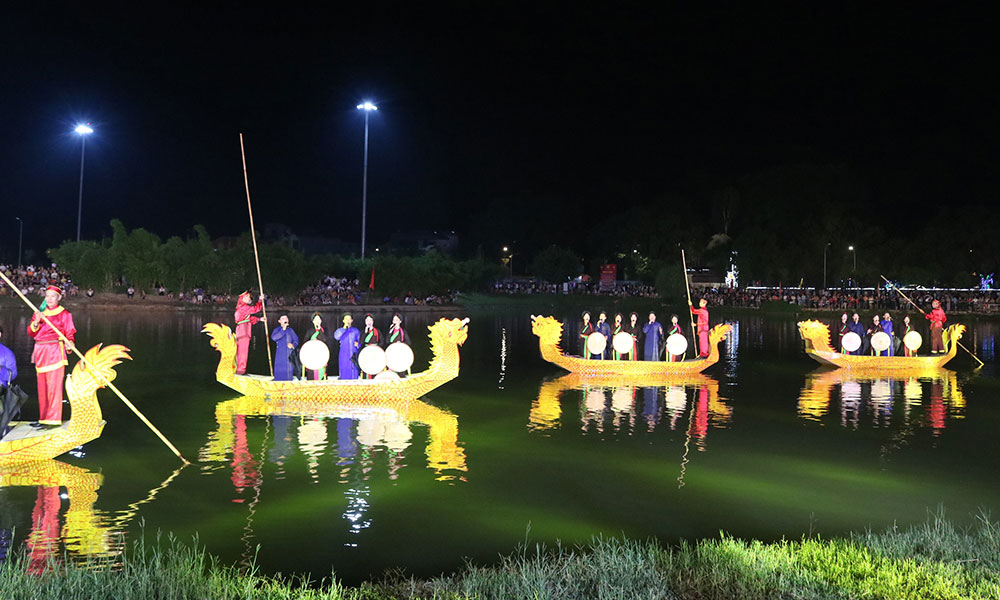
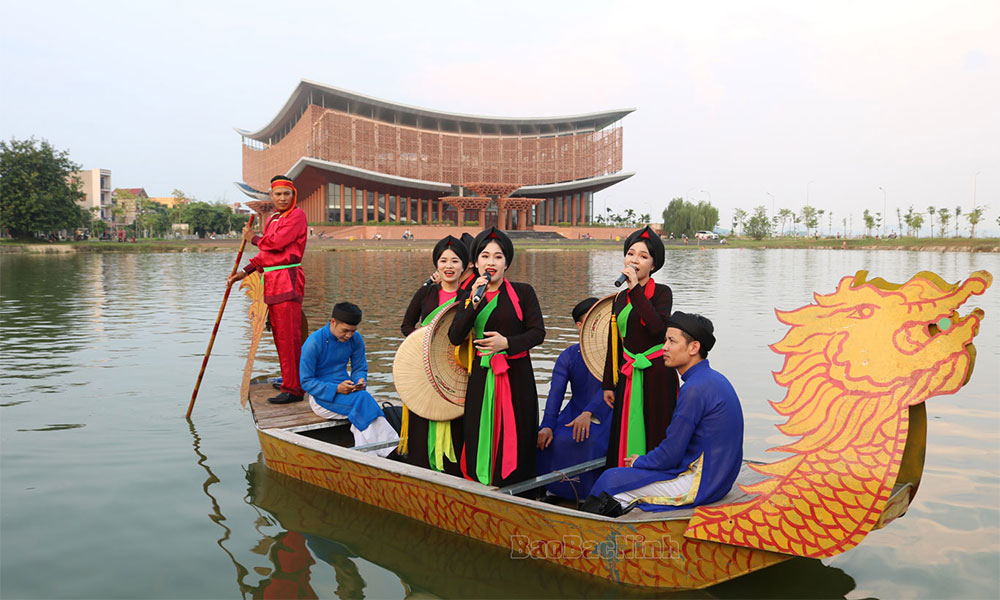
In Diem village, the cultural space of quan ho singing has been developed through experiential approaches, linking heritage site visits with folk song performances, and explorations of customs and festivals.
Visitors do not merely sightsee or offer incense; they immerse themselves in the communal life distinctive to quan ho culture, sensing the elegance and refined social conduct of local residents.
The civility and orderliness of festival activities and services leave a good impression, contributing to the image of a friendly and sustainable cultural destination.
Tho Ha, with its ancient architecture and riverside village setting, has become an appealing stop for travelers exploring the northern bank of the Cau River. Tho Ha’s charm lies precisely in its authenticity.
A leisurely boat ride across the river leads visitors into narrow alleys lined with racks of drying rice crackers and rice noodles, interwoven with timeworn walls that resemble works of art.
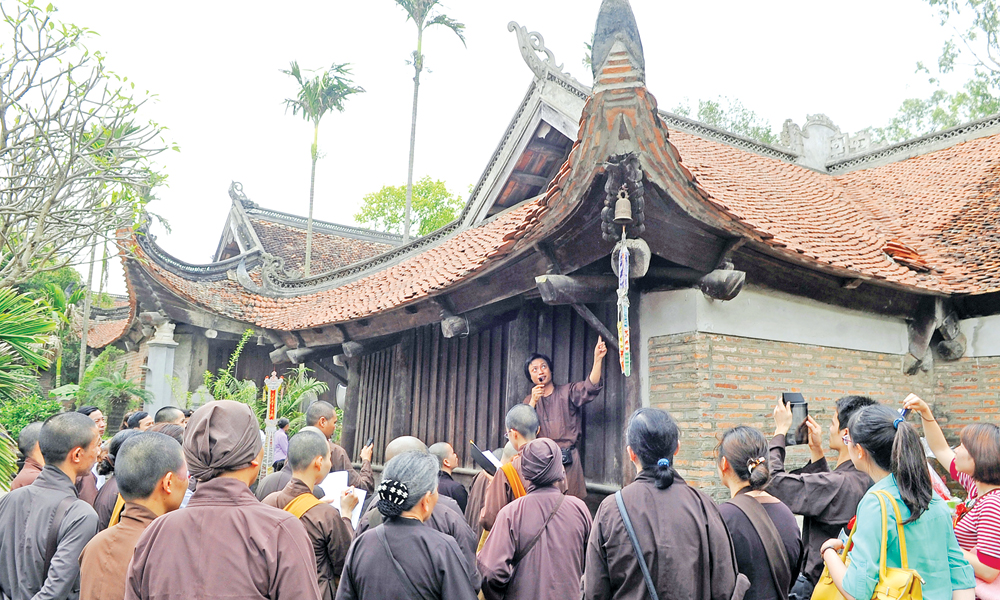
Visitors can also explore ancient communal houses, pagodas, village gates, or simply linger by the water’s edge beneath a venerable banyan tree by the river. The village’s unhurried rhythm offers moments of rare tranquility.
Today, Phu Lang Pottery Village is not only busy with shipments of goods but also lively with visitors from near and far, coming to discover the beauty of this ancient craft.
By collaborating with international projects, adopting clean technologies, and building a green craft village model, Phu Lang has succeeded in preserving traditional techniques while enhancing product value.
By linking pottery production with experiential and creative tourism, local workshops open their doors to visitors, inviting them to shape clay, form objects, and learn about traditional firing processes. Visitors live within the craft village space, feeling the rhythm of manual labour and the cultural stories behind each product.
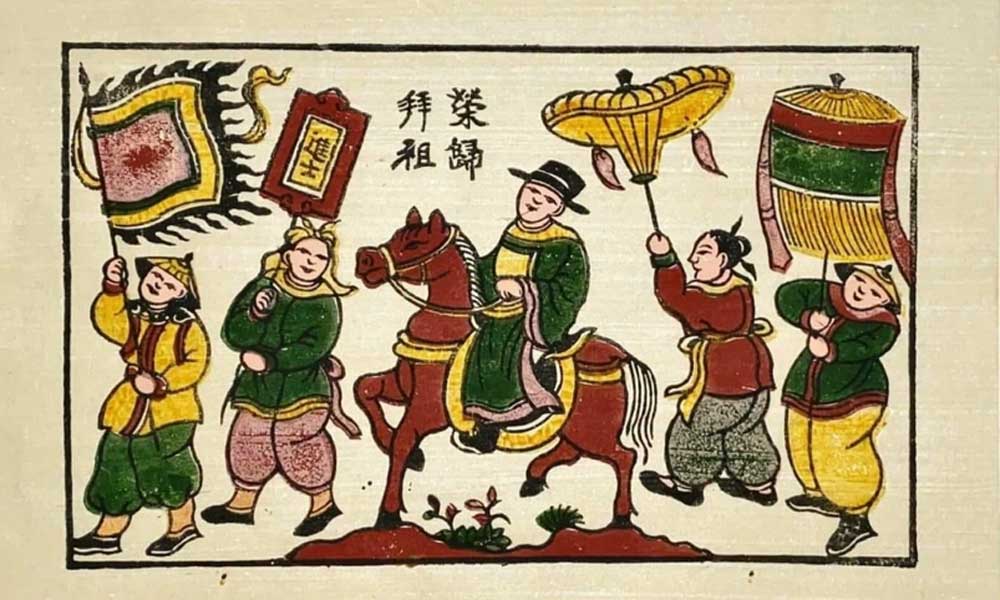
Since the folk woodblock printing craft of Dong Ho was recognised by UNESCO, the village has entered a period of significant opportunity for tourism development.
Exhibition houses, hands-on printing experiences, and heritage education activities for students and international visitors are gradually taking shape. As experiential and cultural tourism gain popularity, Dong Ho holds many advantages to become a distinctive destination.
Let’s visit Diem and Dong Ho to gain a deeper understanding of spiritual and cultural values. Let’s visit Tho Ha and Phu Lang to appreciate the customs and ways of life passed down through generations.
 |
|
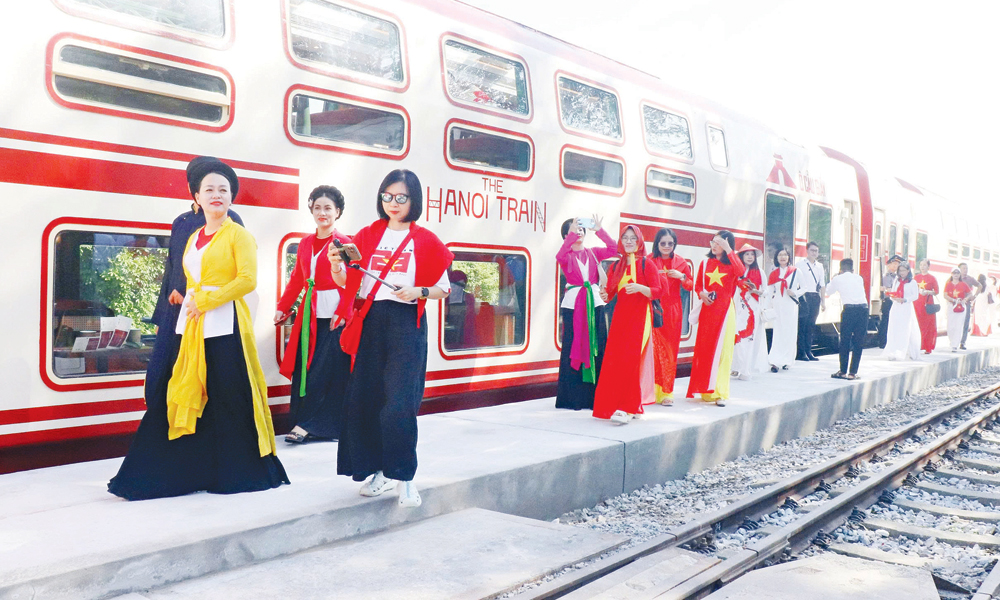
Tourists on the “Hanoi’s Five Ancient Gates” sightseeing train at Tu Son station. |
Developing tourism in tandem with preservation, safeguarding, and the promotion of original values is the key factor that will allow these villages to become compelling destinations - places where visitors can truly “touch” cultural depth and better understand the soul of the land and the people of Kinh Bac.
Nguyen Hai Phuong (50, Cau Giay ward, Hanoi) expressed her excitement after experiencing a tour of Bac Ninh’s ancient villages with friends. “I hope these villages will be integrated into a specific tour route, making it easier for more visitors to experience and explore,” she said.
In 2025, the tourism train journey “Hanoi – Five Ancient City Gates” left a strong impression by offering travelers a chance to explore the quan ho region, enjoy cheo (traditional opera), quan ho, and xam (ballads once sung by wandering blind musicians) performances on board, visit Do Temple, make Dong Ho folk paintings, and wrap Phu The (husband and wife) cakes in Tu Son.
We believe that before long, more such journeys will traverse the countryside of Bac Ninh. One of these routes will surely connect the beloved ancient villages of Diem – Tho Ha – Dong Ho – Phu Lang.














Reader's comments (0)