 Bắc Ninh


Hanoi culinary culture festival underway, honouring capital’s unique tastes
With the message of “listening to the stories of culinary heritage so that dining becomes a cultural experience,” the three-day annual festival seeks to link heritage with creative activities, develop cultural products from cuisine, and enhance the appeal of culinary heritage as a driver of the capital’s cultural industries.
The Hanoi Culinary Culture Festival 2025 opened on December 19 at Thong Nhat Park, honouring the cultural values of the capital’s cuisine while promoting the image of Hanoi as a city of elegance and refinement to domestic and international visitors.
 |
|
Visitors enjoy Hanoi food at a booth at the festival. |
With the message of “listening to the stories of culinary heritage so that dining becomes a cultural experience,” the three-day annual festival seeks to link heritage with creative activities, develop cultural products from cuisine, and enhance the appeal of culinary heritage as a driver of the capital’s cultural industries.
Speaking at the opening ceremony, Le Thi Anh Mai, Vice Director of the Hanoi Department of Culture and Sports, said the recognition of intangible cultural heritage not only honours historical, cultural and scientific values but also provides a legal basis and mobilises social resources to ensure the transmission, dissemination and adaptation of heritage to contemporary life.
Promoting traditional cuisine helps improve community livelihoods, create distinctive cultural tourism products and foster the sustainable development of cultural industries, she stated.
She underlined that Hanoi identifies cuisine as one of the key sectors.
Since 2014, the city has conducted an inventory of intangible cultural heritage, identifying hundreds of culinary heritages.
To date, seven culinary practices of Hanoi have been inscribed on the national list of intangible cultural heritage, including the craft of making Me Tri green rice flakes, Quang An lotus-scented tea, Phu Thuong steamed sticky rice, Thanh Tri steamed rice rolls, and the knowledge of preparing traditional feasts in Bat Trang.
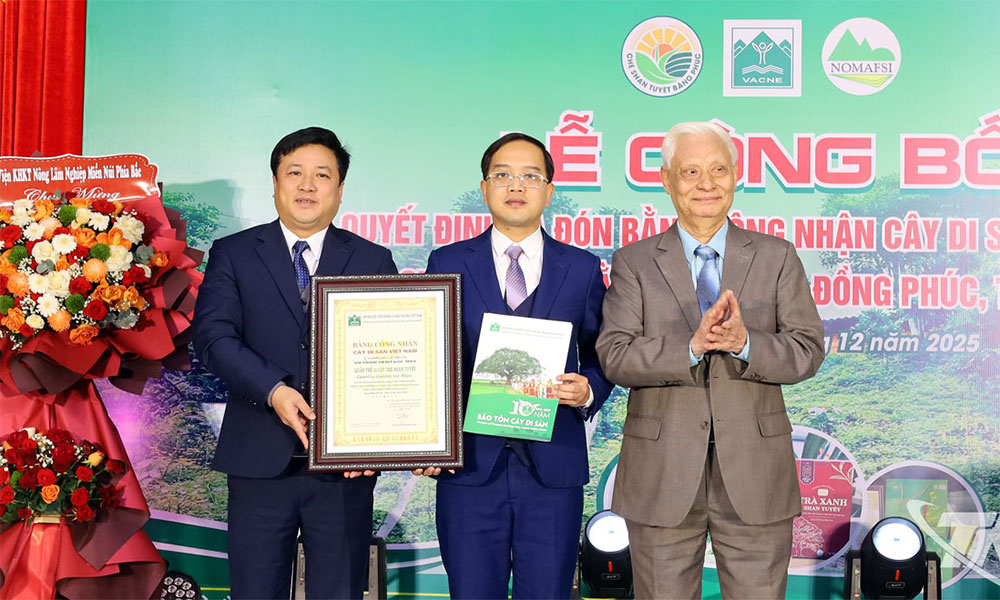
At the opening ceremony, the organising board announced the Ministry of Culture, Sports and Tourism’s decision to inscribe “the knowledge of preparing and enjoying “Cha ca La Vong” (La Vong grilled fish) on the national list of intangible cultural heritage.
The heritage has been preserved and passed down through six generations of the Doan family on today’s Cha Ca Street, becoming an iconic Hanoi’s culinary culture.
The festival provides a platform for culinary artisans to share their stories and connect with younger generations through a wide range of activities, including thematic seminars, artisan workshops, hands-on experiences for students, culinary sketch exchanges, and traditional and contemporary art performances.
Visitors can also enjoy exhibitions and live demonstrations of culinary heritage such as making “banh chung” (square sticky cake), preparing Bat Trang feasts, scenting West Lake lotus tea, making green rice flakes, Phu Thuong sticky rice, cold snail noodle soup, and traditional candied fruits.
Featuring around 60 booths showcasing Hanoi cuisine and specialties from other regions, the festival offers residents and visitors an opportunity to savour distinctive dishes, thereby celebrating traditional culinary heritage and reinforcing the “Hanoi cuisine” brand associated with elegance and sophistication.
With its theme “Hanoi – A Culinary Journey Connecting Creativity,” the Hanoi Culinary Culture Festival 2025 is a vibrant cultural destination at year’s end, contributing to the preservation and transmission of traditional culinary knowledge, encouraging creativity, and turning cuisine into an important resource for the development of Hanoi’s cultural industries.





Reader's comments (0)