 Bắc Ninh


Traceability emerges as protective shield for Vietnam’s exports
Traceability data are evolving into a critical layer of protection, helping exporters reduce tariff risks, shorten inspection times and strengthen proof of origin, thereby avoiding exclusion from formal distribution networks.
Product traceability is increasingly becoming a strategic safeguard for Vietnamese goods as global trade barriers shift towards stricter controls on origin, digital standards and supply-chain responsibility.
 |
|
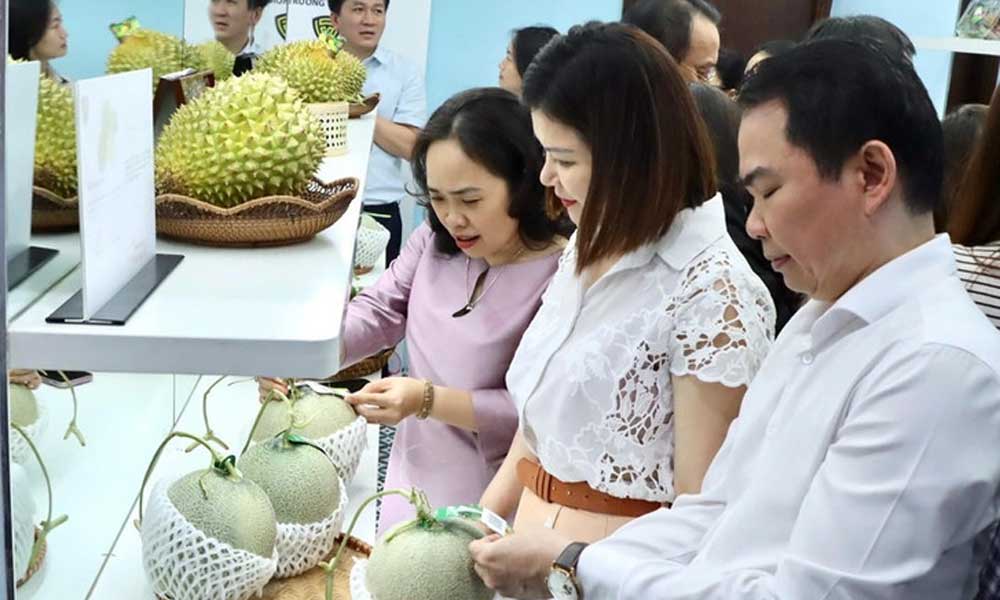
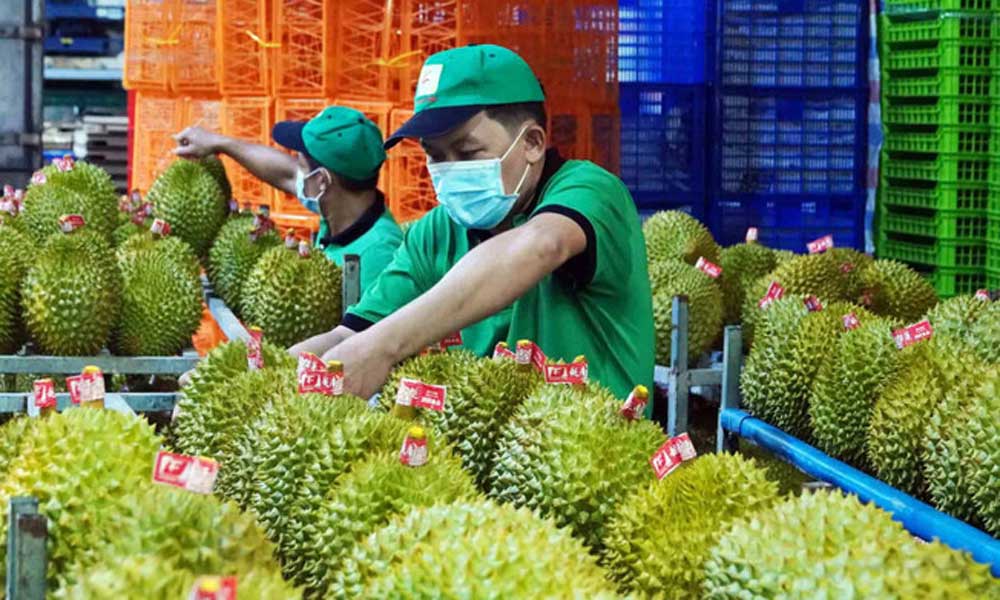
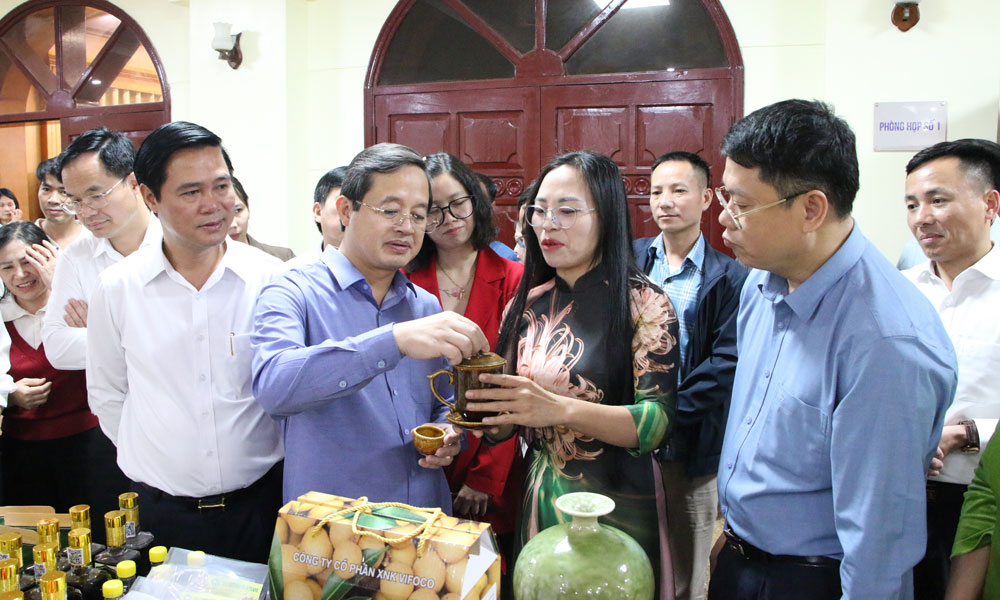
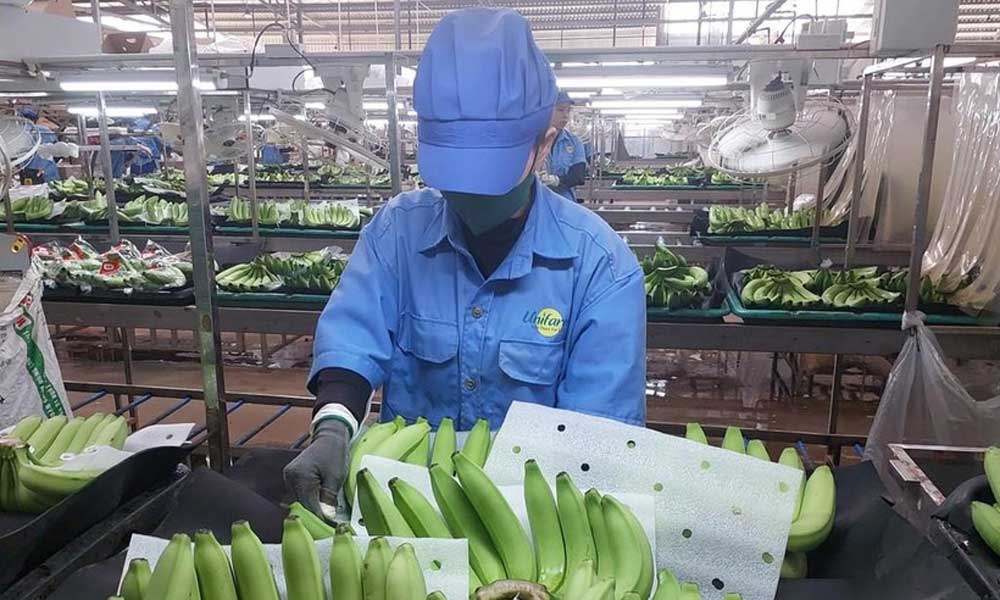
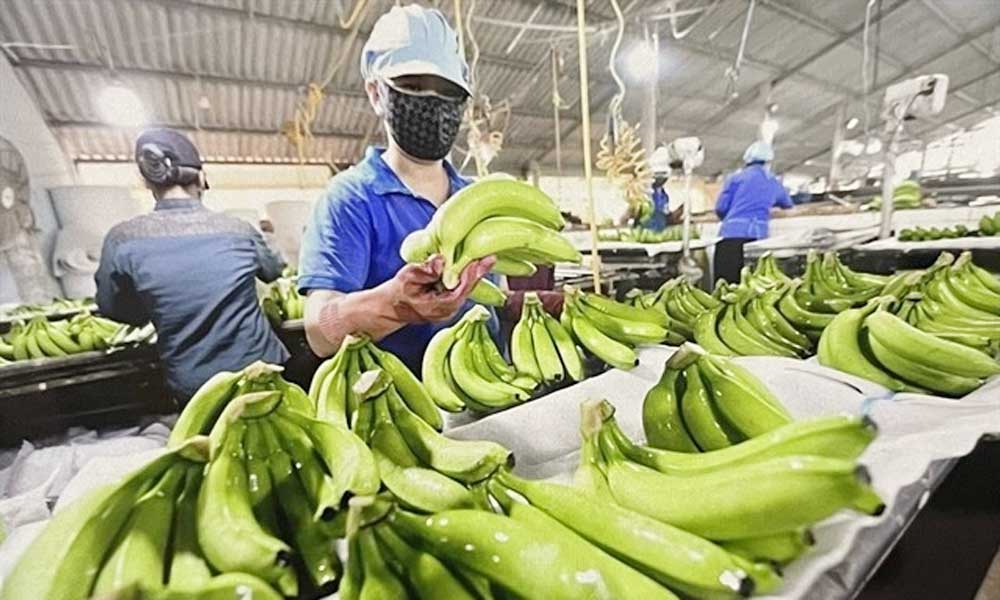
Fruit products displayed at the exhibition are equipped with QR codes for origin traceability. |
In this context, traceability data are evolving into a critical layer of protection, helping exporters reduce tariff risks, shorten inspection times and strengthen proof of origin, thereby avoiding exclusion from formal distribution networks.
Experts said the Ministry of Industry and Trade’s recent launch of the verigoods.vn platform demonstrates efforts to establish a unified data infrastructure, enabling enterprises to standardise product information before accessing international markets.
While traceability supports domestic authorities and consumers in verifying product authenticity, it plays an even more decisive role in global trade as a tariff defence tool and a source of evidence in trade-remedy investigations.
Economist Nguyen Minh Phong noted that traceability allows enterprises to establish legitimate product ownership, protect intellectual property and, most importantly, adapt to origin-based tariff barriers.
In major markets such as the United States, tariff rates can differ sharply depending on the ability to prove origin. Products with clear
Vietnamese origin may enjoy preferential rates, even zero tariffs, while those failing to provide sufficient proof can face duties of 40% or higher. Traceability, therefore, is no longer a technical add-on but a determining factor for market survival.
However, bottlenecks persist, stemming from limited awareness, cumbersome procedures and weak management capacity among many businesses.
Inadequate input data and incomplete record-keeping across production and distribution chains leave enterprises struggling when comprehensive traceability is required.
Traceability is also vital for maintaining consumer trust in Vietnamese brands. Products such as Phu Quoc fish sauce, Bac Ninh lychee and Hung Yen longan only retain high value when their origins are clearly verified.
Origin fraud not only damages brand reputation but also erodes the overall value of Vietnamese goods in international markets.
Recent progress has been recorded in public awareness and regulatory frameworks, particularly under free trade agreements.
Meanwhile, technologies such as blockchain offer secure, transparent and tamper-resistant data storage, reducing reliance on paper-based processes.
Still, many small and medium-sized enterprises lack the resources and digital capacity to sustain continuous data management.
Against this backdrop, the national traceability platform operated by the Ministry of Industry and Trade serves as a crucial starting point, allowing businesses to integrate declarations and obtain authentication codes on a shared system, thus lowering entry costs and minimising data fragmentation.
Analysts point out that the near-simultaneous launch of traceability platforms by the Ministry of Industry and Trade and the Ministry of Agriculture and Environment reflects a coordinated strategic move to protect domestic products, raise export standards and preserve market trust amid increasingly stringent global requirements.
Under the current roadmap, traceability will become mandatory for selected high-risk product groups from January 1, 2026, following a phased approach designed to avoid cost shocks, especially for small and medium-sized enterprises.
Overall, traceability is fast becoming the common language of modern agricultural trade. By digitising and standardising production chains, it strengthens market confidence, reduces risks and enhances the competitiveness of Vietnamese goods, positioning them more securely within global supply chains.



Reader's comments (0)