 Bắc Ninh


Vietnam, EFTA wrap up negotiations on free trade agreement
The conclusion of the negotiations will mark the beginning of a new phase of cooperation, laying a solid foundation for the promotion of trade and investment between the two sides, while also expanding collaboration in areas of mutual interest.
Vietnam and the European Free Trade Association (EFTA) have concluded negotiations on a free trade agreement (FTA), which is expected to open a new chapter in bilateral cooperation, creating a solid framework for promoting trade and investment, and expanding collaboration across sectors, the Vietnamese Ministry of Industry and Trade (MoIT) said.
 |
|
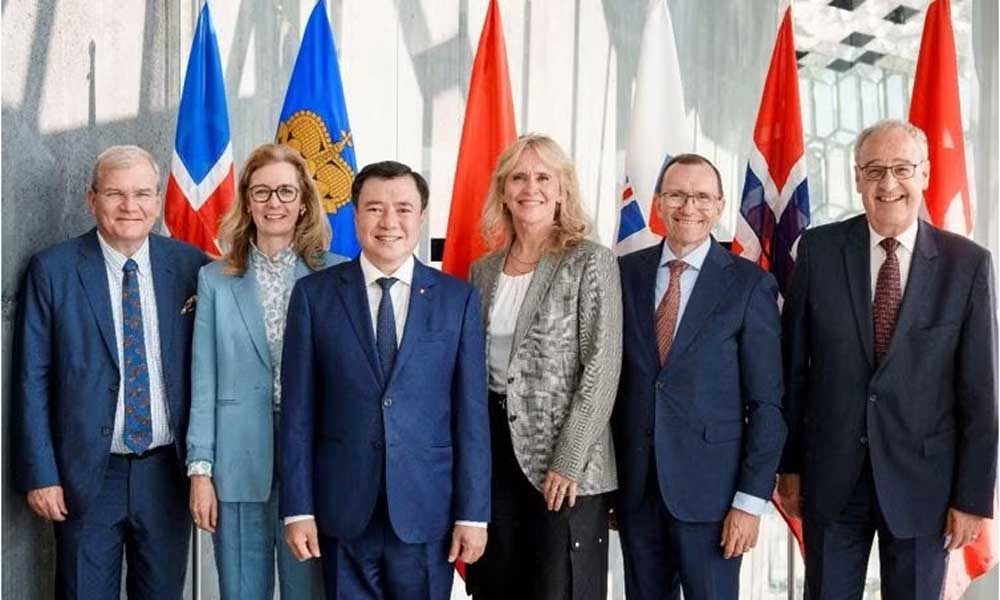
Deputy Minister of Industry and Trade Nguyen Sinh Nhat Tan (centre) and representatives of the European Free Trade Association (EFTA) member states attend the EFTA Ministerial Meeting in Iceland. |
On July 2, Vietnam and EFTA, comprising Iceland, Liechtenstein, Norway and Switzerland, issued a joint communiqué announcing the conclusion of the talks.
According to the joint communiqué, the announcement followed the EFTA Ministerial Meeting held in Reykjavík, Iceland, on June 22. Negotiation teams from both Vietnam and EFTA had held intensive technical talks in Reykjavík in the week leading up to the Ministerial-level discussions.
The Ministerial-level discussions involved Þorgerður Katrín Gunnarsdóttir, Minister for Foreign Affairs of Iceland, Espen Barth Eide, Minister of Foreign Affairs of Norway, Sabine Monauni, Deputy Prime Minister and Minister of Foreign Affairs of Liechtenstein, Guy Parmelin, President and Head of the Federal Department of Economic Affairs, Education and Research of Switzerland, and Nguyen Sinh Nhat Tan, Deputy Minister of Industry and Trade of Vietnam.
Negotiations on the EFTA–Vietnam FTA were relaunched on September 8, 2025 in Geneva and took place over five rounds.
The FTA is a comprehensive and modern agreement that covers numerous areas, including trade in goods, trade in services, rules of origin, sanitary and phytosanitary measures, technical barriers to trade, investment, intellectual property rights, trade remedies, government procurement, trade and sustainable development, small and medium-sized enterprises, and cooperation and capacity building.
The agreement aims to enhance trade relations between Vietnam and the EFTA states by eliminating or reducing customs duties, facilitating trade, and promoting sustainable development.
Speaking at the EFTA Ministerial Meeting in his capacity as the EFTA spokesperson for the FTA negotiations with Vietnam, Espen Barth Eide thanked all parties for their efforts.
“At a time of global uncertainty, strengthening ties with trusted trade partners is more important than ever. I am pleased that we have reached an ambitious and forward-looking free trade agreement that will significantly improve market access for goods and services, while also strengthening cooperation in areas such as trade and sustainable development and intellectual property rights. By ensuring more predictable conditions, I am confident that the EFTA–Vietnam agreement will open up new commercial opportunities for businesses across the EFTA states and Vietnam.”
For his part, Tan also emphasised the importance of this agreement for Vietnam, saying it carries particular significance as it connects economies with highly complementary strengths.
On the one side are the EFTA states, global leaders in innovation, technology, finance, clean energy and sustainable development; and on the other is Vietnam, one of Asia’s most dynamic economies and an emerging regional hub for manufacturing, trade and investment.
"More importantly, the agreement establishes a foundation for elevating economic relations between Vietnam and the EFTA states to a new stage of development. With its comprehensive and high-standard commitments, the agreement will help create a stable, transparent and predictable business environment, further facilitating the flow of trade, investment, technology and knowledge between the two sides."
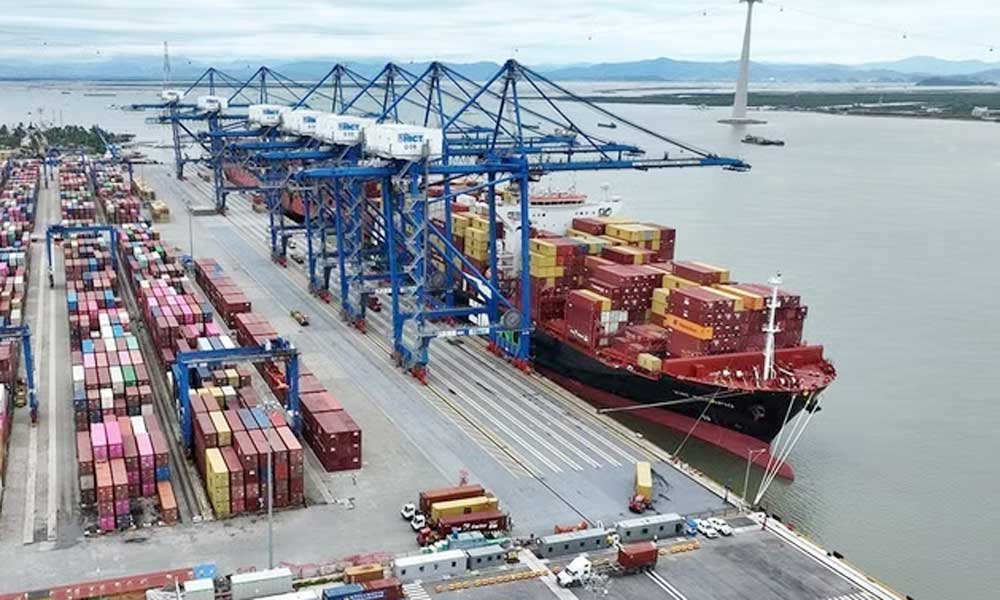
Over the past decade, trade between Vietnam and the EFTA states has grown steadily. In 2025, the figure amounted to 4.8 billion EUR (5.5 billion USD) and the trade surplus in favour of Vietnam reached 2.5 billion EUR, up from 0.5 billion EUR a decade earlier (noting that the Swiss figures exclude trade in gold).
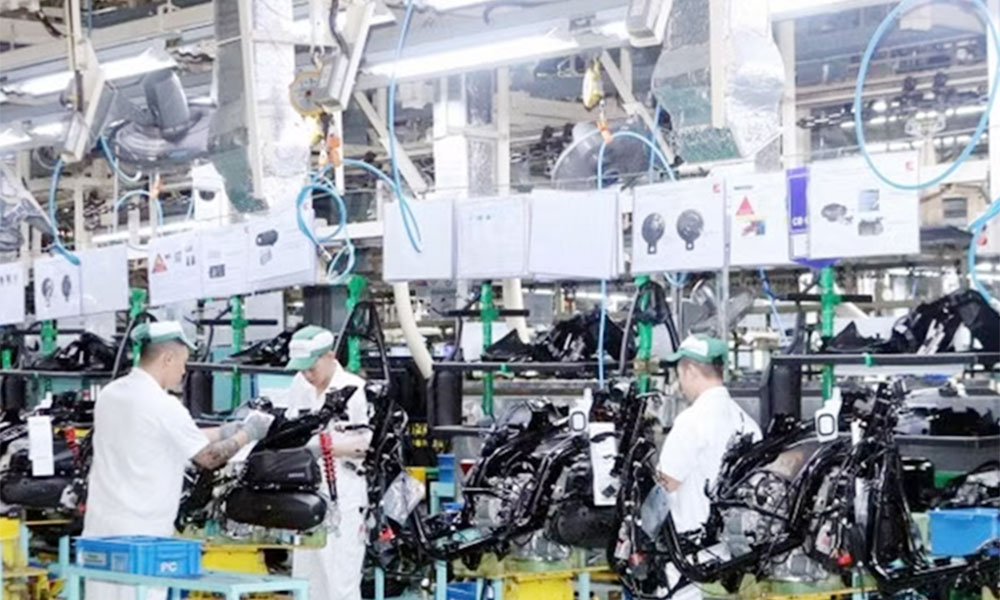
Electrical machinery, fish, pharmaceutical products and mechanical machinery were the EFTA states’ top exports to Vietnam in 2025, while electrical machinery, footwear and apparel, and mechanical machinery were the top imports.
These import categories recorded particularly strong growth over the last ten years, with annual average growth rates exceeding 10% in all cases.
The conclusion of the negotiations will mark the beginning of a new phase of cooperation, laying a solid foundation for the promotion of trade and investment between the two sides, while also expanding collaboration in areas of mutual interest.

Reader's comments (0)