 Bắc Ninh


Vietnam targets annual health screening for all students by 2030
By 2030, all educational institutions are expected to have separate medical rooms equipped with essential medicines and healthcare equipment, adequate access to safe drinking water and sanitation facilities, and school meal services that comply with food safety regulations.
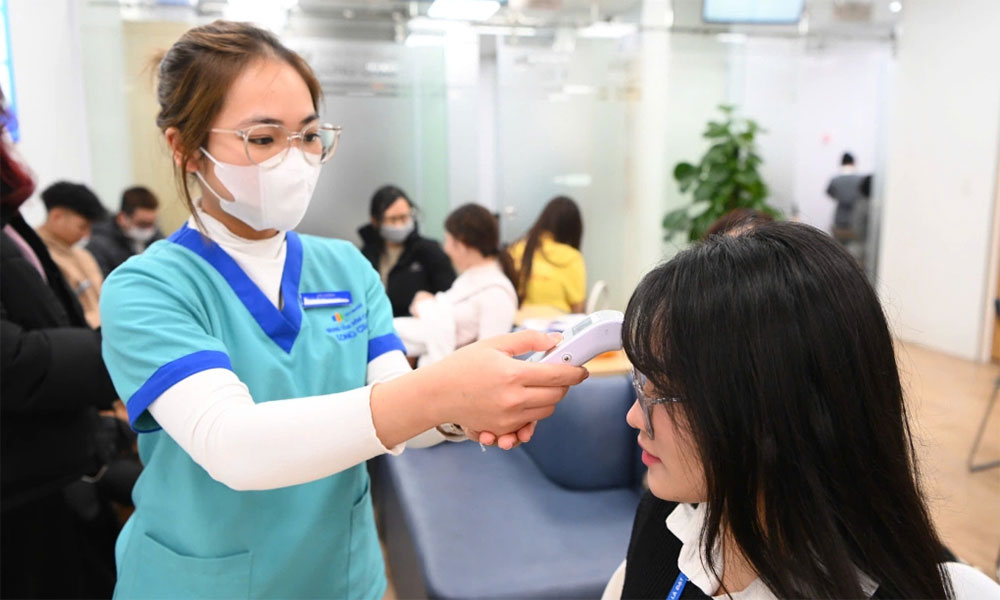
Vietnam aims to ensure that all children, pupils and students nationwide undergo a health check-up or disease screening at least once a year by 2030 under a newly approved School Health Programme for 2026–2035.
 |
|
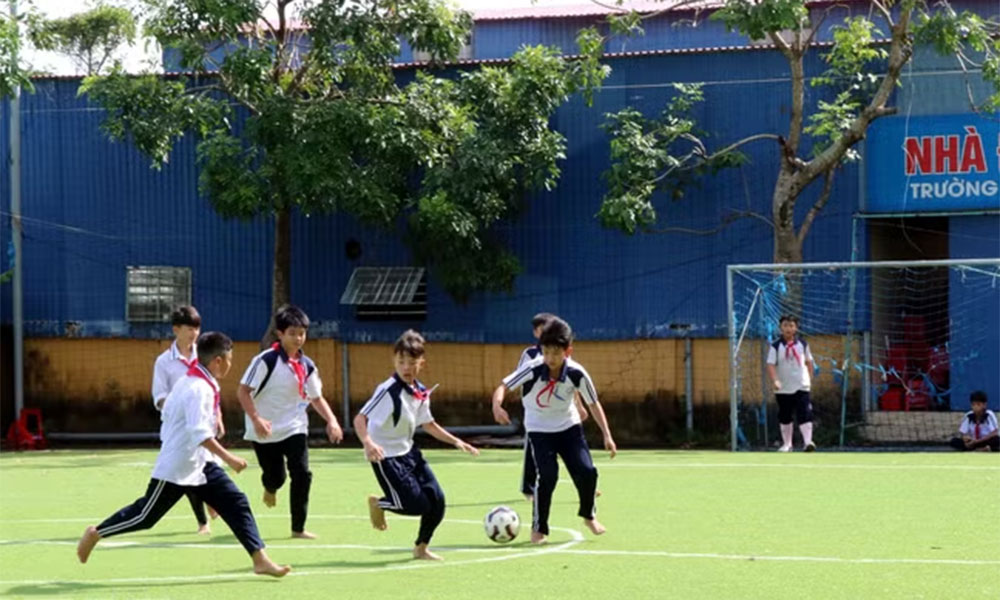
Students play football during a break atthe Hai Xuan Secondary School in Ninh Binh province. |
The programme, recently signed off by Deputy Prime Minister Le Tien Chau, sets out an ambitious roadmap to improve healthcare services and health management across the education system.
It covers learners at all levels, from preschool to higher education and vocational training institutions. This is part of efforts to carry out breakthrough measures to develop education – training and enhance public health protection, care and improvement.
Accordingly, students’ health information will be updated and managed through electronic health records connected to the national residents database.
During the 2026–2030 period, Vietnam also targets having dedicated school health personnel in 60% of public preschool and general education institutions while ensuring that all universities, colleges, boarding and semi-boarding schools for ethnic minority students, vocational schools and institutions serving students with disabilities employ full-time health staff meeting professional standards.
In addition, all educational institutions are expected to have separate medical rooms equipped with essential medicines and healthcare equipment, adequate access to safe drinking water and sanitation facilities, and school meal services that comply with food safety regulations.
The programme further calls for all institutions to monitor and assess students’ nutritional status, while at least 80% of schools are expected to provide standard sanitation facilities accessible to persons with disabilities.
The initiative also places emphasis on health communication and education, with all schools required to organise activities promoting healthcare, nutrition and mental health awareness.
For the 2031–2035 period, the Government aims to consolidate the achievements of the previous phase and fulfill all targets related to human resources and infrastructure, ensuring that educational facilities are fully equipped to meet the needs of all learners, including those with disabilities.
To achieve these goals, the programme outlines six major groups of measures, including improving the legal and policy framework on school health, expanding the school healthcare workforce, upgrading facilities and equipment, promoting health education and communication, accelerating digital transformation, and strengthening inter-sectoral coordination while mobilising social resources for implementation.




























Reader's comments (0)