 Bắc Ninh


Vietnamese, Japanese PMs meet with press after talks
PM Le Minh Hung affirmed PM Takaichi’s first official visit to Vietnam as an important milestone that will generate new momentum and open up fresh opportunities for bilateral ties
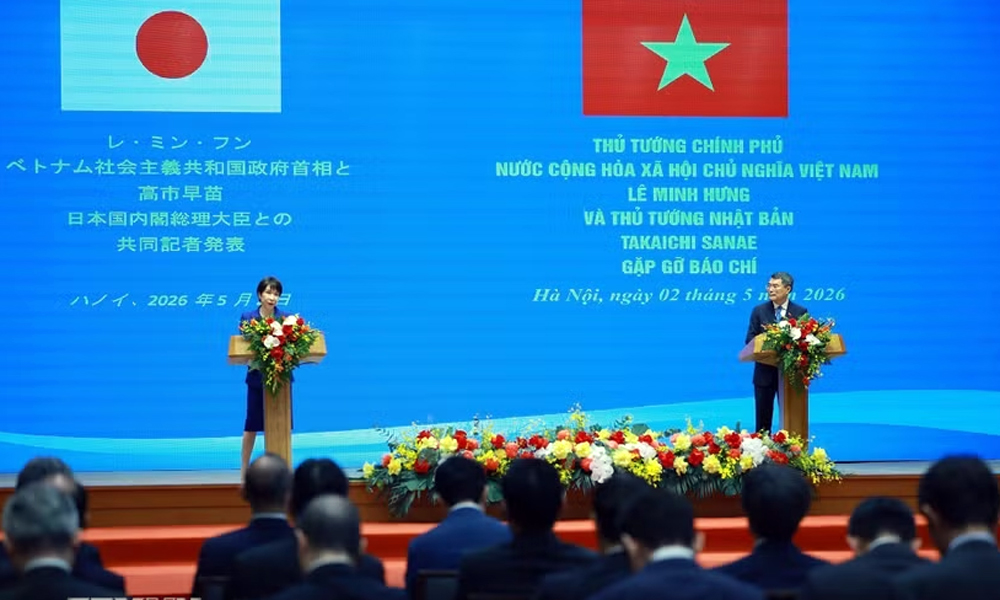
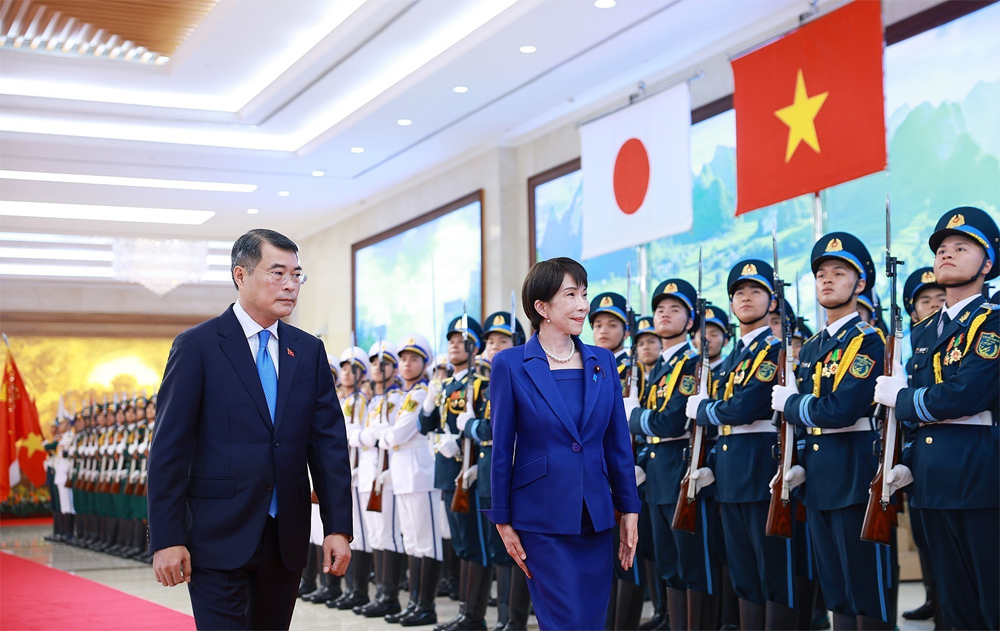
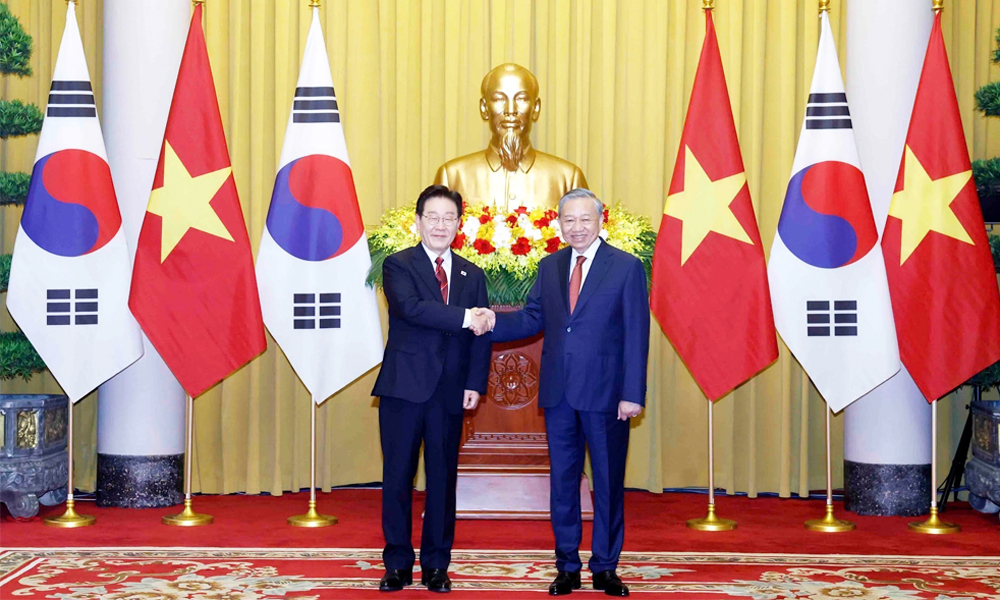
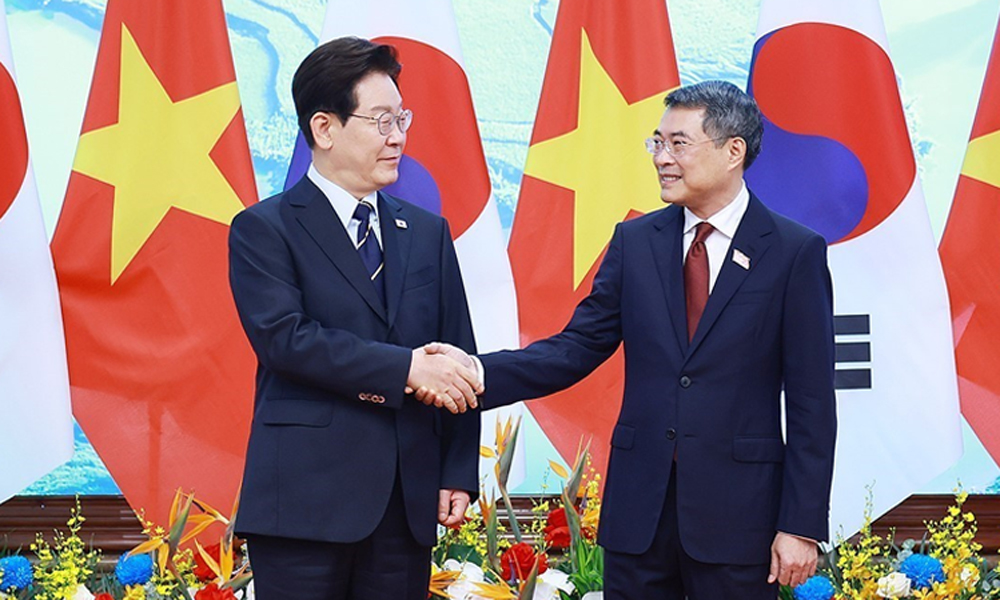
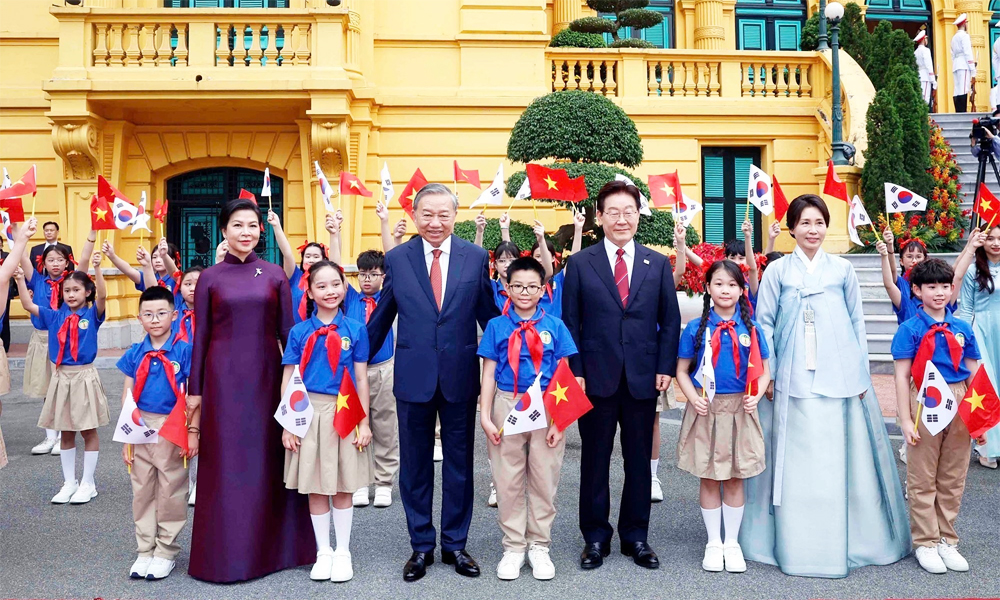
Prime Minister Le Minh Hung and his Japanese counterpart Takaichi Sanae witnessed the exchange of cooperation agreements between the two countries and met with the press to announce the outcomes of their talks in Hanoi on May 2.
 |
|
Prime Minister Le Minh Hung (R) and his Japanese counterpart Takaichi Sanae at the press briefing. |
PM Hung affirmed PM Takaichi’s first official visit to Vietnam as an important milestone that will generate new momentum and open up fresh opportunities for bilateral ties.
The trip also marked a reunion of close friends committed to continuing and deepening a relationship that has been nurtured for more than 13 centuries.
Japan has become Vietnam’s comprehensive strategic partner, ranking first in official development assistance (ODA) supply and labour cooperation, third in investment, and fourth in trade.
Last year, ODA flows rose by over 600 million USD, while two-way trade topped 50 billion USD for the first time, and investment rose by nearly 4 billion USD with close to 300 new projects.
Dozens of joint projects in sci-tech, semiconductors, digital transformation, green transition, renewable energy, and space are progressing.
As part of the visit, the two sides signed six key agreements covering space technology, information and communications, irrigation, disaster-resilient infrastructure, climate change adaptation and low-carbon growth, he said, adding that the approval of a priority list for cooperation in sci-tech, innovation, digital transformation and economic security lays a solid foundation to launch concrete projects in the coming time.
On the results of the talks, the Vietnamese leader said both sides agreed on major orientations to elevate the Vietnam-Japan Comprehensive Strategic Partnership to a new stage of development.
These include bolstering political trust through expanded substantive cooperation in national defence-security and diplomacy; maintaining ministerial-level mechanisms in foreign affairs, trade, industry, energy and sci-tech; and continuing the 2+2 Diplomacy - Defence Dialogue at the Deputy Ministerial level.
The two countries pledged to effectively follow existing national defence- security agreements and enhance collaboration in maritime law enforcement, post-war remediation, cybersecurity, United Nations peacekeeping and the fight against transnational crime.
At the same time, both nations will expand economic cooperation, including in economic security, energy security and sustainable agriculture.
They set targets to lift Japanese investment in Vietnam to 5 billion USD annually and two-way trade to 60 billion USD by 2030. Japan is encouraged to pursue hi-tech investments with technology transfer, while Vietnamese firms will receive support to do business in Japan and engage in Japanese Government-funded projects.
Both sides will also work to improve market access for agricultural products.
The two countries will further broaden ODA cooperation to bolster economic and food security, diversify supply chains and strengthen energy security, thereby enhancing strategic autonomy for each side.
According to the Vietnamese PM, both sides also committed to advancing practical cooperation in sci-tech, green transition, digital transformation, artificial intelligence and semiconductors, with emphasis on developing a quality workforce and joint research in semiconductors, AI and space technology.
They agreed to convene the meeting of the Vietnam-Japan Joint Committee on Science and Technology Cooperation this year, public-private dialogues on high technology, and quickly launch projects under the POWERR ASIA2 Initiative to support energy self-reliance across Asian countries.
PM Hung welcomed the launch of 15 jointly funded Vietnam–Japan semiconductor research projects under the NEXUS³ programme, while expressing appreciation for Japan’s support in rolling out the one-million-hectare low-emission, high-quality rice initiative in the Mekong Delta.
Both sides agreed to deepen human resource connectivity and expand people-to-people exchanges through stronger locality-to-locality cooperation, as well as collaboration in labour, healthcare, culture and tourism, and closer coordination and mutual backing at regional and global forums on shared concern.
The two sides shared the view on the importance of settling East Sea disputes through peaceful means in line with international law, particularly the 1982 UN Convention on the Law of the Sea (UNCLOS).
PM Hung reiterated Vietnam’s backing for Japan’s regional initiatives, including the Free and Open Indo-Pacific (FOIP), in alignment with the ASEAN Outlook on the Indo-Pacific (AOIP) and international law, contributing to regional and global peace, stability and development.
Japanese PM Takaichi, for her part, congratulated her Vietnamese counterpart on his election as head of government. She affirmed Japan’s commitment to stepping up cooperation with Vietnam in a new development phase, building on the Comprehensive Strategic Partnership.
Praising Vietnam’s strong growth in recent years, PM Takaichi highlighted the country’s growing role in global supply chains, noting increased investment from Japanese businesses.
She added that enhancing ties with Vietnam is important to advancing the FOIP vision, given the country’s focus on strategic autonomy and proactive foreign policy.
 |
|
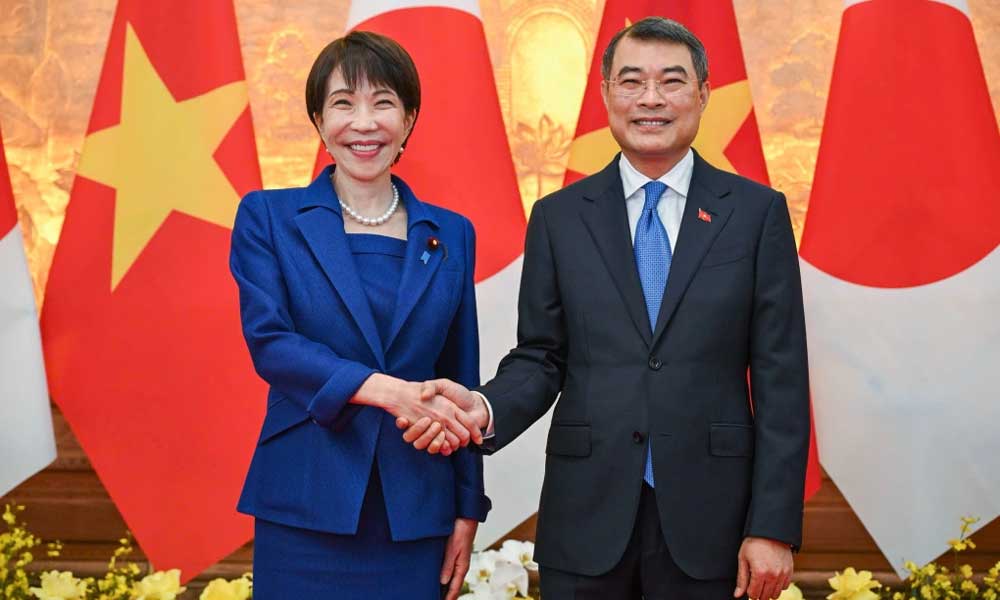
Prime Minister Le Minh Hung and his Japanese counterpart Takaichi Sanae. |
During their talks, the two sides agreed to expand cooperation towards a stronger and more prosperous Japan, Vietnam and Indo-Pacific region, while identifying new priority areas such as economic security, covering energy, critical minerals, artificial intelligence, semiconductors and space, and concretising security collaboration to safeguard regional peace and stability.
They also exchanged views on regional and international issues of common interest, underscoring the need to strategically expand the Comprehensive and Progressive Agreement for Trans-Pacific Partnership (CPTPP) while upholding its high standards.
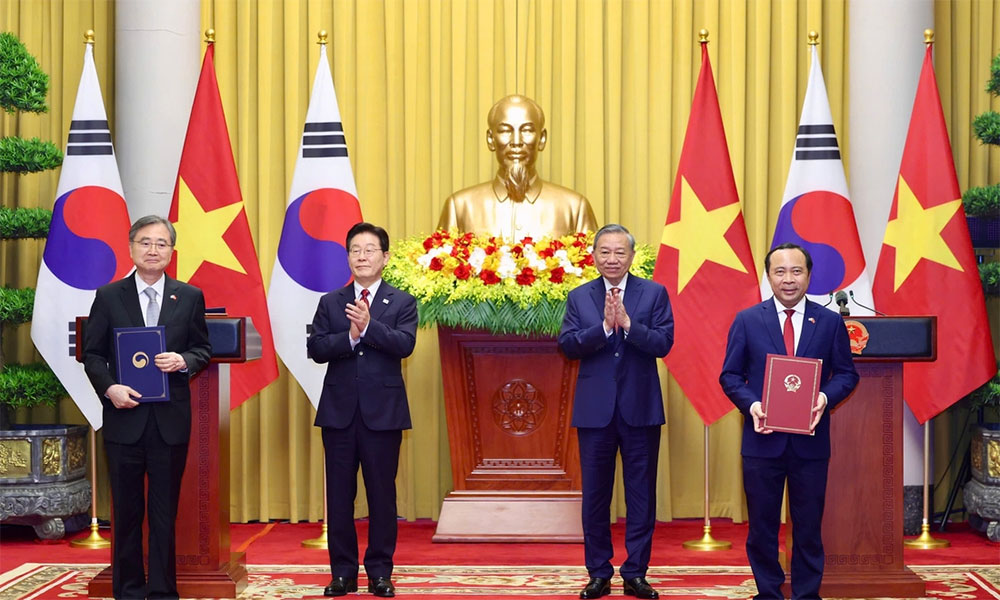
Earlier, in the presence of the two prime ministers, ministries, agencies and localities of the two countries exchanged six cooperation documents.
These included loan agreements between the Vietnamese Government and the Japan International Cooperation Agency (JICA) for a disaster-resilient rural development project and a climate-resilient infrastructure project supporting production for ethnic minority communities in northern mountainous provinces; a memorandum of cooperation on low-carbon growth under the Joint Crediting Mechanism (JCM); an MoU on irrigation technology and technical exchange; an MoU on information and communications technology (ICT) and digital transformation; and an amended agreement on satellite data sharing between the Vietnam National Space Centre and the Japan Aerospace Exploration Agency (JAXA).

Reader's comments (0)