 Bắc Ninh


Bac Ninh leads Vietnam in digital economy
BAC NINH - Bac Ninh has emerged as Vietnam’s leading locality in digital economy development, with the sector accounting for 46.4% of its gross regional domestic product (GRDP), more than three times the national average, underscoring its growing role as a driver of economic growth.
Digital transformation is increasingly visible across the northern industrial hub, from factories in industrial parks and digital banking to cashless payments, automated warehouses and agricultural production models using blockchain technology.
 |
|
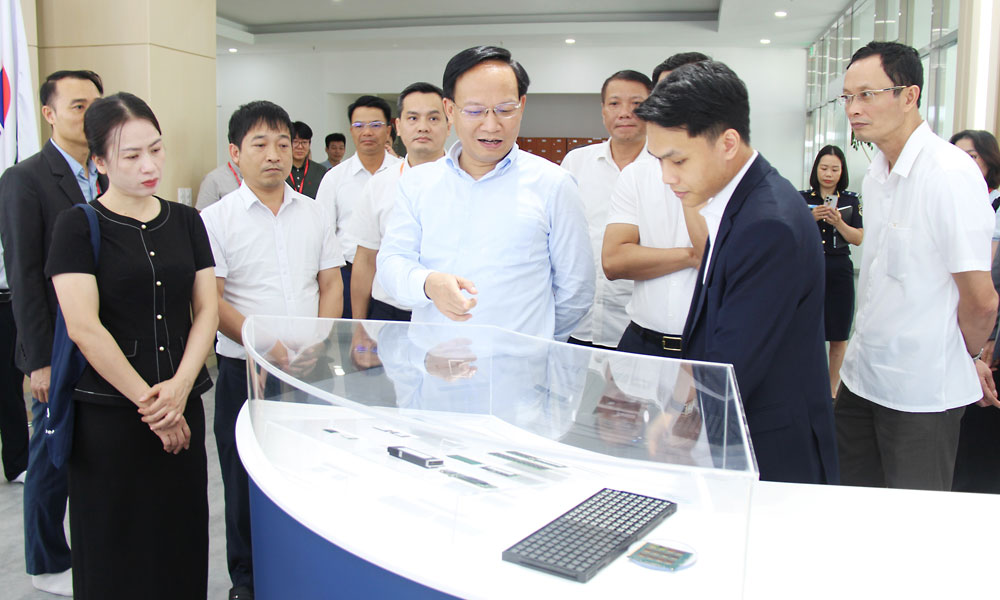
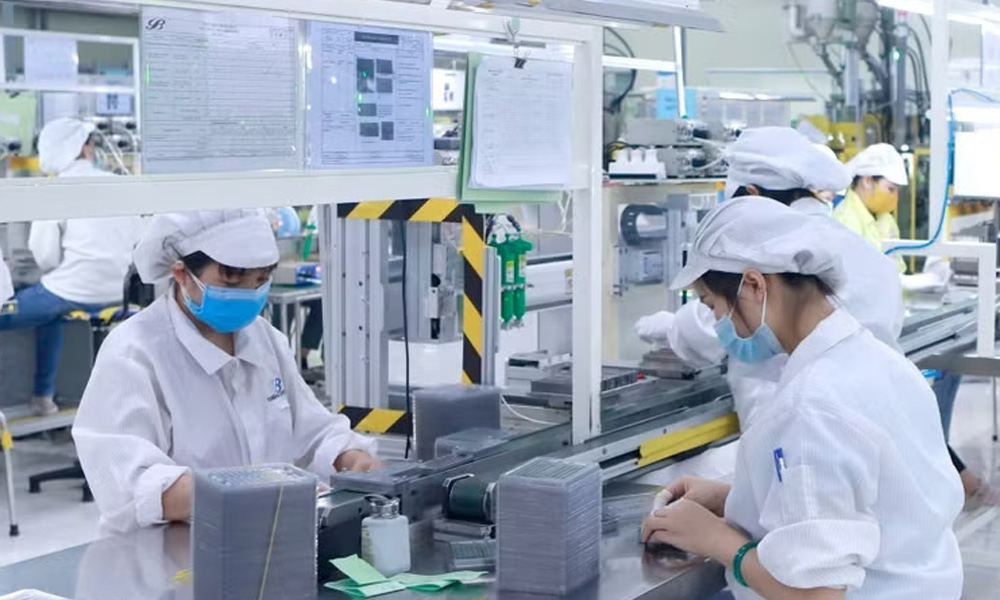
Pham Van Thinh, Member of the Municipal Party Committee Standing Board and Vice Chairman of the municipal People's Committee, visits semiconductor products at Hana Micron Vina Co. Ltd. in Van Trung Industrial Park. |
Electronics industry drives digital economy
Vietnam’s digital economy was valued at approximately 72.1 billion USD in 2025, accounting for 14.02% of national GRDP.
Bac Ninh topped the country with a digital economy share of 46.4%, significantly ahead of other leading localities, including Hanoi, Hai Phong, Phu Tho and Thai Nguyen, where the figure ranged from 17.3% to 29.5%.
The core digital economy sectors, particularly electronics manufacturing and information technology, accounted for more than 94% of Bac Ninh’s digital economy, making them the principal engines of growth.
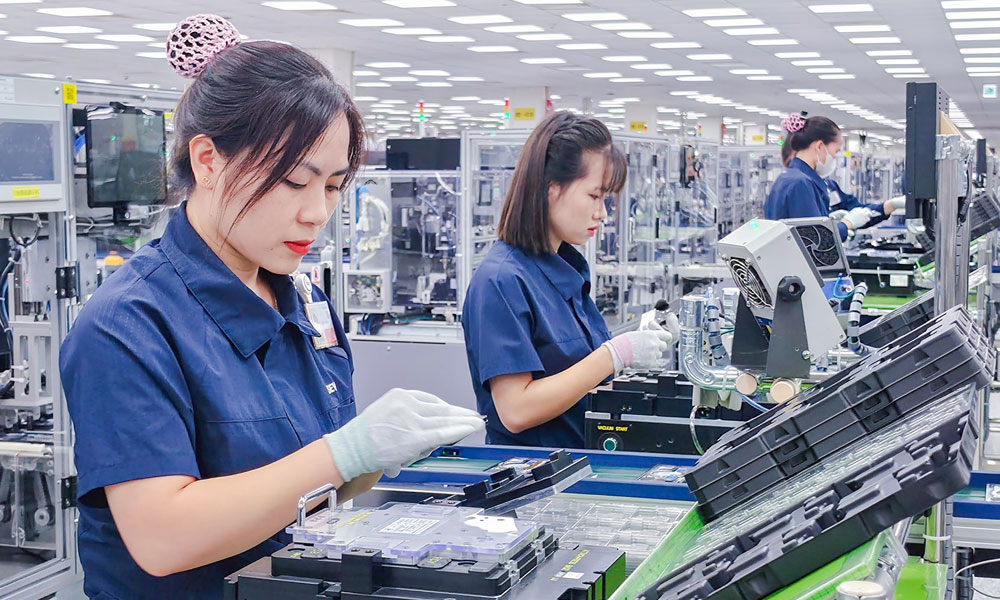
More than 1,300 electronics companies have contributed to this performance. Major global manufacturers, including Samsung, Canon, Amkor, Goertek, MCC, Foxconn and Luxshare, have continued to expand their operations, strengthening the city’s position in the electronics and technology supply chains.
In the first nine months of 2026, the value of production in this sector rose nearly 29% year on year. Key high-value products, including smartphones, watches, integrated circuits, laptops and notebooks, recorded strong growth.
Bac Ninh is also moving towards higher-value manufacturing as major semiconductor projects accelerate production.
Among the notable investments is Amkor Technology’s 1.6 billion USD project at Yen Phong II-C Industrial Park, specialising in advanced semiconductor testing and packaging.
Hana Micron Vina operates two factories at Van Trung and Yen Phong I industrial parks, with combined investment of nearly 700 million USD, focusing on semiconductor and integrated circuit production and processing.
Meanwhile, Micro Commercial Components Vietnam has invested more than 200 million USD in semiconductor equipment manufacturing at Yen Phong II-C Industrial Park.
The city currently hosts more than 30 projects in semiconductors, semiconductor materials and supporting equipment and component manufacturing, with total registered capital exceeding 2.742 billion USD.
Domestic businesses are also playing an increasingly active role. More than 25,000 private enterprises across the city have invested in digital technologies, automation and artificial intelligence (AI) to improve production and management.
Digital transformation spreads to services and agriculture
Digitalisation is extending beyond manufacturing into services, logistics, commerce and agriculture, fundamentally changing how businesses operate.
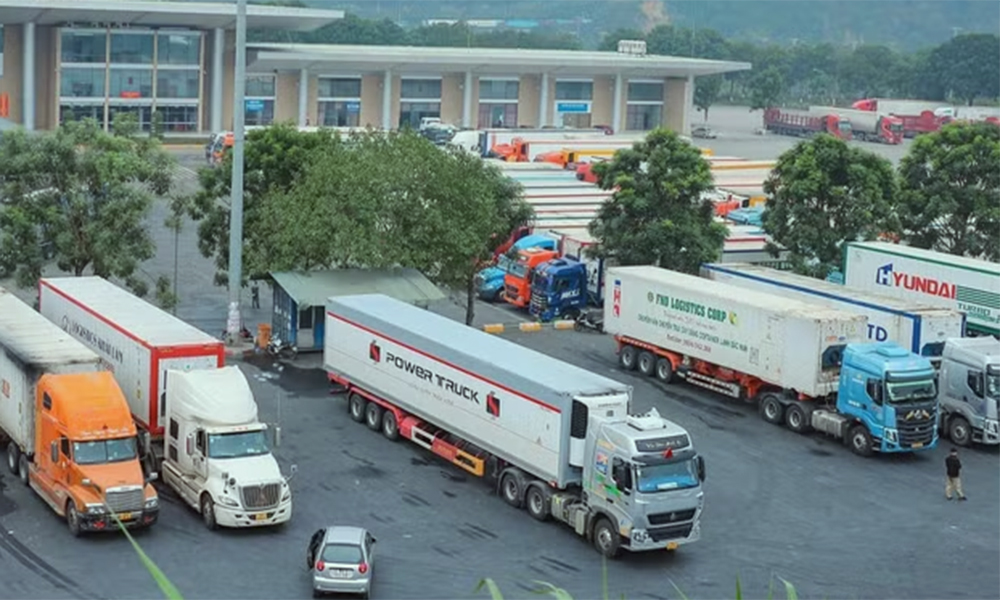
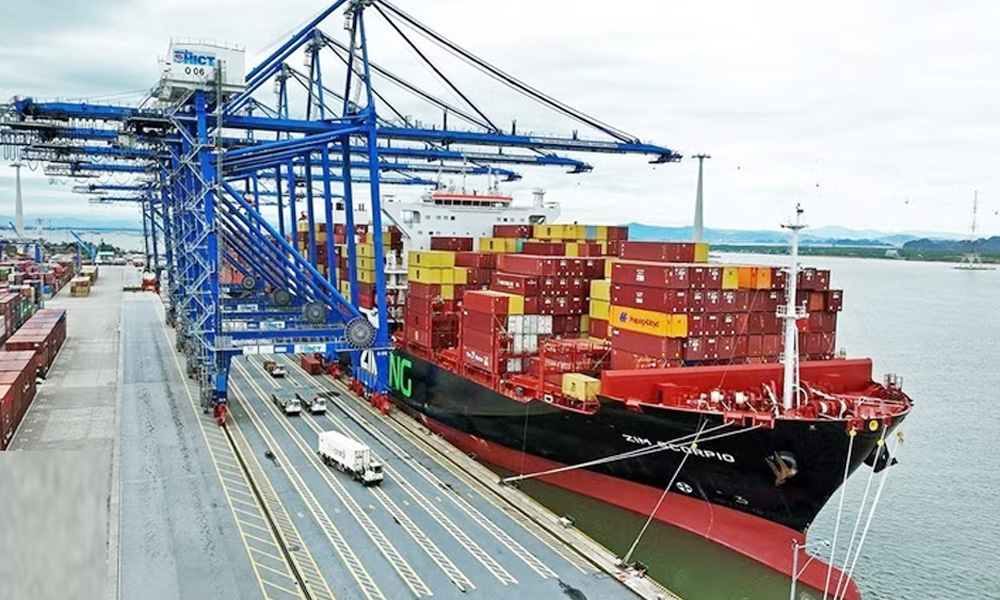
The development of digital logistics networks is a notable example. At Tan Cang Que Vo Inland Container Depot (ICD) and the International Logistics Centre, traditional paper-based procedures have largely been replaced by electronic delivery orders (eDO) and smart gate systems.
Warehouse Management Systems (WMS), integrated with electronic customs platforms, allow declarations to be verified remotely and facilitate the smooth handling of millions of components each day for major manufacturers such as Samsung, Foxconn and Canon.
E-commerce is another important growth driver.
Nguyen The Thi, Deputy Director of the municipal Department of Industry and Trade, said the department was working to develop a business-centred e-commerce ecosystem, prioritising support for small and medium-sized enterprises and One Commune One Product (OCOP) businesses in adopting digital platforms and building their brands.
The department is also promoting the application of AI, big data and blockchain in commercial activities, he said.
 |
|
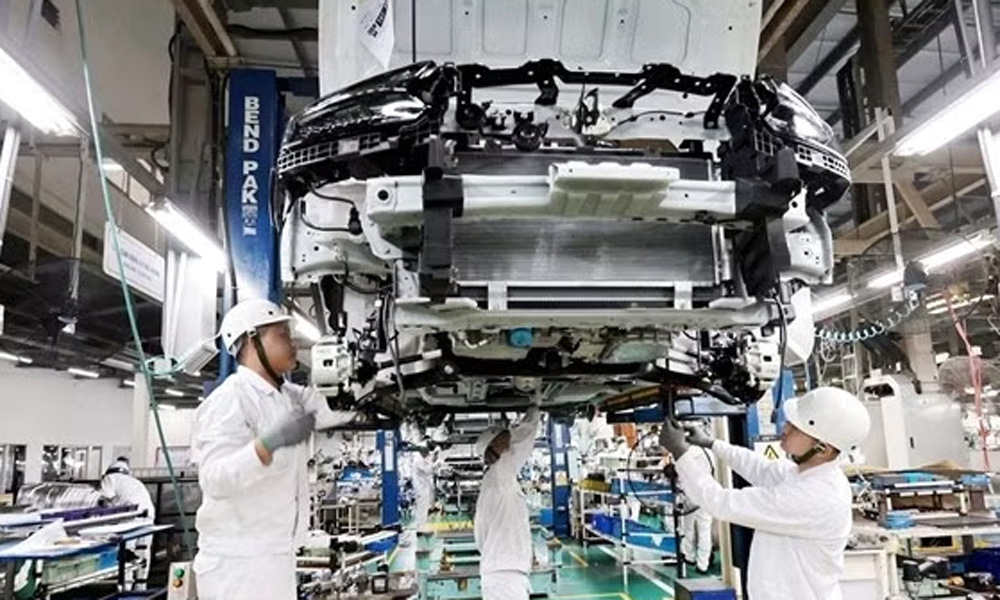
Mobile phone production at Samsung Electronics Vietnam Co. Ltd. in Yen Phong Industrial Park. |
The "Market 4.0 – Cashless Payments" model has been rolled out across most traditional markets and shopping centres. Cashless transactions now account for approximately 80% of total transactions in the city, supported by more than 7.3 million bank accounts.
Digital services are helping remove geographical barriers and establish more direct links between producers and consumers.
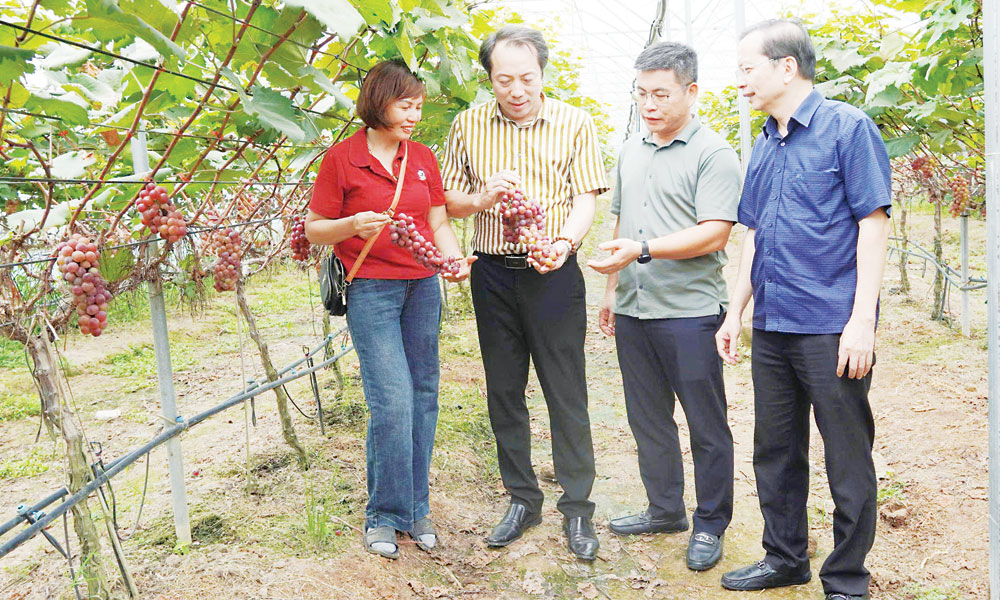
In agriculture, digital technologies are being used for production management, product traceability, marketing and distribution, helping farmers increase the value of their products and strengthen brand recognition.
One example is a 1.5-hectare organic lychee farm operated by Vu Van Men's household in Kien Lao commune. The farm uses smartphones to maintain digital cultivation records, applies blockchain technology and has obtained Global Trade Item Number (GTIN) identification codes.
Men said the farm produced three to four tonnes of lychees in the 2026 harvest. Blockchain-based traceability enabled exporters and supermarkets to approach the farm directly, offering prices about 20% higher than those under traditional production methods.
The entire harvest was contracted for export to Japan and European markets through reputable businesses.
Nguyen Phuong Bac, Former Director of the Bac Ninh Institute for Socio-Economic Development Studies, said the 46.4% figure reflected the city's forward-looking strategy of using high technology to gain an early advantage in economic development.
Bac Ninh had made significant progress in building up its hardware manufacturing capacity, he said. However, as a newly established centrally governed city, it now needs to move beyond contract manufacturing and participate more deeply in higher-value stages of global supply chains.
This transition will be crucial to sustaining growth and strengthening the city's position as a high-tech industrial and digital economy hub.
















Reader's comments (0)