 Bắc Ninh


Bac Ninh reaps sweet rewards from custard apple orchards
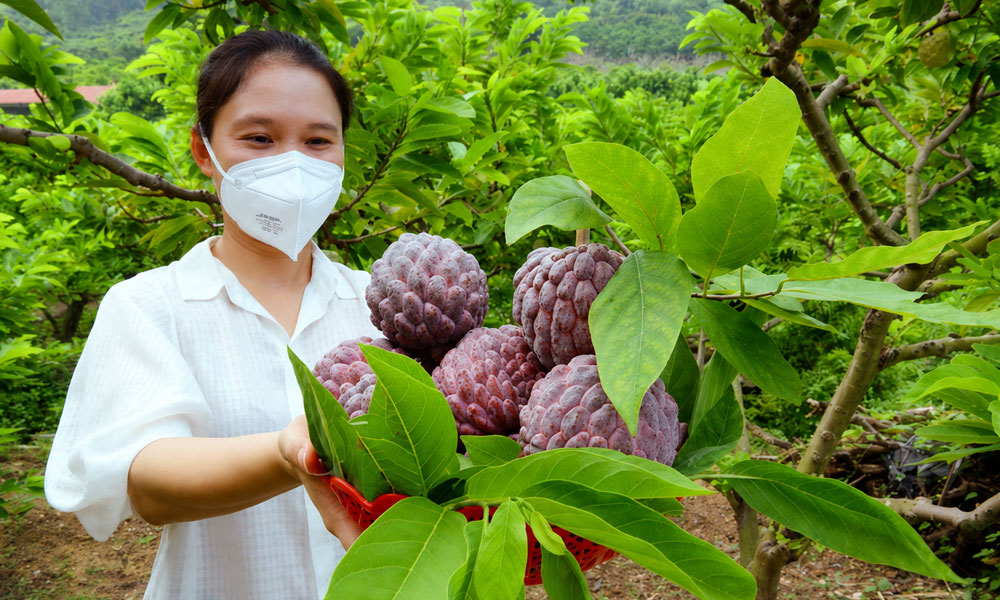
For decades, custard apple has been a key crop and a stable source of income for thousands of farming households in Nghia Phuong commune. On rocky, gravelly land that is difficult to cultivate, local farmers have boldly shifted production, expanded custard apple orchards and improved their livelihoods.
These days, custard apple growers in Nghia Phuong are entering the peak harvest season. Plump, ripe custard apples are picked and carefully graded right in the orchards.
 |
|
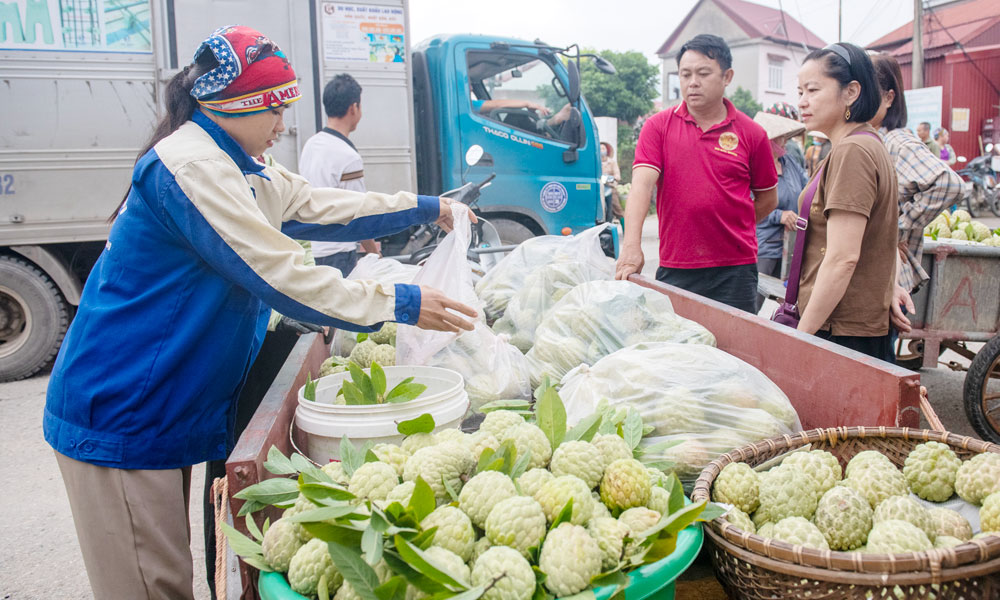
Farmers in Suoi Van village sell custard apples to local traders.
|
Large, evenly shaped, visually appealing premium-grade fruits are often purchased directly by traders, while the rest are taken to collection points along the main roads.
From early morning, roads leading to Quynh, Ba Go and Suoi Van villages are bustling with trade. Motorbikes and small agricultural vehicles loaded with baskets of fresh fruit stream toward collection points.
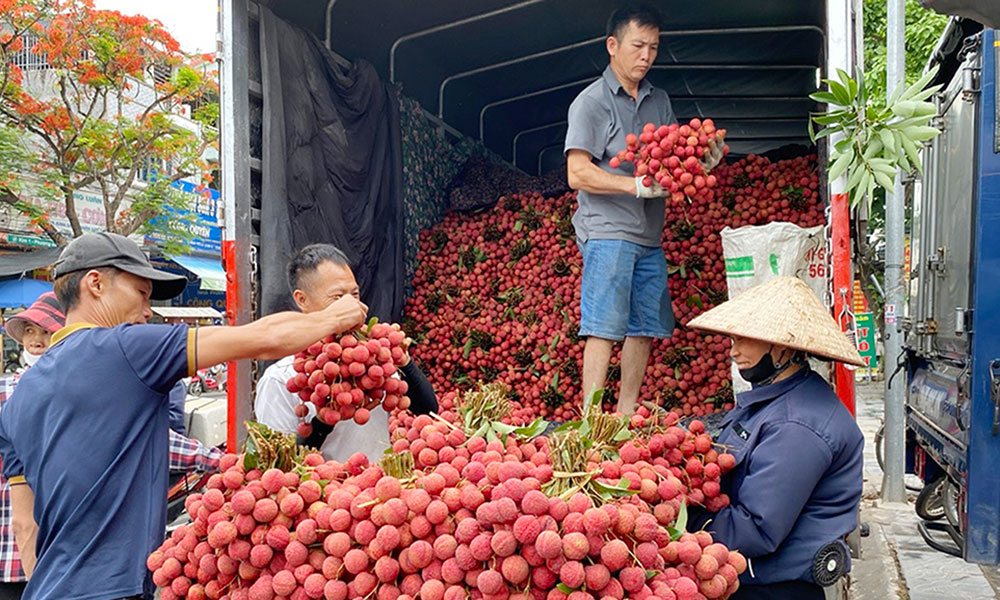
Once prices are agreed, sellers carefully pack the custard apples into foam boxes, cushioning them with leaves before loading the boxes onto trucks.
The specialty of the Luc river and Huyen mountain region is then transported to major markets including Hanoi, Thai Nguyen and Hai Phong.
As he swiftly loaded boxes of custard apples onto a truck, Vu Van Ba, a trader from Vo Cuong ward, said he buys an average of 700 kilogrammes to one tonne of custard apples a day in Nghia Phuong for distribution to consumers.
“The custard apples here have thick flesh, a rich sweetness and an attractive, bright appearance. Although purchase prices are somewhat higher than in some other growing areas, customers still strongly prefer them,” he said.
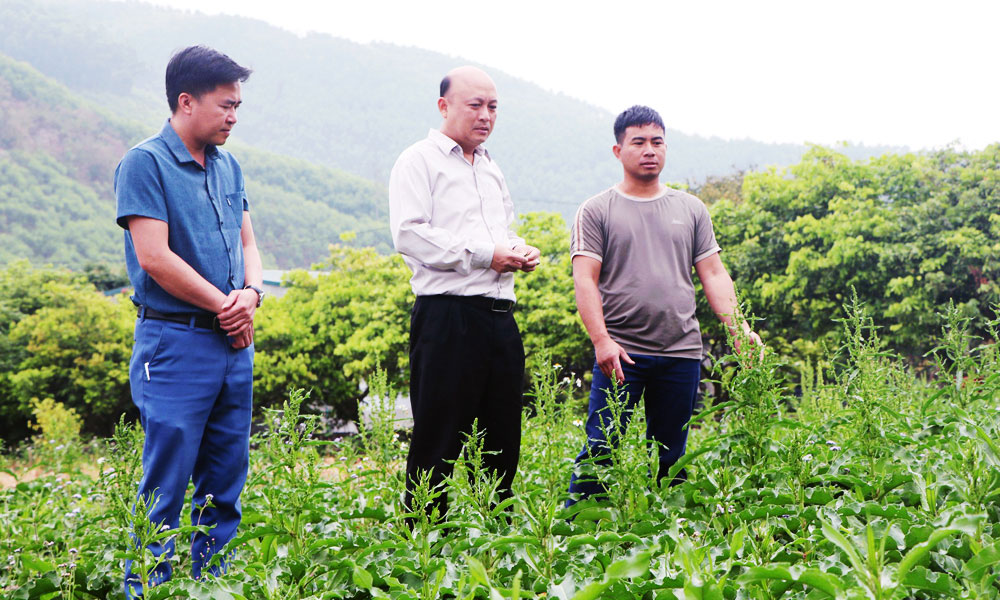
According to Hoang Duc Ky, head of Suoi Van village, the village has more than 300 households, all of them grow custard apples, ranging from several hundred trees to several thousand.
The harvest has enabled many households that were once struggling financially to earn hundreds of millions of VND from a single crop, significantly improving their living standards.
Nghia Phuong is predominantly mountainous, its terrain divided by the Huyen Dinh range and interspersed with narrow valleys and steep slopes. The soil is largely rocky and gravelly.
Nearly three decades ago, local farmers began experimenting with custard apples on steep hillsides. With deep roots and good drought tolerance, the trees adapted well to the local soil, producing fragrant, sweet fruits and gradually proving more profitable than traditional crops.
Over the past two decades, the area under custard apple cultivation has expanded steadily.
Farmers have adopted techniques such as hand pollination and pruning to regulate flowering and fruiting, enabling staggered harvests throughout the season and turning custard apple into one of the commune’s main crops.
Hoang Dinh Giang, Vice Chairman of the Nghia Phuong commune People's Committee, said the commune now has about 700 hectares of custard apple orchards, mainly the na dai variety, with estimated output of 7,800 tonnes.
Some farmers have also begun cultivating specialty varieties, including Thai and purple custard apples.
The fruit-growing area has now been incorporated into the master plan before the mergers of administrative units. Orchards are concentrated mainly in Huyen Son, Chua, Suoi Van, Nghia An and Phuong Hoang villages.
In line with provincial planning priorities, the commune authorities are working to finalise a post-merger master plan, laying the groundwork for a concentrated agricultural production zone with upgraded transport infrastructure to facilitate the distribution of farm produce.
The custard apple harvest in Nghia Phuong brings more than the joy of a successful crop. It also highlights a broader shift in the way local farmers approach agricultural production and rural livelihoods.
On land once regarded as too rocky and difficult to cultivate, the na dai has taken firm root, creating a more sustainable source of income and raising the value of local agricultural products.






Reader's comments (0)